
Nexen Tires vs Michelin: Which Brand Is Actually Better?

In my years managing a busy tire shop, I have seen a lot of bald rubber. If you just want the fast answer on Nexen tires vs Michelin, Michelin wins for pure grip and long life. But Nexen is a great pick if you need safe daily driving on a strict budget. Both brands do a good job, but they are built for very different drivers.
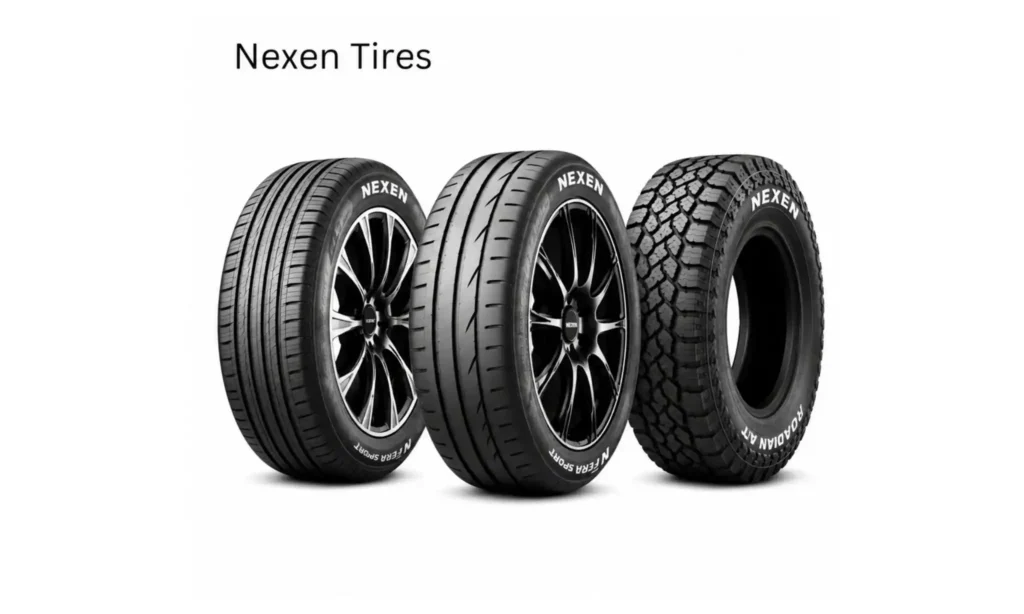
The Ultimate Brand Showdown: Nexen Tires vs Michelin
Buying new tires is a very big deal. You want to stay safe on the highway without going broke. Michelin is the big premium name that everyone in the world knows. Nexen is a smart budget brand that tries to save you lots of cash.
I see car owners stress over this choice every single day. Do you pay double the cash for Michelin quality? Or do you save big with a set of Nexen tires? We will break down the hard facts so you can make the right choice.
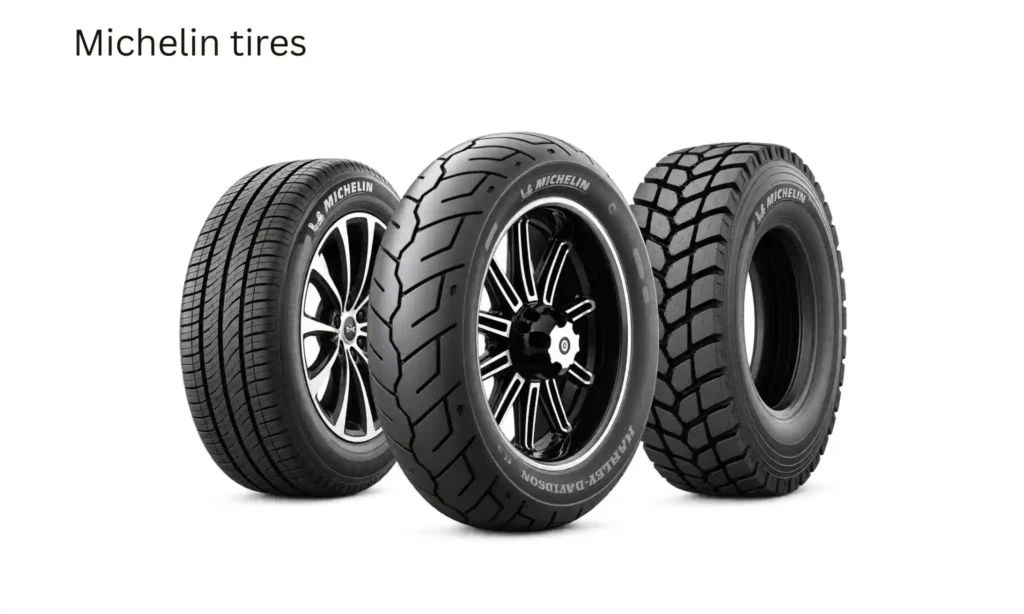
Quick Brand Overview and Spec Comparison
We need to look at the main facts first before we go deep. This chart shows the key details for both of these tire makers. It helps you see the big picture fast.
| Brand Feature | Nexen Tires | Michelin Tires |
| Price Range | Very Low to Medium | High to Premium |
| Average Warranty | 40,000 – 60,000 Miles | 50,000 – 80,000 Miles |
| Main Focus | Budget Daily Driving | High Grip and Long Life |
| Rubber Type | Standard Mix | Advanced Silica Mix |
As you can clearly see, Michelin costs a lot more upfront. But they also offer longer warranties and top test scores. Nexen keeps the overall price low while still giving you a very solid warranty.
Brand Reputation and Market Positioning
Michelin makes high-end, premium tires for serious drivers. They build tough rubber for fast sports cars and safe family SUVs. People everywhere trust the Michelin man to last a long time. They are the king of the high-end tire market.
Nexen focuses purely on the value and budget market. They make cheap tires that do not feel cheap on the road. Many new car brands now use Nexen tires right from the factory. They give normal drivers a safe ride for less money.
Comparing the Overall Tire Lineups
Michelin has a tire model for almost every car on earth. Their CrossClimate and Defender lines are huge sellers at my shop. They pack in lots of safety tech and massive grip. You can find a Michelin tire for trucks, vans, and sedans.
Nexen has a smaller lineup, but it covers the basics very well. Their N5000 and Roadian models are very popular with cheap buyers. They are great for simple highway trips and city driving. They do not make many extreme racing tires.
Dry Performance Across Popular Models
Dry roads are where most people do their daily driving. You need tires that stop fast and steer well in the heat. Here is how both brands handle plain dry pavement.
| Performance Metric | Nexen Score | Michelin Score |
| Dry Braking | 7 out of 10 | 10 out of 10 |
| Sharp Turning | 6 out of 10 | 9 out of 10 |
| Highway Speed | 8 out of 10 | 10 out of 10 |
Michelin grips the dry road like sticky glue. Nexen does fine for normal driving, but feels a bit soft if you turn fast. Michelin clearly wins this part of the test.
Real-World Highway Handling
When I test-drove Nexen tires on a hot summer day, they felt very smooth. They did not slip at normal highway speeds. But they are not made for tight turns or fast sports car driving. They feel best on a straight, flat road.
Michelin tires feel totally locked down to the hard road. You can change lanes on the highway with zero fear. They just give you more total control and a much faster steering feel. You can feel the quality right through the steering wheel.
Wet Performance and Hydroplaning Tech
Wet roads are very dangerous for any driver. Tires use deep grooves to push heavy water away from the car. This stops hydroplaning, which is when your car slides fast on top of the water.
Hydroplaning Resistance Limits
Michelin uses very wide, deep grooves in their rubber blocks. I once drove them through a bad summer storm, and my truck did not slip once. The sheer grip in the deep rain is just amazing to feel.
Nexen tires do an okay job in light summer rain. But in deep puddles, they can lose grip much faster. You have to slow down a lot more when it pours. They just cannot clear the water out as fast as Michelin can.
Winter Performance and Snow Capabilities
Snow and black ice test a rubber tire very hard. Good tires stay soft in the cold so they can grip the slick ice. Let us see how these two brands compare in the freezing cold.
| Winter Metric | Nexen Snow Tire | Michelin Snow Tire |
| Deep Snow Grip | Fair | Excellent |
| Ice Stopping | Good | Excellent |
| Cold Highway | Good | Outstanding |
Michelin X-Ice tires are some of the best winter tires in the world. Nexen Winguard tires are cheap but just do an okay job. Michelin stops much faster on dangerous black ice.
Comfort, Road Noise, and Ride Quality
No one wants a loud, bumpy ride on a long road trip. A good tire absorbs the bad bumps and stays quiet. This keeps your daily drive calm, peaceful, and nice.
NVH and Sidewall Stiffness
NVH stands for Noise, Vibration, and Harshness. It means how loud and bumpy the ride feels inside the car. Sidewall stiffness changes how hard you feel deep potholes on the street.
Michelin uses soft sidewalls that eat up bad road bumps. The daily ride is super quiet and very plush. Nexen can be a little loud at high speeds, but still rides well enough for the cheap price.
“A loud tire will make you hate driving your own car. Always check the tread pattern design. Big blocky treads make way more noise than smooth straight ribs.”
Tread Life and Overall Rubber Durability
Tread life tells you exactly how long the tire will last. UTQG stands for Uniform Tire Quality Grading. A higher UTQG number always means the rubber lasts a lot longer on the street.
Tread Life and Value Analysis
Here is the real test of your hard-earned money. We need to look at how many miles you actually get. Let us check the main treadwear numbers for both of these tire brands.
| Wear Feature | Nexen Tires | Michelin Tires |
| Average UTQG | 400 – 500 | 600 – 800 |
| Max Mileage | 50,000 Miles | 80,000 Miles |
| Edge Wear | Mild | Very Low |
Michelin tires often last up to 80,000 long miles. They wear down very slowly and very evenly over time. Nexen tires usually last around 40,000 to 50,000 miles before they go totally bald.
In the shop, I see Nexen tires wear out much faster on the outer edges. You have to buy them more often over the years. Michelin costs more cash upfront but lasts twice as long on the car.
Proprietary Tire Technology Explained
Big tire brands spend lots of money on science and tests. They mix special stuff like pure silica into the hot rubber. Silica is a fine sand that helps the tire grip wet roads much better.
The Why It Won Justification
Michelin wins on tech because of their cool EverGrip rubber. This rubber reveals new wide grooves as the tire wears down over time. So, it stays very safe even when the tire gets very old.
Nexen uses a very basic, good rubber mix. They do not have fancy tricks or hidden grooves. But their simple, plain design keeps the price very low for normal daily drivers.
Comparing Warranties and Customer Guarantees
A warranty protects your cash if the new tire goes bad early. Both of these brands offer solid mileage guarantees. But they handle claims in very different ways at the shop.
Michelin offers a long 60-day trial phase for new buyers. If you hate the ride, you can bring them right back. Nexen gives a great road hazard warranty for free, which covers flat tires.
Price and Overall Value Breakdown
Let us talk about cold hard cash. New tires are very expensive to buy these days. You need to know exactly what you are paying for when you check out at the front desk.
| Cost Metric | Nexen Average | Michelin Average |
| One Tire Cost | $90 – $130 | $180 – $250 |
| Set of Four | $360 – $520 | $720 – $1,000 |
| Cost Per Mile | Low | Very Low |
Nexen is clearly the pure budget king here. You can buy four Nexen tires for the pure price of two Michelins. That is a huge deal for families on very tight budgets.
“Never buy a cheap tire just to save a fast buck. But if a budget tire has a good UTQG score and a warranty, it is often a very smart buy.”
The Absolute Best Tire From Each Brand
Every big brand has a top-tier model that they push hard. These are the tires that sell the most units every year. Let us look at their best all-season tire choices side by side.
| Spec | Nexen N5000 Platinum | Michelin Defender 2 |
| Best For | Cheap Daily Driving | Long Life and Safety |
| Warranty | 55,000 Miles | 80,000 Miles |
| Road Noise | Medium | Very Quiet |
The Michelin Defender lasts forever and rides like a soft dream. The Nexen N5000 is very cheap and does a fair job. It all comes down to the size of your wallet today.
Who Should AVOID Each Brand
Avoid Michelin if you drive on dirt farm roads a lot. Paying that much cash to hit sharp rocks is just silly. Also, skip them if you plan to sell your old car very soon.
Avoid Nexen if you drive 80 miles on the fast highway daily. The slight road hum will annoy you over time. Plus, you will wear them out very fast with all those highway miles.
Which Tire Brand Is Better for Your Needs?
You have to look closely at how you drive every week. Do you just run to the grocery store down the street? Do you drive fast for three hours every single day?
I always tell my customers to buy what fits their real life. Do not buy a high-end racing tire for a slow family van. Buy the rubber tire that keeps your family very safe.
Final Verdict: The Best Brand Choice
Michelin clearly wins the overall battle here. They offer the absolute best grip, quietest ride, and longest life. They are the safest premium tire you can buy for your family.
But Nexen is not bad at all for the cheap price. If money is very tight, they are a safe, solid choice. They will get you to work safely without breaking the bank.