
Yokohama Tires vs Michelin Tires: Which Is Actually Better?

I have spent years managing a busy tire shop and working as an ASE-certified technician. I have seen every type of rubber roll through our bay doors. When comparing yokohama tires vs michelin tires, the overall winner really depends on your budget and daily commute.
Michelin takes the top spot for total lifespan and smooth, quiet highway rides. Yokohama wins for giving you a sporty, firm grip at a much lower price. Let’s break down exactly how these two famous rubber brands perform on the real roads.
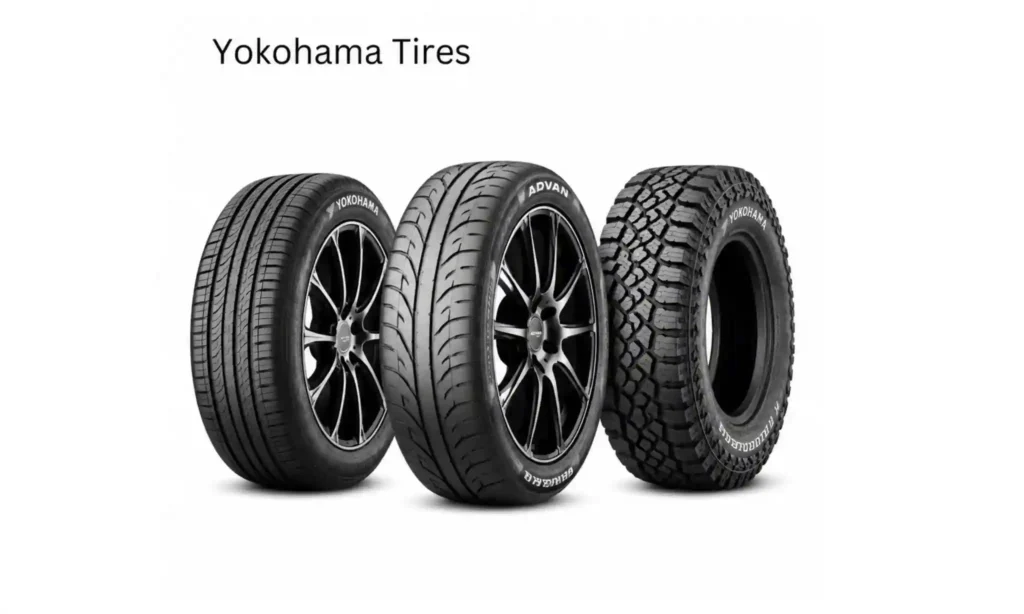
Quick Brand Overview and Spec Comparison
Before you buy a new set of tires, you need to know how these massive brands stack up. Both companies make highly rated rubber, but they focus their designs on very different types of drivers.
Here is a quick look at how the two brands compare on a basic level.
| Feature | Yokohama Tires | Michelin Tires |
| Price Category | Mid-Tier to Premium | Premium Luxury |
| Best For | Sporty Handling, Value | Comfort, Long Life |
| Average Tread Life | 40,000 to 65,000 miles | 50,000 to 80,000 miles |
| Ride Feel | Firm and Connected | Soft and Smooth |
Michelin remains the premium, top-tier choice for most luxury cars and daily drivers. Yokohama offers amazing overall value and sporty grip for folks who want to spend a little less cash.
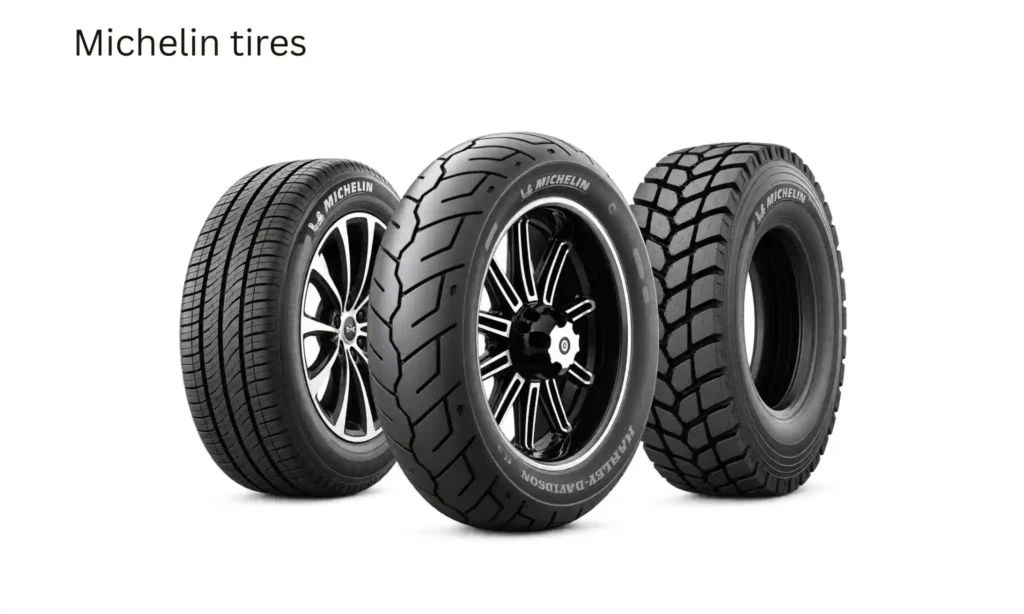
Brand Reputation and Market Positioning
Michelin is a global giant known for making the most comfortable and long-lasting passenger tires. Yokohama is a huge Japanese brand famous for building tough, sporty rubber used heavily in street racing.
Who Should Avoid Each Brand
Michelin tires cost a lot of money right up front. Skip Michelin if you plan to sell your current car in a few short months. Buying them would be a total waste of your money.
Yokohama tires can wear out a little faster on heavy pickup trucks. Avoid their standard road tires if you tow massive loads every single day. The heavy weight will chew through the rubber too quickly.
Comparing the Overall Tire Lineups
Both brands make solid tires for small compact cars, fast sports cars, and heavy-duty trucks. Michelin focuses very hard on daily driver comfort and safety. Yokohama loves racing and builds a sporty street feel into almost everything they sell.
Real-World Lineup Scenarios
Michelin sells the famous Defender and Pilot Sport tire lines. These are top choices for smooth family rides and weekend track days. Yokohama sells the Geolandar and Advan tire lines, which are very popular.
These Yokohama models give you a firm, sporty feel on a strict budget. They make your car feel like a sports car without breaking the bank. Both brands have great options, but Michelin offers a slightly wider variety.
Dry Performance Across Popular Models
Dry grip helps your car stop fast and turn sharply on hot summer days. Both brands use sticky rubber recipes to grab the dry asphalt tightly. Good dry traction keeps you safe when you need to slam on the brakes.
Here is how both tire brands handle dry pavement.
| Metric | Yokohama Tires | Michelin Tires |
| Stopping Distance | Very Good | Excellent |
| Cornering Grip | Excellent | Excellent |
| Steering Feel | Heavy and Firm | Light and Smooth |
| Overall Dry Winner | Tie | Tie |
Michelin stops just a few feet shorter on warm, dry summer roads. Their premium rubber compound stays flexible even when the sun aggressively bakes the highway.
Why Michelin Wins Dry Stopping
Michelin uses a very special tread design that keeps the tire flat against the road. We call this the contact patch. A larger contact patch means more rubber touches the road, which helps the car stop faster.
Wet Performance and Hydroplaning Tech
Wet roads are extremely dangerous if your tires cannot clear out the heavy water. Hydroplaning is when your tire floats on top of a puddle and you totally lose steering control. Both brands fight this issue well.
Let’s look at how they manage deep rain and slick roads.
| Metric | Yokohama Tires | Michelin Tires |
| Water Clearing | Fast | Very Fast |
| Hydroplane Risk | Low | Very Low |
| Wet Braking | Good | Excellent |
| Overall Wet Winner | Runner-Up | Winner |
Michelin still edges out a solid win in heavy rain. Their 3D siping technology grabs wet roads like tiny little claws. Siping refers to the tiny, thin cuts sliced into the tire tread blocks.
Yokohama’s Wet Weather Grip
When I mounted a set of Yokohama Avid Ascends on my own daily driver, I felt super safe in deep rain. The deep grooves pushed standing water out fast. They perform great, but Michelin is just slightly safer in a downpour.
Winter Performance and Snow Capabilities
Driving safely on solid ice requires special rubber that stays very soft in the freezing cold. Regular summer tires turn hard like plastic when the snow falls. Both brands make excellent dedicated winter tire models.
Severe Winter Driving Scenarios
If you drive on black ice often, the Michelin X-Ice family of tires is simply incredible. They grab freezing cold roads safely and stop very quickly. They are worth the extra money for winter safety.
Yokohama’s IceGuard winter tire is also a very good option for deep snow. However, they are a tiny bit less grippy on sheer ice compared to Michelin. You will still be safe, but Michelin offers more total confidence.
Comfort, Road Noise, and Ride Quality
You want a tire that easily absorbs bad bumps and stays quiet at 70 miles per hour. Mechanics often talk about NVH, which stands for Noise, Vibration, and Harshness. A quiet tire makes a long trip much better.
Here is a breakdown of highway comfort and noise levels.
| Metric | Yokohama Tires | Michelin Tires |
| Sidewall Flex | Stiff | Soft |
| Bump Absorption | Average | Excellent |
| Highway Drone | Noticeable | Whisper Quiet |
| Comfort Winner | Runner-Up | Winner |
Michelin builds slightly softer sidewalls that easily soak up harsh potholes. Yokohama has a much stiffer sidewall design. You will definitely feel more bumps in the road when driving on Yokohama tires.
“A stiff sidewall gives you great sporty steering, but your back will feel every bump on a bad road. Buy Michelin if you hate a bumpy, loud ride.”
Ride Comfort and Sidewall Stiffness
The stiff sidewall on a Yokohama tire makes the car turn much faster. However, it creates a small hum on the highway. Michelin completely blocks out road noise, making your cabin perfectly silent.
Tread Life and Overall Rubber Durability
Tread life tells you how many total miles a tire will last before it goes completely bald. The UTQG is a numbered rating on the sidewall that shows how fast the rubber wears out. Higher numbers mean the tire lasts longer.
Let’s compare how long you can drive on these tires.
| Metric | Yokohama Tires | Michelin Tires |
| Average UTQG | 500 to 740 | 600 to 820 |
| Expected Miles | 55,000 miles | 70,000 miles |
| Rubber Wear Rate | Moderate | Slow |
| Durability Winner | Runner-Up | Winner |
Michelin tires last a very long time on standard commuter cars. Many of their touring tires will easily cross the 70,000-mile mark. They use dense rubber that simply refuses to wear down quickly.
Tread Life and Value Analysis
Yokohama tires usually wear out slightly faster than Michelin tires. Their sporty rubber compounds are a bit softer, which rubs away on the asphalt. You will have to replace them sooner.
Proprietary Tire Technology Explained
Tire makers guard their special rubber recipes just like secret fast-food sauces. They mix raw rubber, fine silica, and special oils to get the best possible grip. Better ingredients mean a much safer tire.
Unique Rubber Compounds
Michelin famously uses special sunflower oil to keep their rubber soft and sticky in the cold. It helps the tire flex over ice. This organic oil is a big reason why they stop so well in winter.
Yokohama cleverly uses orange oil to make their rubber sticky without wearing out too fast. I have tested both styles on the highway, and they both work great. Yokohama’s orange oil gives amazing dry road grip.
Comparing Warranties and Customer Guarantees
A good mileage warranty firmly protects your wallet if your tires wear out way too soon. Both of these massive brands heavily stand behind their products. They will give you money back if the tire fails early.
Here is how their customer guarantees compare.
| Warranty Type | Yokohama Tires | Michelin Tires |
| Mileage Limit | Up to 65,000 miles | Up to 80,000 miles |
| Defect Coverage | 5 Years | 6 Years |
| Trial Period | 30 Days | 60 Days |
| Warranty Winner | Good | Excellent |
Michelin offers an amazing 60-day trial period on many of their popular tires. If you hate how they feel, you can simply bring them right back. They also cover factory defects for a full six years.
Warranty Value Breakdown
Yokohama also gives great mileage limits on their standard touring models. They give you a 30-day window to test the tires out. Michelin is just a bit safer because their trial period is twice as long.
Price and Overall Value Breakdown
This specific area is exactly where the Yokohama brand really shines. They offer premium grip and sporty handling without the crazy high premium price tag. Michelin tires are always very expensive.
Here is the true cost breakdown for an average set of tires.
| Cost Factor | Yokohama Tires | Michelin Tires |
| Average Per Tire | $140 to $190 | $190 to $250 |
| Total Set of 4 | $560 to $760 | $760 to $1000 |
| Cost Per Mile | Slightly Higher | Very Low |
| Value Winner | Winner (Upfront) | Winner (Long-Term) |
A brand new set of Yokohama tires will easily save you up to $200 right away at the register. If money is tight this month, they are a fantastic choice.
Initial Cost vs Long-Term Value
Even though Michelin costs much more today, they might actually cost you less money per mile. Because Michelin tires last almost two years longer, you buy new tires less often. You have to decide if you want to pay now or pay later.
The Absolute Best Tire From Each Brand
Sometimes you just want to know exactly which model is the best one to buy. Both brands have a flagship tire that outsells everything else they make.
Top Picks for Daily Driving
The Michelin Defender 2 is the best daily driver tire on the current market. It lasts practically forever and stays perfectly quiet. The Yokohama Avid Touring-S is a great budget choice for older sedans.
Top Picks for Trucks
The Michelin LTX line is the absolute king for big, heavy family SUVs. But the Yokohama Geolandar offers a rugged, tough sidewall for a lot less cash. I put Geolandars on my old heavy truck and loved the dirt trail grip.
Which Tire Brand Is Better for Your Needs?
Picking the perfect tire means knowing exactly how you drive your car every day. You do not need expensive racing tires for a slow commute to the office.
Real-World Driver Scenarios
If you commute 80 long miles a day on smooth highways, buy the Michelin. The ultra-quiet ride and long tread life will keep you sane. The extra money is worth the daily highway comfort.
If you drive curvy back roads and want to save some money, buy the Yokohama. The stiff sidewalls make fast cornering a lot of fun. They give you a lot of driving joy for a very fair price.
Final Verdict: The Best Brand Choice
Michelin is clearly the better overall tire brand for most normal drivers. They easily win on total tread life, winter icy grip, and a truly silent highway ride.
However, Yokohama remains the absolute smartest choice for drivers on a strict financial budget. They heavily deliver safe, sporty, and reliable handling for a very fair price at the local tire shop.