
Bridgestone Blizzak vs Hankook iPike: Which Is Best?

As a former tire shop manager, I have mounted hundreds of winter tires. When comparing bridgestone blizzak vs hankook ipike, the Blizzak wins for sheer ice grip. The Hankook is a smart budget choice, but the Blizzak stops faster on black ice.
Both tires handle harsh winter weather well. However, they are built for different types of drivers. I will break down exactly how they drive in the real world. Let us look at which one fits your daily commute.
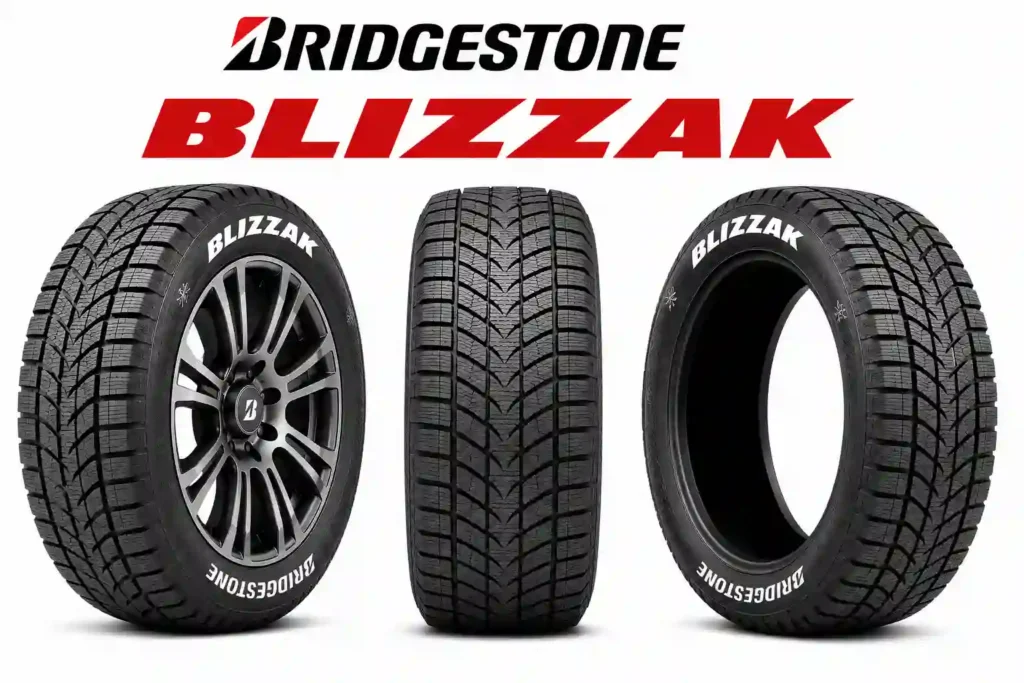
Quick Side-by-Side Spec Comparison
It helps to see the hard facts side by side. Before we talk about how they drive, look at the basic specs. These numbers show what each tire offers out of the box.
| Feature | Bridgestone Blizzak | Hankook iPike |
| Tire Type | Studless Winter | Studdable Winter |
| Rubber Type | Soft Sponge Compound | Stiff Winter Compound |
| Best For | Black Ice and Slush | Deep Snow and Value |
| Tread Wear | Average | Good |
| Price Tier | Premium | Budget Friendly |
The table above shows the main differences. The Blizzak relies on soft rubber to grip ice. The Hankook uses metal studs (if added) to dig into hard packed snow. This changes everything about how they feel on the road.
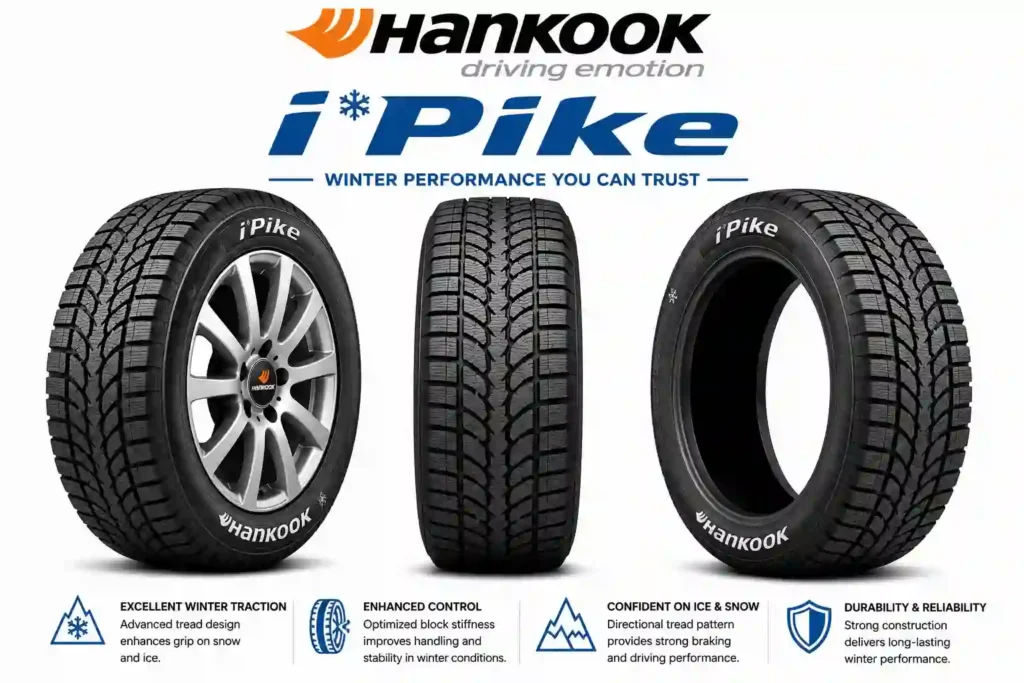
Complete Overview of Both Winter Tires
The Bridgestone Blizzak is a legend in the tire shop. It uses a very soft rubber compound. This special rubber acts like a sponge on wet ice. It sucks up the thin layer of water so the tire can grip the hard ice below.
The Hankook iPike takes a different path. It is a studdable tire. This means a shop can drive small metal pins into the rubber. These metal studs bite into thick ice and hard snow. Without the studs, it is still a very good winter tire for a low price.
I have driven both on cold mornings. The Blizzak feels glued to the frozen blacktop. The Hankook feels a bit more rigid but bites hard in deep snow.
Deep Snow Traction and Slush Clearing
When the snow dumps, you need thick tread blocks. Both tires have deep grooves to grab loose snow. The Hankook shines here because its tread blocks are rigid. The Blizzak uses zig-zag cuts called sipes to add biting edges and pack snow tightly.
| Traction Type | Bridgestone Blizzak | Hankook iPike |
| Deep Powder | Very Good | Excellent |
| Heavy Slush | Excellent | Good |
| Packed Snow | Excellent | Excellent (with studs) |
You can see the Hankook does very well in deep powder. But the Blizzak clears wet slush just a bit better. If you drive in sloppy, melting snow, the Blizzak pushes it away fast. The Hankook handles dirt roads covered in snow perfectly.
Black Ice Grip and Stopping Distances
Black ice is the scariest part of winter driving. You cannot see it until it is too late. The Bridgestone Blizzak is the clear winner here. Its sponge-like rubber grabs bare ice better than almost anything else.
If you do not put metal studs in the Hankook, it slides more on bare ice. The rubber is just too hard to grip a smooth frozen puddle. If you add the studs, the Hankook bites well, but studs are loud and damage roads.
“In the shop, we always tell folks: if you face black ice daily, buy the Blizzak. The few feet of stopping distance will save your front bumper.”
The Blizzak can stop a car much shorter on pure ice. That is the length of an entire car. That short distance is why so many people pay extra for the Bridgestone name.
Cold-Dry Pavement Handling & Cornering
Winter tires are not just for snow. You will drive on cold, dry roads most of the time. The Hankook iPike feels better on a dry highway. The rubber is harder, so the tire does not bend as much when you turn. The Blizzak feels a bit mushy because the soft rubber wiggles in tight turns.
| Dry Condition | Bridgestone Blizzak | Hankook iPike |
| Highway Steering | Soft and mushy | Firm and direct |
| Hard Cornering | Rolls over easily | Holds shape well |
| Braking on Dry | Average | Good |
The table shows the Hankook wins on dry roads. The firm tread blocks keep the car stable. The Blizzak requires you to drive a bit slower on dry curves. I have felt the Blizzak shift under me on quick highway off-ramps.
Wet Performance During Winter Thaws
When the snow melts, the roads get very wet and cold. You need a tire that stops fast in freezing rain. The Blizzak does an amazing job in cold rain. The deep grooves shoot water out of the sides quickly.
The Hankook iPike can hydroplane if you hit a deep puddle fast. Hydroplaning means the tire floats on water and loses touch with the road. The Hankook does not push heavy water away as well as the Bridgestone.
If you live where winter means more cold rain than snow, pick the Bridgestone. The soft rubber stays sticky even when it is wet and cold. The Hankook gets a bit slick on wet pavement.
Braking Confidence in Freezing Roads
Braking is the most vital test for a winter tire. When I test drove the Blizzak, the brake pedal felt solid on cold roads. The tire bites down hard when the temperature drops below freezing.
The Hankook iPike also stops well, but it takes longer on wet, icy roads. Without studs, it slides a little before catching. This sliding can make you feel nervous in heavy traffic.
You want to know your car will stop when the person in front of you slams their brakes. The Blizzak gives you that total peace of mind. It grabs the freezing road right away.
Highway Handling and Steering Response
Long highway trips in winter demand a stable tire. The Hankook iPike drives straight and true on the highway. You do not have to correct the steering wheel very often. It feels like a normal all-season tire.
The Blizzak needs more steering work on the highway. The tiny cuts in the rubber make the tire squirm a bit. At highway speeds, the car might drift slightly in its lane.
If you drive fifty miles a day on a plowed highway, the Hankook is nicer to drive. It tracks straight and firm. The Blizzak is safe, but it makes you work a little harder to keep the car centered.
Road Noise Levels for Winter Rubber
Winter tires are loud because big tread gaps trap air. The Hankook iPike is noisy, especially if you add metal studs that click on the bare road. The Bridgestone Blizzak is much quieter and absorbs bumps. You can easily listen to the radio at a normal volume.
| Noise & Comfort | Bridgestone Blizzak | Hankook iPike |
| Highway Drone | Low hum | Loud drone |
| Stud Noise | None | Very loud (if studded) |
| Bump Shock | Very soft | Stiff and jarring |
The Blizzak wins big for ride comfort. Potholes feel much smaller because the tire acts like a cushion. The Hankook transfers more of the road shock right into your seat. Skip the Hankook if you hate a loud, bumpy ride.
Tread Life and Seasonal Durability
Winter tires wear out fast if you drive them on warm roads. The Blizzak is famous for wearing down quickly. The top half of the rubber is very soft. Once that half is gone, the tire loses its magic ice grip.
The Hankook iPike lasts much longer. The stiffer rubber fights off wear and tear. If you put lots of miles on your car every winter, the Hankook will survive more seasons.
“We see Blizzaks come back bare after three seasons. The Hankooks often last four or five years for the same drivers.”
Neither tire has a treadwear warranty, which is normal for winter tires. But the Hankook gives you more miles for your money. Just remember to take them off as soon as spring gets warm.
Price vs Winter Safety Value Breakdown
Money is a big factor when buying a second set of tires. The Hankook iPike is a budget tire that costs much less up front. The Bridgestone Blizzak is a premium tire. It costs a lot more, but you are paying for the best ice grip on the market.
| Value Metric | Bridgestone Blizzak | Hankook iPike |
| Upfront Cost | High ($$$) | Low ($) |
| Cost Per Mile | High (wears fast) | Low (lasts long) |
| Safety Value | Top Tier | Good for the price |
The Hankook wins on pure cost. It is cheap to buy and lasts a long time. But the Blizzak offers safety you cannot put a price tag on. If you drive your kids in icy weather, the Blizzak is worth the extra cash.
Comprehensive Pros and Cons List
It is time to look at the good and the bad. The Bridgestone Blizzak is perfect for ice and slush. Its soft rubber stops fast and rides smooth, but it wears out fast. The Hankook iPike is great for deep snow and tight budgets, but it slips on wet roads.
| Tire Model | The Good Pros | The Bad Cons |
| Bridgestone Blizzak | Elite ice grip, smooth ride | High cost, fast wear |
| Hankook iPike | Low price, deep snow grip | Loud, weak on bare ice |
This table lays out the facts. You have to pick what matters most to you. Do you want top ice safety, or do you want to save cash? Skip the Hankook if you drive on bare ice a lot without studs.
Which Tire Is Better for Deep Winter?
If you live where the snow never melts, both tires do well. The Hankook iPike shines in rural areas with deep, unplowed snow. The firm blocks dig deep. If you stud them, they become tanks on frozen dirt roads.
The Bridgestone Blizzak is better for city and suburban winter. Roads are often plowed but covered in thin ice and slush. The Blizzak grabs that thin ice perfectly. It keeps you safe at stop lights and crosswalks.
I always ask customers where they drive. Dirt roads in the country? Get the Hankook. Paved city streets covered in slush? Buy the Blizzak.
Final Verdict: The Best Snow Tire Choice
The Bridgestone Blizzak wins this fight. When you compare the bridgestone blizzak vs hankook ipike, the Blizzak simply offers better safety on ice. Ice is the most dangerous part of winter. The short stopping distance of the Blizzak is unmatched.
The Hankook is a great tire for the price. If you are on a tight budget, buy the Hankook. It is much better than an all-season tire. But if you can afford it, the Blizzak is the safer, better choice.
