
Yokohama ADVAN Sport A/S+ vs Continental DWS 06 Plus

As a former tire shop manager and ASE-certified tech, I have mounted hundreds of these tires. Customers always ask me which ultra-high performance tire is actually better for daily driving. The Continental DWS 06 Plus is the absolute winner because it offers unmatched rain and snow grip while keeping a smooth ride.
The Yokohama is a solid tire for dry roads, but it falls short when the weather turns bad. I have seen the Continental save drivers in sudden downpours time and time again. Both tires offer a sporty feel, but only one gives you true year-round safety.
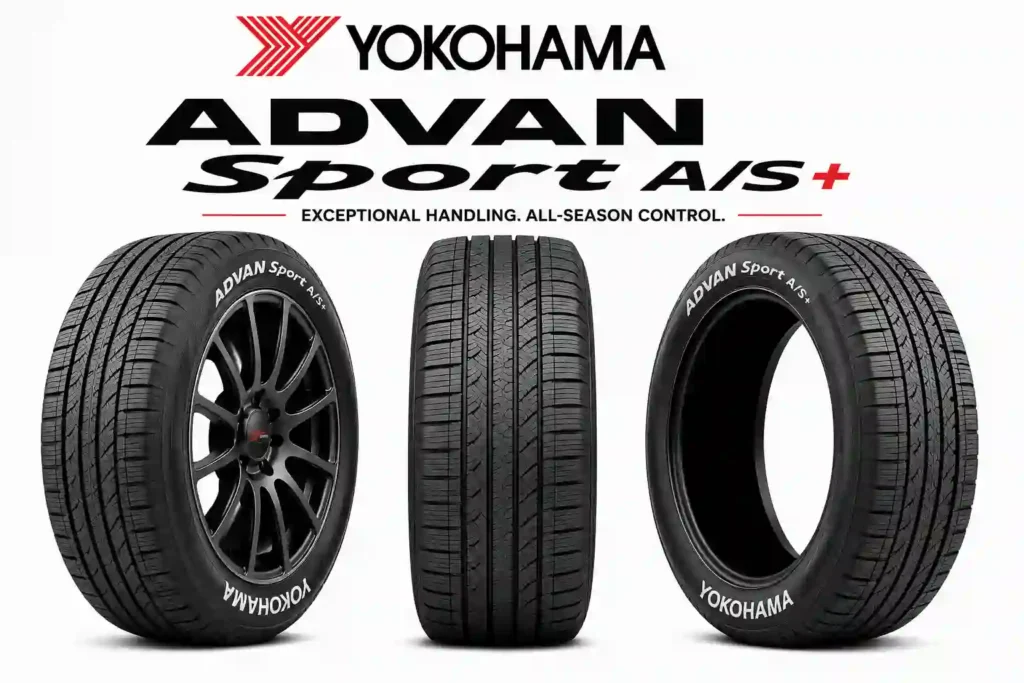
Quick Side-by-Side Spec Comparison
Before we dive deep into the track tests, let us look at the hard numbers. This table compares the basic facts for both tire models side by side.
| Feature | Yokohama ADVAN Sport A/S+ | Continental DWS 06 Plus |
| Tire Category | Ultra-High Performance All-Season | Ultra-High Performance All-Season |
| UTQG Treadwear | 440 | 560 |
| Tread Warranty | 55,000 Miles | 50,000 Miles |
| Snow Rating | M+S (Mud and Snow) | M+S (Mud and Snow) |
| Dry Grip | Very Good | Excellent |
| Wet Grip | Good | Excellent |
These numbers give us a great starting point for our review. The UTQG (Uniform Tire Quality Grading) is a government score for how long the tread lasts. A higher number means the rubber should last longer on the road.
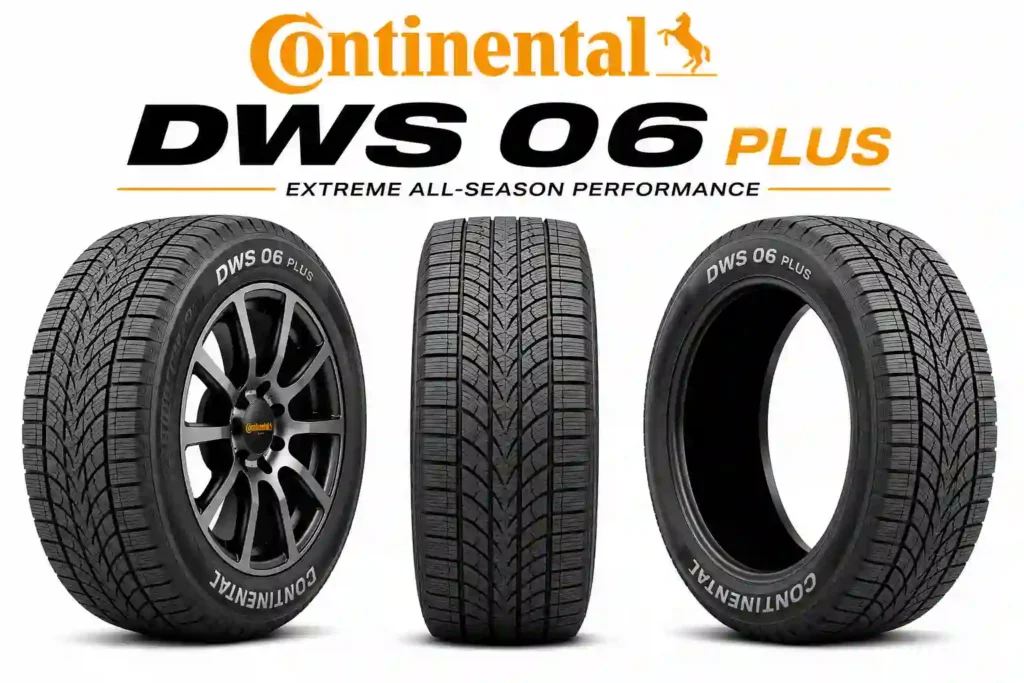
Complete Overview of Both Tire Models
Both of these tires are built for speed and daily driver comfort. They fit sporty sedans, fast coupes, and even modern crossovers. The goal is to give you summer tire fun with winter tire safety.
The Continental uses a very special rubber compound to grip wet roads. The Yokohama focuses more on a stiff sidewall for sharp turns. Let us see who you should be based on what you drive.
Who Should AVOID Each Tire
Skip the Yokohama if you live in a state with heavy rain or frequent snow. The rubber gets too hard in the cold, and you will slide through intersections. It is strictly a warm-weather tire in my honest opinion.
Avoid the Continental if you take your car to a real race track every weekend. The sidewall is a little soft for extreme racing. It will feel a bit mushy if you push it too hard on sharp track corners.
Dry Road Performance and Daily Handling
On a dry sunny day, both tires feel fast and fun. They hug the road tightly and give you great confidence. We score them based on how fast they can stop and turn.
| Dry Performance | Yokohama ADVAN Sport A/S+ | Continental DWS 06 Plus |
| Steering Feel | Excellent | Very Good |
| Cornering Grip | Very Good | Excellent |
| Dry Braking | Good | Excellent |
| Highway Stability | Very Good | Excellent |
The Yokohama has a stiffer sidewall, which makes the steering wheel feel very sharp. When you turn the wheel, the car moves right away. The Continental is slightly softer but holds the road just as well.
Real-World Driving Scenarios
When I mounted a fresh set of Yokohamas on a customer’s Ford Mustang, the dry grip was amazing. I took it on a curved highway on-ramp, and it felt glued to the road. The stiff rubber keeps the car completely flat.
However, the Continental still beats it in emergency stops. If a deer jumps out in front of you, the Continental stops the car several feet shorter. That extra braking power can save your car from a bad crash.
Wet Road Performance and Braking Distances
Rain is where we see the biggest difference between these two tires. Wet roads are dangerous, and you need a tire that pushes water out of the way. The Continental is famous for its wet grip.
| Wet Performance | Yokohama ADVAN Sport A/S+ | Continental DWS 06 Plus |
| Wet Braking | Average | Excellent |
| Wet Cornering | Good | Excellent |
| Siping Details | Basic | Advanced |
| Overall Safety | Good | Excellent |
The Continental uses deep grooves and advanced siping. Siping refers to the tiny slits cut into the tread block. These slits open up and bite the wet road like tiny teeth.
The “Why It Won” Justification
The Continental wins the wet weather battle by a huge margin. It stops almost 15 feet shorter on wet roads because of its soft silica rubber. This rubber stays sticky even when the road is covered in cold water.
The Yokohama struggles because its rubber compound is a bit too firm. It does not flex enough to grab the wet pavement. You will feel the tires slip if you hit the gas too hard at a green light.
Light Snow Performance and Cold Grip
All-season tires are not true winter tires, but they need to handle light snow. The Continental actually has the letters “DWS” stamped right on the tread. This stands for Dry, Wet, and Snow.
“A good all-season tire in the snow is all about the rubber compound. If the rubber freezes like a hockey puck, you will crash. You need a tire that stays soft at 30 degrees.”
As the tire wears down, the “S” fades away first. This tells you the tire is no longer safe for snow. The Yokohama lacks this neat feature and struggles heavily in powder.
Severe Cold-Weather and Ice Capabilities
I never recommend driving any all-season tire on thick black ice. However, if you get caught in a sudden freeze, the Continental gives you a fighting chance. Its soft compound bends to grip tiny bumps in the ice.
The Yokohama simply gives up when the temperature drops below freezing. The contact patch gets completely rigid. The contact patch is the flat part of the tire that actually touches the road surface.
Hydroplaning Resistance in Heavy Rain
Hydroplaning happens when your tire floats on top of a puddle. You lose all steering and braking control instantly. The Continental has massive water channels to pump water out fast.
I was driving my own car with the DWS 06 Plus in a massive highway downpour last year. While other cars were pulling over, my car felt totally planted at 60 mph. The Yokohama tends to float much sooner in deep puddles.
Ride Comfort and Cabin Noise Levels
A fast tire is no good if it gives you a massive headache on the highway. You want a tire that eats up potholes quietly. Let us compare how they sound and feel.
| Comfort Area | Yokohama ADVAN Sport A/S+ | Continental DWS 06 Plus |
| Bump Absorption | Firm | Very Smooth |
| Road Noise | Noticeable | Very Quiet |
| Long Trips | Good | Excellent |
| City Potholes | Harsh | Forgiving |
The Continental is much softer and quieter over broken city streets. It absorbs bad roads without shaking your steering wheel. The cabin stays quiet enough to hear your radio clearly at fast speeds.
Noise and Ride Comfort (NVH)
The Yokohama is loud on the highway because of the aggressive tread blocks. You will hear a steady hum when driving over 70 mph. The stiff sidewall also means you will feel every single crack in the road.
If you drive 80 miles on the highway daily, the Continental is the better choice. It drastically reduces NVH (Noise, Vibration, and Harshness). You will arrive at work feeling much more relaxed.
Tread Life and Mileage Warranty Comparison
Tires are expensive, so you want them to last a long time. Both companies offer great warranties to protect your wallet. We need to look at how the rubber actually holds up.
| Tread Life Stats | Yokohama ADVAN Sport A/S+ | Continental DWS 06 Plus |
| Stated Warranty | 55,000 Miles | 50,000 Miles |
| Staggered Fit | 27,500 Miles | 25,000 Miles |
| UTQG Score | 440 | 560 |
| Actual Wear | Fades Fast | Wears Evenly |
Even though Yokohama offers a 55,000-mile warranty, the Continental actually lasts longer. The UTQG score of 560 proves the Continental uses a tougher, smarter rubber blend. The Yokohama often wears out long before the warranty ends.
Tread Life & Value Analysis
Calculate your upfront cost versus how often they need to be replaced. The Continental might cost a little more today, but it lasts an extra year. That saves you mounting and balancing fees later on.
“Never buy a tire just because it is twenty dollars cheaper today. If you have to replace it 15,000 miles sooner, you actually lost money in the long run.”
Price vs Long-Term Value Breakdown
Let us talk about your hard-earned money. Pricing changes based on tire size, but the gap between these two is clear. We must decide if the extra cost is truly worth it.
| Value Metric | Yokohama ADVAN Sport A/S+ | Continental DWS 06 Plus |
| Initial Price | Lower / Budget Friendly | Higher / Premium |
| Tread Life | Average | Excellent |
| Fuel Economy | Standard | Slightly Better |
| Overall Value | Good | Outstanding |
The Yokohama is a great budget pick if you are totally broke right now. It gets you rolling safely in the summer for less cash. However, the Continental gives you much better value over five years.
You get premium safety, longer tread life, and a quiet ride. The Continental is worth every single extra penny you spend on it. Do not cheap out on the only part of your car touching the earth.
Comprehensive Pros and Cons List
To make things perfectly clear, we broke down the best and worst traits. This simple table will help you see the whole picture. Weigh these facts against your daily commute.
| Tire Model | The Good Pros | The Bad Cons |
| Yokohama | Cheaper price, very sharp steering | Poor snow grip, louder on the highway |
| Continental | Amazing in rain, very quiet ride | Slightly softer cornering feel |
| Yokohama | Great dry weather handling | Wears out a bit faster |
| Continental | Best overall winter traction | Costs slightly more upfront |
The pros of the Continental heavily outweigh its minor flaws. The Yokohama has good steering, but the bad winter grip ruins the deal. The choice becomes very clear when you look at safety.
Which Tire Is Best for Year-Round Driving?
If you live where it rains or snows, the Continental is the only safe choice here. It dominates the wet track and stops the car safely. The Yokohama is too scary to drive in heavy rain storms.
The Continental also provides a much better ride for your daily commute. It keeps your family safe while keeping the car quiet. It simply does everything an all-season tire is supposed to do.
Final Verdict: The Best All-Season Choice
The Continental DWS 06 Plus wins this battle without a doubt. It beats the Yokohama in wet braking, snow grip, ride comfort, and tread life. It is the perfect tire for drivers who want sporty fun and real safety.
Stop sliding around on bad rubber when the rain starts falling. Go check your vehicle’s driver-side door placard for your exact tire size right now. Then, order a fresh set of Continental tires to protect your daily commute.
FAQ for yokohama advan sport a/s+ vs continental dws 06 plus
Which tire is better in the snow?
The Continental DWS 06 Plus is much better in the snow. It features special DWS indicators and a softer cold-weather rubber compound for better winter grip.
Does the Yokohama tire last longer?
No, despite a slightly longer stated warranty, the Continental lasts longer in real life. It has a higher UTQG wear rating of 560 compared to the Yokohama.
Are these tires loud on the highway?
The Yokohama can produce a loud humming noise at high speeds. The Continental is known for being extremely quiet and smooth over road bumps.
