

Will Dodge 5 Lug Wheels Fit Ford?

Contents
- 1 Key Takeaways
- 2 📑 Table of Contents
- 3 Will Dodge 5 Lug Wheels Fit Ford? A Complete Guide
- 4 Understanding Bolt Patterns: The Foundation of Wheel Compatibility
- 5 Center Bore: The Hidden Culprit in Wheel Swaps
- 6 Offset and Backspacing: The Geometry of Fitment
- 7 Real-World Examples: When Dodge Wheels Fit Ford (and When They Don’t)
- 8 Safety and Performance: Why You Shouldn’t Rush the Swap
- 9 Tips for a Successful Wheel Swap
- 10 Conclusion: Can Dodge 5 Lug Wheels Fit Ford?
- 11 Frequently Asked Questions

Car Cup Holder Expander

Multipurpose Lubricant Spray

Tool Roll Bag

Car Door Edge Guard
Will Dodge 5 lug wheels fit Ford? It depends on the specific models and years involved. While some Dodge and Ford vehicles share a 5×139.7mm bolt pattern, differences in center bore, offset, and hub design can prevent a direct fit. Always verify compatibility before swapping wheels.
Key Takeaways
- Bolt pattern compatibility is essential: Many Dodge trucks and SUVs use a 5×139.7mm bolt pattern, which matches some Ford models like the F-150 and Ranger.
- Center bore size matters: Dodge wheels often have a larger center bore than Ford hubs, requiring hub-centric rings for a secure fit.
- Offset and backspacing affect handling: Incorrect offset can cause rubbing, poor steering, or premature tire wear.
- Year and model variations exist: Not all Ford or Dodge vehicles with 5-lug wheels are interchangeable—always check specifications.
- Use adapters or spacers cautiously: While 5-lug adapters can bridge differences, they add stress and should be used only with high-quality components.
- Professional installation is recommended: Even if wheels appear to fit, a mechanic should inspect for safety and performance.
- Test fit before driving: Always do a dry fit and test drive at low speeds to check for vibrations or clearance issues.
📑 Table of Contents
- Will Dodge 5 Lug Wheels Fit Ford? A Complete Guide
- Understanding Bolt Patterns: The Foundation of Wheel Compatibility
- Center Bore: The Hidden Culprit in Wheel Swaps
- Offset and Backspacing: The Geometry of Fitment
- Real-World Examples: When Dodge Wheels Fit Ford (and When They Don’t)
- Safety and Performance: Why You Shouldn’t Rush the Swap
- Tips for a Successful Wheel Swap
- Conclusion: Can Dodge 5 Lug Wheels Fit Ford?
Will Dodge 5 Lug Wheels Fit Ford? A Complete Guide
So, you’ve got a set of stylish Dodge 5 lug wheels sitting in your garage, and you’re wondering—can I slap these on my Ford truck or SUV? It’s a common question among DIY enthusiasts, off-roaders, and budget-conscious vehicle owners looking to upgrade their ride without breaking the bank. The short answer? Maybe. But it’s not as simple as just bolting them on and hitting the road.
Wheel compatibility isn’t just about how things look—it’s about safety, performance, and precision. Even if two wheels have the same number of lug nuts and seem similar in size, subtle differences in engineering can make a huge difference. That’s why understanding bolt patterns, hub sizes, offsets, and other technical specs is crucial before making any swap. In this guide, we’ll walk you through everything you need to know about whether Dodge 5 lug wheels will fit your Ford, including real-world examples, potential pitfalls, and smart solutions.
Understanding Bolt Patterns: The Foundation of Wheel Compatibility
Before we dive into whether Dodge wheels can work on Ford vehicles, let’s start with the basics: the bolt pattern. This is the most critical factor when determining wheel compatibility. The bolt pattern—also known as the lug pattern or PCD (Pitch Circle Diameter)—refers to the number of lug nuts and the diameter of the circle they form.
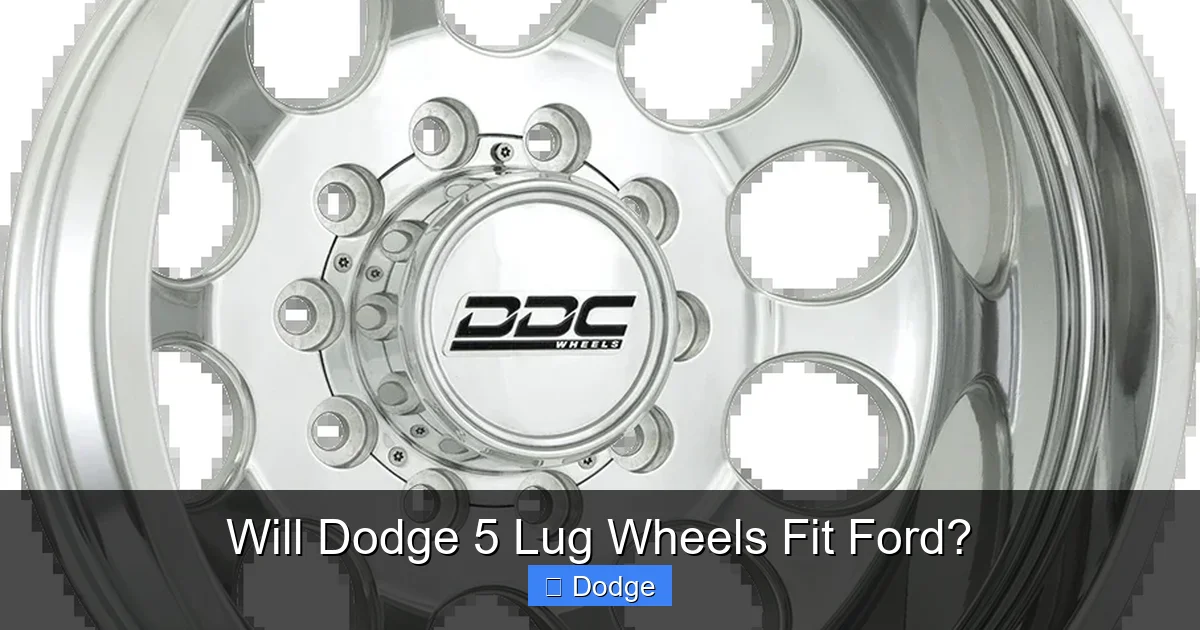
Visual guide about Will Dodge 5 Lug Wheels Fit Ford?
Image source: duallywheels.ca
What Is a 5-Lug Bolt Pattern?
A 5-lug bolt pattern means the wheel has five lug nuts arranged in a circle. This pattern is common on trucks, SUVs, and some performance vehicles. The second part of the measurement is the diameter of that circle, measured in millimeters. For example, a 5×139.7mm bolt pattern means five lugs spaced evenly around a 139.7mm circle.
Dodge and Ford: Do They Share the Same Bolt Pattern?
Here’s where things get interesting. Many Dodge trucks and SUVs—like the Dodge Ram 1500 (2009–2024), Durango (2004–2024), and older Dakota models—use a 5×139.7mm bolt pattern. On the Ford side, several popular models also use this same pattern, including the Ford F-150 (1997–2024), Ford Ranger (1998–2011 and 2019–2024), and Ford Explorer (2002–2010).
So, at first glance, it seems like a match made in heaven. But don’t get too excited just yet. While the bolt pattern may align, other factors can prevent a seamless fit.
Why Bolt Pattern Alone Isn’t Enough
Imagine two keys that look almost identical—same number of teeth, same general shape—but one is slightly off. They might fit into the lock, but they won’t turn it. The same principle applies to wheels. Even with a matching bolt pattern, differences in hub size, offset, and wheel design can cause problems.
For example, a Dodge Ram 1500 wheel might bolt onto a Ford F-150 hub, but if the center bore is too large, the wheel won’t sit centered on the hub. This can lead to vibrations, uneven tire wear, and even dangerous handling issues at high speeds.
Center Bore: The Hidden Culprit in Wheel Swaps
If the bolt pattern is the lock, the center bore is the keyway. It’s the large hole in the center of the wheel that fits over the vehicle’s hub. For a wheel to function properly, it must be hub-centric—meaning the center bore matches the hub diameter precisely.

Visual guide about Will Dodge 5 Lug Wheels Fit Ford?
Image source: m.media-amazon.com
Dodge vs. Ford Center Bore Sizes
Dodge vehicles typically have a center bore of 77.8mm. Ford trucks and SUVs, on the other hand, usually have a smaller center bore—around 70.3mm to 70.5mm, depending on the model and year.
This means that if you install a Dodge wheel on a Ford hub, the wheel will have extra space around the hub. While it might still bolt on, it won’t be centered correctly. The lug nuts will have to do all the work of holding the wheel in place, which can lead to stress on the studs and uneven clamping force.
The Risks of a Mismatched Center Bore
When a wheel isn’t hub-centric, you might experience:
- Vibrations at highway speeds: The wheel wobbles slightly, causing a shaking sensation in the steering wheel or seat.
- Premature tire wear: Uneven contact with the road leads to bald spots or cupping.
- Lug nut loosening: The constant stress can cause nuts to back off over time.
- Damage to wheel bearings: Misalignment puts extra strain on suspension components.
Solution: Hub-Centric Rings
The good news? You can often fix this issue with hub-centric rings. These are plastic or metal spacers that fit inside the center bore of the Dodge wheel, reducing the diameter to match the Ford hub. They’re inexpensive (usually $10–$20 per set) and easy to install.
For example, if you’re putting 2015 Dodge Ram 1500 wheels on a 2018 Ford F-150, you’d use 77.8mm-to-70.5mm hub-centric rings. This ensures the wheel sits perfectly centered on the hub, transferring the load properly and eliminating vibrations.
Always make sure the rings are made from durable materials (like aluminum or high-strength plastic) and are designed for your specific wheel and vehicle combo.
Offset and Backspacing: The Geometry of Fitment
Even if the bolt pattern and center bore are compatible, the wheel’s offset and backspacing can make or break the fit. These measurements determine how far the wheel sits inward or outward relative to the hub.
What Is Offset?
Offset is the distance between the wheel’s mounting surface and its centerline. It’s measured in millimeters and can be positive, negative, or zero.
- Positive offset: The mounting surface is toward the front (street side) of the wheel. Common on modern trucks and SUVs.
- Negative offset: The mounting surface is toward the back (tire side) of the wheel. Often found on lifted or aggressive-looking trucks.
- Zero offset: The mounting surface is exactly in the center.
Why Offset Matters
Installing a wheel with the wrong offset can cause serious problems:
- Rubbing on fenders or suspension: If the wheel sticks out too far (negative offset), it may hit the wheel well during turns or over bumps.
- Reduced stability: Too much positive offset can make the wheel sit too far inward, reducing track width and affecting handling.
- Increased stress on bearings: Extreme offsets can overload suspension components, leading to premature failure.
Dodge vs. Ford Offset Differences
Dodge wheels often have a more aggressive (negative) offset to give trucks a wider, more muscular stance. Ford wheels, especially on stock F-150s, tend to have a more conservative positive offset.
For example, a stock 2020 Dodge Ram 1500 might use a +15mm offset wheel, while a 2020 Ford F-150 uses a +44mm offset. If you install the Dodge wheel on the Ford, it will stick out about 29mm farther—enough to cause rubbing or clearance issues, especially if you have larger tires.
How to Check and Adjust Offset
Before swapping wheels, compare the offset of your current Ford wheels with the Dodge wheels you want to install. You can usually find this info on the back of the wheel or in the owner’s manual.
If the offset is too far off, you have a few options:
- Use wheel spacers: These add space between the hub and wheel, effectively changing the offset. For example, a 15mm spacer on a +44mm wheel gives you a +29mm effective offset—closer to the Dodge spec.
- Choose wheels with adjustable offset: Some aftermarket wheels offer multiple mounting holes for different offsets.
- Modify suspension: Lift kits or leveling kits can create more clearance for wider or more aggressive wheels.
But be cautious: spacers add stress to wheel studs and should only be used with high-quality, hub-centric spacers rated for your vehicle’s weight.
Real-World Examples: When Dodge Wheels Fit Ford (and When They Don’t)
Let’s look at some practical scenarios to see how this plays out in real life.
Example 1: 2015 Dodge Ram 1500 Wheels on a 2018 Ford F-150
Bolt pattern: 5×139.7mm — ✅ Match
Center bore: 77.8mm (Dodge) vs. 70.5mm (Ford) — ❌ Mismatch
Offset: +15mm (Dodge) vs. +44mm (Ford) — ❌ Significant difference
In this case, the wheels will bolt on, but you’ll need hub-centric rings to center them. The offset difference means the wheels will stick out about 3 inches farther than stock. This could cause rubbing on the fender or suspension, especially during turns or over bumps.
Solution: Use 77.8mm-to-70.5mm hub-centric rings and consider 1.5-inch wheel spacers to fine-tune the offset. Also, check for clearance with your current tires and suspension setup.
Example 2: 2008 Dodge Durango Wheels on a 2006 Ford Explorer
Bolt pattern: 5×139.7mm — ✅ Match
Center bore: 77.8mm (Dodge) vs. 70.3mm (Ford) — ❌ Mismatch
Offset: +20mm (Dodge) vs. +35mm (Ford) — ⚠️ Moderate difference
These wheels are closer in offset, so the fitment issue is less severe. You’ll still need hub-centric rings, but the wheels shouldn’t stick out too far. However, the Ford Explorer has a narrower track than the Durango, so even a small offset change can affect handling.
Solution: Install hub-centric rings and test fit with your current tires. If there’s minor rubbing, consider slightly narrower tires or a small suspension lift.
Example 3: 2022 Ford F-150 Wheels on a 2021 Dodge Ram 1500
Wait—what about the reverse? Can Ford wheels fit Dodge trucks?
Bolt pattern: 5×139.7mm — ✅ Match
Center bore: 70.5mm (Ford) vs. 77.8mm (Dodge) — ❌ Mismatch
Offset: +44mm (Ford) vs. +15mm (Dodge) — ❌ Large difference
Here, the Ford wheels are too narrow in center bore and too positive in offset. They’ll bolt on, but the center bore is too small, so the wheel won’t seat properly on the hub. Also, the wheels will sit much farther inward, reducing track width and potentially causing handling issues.
Solution: Not recommended without modifications. You’d need custom machining to enlarge the center bore and possibly use negative offset spacers—both of which are costly and risky.
Safety and Performance: Why You Shouldn’t Rush the Swap
It’s tempting to save money by reusing wheels from another vehicle, but cutting corners can lead to serious consequences. Wheels are a critical safety component—they support the vehicle, absorb impacts, and transfer steering and braking forces.
The Dangers of Improper Fitment
Even if a wheel appears to fit, hidden issues can emerge over time:
- Wheel detachment: Loose or improperly seated wheels can come off while driving.
- Steering wobble: Vibrations can make the vehicle hard to control, especially at high speeds.
- Tire blowouts: Uneven wear or rubbing can weaken tires and lead to sudden failures.
- Accidents: Loss of control due to wheel issues can result in collisions.
Professional Inspection Is a Must
Even if you’ve done your homework, always have a trusted mechanic inspect the installation. They can check for:
- Proper torque on lug nuts (using a torque wrench)
- Even seating of the wheel on the hub
- Clearance with suspension, brakes, and fenders
- Absence of vibrations during a test drive
Many shops offer a free wheel fitment check—take advantage of it.
Tips for a Successful Wheel Swap
If you’re determined to make Dodge 5 lug wheels work on your Ford, here are some best practices to follow:
1. Do Your Research
Use online fitment guides, forums, and manufacturer specs to verify compatibility. Websites like Wheel-Size.com and TireRack.com have detailed databases for most vehicles.
2. Measure Everything
Don’t rely solely on online info. Measure your current wheels’ bolt pattern, center bore, and offset with calipers or a ruler. Compare them to the Dodge wheels you’re considering.
3. Use Quality Accessories
If you need hub-centric rings or spacers, buy from reputable brands like H&R, Eibach, or Spidertrax. Avoid cheap, generic parts that may fail under stress.
4. Torque Lug Nuts Properly
Always use a torque wrench to tighten lug nuts to the manufacturer’s specification (usually 100–120 ft-lbs for trucks). Over-tightening can warp rotors; under-tightening can cause loosening.
5. Recheck After 50–100 Miles
Lug nuts can settle after initial driving. Recheck torque and inspect for any signs of movement or vibration.
6. Consider Professional Installation
If you’re unsure, let a shop handle the swap. They have the tools and expertise to ensure a safe, proper fit.
Conclusion: Can Dodge 5 Lug Wheels Fit Ford?
So, will Dodge 5 lug wheels fit Ford? The answer is: sometimes, but not always—and never without careful consideration. While many Dodge and Ford trucks share the same 5×139.7mm bolt pattern, differences in center bore, offset, and wheel design can prevent a safe and proper fit.
With the right tools—hub-centric rings, spacers, and a good understanding of wheel geometry—you can often make the swap work. But it’s not a plug-and-play solution. Every vehicle is different, and even small variations can have big consequences.
Before you make any changes, do your homework, measure twice, and consult a professional. Your safety—and the performance of your vehicle—depends on it. Whether you’re upgrading for style, function, or savings, taking the time to get it right will pay off in the long run.
Frequently Asked Questions
Can I put Dodge Ram wheels on a Ford F-150?
Yes, in many cases—especially if both vehicles use the 5×139.7mm bolt pattern. However, you’ll likely need hub-centric rings to match the center bore and may need spacers to adjust offset. Always verify fitment before driving.
Do I need special lug nuts for Dodge wheels on a Ford?
Not necessarily. Most Dodge and Ford trucks use standard conical seat lug nuts. But always check the seat type (conical, ball, or flat) to ensure proper contact and avoid loosening.
Will Dodge wheels fit my Ford Ranger?
It depends on the year. Older Ford Rangers (1998–2011) and newer models (2019–2024) use a 5×139.7mm bolt pattern, which matches many Dodge trucks. But center bore and offset differences may require modifications.
Can I use wheel spacers to make Dodge wheels fit my Ford?
Yes, but only with high-quality, hub-centric spacers rated for your vehicle’s weight. Spacers can help adjust offset, but they add stress to wheel studs and should be used cautiously.
What happens if I don’t use hub-centric rings?
The wheel may not sit centered on the hub, leading to vibrations, uneven tire wear, and potential safety hazards. Hub-centric rings ensure proper load transfer and smooth operation.
Are there any Ford models that won’t accept Dodge wheels?
Yes. Older Ford models (pre-1997) or those with different bolt patterns (like 5×114.3mm) won’t be compatible. Always check your specific Ford model’s wheel specs before attempting a swap.


