
How to Remove the Ignition Lock Cylinder Without a Key on a Dodge Dakota

Removing the ignition lock cylinder without a key on a Dodge Dakota is possible with the right tools and careful technique. This guide walks you through safe, non-destructive methods to access and replace the cylinder, whether you’ve lost your key or it’s broken. Always prioritize safety and consider professional help if unsure.
Key Takeaways
- Understand the ignition system: The ignition lock cylinder is part of a larger system that includes the steering column and electrical components. Knowing how it works helps prevent damage.
- Use proper tools: A drill, punch, screwdriver, and safety gear are essential. Avoid using excessive force to prevent injury or vehicle damage.
- Follow safety precautions: Disconnect the battery before starting to avoid electrical shocks or accidental airbag deployment.
- Choose the right method: Drilling is common, but prying or using a key code (if available) may be safer options depending on your situation.
- Replace, don’t just remove: Once removed, install a new cylinder to restore functionality and security.
- Consider professional help: If you’re uncomfortable with the process, a locksmith or mechanic can assist safely and efficiently.
- Check compatibility: Ensure any replacement cylinder matches your Dakota’s year, model, and trim for proper fit and function.
📑 Table of Contents
- Introduction: Why You Might Need to Remove the Ignition Lock Cylinder Without a Key
- Understanding the Dodge Dakota Ignition Lock Cylinder
- Tools and Safety Precautions You’ll Need
- Step-by-Step Guide to Removing the Ignition Lock Cylinder
- Installing a New Ignition Lock Cylinder
- Alternative Methods and When to Call a Professional
- Conclusion: Taking Control of Your Dakota’s Ignition
Introduction: Why You Might Need to Remove the Ignition Lock Cylinder Without a Key
Picture this: you’re heading out for an early morning drive in your trusty Dodge Dakota, but when you insert the key into the ignition, nothing happens. Maybe the key is broken, worn out, or—worst of all—you’ve lost it entirely. Suddenly, your reliable pickup feels more like a paperweight. You’re stuck, frustrated, and wondering if you’ll need to call a tow truck or spend hundreds at the dealership just to get back on the road.
Don’t panic. While it might seem like a major setback, removing the ignition lock cylinder without a key is a task many DIYers have successfully tackled—especially on older models like the Dodge Dakota. Whether you’re driving a first-generation (1987–1996), second-generation (1997–2004), or even a third-generation (2005–2011) Dakota, the ignition system shares similar design principles that allow for manual access under certain conditions. With patience, the right tools, and a clear plan, you can remove the cylinder and restore your truck’s functionality without breaking the bank.
This guide is designed for anyone who owns a Dodge Dakota and finds themselves locked out of their own ignition system. We’ll walk you through every step—from understanding how the ignition works to safely drilling or prying out the cylinder—while emphasizing safety, precision, and practicality. Whether you’re a seasoned mechanic or a weekend warrior with basic tools, this article will give you the confidence and knowledge to handle the job yourself.
Understanding the Dodge Dakota Ignition Lock Cylinder
What Is the Ignition Lock Cylinder?
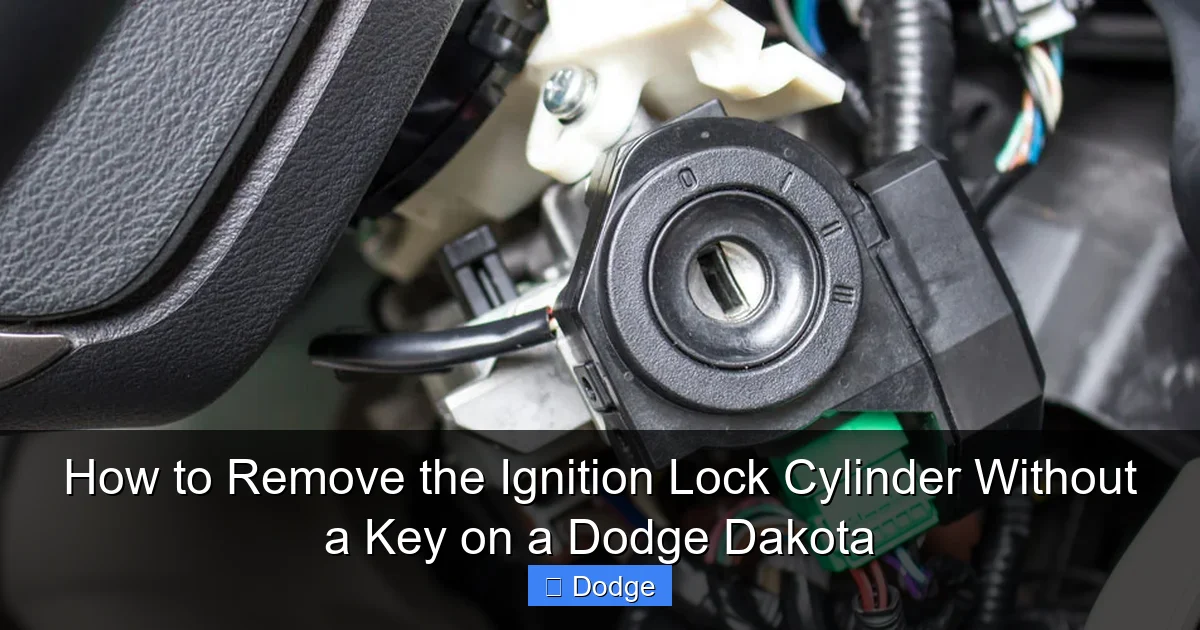
The ignition lock cylinder is the mechanical component inside the steering column that accepts your key and allows you to turn the ignition switch. When you insert and turn the key, it rotates internal tumblers that align with the correct cut pattern, sending a signal to the vehicle’s electrical system to start the engine. In most Dodge Dakotas, this cylinder is housed within a larger assembly that includes the ignition switch, steering lock, and sometimes anti-theft features like the Sentry Key Immobilizer System (SKIS) on newer models.
Visual guide about How to Remove the Ignition Lock Cylinder Without a Key on a Dodge Dakota
Image source: rubyholic.com
How It Works in the Dakota
In earlier Dakota models (pre-2000), the ignition cylinder is relatively straightforward. It’s a mechanical lock that directly engages the ignition switch. However, starting around 1998 and especially in 2005 and later models, Dodge began integrating electronic security systems. These systems require not only the correct physical key but also a programmed transponder chip inside the key. If the chip isn’t recognized, the engine won’t start—even if the key turns the cylinder.
This means that removing the cylinder without a key isn’t just about physical access; it may also involve bypassing or reprogramming the immobilizer. But for the purpose of this guide, we’re focusing on the mechanical removal process. Once the cylinder is out, you can either install a new one with a matching key or have a locksmith rekey it to your existing key.
Common Reasons for Removal
- Lost or broken key: The most common reason. If you can’t get a replacement key made quickly, removing the cylinder may be the fastest solution.
- Worn-out cylinder: Over time, the internal tumblers can wear down, making it difficult to turn the key—or impossible if the key breaks off inside.
- Stuck ignition: Sometimes the cylinder gets jammed due to dirt, debris, or internal damage.
- Theft or vandalism: If someone has tampered with your ignition, you may need to replace the entire cylinder.
- Upgrading or customizing: Some owners remove the cylinder to install aftermarket ignition systems or steering wheels.
Understanding these scenarios helps you assess whether removal is the best option. In many cases, it’s a temporary fix until you can get a proper key made or replace the entire ignition assembly.
Tools and Safety Precautions You’ll Need
Essential Tools for the Job
Before you begin, gather the following tools. Having everything ready will make the process smoother and reduce the risk of mistakes.
Visual guide about How to Remove the Ignition Lock Cylinder Without a Key on a Dodge Dakota
Image source: ballisticparts.com
- Drill with 1/8-inch and 3/16-inch bits: Used to drill out the retaining pin or tumblers.
- Punch or nail set: Helps drive out pins or break internal components.
- Flathead and Phillips screwdrivers: For removing trim panels and screws.
- Needle-nose pliers: Useful for gripping small parts.
- Safety glasses and gloves: Protect your eyes and hands from metal shavings and sharp edges.
- Flashlight or work light: The steering column area is tight and poorly lit.
- Socket wrench set: May be needed to remove steering column covers.
- Replacement ignition cylinder: Have this ready so you can install it immediately after removal.
Safety First: What You Must Do Before Starting
Safety cannot be overstated. The ignition system is connected to the vehicle’s electrical and airbag systems, so improper handling can lead to injury or expensive damage.
- Disconnect the battery: Always disconnect the negative terminal of the battery before working on the ignition. This prevents accidental airbag deployment and electrical shorts. Wait at least 15 minutes after disconnecting to allow capacitors to discharge.
- Work in a well-ventilated area: Drilling can produce metal dust and fumes. Avoid enclosed spaces.
- Wear protective gear: Safety glasses and gloves are non-negotiable. Metal shavings can fly during drilling.
- Keep children and pets away: This is not a project for unsupervised kids or curious animals.
- Have a fire extinguisher nearby: While unlikely, sparks from drilling near wiring could pose a fire risk.
Tips to Avoid Common Mistakes
Even experienced DIYers can make errors. Here are some tips to keep you on track:
- Don’t force anything: If a screw won’t turn or a panel won’t come off, double-check for hidden fasteners. Forcing it can strip screws or crack plastic.
- Label wires and parts: Take photos or use tape to mark connectors before disconnecting them. This makes reassembly much easier.
- Work slowly: Rushing increases the chance of mistakes. Take your time, especially when drilling.
- Use the right drill bit size: Too large, and you risk damaging the cylinder housing. Too small, and you won’t break the retaining mechanism.
- Test fit the new cylinder: Before final installation, make sure the replacement fits properly and turns smoothly.
Step-by-Step Guide to Removing the Ignition Lock Cylinder
Step 1: Prepare the Vehicle
Start by parking your Dakota on a flat surface and engaging the parking brake. Turn off the engine and remove the key if it’s still present. Open the hood and disconnect the negative battery cable using a wrench. Tuck the cable away so it doesn’t accidentally touch the terminal. Wait at least 15 minutes to ensure the airbag system is fully deactivated.
Visual guide about How to Remove the Ignition Lock Cylinder Without a Key on a Dodge Dakota
Image source: i.ytimg.com
Next, lower the steering wheel (if adjustable) to give yourself more room to work. You may also want to place a towel or mat on the driver’s side floor to catch any dropped screws or parts.
Step 2: Remove the Steering Column Covers
The ignition cylinder is housed beneath the upper and lower steering column covers. These are typically held in place by Phillips-head screws. Use your screwdriver to remove them carefully. Some models may have Torx screws, so check your Dakota’s year and trim level.
Once the screws are out, gently pry the upper and lower covers apart. Start from the sides and work your way around. Be careful not to snap the plastic clips. If they break, you can usually find replacements at an auto parts store. Set the covers aside in a safe place.
Step 3: Locate the Ignition Lock Cylinder
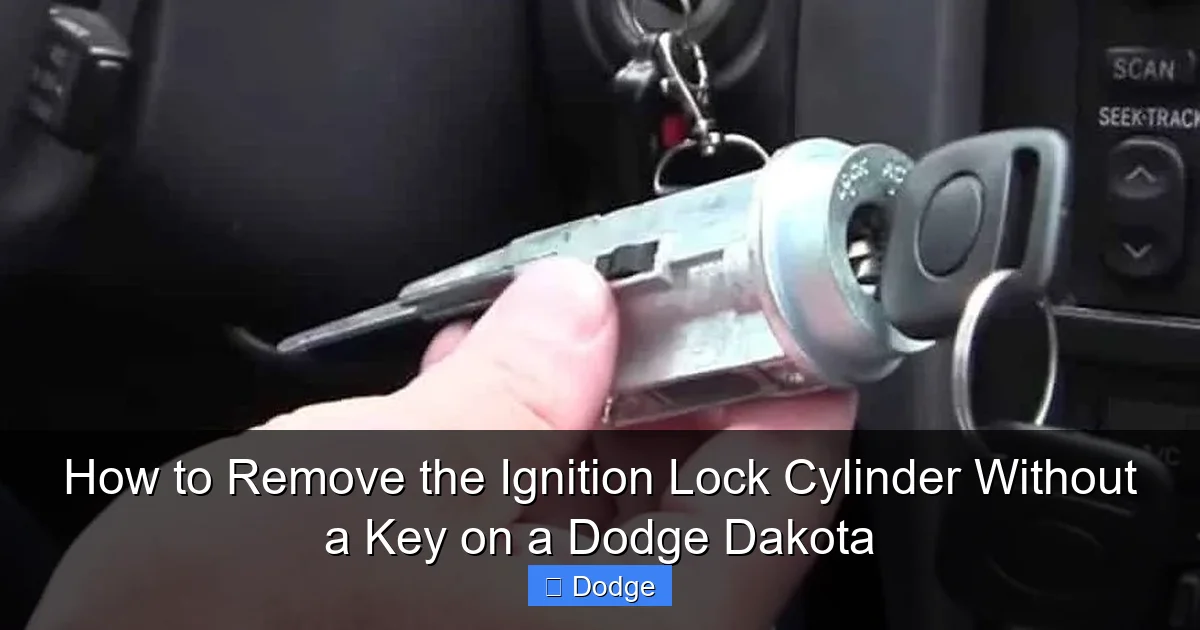
With the covers removed, you’ll see the ignition cylinder protruding from the side of the steering column. It’s usually held in place by a retaining pin or a spring-loaded mechanism. On many Dakotas, there’s a small hole near the base of the cylinder—this is where you’ll insert your drill bit.
Look for a metal tab or pin that secures the cylinder. This is the key to removing it. If you can see it, great. If not, refer to your vehicle’s service manual or online diagrams for your specific model year.
Step 4: Drill Out the Retaining Pin
This is the most critical step—and the one that requires the most precision. The goal is to drill through the retaining pin without damaging the surrounding components.
Put on your safety glasses and gloves. Insert a 1/8-inch drill bit into your drill. Position the bit directly over the small hole near the base of the cylinder. Drill straight in, applying steady, gentle pressure. You only need to go about 1/4 to 1/2 inch deep—just enough to break the pin.
Once the pin is drilled, switch to a 3/16-inch bit and drill a little deeper to ensure the pin is fully destroyed. You should hear a slight change in sound when the bit hits the pin. Be patient. Rushing can cause the bit to wander and damage the ignition switch or wiring.
Step 5: Remove the Cylinder
After drilling, the cylinder should be loose. Try turning the key (if you have a spare) or use needle-nose pliers to gently wiggle and pull the cylinder out. If it doesn’t come out easily, tap it lightly with a punch and hammer to break any remaining resistance.
Be careful not to damage the ignition switch behind the cylinder. If the cylinder is stuck, double-check that the pin is fully drilled. Sometimes a second pass with the drill is needed.
Step 6: Inspect and Clean the Area
Once the cylinder is out, inspect the ignition switch and surrounding area for damage. Remove any metal shavings or debris with a vacuum or compressed air. Check the wiring for fraying or burns. If everything looks good, you’re ready to install the new cylinder.
Installing a New Ignition Lock Cylinder
Choosing the Right Replacement
Not all ignition cylinders are created equal. You’ll need one that matches your Dakota’s year, model, and trim. For example, a 2003 Dakota SLT may use a different cylinder than a 2003 Sport. Check your owner’s manual or consult an auto parts store with your VIN to ensure compatibility.
If your Dakota has a transponder system (common after 2000), you’ll need a cylinder that supports it—or you’ll need to have the new key programmed by a dealer or locksmith. Some aftermarket cylinders come with programmable keys, which can save time and money.
Installing the New Cylinder
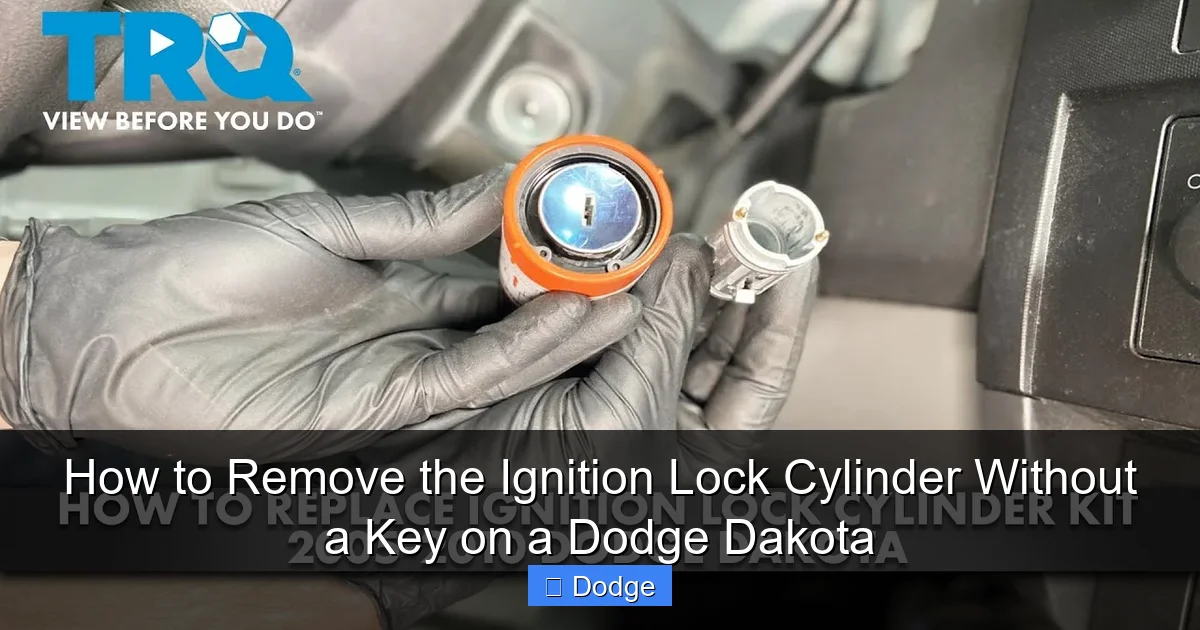
Insert the new cylinder into the ignition switch. It should slide in smoothly. If it doesn’t, don’t force it—check for alignment issues or debris.
Once inserted, turn the key to the “ON” position to test it. The dashboard lights should come on, and the steering wheel should unlock. If everything works, reassemble the steering column covers and reconnect the battery.
Test the full ignition cycle: OFF, ACC, ON, START. Make sure the engine cranks and starts properly. If it doesn’t, double-check the wiring and cylinder installation.
Rekeying and Programming
If you’re using a new key, you may need to have it programmed. This is especially true for models with SKIS. A locksmith or dealership can do this quickly. Alternatively, some auto parts stores offer key-cutting and programming services on-site.
If you want to rekey the cylinder to match an existing key, a locksmith can disassemble the new cylinder and swap out the tumblers. This is a cost-effective way to avoid carrying multiple keys.
Alternative Methods and When to Call a Professional
Prying Method (For Some Older Models)
On very early Dakotas (pre-1995), some owners have successfully removed the cylinder by prying it out with a flathead screwdriver. This involves inserting the screwdriver into the gap between the cylinder and the housing and gently twisting to break the retaining clip. However, this method is risky and can damage the steering column. Use it only if drilling isn’t an option and you’re confident in your skills.
Using a Key Code
If you have the key code (often found in your owner’s manual or on a card in the glove box), you can order a replacement key from a locksmith without removing the cylinder. This is the safest and least invasive method. However, not all Dakotas have accessible key codes, especially older models.
When to Call a Professional
Despite your best efforts, some situations call for expert help. Consider calling a locksmith or mechanic if:
- You’re uncomfortable drilling into your vehicle.
- The cylinder is severely damaged or rusted.
- You have a newer Dakota with complex anti-theft systems.
- You’ve tried and failed to remove the cylinder.
- You notice electrical issues after removal.
Professionals have specialized tools and experience to handle these jobs quickly and safely. While it may cost $100–$300, it’s often worth it to avoid costly mistakes.
Conclusion: Taking Control of Your Dakota’s Ignition
Removing the ignition lock cylinder without a key on a Dodge Dakota might sound intimidating, but with the right approach, it’s a manageable task for most DIYers. By understanding how the system works, gathering the proper tools, and following safety precautions, you can regain access to your truck without calling a tow truck or visiting the dealership.
Remember, the goal isn’t just to remove the cylinder—it’s to restore your vehicle’s functionality safely and efficiently. Whether you’re dealing with a lost key, a broken cylinder, or a stuck ignition, this guide gives you the knowledge and confidence to tackle the job. And if things get too complicated, don’t hesitate to seek professional help. Your safety and your truck’s integrity are always the top priorities.
Frequently Asked Questions
Can I remove the ignition cylinder without drilling?
Yes, on some older Dodge Dakotas, you may be able to pry out the cylinder using a flathead screwdriver, but this method is risky and can damage the steering column. Drilling is the most reliable and widely recommended method.
Will removing the cylinder disable the airbag?
No, but you must disconnect the battery before starting to prevent accidental airbag deployment. Always wait at least 15 minutes after disconnecting the battery before working near the steering column.
Can I use any replacement cylinder?
No, you need a cylinder that matches your Dakota’s year, model, and trim. For vehicles with transponder systems, the replacement must also support electronic key programming.
How long does it take to remove the ignition cylinder?
For a first-timer, the process typically takes 1–2 hours, including preparation, removal, and cleanup. Experienced DIYers may complete it in under an hour.
What if I drill too deep?
Drilling too deep can damage the ignition switch or wiring. Use short drill bits and go slowly. Stop once the retaining pin is broken—usually after 1/2 inch or less.
Can a locksmith help with this?
Absolutely. A professional locksmith can remove the cylinder, rekey it, or program a new key, often faster and safer than doing it yourself.
