
Why Is My Subaru Outback Beeping?

If your Subaru Outback is beeping, it’s likely a safety or system alert—not a malfunction. From door ajar warnings to low tire pressure, these sounds are designed to keep you safe. Understanding what each beep means can save you time, stress, and unnecessary trips to the dealer.
Key Takeaways
- Door or trunk not fully closed: A common cause of beeping is an improperly latched door, hatch, or fuel door—always double-check before driving.
- Seat belt reminder: The Outback beeps if the driver or passenger isn’t buckled up, especially when the car is in motion or started.
- Key fob left in the car: If you exit with the key fob inside, the car will beep to prevent you from locking it accidentally.
- Low tire pressure: The Tire Pressure Monitoring System (TPMS) triggers beeps and dashboard warnings when tire pressure drops below safe levels.
- Proximity or blind spot alerts: Advanced safety features like Rear Cross-Traffic Alert or Blind Spot Detection emit beeps when vehicles are nearby.
- Low fuel or maintenance reminders: Beeps may signal it’s time to refuel or schedule routine service like oil changes.
- Electrical or sensor glitches: Occasionally, software bugs or faulty sensors cause false alarms—resetting the system often helps.
📑 Table of Contents
- Why Is My Subaru Outback Beeping? A Complete Guide to Understanding the Sounds
- Common Causes of Subaru Outback Beeping
- Safety and Driver Assistance Features That Cause Beeping
- Maintenance and Warning System Beeps
- When Beeping Might Indicate a Problem
- How to Stop or Prevent Unwanted Beeping
- Conclusion
Why Is My Subaru Outback Beeping? A Complete Guide to Understanding the Sounds
You’re cruising down the highway in your trusty Subaru Outback, enjoying the smooth ride and panoramic view through the large windows. Then—*beep, beep, beep!*—your car starts making noise for no apparent reason. You glance around. Doors are closed. Seat belt is on. Gas tank is half full. So why is your Subaru Outback beeping?
Don’t panic. In most cases, that beeping isn’t a sign of trouble—it’s your Outback trying to talk to you. Subaru vehicles, especially the Outback, are packed with advanced safety and convenience features designed to protect you and your passengers. These systems use audible alerts—beeps, chimes, and tones—to notify you of everything from an open door to a nearby vehicle in your blind spot.
But with so many possible triggers, it can be confusing to figure out what your car is trying to say. Is it urgent? Can you ignore it? Should you pull over? This guide will walk you through the most common reasons your Subaru Outback is beeping, what each sound means, and how to fix it—often without a trip to the dealership.
Whether you’re a new Outback owner or have been driving one for years, understanding these alerts can make your driving experience safer and less stressful. Let’s dive in and decode the sounds your car is making.
Common Causes of Subaru Outback Beeping

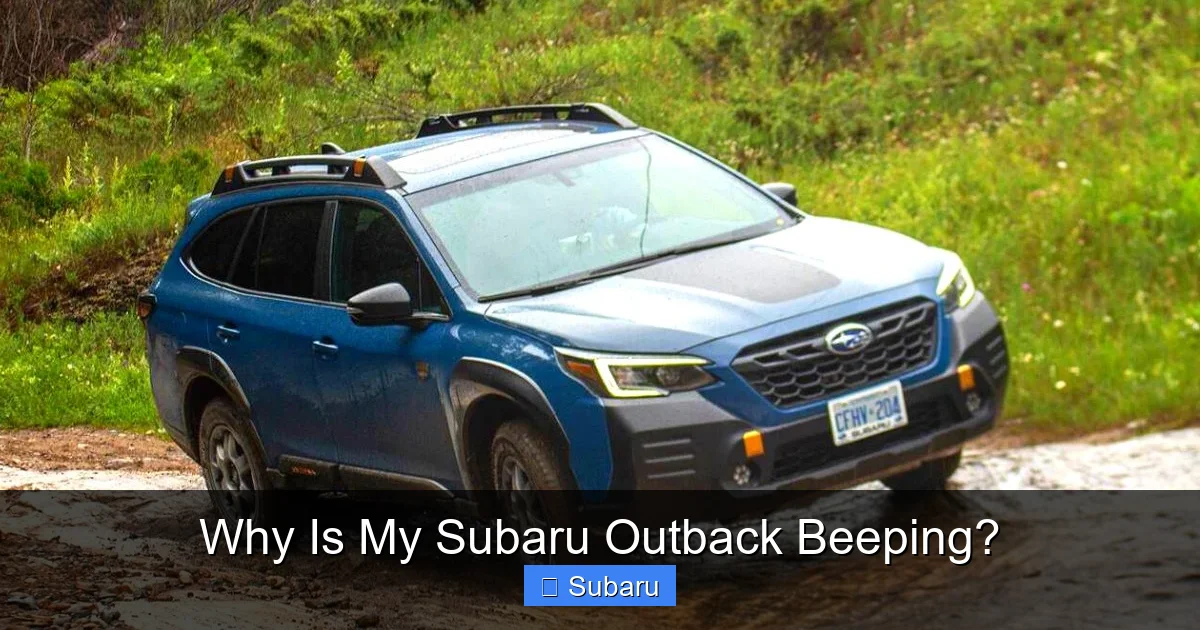
Visual guide about Why Is My Subaru Outback Beeping?
Image source: trucksauthority.com
The Subaru Outback uses a variety of beeps and chimes to communicate with the driver. These sounds are part of the vehicle’s integrated safety and convenience systems. While they can seem alarming at first, most are designed to prevent accidents or remind you of simple tasks. Below are the most frequent causes of beeping in the Outback.
1. Door, Hatch, or Fuel Door Not Fully Closed
One of the most common reasons your Outback beeps is because a door isn’t fully shut. This includes the driver and passenger doors, the rear hatch, and even the fuel filler door. The car’s sensors detect when a door is ajar and will emit a continuous or intermittent beep until it’s properly closed.
For example, if you’ve just loaded groceries into the cargo area and didn’t push the hatch all the way down, the car will beep when you start driving. Similarly, if the fuel door is left open after refueling, the beeping will persist until it’s securely latched.
Tip: Always double-check all doors and the hatch before driving. If the beeping starts while you’re on the road, safely pull over and inspect each door. Sometimes, dirt or debris can prevent a door from sealing properly.
2. Seat Belt Reminder Alert
The seat belt reminder system is designed to encourage safe driving habits. If the driver or front passenger isn’t wearing a seat belt when the car is started or begins moving, the Outback will emit a series of beeps—usually for about 90 seconds or until the belt is fastened.
This feature is especially active in newer models and is part of Subaru’s commitment to safety. The beeping may start softly and increase in intensity if the belt remains unfastened.
Pro Tip: If you’re alone and the passenger seat sensor detects weight (like a heavy bag), the car may still beep. To stop it, either fasten the seat belt or remove the object from the seat.
3. Key Fob Left Inside the Vehicle
Have you ever walked away from your Outback only to hear it beeping behind you? This usually means you’ve left the key fob inside the car. Subaru’s keyless entry system is designed to prevent accidental lockouts. If the fob is detected inside the vehicle when you try to lock it from the outside, the car will beep repeatedly to alert you.
This is a helpful feature, especially if you’re prone to forgetting your keys. However, it can be confusing if you’re not expecting it. The beeping will stop once you either remove the fob or unlock the car.
Quick Fix: Always check that your key fob is with you before locking the car. If you use a keyless fob, consider keeping it in a designated spot in your bag or pocket.
4. Low Tire Pressure Warning
The Tire Pressure Monitoring System (TPMS) in your Outback monitors the air pressure in all four tires. If one or more tires drop below the recommended level—typically 25–30 PSI for most Outback models—the system will trigger a warning light on the dashboard and may also emit a beep.
Low tire pressure can reduce fuel efficiency, affect handling, and increase the risk of a blowout. The beeping is your car’s way of saying, “Check your tires!”
Action Step: Use a tire pressure gauge to check all tires, including the spare. Inflate them to the recommended level, which is usually listed on a sticker inside the driver’s door jamb. After adjusting, the beeping should stop. If it continues, there may be a slow leak or a faulty sensor.
5. Proximity and Blind Spot Alerts
The Outback comes equipped with advanced driver-assistance systems (ADAS), including Rear Cross-Traffic Alert (RCTA) and Blind Spot Detection (BSD). These systems use sensors and cameras to monitor your surroundings and will beep if they detect a vehicle in your blind spot or approaching from the side when you’re reversing.
For example, when backing out of a parking spot, the RCTA system may beep if a car is approaching from the left or right. Similarly, if you signal to change lanes and there’s a vehicle in your blind spot, the BSD system will beep and may flash a warning light on the side mirror.
Safety Note: These beeps are not malfunctions—they’re working as intended. Always check your mirrors and blind spots, even if the system doesn’t beep. The sensors can sometimes miss motorcycles, bicycles, or vehicles in heavy rain or snow.
Safety and Driver Assistance Features That Cause Beeping
Visual guide about Why Is My Subaru Outback Beeping?
Image source: automasterx.com
Subaru is known for its commitment to safety, and the Outback is loaded with features that help prevent accidents. Many of these systems use audible alerts to get your attention. While they can seem intrusive at times, they’re designed to protect you and others on the road.
EyeSight Driver Assist Technology
The EyeSight system, available on most modern Outbacks, uses dual cameras mounted near the rearview mirror to monitor traffic conditions. It includes features like Adaptive Cruise Control, Pre-Collision Braking, and Lane Departure Warning.
If the system detects that you’re drifting out of your lane without signaling, it will emit a soft beep and display a warning on the dashboard. Similarly, if it senses an imminent collision, it may beep rapidly and apply the brakes automatically.
Example: You’re driving on a long highway stretch and start to drift slightly due to fatigue. The EyeSight system beeps to alert you, giving you time to correct your course. This could prevent a serious accident.
Tip: Keep the windshield clean and free of obstructions near the camera area. Dirt, snow, or stickers can interfere with EyeSight’s performance and cause false alerts.
Rear Cross-Traffic Alert (RCTA)
When you shift into reverse, the RCTA system activates and scans for vehicles approaching from the sides. If it detects one, it will beep and display a warning on the infotainment screen or side mirrors.
This is especially useful in parking lots or driveways where visibility is limited. The beeping increases in frequency as the approaching vehicle gets closer.
Real-Life Scenario: You’re backing out of a grocery store parking spot. A car is speeding down the aisle behind you. The RCTA system beeps loudly, giving you time to stop and avoid a collision.
Blind Spot Detection (BSD)
The BSD system uses radar sensors in the rear bumper to monitor your blind spots. When a vehicle is detected, a small icon lights up on the corresponding side mirror. If you signal to change lanes while a vehicle is in your blind spot, the system will beep and may flash the icon.
Note: The beeping only occurs when you activate the turn signal. If you change lanes without signaling, the system may not alert you.
Parking Sensors and Reverse Brake Assist
Some Outback models come with front and rear parking sensors. These emit a series of beeps that increase in frequency as you get closer to an obstacle. When the beeping becomes continuous, you’re very close to hitting something.
Reverse Brake Assist takes this a step further by automatically applying the brakes if it detects an imminent collision while reversing.
Tip: Don’t rely solely on the beeps. Always look over your shoulder and use your mirrors. Sensors can miss low objects, pets, or children.
Maintenance and Warning System Beeps
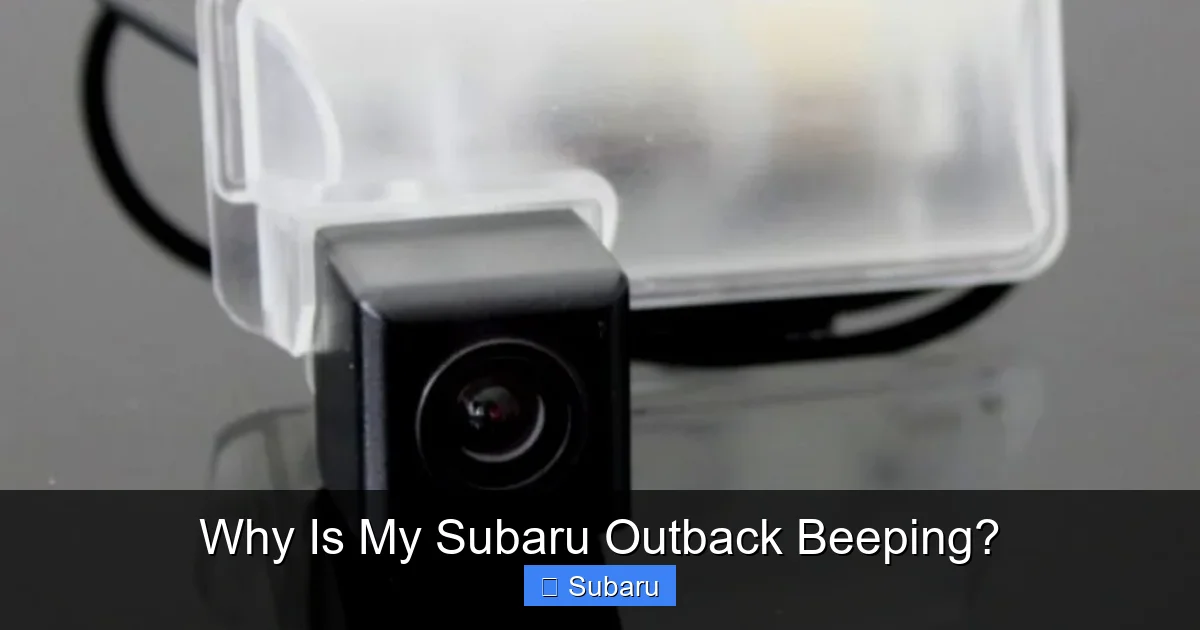
Visual guide about Why Is My Subaru Outback Beeping?
Image source: automasterx.com
Your Subaru Outback also uses beeps to remind you of routine maintenance and potential issues. These alerts are part of the vehicle’s onboard diagnostics and are designed to keep your car running smoothly.
Low Fuel Warning
When your fuel level drops to a certain point—usually around 1–2 gallons remaining—the Outback will beep and display a warning light. This is your cue to find a gas station soon.
Example: You’re on a road trip and notice the fuel light is on. A few minutes later, the car beeps once to remind you. It’s easy to ignore if you’re distracted, but don’t wait too long—running out of gas can damage the fuel pump.
Maintenance Reminder
Subaru vehicles often have a maintenance reminder system that tracks mileage and time since the last service. When it’s time for an oil change, tire rotation, or other service, the car may beep and display a message like “Service Due” on the dashboard.
Action Step: Check your owner’s manual for the recommended service schedule. Ignoring these reminders can lead to reduced performance and higher repair costs.
Battery or Electrical System Alerts
If there’s an issue with the battery, alternator, or electrical system, the Outback may emit a series of beeps along with a warning light. This could indicate a failing battery, loose connection, or alternator problem.
Warning: Electrical issues can lead to a dead battery or failure to start. If you hear unusual beeping accompanied by dim lights or slow engine cranking, have your vehicle inspected immediately.
Door Ajar or Trunk Open While Driving
If you start driving with the rear hatch or a door slightly open, the car will beep continuously until it’s closed. This is a safety feature to prevent accidents or loss of cargo.
Tip: If the beeping starts while driving, safely pull over and check all doors and the hatch. Sometimes, the latch may appear closed but isn’t fully engaged.
When Beeping Might Indicate a Problem
While most beeping in the Outback is normal, there are times when it could signal a real issue. Here’s how to tell the difference.
Unusual or Continuous Beeping
If your Outback is beeping in a pattern you’ve never heard before—especially if it’s continuous, loud, or accompanied by warning lights—it’s time to investigate. This could indicate a malfunction in a sensor, electrical issue, or system failure.
For example, a constant beep with the “Check Engine” light could mean a serious problem with the engine or emissions system.
What to Do: Pull over safely, turn off the engine, and consult your owner’s manual. If the issue persists, contact a Subaru service center.
Beeping After a Recent Repair or Battery Replacement
After replacing the battery or performing certain repairs, the car’s systems may need to be reset. This can cause temporary beeping as sensors recalibrate.
Solution: Drive the car for 10–15 minutes to allow the systems to reset. If beeping continues, a dealer may need to perform a system reset using diagnostic tools.
Faulty Sensors or Software Glitches
Over time, sensors can wear out or become dirty, leading to false alerts. Similarly, software bugs in the infotainment or safety systems can cause erratic beeping.
Example: The blind spot detection system beeps even when no cars are nearby. This could be due to a dirty sensor or a software glitch.
Fix: Clean the sensors with a soft cloth and mild cleaner. If the problem persists, a software update from a Subaru dealer may be needed.
How to Stop or Prevent Unwanted Beeping
If your Outback is beeping and you’ve ruled out safety issues, here are some steps you can take to stop or prevent it.
Check All Doors and Latches
Start by inspecting every door, the rear hatch, and the fuel door. Make sure they’re fully closed and latched. Sometimes, a door may look closed but isn’t secure.
Pro Tip: Try opening and closing each door firmly. Listen for a solid “click” to confirm it’s latched.
Fasten All Seat Belts
Ensure that all occupants are wearing their seat belts. If you’re driving alone, check that nothing heavy is on the passenger seat that might trigger the sensor.
Remove the Key Fob from the Car
If you’ve exited the vehicle and it’s still beeping, check that the key fob isn’t inside. Move it to your pocket or bag and try locking the car again.
Check Tire Pressure
Use a tire pressure gauge to check all four tires. Inflate them to the recommended PSI. After driving a few miles, the TPMS warning should reset.
Reset the System
Sometimes, a simple reset can fix the issue. Turn the ignition to “On” (but don’t start the engine), wait 10 seconds, then turn it off. Repeat this process three times. This can reset certain electronic systems.
Consult the Owner’s Manual
Your Subaru Outback owner’s manual contains detailed information about all warning sounds and lights. It’s the best resource for understanding what each beep means.
Visit a Subaru Service Center
If the beeping persists and you can’t identify the cause, it’s time to see a professional. Subaru technicians have the tools and expertise to diagnose and fix complex issues.
Conclusion
The beeping in your Subaru Outback is rarely a cause for alarm. In most cases, it’s your car’s way of keeping you safe and informed. From reminding you to buckle up to warning you of a nearby vehicle, these alerts are part of Subaru’s advanced safety philosophy.
By understanding the common causes—like open doors, low tire pressure, or key fob left inside—you can quickly address the issue and get back to enjoying your drive. And when the beeping is due to a real problem, knowing what to look for can help you take action before it becomes serious.
Remember, your Outback is designed to protect you. So the next time you hear that familiar beep, don’t ignore it—listen to what your car is trying to tell you.
Frequently Asked Questions
Why is my Subaru Outback beeping when I start the car?
This is usually the seat belt reminder or a door ajar alert. Check that all doors are closed and that you’re wearing your seat belt. If the beeping continues, consult your owner’s manual.
Can I disable the beeping in my Subaru Outback?
Some beeps, like the seat belt reminder, can be disabled through the vehicle settings menu. However, safety-related alerts like blind spot warnings cannot be turned off for legal and safety reasons.
Why does my Outback beep when I’m reversing?
This is likely the Rear Cross-Traffic Alert or parking sensors detecting an obstacle. The beeping increases as you get closer to the object. Always check your surroundings visually.
What does it mean if my Outback beeps three times?
A series of three beeps often indicates a door is not fully closed or the key fob is inside the car. Check all latches and ensure the fob is with you.
Is it safe to drive if my Outback is beeping?
In most cases, yes—especially if it’s a reminder like low tire pressure or an open door. However, if the beeping is accompanied by warning lights or unusual behavior, have it checked immediately.
Why is my Outback beeping after I replaced the battery?
After a battery replacement, some systems may need time to recalibrate. Drive the car for 10–15 minutes. If beeping persists, a dealer may need to reset the systems.
