When Will Toyota Redesign the Rav4?

Contents
- 1 Key Takeaways
- 2 When Will Toyota Redesign the RAV4? A Deep Dive into the Future of the Best-Selling SUV
- 3 Understanding Toyota’s Model Refresh Cycle
- 4 What to Expect from the Next-Generation RAV4 Design
- 5 Powertrain and Performance: Electrification Takes Center Stage
- 6 Technology and Safety: The Smart SUV of the Future
- 7 Market Competition and Consumer Expectations
- 8 Conclusion: The Wait Is Almost Over
- 9 Frequently Asked Questions

Car Paint Touch Up Pen

Car Mud Flaps (Universal)

Magnetic Car Phone Mount

Octane Booster
The Toyota RAV4 is expected to receive a full redesign around 2025 or 2026, based on Toyota’s typical 5–7 year model cycle. While the current fifth-generation RAV4 (introduced in 2018) remains popular, spy shots and industry trends suggest a major overhaul is on the horizon with bolder styling, enhanced hybrid systems, and next-gen tech.
This is a comprehensive guide about When Will Toyota Redesign the RAV4?.
Key Takeaways
- Expected Redesign Timeline: The next-generation RAV4 is likely to debut in late 2025 or early 2026, aligning with Toyota’s standard model refresh cycle.
- Design Evolution: Expect a more rugged, modern exterior inspired by the Toyota bZ4X and Tacoma, with sharper lines and LED lighting.
- Hybrid and EV Focus: Toyota will likely expand hybrid options and possibly introduce a plug-in hybrid or fully electric RAV4 variant.
- Interior and Tech Upgrades: A redesigned cabin with a larger touchscreen, digital instrument cluster, and improved materials is anticipated.
- Safety and Driver Assistance: The new RAV4 will likely feature Toyota Safety Sense 3.0 or higher, with enhanced autonomous driving capabilities.
- Platform and Performance: Built on an updated TNGA-K platform for better handling, efficiency, and ride comfort.
- Market Competition: The redesign aims to keep the RAV4 competitive against rivals like the Honda CR-V, Mazda CX-5, and Hyundai Tucson.
[FEATURED_IMAGE_PLACEHOLDER]
When Will Toyota Redesign the RAV4? A Deep Dive into the Future of the Best-Selling SUV
If you’re a fan of the Toyota RAV4—or even if you’re just casually browsing the compact SUV market—you’ve probably wondered: *When will Toyota redesign the RAV4?* It’s a fair question. The RAV4 has been a dominant force in the automotive world for years, consistently ranking as one of the best-selling vehicles in the U.S. and globally. But like any popular model, it can’t stay the same forever. Eventually, it needs a refresh—or better yet, a full redesign—to keep up with evolving consumer demands, new technology, and stiff competition.
The current fifth-generation RAV4, which hit the market in 2018, has aged remarkably well. It brought bold new styling, improved fuel efficiency, and a strong emphasis on hybrid powertrains. But as we move deeper into the 2020s, the automotive landscape is shifting rapidly. Electric vehicles (EVs) are gaining traction, infotainment systems are becoming more advanced, and safety features are evolving at lightning speed. So, it’s only natural to ask: Is the RAV4 due for a major update?
The short answer? Yes—and it’s likely coming sooner than you think.
While Toyota hasn’t officially announced a redesign date, industry patterns, spy photos, and insider reports all point to a new RAV4 arriving around 2025 or 2026. That would put it right on schedule with Toyota’s typical 5- to 7-year model cycle. And when it does arrive, expect big changes—not just under the hood, but in design, technology, and even the way you interact with your vehicle.
In this article, we’ll explore everything you need to know about the upcoming RAV4 redesign. From expected timelines and design cues to powertrain options and tech upgrades, we’ll break down what’s coming and why it matters. Whether you’re planning to buy a new RAV4 soon or just curious about the future of this iconic SUV, you’re in the right place.
Understanding Toyota’s Model Refresh Cycle
To predict when Toyota will redesign the RAV4, it helps to understand how the automaker approaches model updates. Unlike some brands that refresh vehicles every two or three years, Toyota tends to follow a more conservative schedule. Most of its popular models—like the Camry, Corolla, and Highlander—go through a full redesign every five to seven years. In between, they receive mid-cycle refreshes that include minor styling tweaks, updated tech, and sometimes new engine options.
The current RAV4, known internally as the AXAH54 series, was introduced in 2018 for the 2019 model year. That means it’s already been on the market for over five years. While it received a significant refresh in 2023—with updated front and rear styling, a new infotainment system, and improved safety features—that was still just a mid-cycle update, not a full redesign.
So, if we follow Toyota’s pattern, a full redesign should be just around the corner. Historically, Toyota has launched new generations of the RAV4 in the following years:
– 1st Gen: 1994–2000
– 2nd Gen: 2001–2005
– 3rd Gen: 2006–2012
– 4th Gen: 2013–2018
– 5th Gen: 2019–present
As you can see, the average gap between redesigns is about 5 to 6 years. That puts the next redesign squarely in the 2025–2026 window.
But it’s not just about timing. Toyota also considers market trends, consumer feedback, and technological advancements when planning a redesign. And right now, all signs point to a major evolution for the RAV4.
Why 2025–2026 Makes Sense
There are several reasons why 2025 or 2026 is the most likely timeframe for the RAV4 redesign. First, the current model is starting to show its age in certain areas. While it still offers excellent reliability and fuel economy, competitors like the Honda CR-V and Mazda CX-5 have introduced more modern interiors and advanced driver-assistance systems. To maintain its leadership, Toyota needs to step up its game.
Second, the global push toward electrification is accelerating. Governments around the world are setting deadlines for phasing out internal combustion engines, and automakers are responding with more hybrid, plug-in hybrid, and fully electric models. Toyota, which has been slower than some rivals to embrace full EVs, is now playing catch-up. The next RAV4 will likely reflect this shift, with a stronger focus on electrified powertrains.
Finally, spy shots of camouflaged RAV4 prototypes have been spotted testing on public roads since early 2023. These vehicles show clear design differences from the current model—including a more angular front end, revised headlights, and a higher ride height. While Toyota hasn’t confirmed these are pre-production models of the next-gen RAV4, the timing and design cues strongly suggest they are.
What to Expect from the Next-Generation RAV4 Design
When Toyota finally unveils the redesigned RAV4, one of the first things you’ll notice is the exterior. The current model already has a bold, adventurous look—especially in the TRD Off-Road and Adventure trims—but the next generation is expected to take that ruggedness to the next level.
Exterior Styling: Rugged Meets Modern
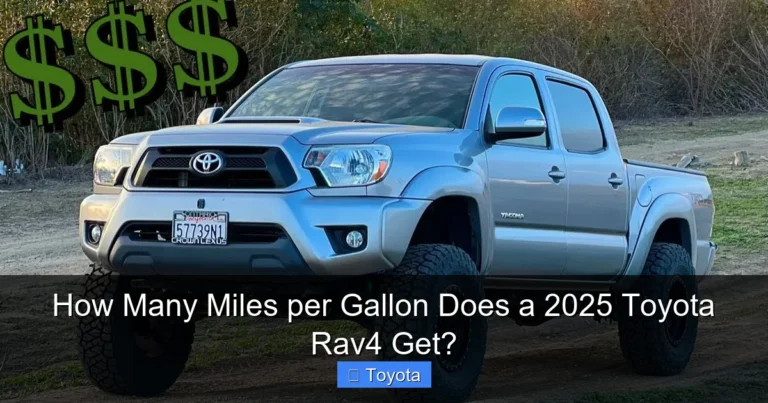
Expect the new RAV4 to draw inspiration from Toyota’s newer design language, particularly the bZ4X electric SUV and the latest Tacoma pickup. That means sharper body lines, a more aggressive front grille, and LED lighting elements that wrap around the headlights and taillights. The overall silhouette will likely remain familiar—compact, upright, and practical—but with a more muscular stance.
One of the most noticeable changes could be the wheel arches. The current RAV4 already has flared fenders, but the next-gen model might go even wider, giving it a more planted, off-road-ready appearance. This would align with Toyota’s growing emphasis on adventure-oriented trims, like the Trail Edition and TRD Off-Road.
Another possibility? A two-row and three-row version. While the current RAV4 is strictly a five-seater, rumors suggest Toyota might introduce a longer-wheelbase variant to compete with midsize SUVs like the Honda Pilot or Toyota’s own Highlander. This would give families more interior space and cargo room, especially if they need seating for seven.
Interior: A Tech-Forward Cabin
Inside, the new RAV4 is expected to undergo a significant transformation. The current model’s interior is functional and well-built, but it lacks the premium feel of some competitors. The next generation should close that gap with higher-quality materials, softer-touch surfaces, and a more cohesive design.
One of the biggest upgrades will likely be the infotainment system. The 2023 refresh introduced an 8-inch touchscreen (or 10.5-inch on higher trims), but the new RAV4 could go even bigger—possibly up to 12 inches—with a more responsive interface and wireless Apple CarPlay and Android Auto.
We may also see a fully digital instrument cluster, replacing the current analog-digital hybrid setup. This would give drivers more customization options and better integration with navigation and safety systems.
Another area of improvement? Storage and practicality. The RAV4 has always been praised for its clever storage solutions, like the dual-level glove box and center console. The redesign could expand on these features, adding more USB-C ports, wireless charging pads, and even a built-in vacuum or cooler in higher trims.
Color and Trim Options
Toyota is known for offering a wide range of colors and trims, and the next RAV4 will likely continue that tradition. Expect new exterior colors—perhaps inspired by nature, like forest green or desert sand—to match the SUV’s adventurous image. Interior color schemes could also get an update, with more two-tone options and sustainable materials.
Trim levels may be restructured to better align with Toyota’s electrification strategy. For example, we might see a new “Hybrid Max” or “Plug-in Hybrid” trim that sits above the current Limited, offering more power and efficiency.
Powertrain and Performance: Electrification Takes Center Stage
Perhaps the most significant change in the next-generation RAV4 will be under the hood. Toyota has made it clear that electrification is the future, and the RAV4—already one of the brand’s most popular hybrids—will be at the forefront of this shift.
Hybrid and Plug-in Hybrid Options
The current RAV4 Hybrid already delivers impressive fuel economy—up to 40 mpg combined—and strong performance thanks to its 219-horsepower powertrain. But the next generation could take that even further.
Rumors suggest Toyota is developing a more powerful hybrid system, possibly dubbed “Hybrid Max,” which could produce over 250 horsepower. This would give the RAV4 more passing power and towing capability, making it more competitive with turbocharged rivals like the Ford Escape or Hyundai Tucson.
Even more exciting? A plug-in hybrid (PHEV) version. While the current RAV4 Prime already exists—and is a standout performer with 302 horsepower and 42 miles of electric range—the next-gen PHEV could offer even greater efficiency and range. Some estimates suggest up to 50 miles of electric-only driving, which would make it ideal for daily commutes and short trips.
A Fully Electric RAV4?
Here’s the big question: Will there be a fully electric RAV4? While Toyota has been slower to adopt full EVs compared to brands like Tesla or Hyundai, the company is now investing heavily in battery technology and electric platforms.
The next-generation RAV4 could be built on a flexible platform that supports hybrid, plug-in hybrid, and fully electric powertrains. This would allow Toyota to offer an all-electric RAV4 in markets where demand is high, such as California or Europe.
However, it’s unlikely that a full EV RAV4 will launch at the same time as the redesigned gas and hybrid models. More probable is a staggered rollout, with the electric version arriving a year or two later—similar to how the bZ4X followed the RAV4’s current generation.
That said, Toyota has hinted at a “multi-pathway” approach to electrification, meaning it will offer a range of options to meet different customer needs. So while a full EV RAV4 may not be immediate, it’s definitely on the roadmap.
Performance and Handling
Beyond powertrains, the new RAV4 is expected to offer improved ride and handling. The current model uses Toyota’s TNGA-K platform, which provides a good balance of comfort and agility. The next-gen RAV4 will likely use an updated version of this platform, with revised suspension tuning, better weight distribution, and enhanced all-wheel-drive systems.
For off-road enthusiasts, the TRD Off-Road and Adventure trims could get even more capable. Expect features like improved ground clearance, skid plates, and advanced terrain management systems—similar to what’s offered in the 4Runner and Tacoma.
Technology and Safety: The Smart SUV of the Future
Technology is a key battleground in the compact SUV segment, and the next-generation RAV4 won’t disappoint. Toyota is expected to pack the new model with cutting-edge features that enhance convenience, connectivity, and safety.
Infotainment and Connectivity
The new RAV4 will likely feature Toyota’s latest infotainment system, which includes cloud-based navigation, over-the-air (OTA) updates, and enhanced voice recognition. Imagine being able to start your car, adjust the climate, or check your battery level using a smartphone app—all seamlessly integrated.
We may also see the introduction of a head-up display (HUD), which projects key information onto the windshield so drivers can keep their eyes on the road. This feature is already available in luxury SUVs and could trickle down to mainstream models like the RAV4.
Toyota Safety Sense 3.0 and Beyond
Safety has always been a priority for Toyota, and the next RAV4 will continue that tradition. The current model comes standard with Toyota Safety Sense 2.5+, which includes features like adaptive cruise control, lane departure warning, and automatic emergency braking.
The redesigned RAV4 is expected to upgrade to Toyota Safety Sense 3.0 or higher, with improved sensors, better object detection, and more advanced driver-assistance features. This could include:
– Enhanced lane-keeping assist with hands-free capability on highways
– Intersection turn assist to prevent collisions when turning left
– Emergency steering assist to help avoid obstacles
– Improved blind-spot monitoring with rear cross-traffic alert
These features will not only make driving safer but could also pave the way for higher levels of autonomy in the future.
Digital Key and Biometric Access
Another exciting possibility? A digital key system that allows you to unlock and start the RAV4 using your smartphone. Some high-end models already offer this, and it’s only a matter of time before it becomes standard.
We might even see biometric access—like fingerprint or facial recognition—to personalize settings such as seat position, climate control, and favorite radio stations.
Market Competition and Consumer Expectations
The compact SUV market is more competitive than ever. The RAV4 faces stiff competition from the Honda CR-V, Mazda CX-5, Hyundai Tucson, Subaru Forester, and Ford Escape—all of which have received recent updates or redesigns.
To stay ahead, Toyota needs to deliver more than just reliability and fuel economy. Consumers now expect modern design, advanced tech, and strong performance—all at a competitive price.
How the RAV4 Stacks Up
Let’s compare the current RAV4 to its top rivals:
– Honda CR-V: Offers a more refined interior and better ride quality, but lags in hybrid performance.
– Mazda CX-5: Praised for its upscale cabin and driving dynamics, but less cargo space and no hybrid option.
– Hyundai Tucson: Features bold styling and a long warranty, but reliability concerns linger.
– Subaru Forester: Excellent off-road capability and standard AWD, but outdated infotainment.
The RAV4’s strengths—reliability, resale value, and hybrid efficiency—give it a strong edge. But the redesign will need to address areas where it falls short, such as interior materials and tech integration.
What Buyers Want
According to consumer surveys, the top priorities for compact SUV buyers are:
1. Fuel efficiency
2. Safety features
3. Interior space and comfort
4. Technology and infotainment
5. Reliability and resale value
The next-generation RAV4 is expected to excel in all these areas, especially with its focus on electrification and advanced safety systems.
Conclusion: The Wait Is Almost Over
So, when will Toyota redesign the RAV4? Based on historical patterns, industry trends, and emerging evidence, the answer is clear: late 2025 or early 2026. While the current model remains a top choice for buyers, the next-generation RAV4 promises to be a game-changer.
With a bold new design, expanded hybrid and plug-in options, a tech-rich interior, and enhanced safety features, the redesigned RAV4 will be built for the future—while staying true to the reliability and practicality that made it a best-seller in the first place.
If you’re in the market for a new SUV, it might be worth waiting a little longer to see what Toyota has in store. But if you need a vehicle now, the current RAV4 is still an excellent choice—especially the hybrid and Prime models.
One thing’s for sure: The RAV4’s legacy is far from over. In fact, with this upcoming redesign, it’s about to enter its most exciting chapter yet.
Frequently Asked Questions
When is the Toyota RAV4 expected to be redesigned?
The next-generation Toyota RAV4 is expected to debut in late 2025 or early 2026, based on Toyota’s typical 5- to 7-year model cycle and recent spy sightings of prototype vehicles.
Will the new RAV4 be fully electric?
While a fully electric RAV4 is possible in the future, it’s more likely that the redesign will focus on hybrid and plug-in hybrid powertrains first, with a full EV version arriving later.
What design changes can we expect in the new RAV4?
Expect a more rugged exterior inspired by the bZ4X and Tacoma, with sharper lines, LED lighting, and possibly a longer-wheelbase three-row version for added space.
Will the new RAV4 have better fuel economy?
Yes, the next-gen RAV4 is expected to offer improved hybrid efficiency, with potential upgrades to the Hybrid Max system and a more powerful plug-in hybrid option.
What tech features will the redesigned RAV4 include?
Look for a larger touchscreen, digital instrument cluster, wireless connectivity, over-the-air updates, and advanced safety features like Toyota Safety Sense 3.0.
Should I wait for the new RAV4 or buy the current model?
If you need a vehicle now, the current RAV4—especially the hybrid or Prime—is still a great choice. But if you can wait, the redesigned model will offer significant upgrades in design, tech, and performance.