When To Replace Road Bike Helmet: Signs, Timeline & Tips

Contents
- 1 Signs it's time to replace your road bike helmet
- 2 How often to replace your road bike helmet: guidelines and timeline
- 3 What to do after crashes and impacts
- 4 How to extend helmet life and storage tips
- 5 Choosing a replacement: fit, safety standards, and upgrades
- 6 Maintenance and simple checks to do monthly
- 7 Common questions riders ask (PAA-style)
- 8 Frequently Asked Questions of when to replace road bike helmet
- 9 Conclusion



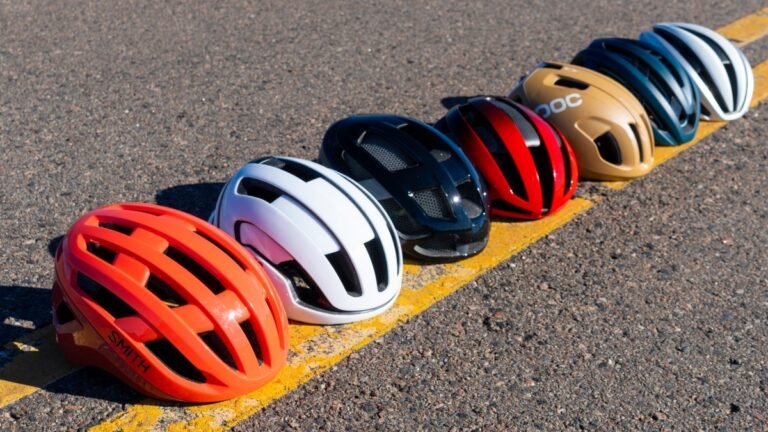
Replace your road bike helmet every 3–5 years or immediately after any crash or visible damage.
I’ve spent years fitting helmets for riders and testing gear on the road and in workshops. This guide explains clearly when to replace road bike helmet, why the timing matters, and how to spot damage or aging. Read on for practical checks, real-life examples, and simple rules you can use to keep your head safe every ride.

Signs it's time to replace your road bike helmet
A helmet may look fine on the outside but lose protective value over time. Knowing the common signs helps you decide when to replace road bike helmet without guesswork.
- Visible cracks in the EPS foam or outer shell mean immediate replacement.
- Compressed, dented, or soft foam near straps or vents is a red flag.
- Loose or broken retention systems, snapped straps, or frayed webbing reduce fit and safety.
- Significant odor that won’t go away may indicate breakdown of liner materials.
- Manufacturing labels that are unreadable can make age or model checks impossible.
Personal note: I once rode for months with a helmet that had a hairline crack hidden under a sticker. After a minor fall, the foam failed where the crack ran. That taught me to inspect helmets often and replace them promptly. When to replace road bike helmet becomes easy if you check these signs monthly.

How often to replace your road bike helmet: guidelines and timeline
Most helmet makers and safety organizations recommend a timeline. Use these as a baseline and adjust based on use and damage.
- Replace every 3 years if you ride daily or in tough conditions.
- Replace every 5 years if you ride casually and store your helmet properly.
- Replace immediately after any crash, even if no damage is visible.
- Replace sooner if you expose the helmet to heat, chemicals, or sunlight frequently.
Why this timeline? The EPS foam that absorbs impact slowly loses resilience. Glue and plastics can age, and straps weaken. From my experience, helmets in hot car trunks or left in sun get brittle faster. That’s when to replace road bike helmet moves from theory to practice.

What to do after crashes and impacts
Crashes compress foam and reduce a helmet’s ability to protect. Even low-speed hits can cause invisible internal damage.
- Stop using a helmet after any impact, hard or soft.
- Inspect the helmet closely: look for dents, cracks, or unusual gaps.
- If unsure, replace the helmet. It’s inexpensive compared to the risk.
I’ve seen riders keep helmets after a spill because they “looked fine.” Later testing showed internal foam fractures. The safe rule is simple: after a crash, replace. That answers the most urgent question about when to replace road bike helmet in a clear way.

How to extend helmet life and storage tips
Good care lengthens safe use. These small steps help you delay replacement safely.
- Store helmet in a cool, dry place away from direct sunlight.
- Avoid leaving helmets in hot cars or near heaters.
- Clean with mild soap and water; avoid solvents and strong detergents.
- Swap out comfort pads when they wear; follow manufacturer cleaning guidance.
- Don’t hang a helmet by straps for long periods; use a shelf or hook on the shell.
A few riders I coached reduced replacements by caring for helmets properly. Proper storage delays material breakdown and helps you better decide when to replace road bike helmet.

Choosing a replacement: fit, safety standards, and upgrades
When it is time, pick a helmet that fits, meets safety standards, and matches your riding style.
- Fit first: the helmet should sit level and snug. Use retention systems to fine-tune fit.
- Look for helmets certified to recognized standards for your region.
- Consider ventilation, weight, and aftermarket safety features like MIPS.
- Replace helmets after five years even if unused, unless manufacturer guidance says otherwise.
I prefer trying on multiple models and taking short rides before deciding. A well-fitting helmet is more protective than a fancy but poor-fitting one. That helps answer when to replace road bike helmet with the follow-up: choose a better fit next time.
Maintenance and simple checks to do monthly
Regular checks catch problems early and improve safety decisions.
- Run your fingers along the foam to feel for soft or crumbly sections.
- Check straps for frays and secure buckles for wear.
- Confirm the retention system locks and adjusts smoothly.
- Look inside the helmet for crushed or shiny areas in the foam.
I keep a small checklist in my bike bag. Monthly checks make it easy to know when to replace road bike helmet before a failure occurs.

Common questions riders ask (PAA-style)
Q: How long do road bike helmets last?
A: Most last 3–5 years under regular use. Replace sooner with heavy use or sunlight exposure.
Q: Can I reuse a helmet after a crash?
A: No. Replace a helmet after any significant impact, even if there’s no visible damage.
Q: Does heat damage helmets?
A: Yes. Heat can weaken foam and glue. Avoid storing helmets in hot cars or direct sun.
Q: Are more expensive helmets safer?
A: Not always. Higher price can mean lighter materials or aerodynamics, but fit and certification matter most.
Q: How do I dispose of an old helmet?
A: Remove straps and recycle plastics where possible, or check local recycling programs for foam and plastic disposal.

Frequently Asked Questions of when to replace road bike helmet
When exactly should I replace my road bike helmet after buying it?
Replace your helmet every 3–5 years depending on use. If you ride often or in harsh conditions, aim for about three years.
How can I tell if my helmet was damaged in a crash?
Look for shell cracks, compressed foam, or loose pieces. If in doubt, replace it—the foam can hide internal damage.
Is it safe to keep a helmet with a faded color or worn straps?
Fading alone doesn’t ruin protection, but worn straps or damaged foam require replacement. Check the retention system too.
Do helmet manufacturers set an expiration date?
Many manufacturers recommend 3–5 years and will note this in product info. Follow their guidance if it differs from general rules.
What if my helmet has a small scratch—do I need a new one?
Small superficial scratches on the shell usually don’t mean replacement. Replace the helmet if scratches are deep or foam underneath is damaged.
Conclusion
Knowing when to replace road bike helmet saves lives and reduces risk. Watch for visible damage, follow the 3–5 year guideline, replace after any crash, and store helmets with care. Regular checks and smart replacements are simple habits that protect your head on every ride. Take action today: inspect your helmet, note its age, and replace it if you’re unsure — then leave a comment or share your helmet-care tips below.