
What Year Is the Third Generation Dodge

Wondering what year is the third generation Dodge? This comprehensive guide breaks down the timeline, focusing on iconic models like the Dodge Ram and Dodge Durango. You’ll learn about design evolution, engine specs, and why this generation marked a turning point for the brand.
If you’ve ever found yourself asking, “What year is the third generation Dodge?” you’re not alone. With a long and storied history spanning nearly a century, Dodge has released multiple generations of its most popular vehicles—each bringing new innovations, designs, and performance upgrades. But pinpointing the exact years for a “third generation” can be tricky, especially since different models have different generational timelines.
Dodge doesn’t follow a single generational schedule across all its vehicles. Instead, each model—like the Ram pickup, Durango SUV, or even the Charger—has its own generational history. So when people ask about the third generation Dodge, they’re usually referring to one of two major models: the Dodge Ram pickup truck or the Dodge Durango SUV. These two vehicles have had the most significant impact on the brand’s identity and market presence, and their third generations are particularly noteworthy.
In this article, we’ll dive deep into what year is the third generation Dodge for both the Ram and the Durango. We’ll explore the design changes, engine options, technological advancements, and cultural impact of these pivotal models. Whether you’re a longtime Dodge fan, a potential buyer, or just curious about automotive history, this guide will give you a clear, detailed answer—and maybe even inspire you to take a closer look at these iconic vehicles.
Key Takeaways
- Third Generation Dodge Ram (1994–2001): Introduced in 1994, this generation revolutionized the pickup truck market with bold styling and improved performance.
- Dodge Durango’s Third Gen (2011–2023): Launched in 2011, this SUV generation emphasized power, technology, and family-friendly features.
- Design Overhaul: Both the Ram and Durango saw dramatic exterior and interior redesigns in their third generations, setting new standards for the brand.
- Engine Advancements: Third-gen models featured more powerful and efficient engines, including HEMI V8 options and improved fuel economy.
- Technology Integration: Advanced infotainment, safety systems, and driver-assist features became standard in third-generation Dodges.
- Market Impact: These generations helped Dodge regain consumer trust and compete strongly with Ford and Chevrolet.
- Collector’s Appeal: Well-maintained third-gen models, especially early 2000s Rams, are gaining popularity among classic truck enthusiasts.
📑 Table of Contents
Understanding Dodge Generations
Before we jump into the specifics of the third generation, it’s important to understand how automakers like Dodge define “generations.” A vehicle generation refers to a major redesign of a model, typically involving significant changes to the platform, body style, interior, and mechanical components. These redesigns usually happen every 5 to 10 years, depending on market trends, technological advances, and consumer demand.
Dodge, as a brand under Stellantis (formerly part of Chrysler), has followed this pattern across its lineup. However, because different models are updated at different times, there’s no single “Dodge generation.” Instead, each model evolves independently. For example, the Dodge Charger’s third generation (1971–1974) is completely different from the Ram’s third generation (1994–2001). That’s why it’s crucial to specify which model you’re talking about when discussing generations.
The term “generation” is especially important for buyers and collectors. A third-generation model often represents a sweet spot: it benefits from earlier innovations but hasn’t yet been replaced by newer technology. It may also offer better reliability, more parts availability, and a stronger aftermarket support network. Plus, third-gen vehicles often strike a balance between classic styling and modern features, making them appealing to a wide range of drivers.
Why Generations Matter
Knowing what year is the third generation Dodge helps you understand the vehicle’s place in automotive history. It tells you what kind of technology was available at the time, how the design philosophy evolved, and what kind of performance you can expect. For example, third-generation vehicles often introduce new safety standards, improved aerodynamics, and more efficient engines compared to their predecessors.
Generations also affect resale value and maintenance. A well-maintained third-gen Dodge Ram from the late 1990s might be easier and cheaper to repair than a first-gen model from the 1980s, thanks to better documentation and parts availability. On the flip side, newer third-gen models like the 2011 Durango may have more complex electronics that require specialized tools and knowledge.
How to Identify a Generation
Identifying a vehicle’s generation usually starts with the model year and body style. For instance, the third-generation Dodge Ram is easy to spot thanks to its bold, squared-off grille and distinctive “big rig” styling. Similarly, the third-gen Durango features a muscular stance, LED lighting, and a more aerodynamic profile compared to earlier versions.
Other clues include VIN (Vehicle Identification Number) decoding, trim levels, and available engine options. Online forums, owner’s manuals, and Dodge’s official archives can also help confirm a vehicle’s generation. If you’re shopping for a used Dodge, knowing the generation can save you from buying a model with known issues or outdated features.
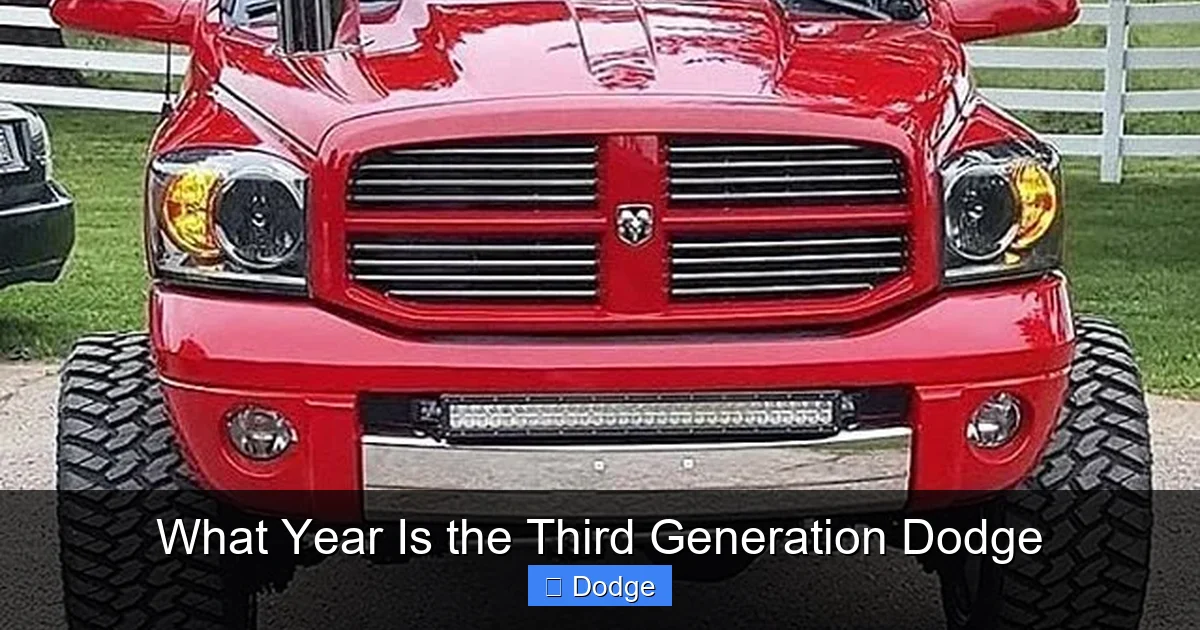
The Third Generation Dodge Ram (1994–2001)
Visual guide about What Year Is the Third Generation Dodge
Image source: i.pinimg.com
When most people ask, “What year is the third generation Dodge?” they’re usually referring to the Dodge Ram pickup truck. Introduced in 1994, the third-generation Ram marked a dramatic departure from its boxy predecessors and helped redefine what a modern pickup could be.
Before 1994, Dodge trucks were functional but lacked the bold styling that would later become their trademark. The first two generations of the Ram (1981–1993) were based on the Dodge D-Series and featured a more traditional, utilitarian design. But by the early 1990s, Ford and Chevrolet were gaining ground with more stylish and powerful trucks. Dodge needed a game-changer—and they delivered it with the third-gen Ram.
Revolutionary Design
The 1994 Dodge Ram debuted with a design inspired by full-size semi-trucks. Its massive, chromed grille, rounded fenders, and high stance gave it a commanding presence on the road. This “big rig” look was unlike anything else in the pickup market at the time and immediately set the Ram apart from competitors.
The design wasn’t just about looks—it also improved aerodynamics and visibility. The cab was roomier, with more headroom and legroom for passengers. The interior featured higher-quality materials, better ergonomics, and more storage options. Available in Regular Cab, Quad Cab, and later Mega Cab configurations, the third-gen Ram offered flexibility for both work and family use.
Engine and Performance Upgrades
Under the hood, the third-generation Ram offered a range of engines, but the star of the show was the 5.9L Magnum V8. Producing 245 horsepower and 335 lb-ft of torque, this engine gave the Ram impressive towing and hauling capabilities. It was also more reliable and fuel-efficient than previous V8s, thanks to improved fuel injection and electronic controls.
Other engine options included the 3.9L V6, 5.2L V8, and later the 8.0L V10 (introduced in 1996 for the Ram 2500/3500). The V10, originally developed for the Viper sports car, was a beast—delivering 305 horsepower and 450 lb-ft of torque. It quickly became a favorite among diesel-averse buyers who wanted serious power without the complexity of a diesel engine.
Transmission options included a 4-speed automatic (46RH/47RH) and a 5-speed manual (NV3500), giving drivers more control over performance and fuel economy.
Trim Levels and Features
The third-gen Ram was available in several trim levels, including the base ST, mid-level SLT, and luxury-oriented Laramie. Higher trims offered features like power windows, leather seats, premium audio systems, and chrome accents.
One of the most notable innovations was the introduction of the Quad Cab in 1998. This extended cab configuration added rear-hinged doors, making it easier for passengers to access the back seat. It was a game-changer for families and contractors who needed both passenger space and cargo capacity.
Safety features also improved during this generation. Dual airbags became standard in 1998, and anti-lock brakes (ABS) were available on most models. While not as advanced as today’s systems, these features represented a significant step forward for Dodge trucks.
Cultural Impact and Legacy
The third-generation Ram didn’t just sell well—it changed the way people thought about pickup trucks. Its bold design influenced other manufacturers, and its success helped Dodge regain market share in the highly competitive truck segment.
The Ram also became a cultural icon. It appeared in movies, TV shows, and music videos, often symbolizing strength, independence, and American ingenuity. The “Ram tough” advertising campaign, featuring the now-famous Ram logo and tagline, reinforced the brand’s image as a leader in performance and durability.
Today, well-maintained third-gen Rams are highly sought after by collectors and enthusiasts. Models from the late 1990s and early 2000s, especially those with the Magnum V8 or V10 engines, are considered classics. With proper care, these trucks can still deliver reliable performance and turn heads on the road.
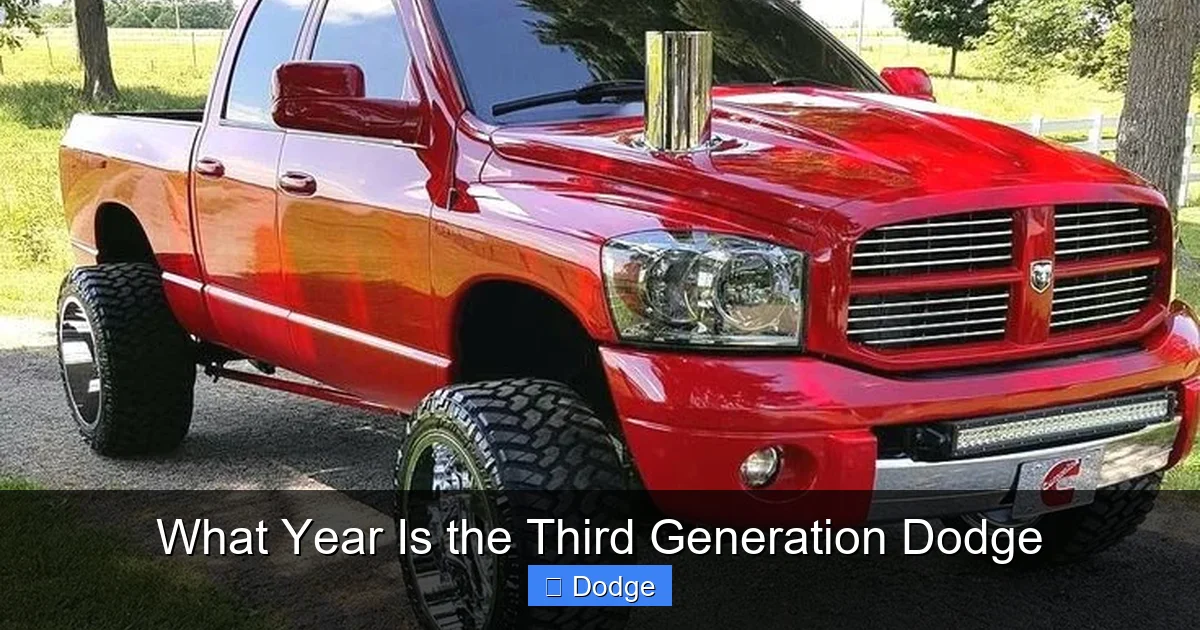
The Third Generation Dodge Durango (2011–2023)
Visual guide about What Year Is the Third Generation Dodge
Image source: i.pinimg.com
While the Ram is often the focus when discussing Dodge generations, the Durango SUV also has a significant third generation that deserves attention. Launched in 2011, the third-gen Durango marked a major shift in design, technology, and capability for Dodge’s flagship SUV.
The first two generations of the Durango (1998–2003 and 2004–2009) were based on the Dakota pickup platform and shared many components with other Chrysler vehicles. While capable, they were often criticized for their outdated styling and lack of refinement. By the late 2000s, competitors like the Ford Explorer and Chevrolet Traverse were offering more modern, car-like SUVs with better fuel economy and advanced features.
Dodge responded with a complete redesign in 2011, creating a third-generation Durango that could compete with the best in its class.
Modern Design and Platform
The 2011 Durango was built on the same platform as the Jeep Grand Cherokee, sharing its unibody construction and advanced suspension system. This gave the Durango a more refined ride, better handling, and improved safety ratings compared to its truck-based predecessors.
Exterior styling was bold and muscular, with a wide grille, aggressive headlights, and sculpted body lines. The design balanced ruggedness with sophistication, appealing to both families and adventure seekers. Available in SXT, SLT, R/T, and Limited trims, the Durango offered a range of options to suit different budgets and needs.
Powerful Engine Options
Under the hood, the third-gen Durango offered two main engines. The base was a 3.6L Pentastar V6, producing 290 horsepower and 260 lb-ft of torque. This engine was praised for its smoothness, efficiency, and reliability, making it ideal for daily driving and long trips.
For those who wanted more power, the 5.7L HEMI V8 was available, delivering 360 horsepower and 390 lb-ft of torque. This engine gave the Durango impressive towing capacity—up to 7,400 pounds—making it one of the most capable three-row SUVs in its class.
Both engines were paired with a 5-speed automatic transmission (later upgraded to an 8-speed in 2014), providing smooth shifts and better fuel economy.
Technology and Interior Comfort
The third-gen Durango was packed with technology. The Uconnect infotainment system, available with a 5-inch or 8.4-inch touchscreen, offered navigation, Bluetooth, voice commands, and smartphone integration (Apple CarPlay and Android Auto added in later years).
Interior materials were upgraded, with soft-touch plastics, available leather seats, and ambient lighting. The three-row seating configuration accommodated up to seven passengers, with plenty of legroom and cargo space. Features like tri-zone climate control, power-folding third-row seats, and a premium sound system made long drives more comfortable.
Safety was also a priority. The Durango earned top marks from the IIHS and NHTSA, thanks to features like electronic stability control, traction control, and available blind-spot monitoring and rear cross-traffic alert.
Special Editions and Performance Variants
Dodge offered several special editions of the third-gen Durango, including the Citadel (luxury-focused), R/T (performance-oriented), and the high-performance SRT version introduced in 2015.
The Durango SRT featured a 6.4L HEMI V8 engine producing 475 horsepower, all-wheel drive, and performance-tuned suspension. It could go from 0 to 60 mph in under 5 seconds, making it one of the fastest three-row SUVs on the market. With its aggressive styling, Brembo brakes, and sport-tuned exhaust, the SRT was a true muscle SUV.
Longevity and Market Success
The third-generation Durango remained in production for an impressive 12 years, a testament to its popularity and durability. It consistently ranked among the top-selling midsize SUVs in the U.S., praised for its blend of power, space, and technology.
Even as newer models like the 2023 Durango received updates, the third-gen platform proved its staying power. Many owners report high satisfaction, with strong resale values and low maintenance costs.
Comparing Third-Gen Ram and Durango
Visual guide about What Year Is the Third Generation Dodge
Image source: i.pinimg.com
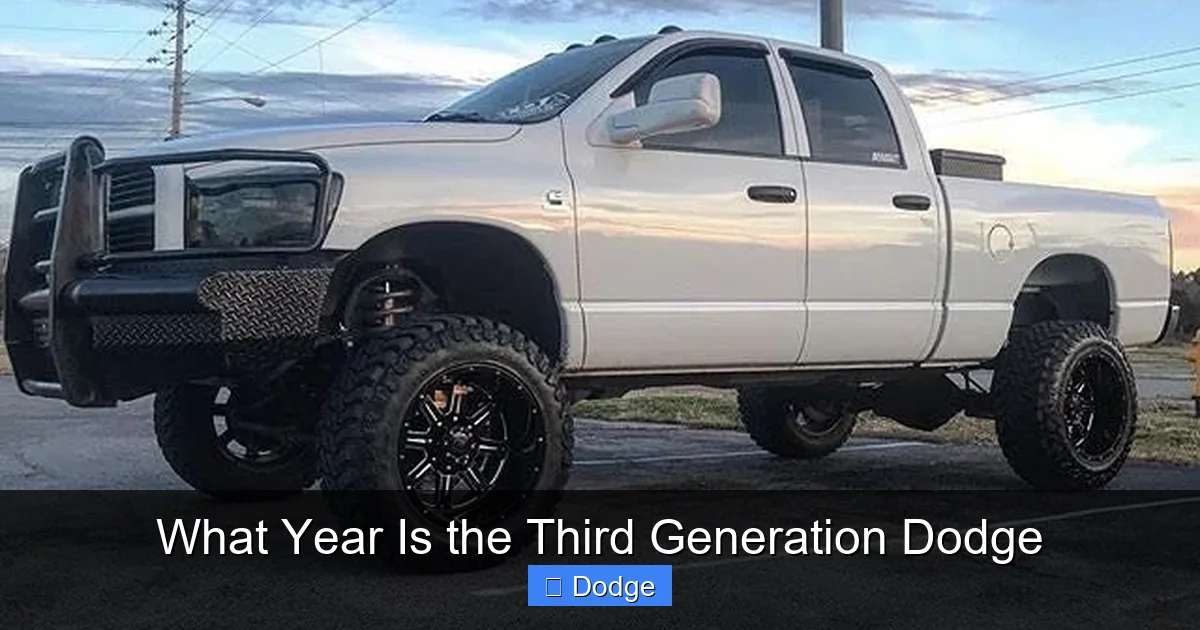
Now that we’ve covered both the third-generation Dodge Ram and Durango, it’s helpful to compare them side by side. While they serve different purposes—one a pickup truck, the other an SUV—they share some common traits that define the “third generation Dodge” experience.
Design Philosophy
Both vehicles embraced bold, muscular styling that reflected Dodge’s brand identity. The Ram’s semi-truck-inspired look and the Durango’s aggressive SUV stance were designed to stand out and command respect. They moved away from the more conservative designs of earlier generations and embraced a “muscle vehicle” aesthetic.
Performance and Capability
Performance was a key focus for both models. The Ram offered powerful V8 and V10 engines, while the Durango featured the HEMI V8 and later the SRT variant. Both were capable of heavy towing and off-road use, though the Ram had the edge in payload and ruggedness.
Technology and Comfort
Technology evolved significantly in both vehicles. The Ram introduced better interiors and more features over its lifespan, while the Durango launched with advanced infotainment and safety systems from day one. Both offered a range of trim levels to suit different lifestyles.
Market Impact
Both generations helped Dodge regain credibility and market share. The Ram revitalized the brand’s truck lineup, while the Durango established Dodge as a serious competitor in the SUV market. Together, they laid the foundation for future successes, including the current Ram 1500 and Durango models.
Why the Third Generation Matters
So, why does it matter what year is the third generation Dodge? Because these models represent pivotal moments in the brand’s history. They introduced design languages, technologies, and performance standards that influenced future generations.
For collectors, third-gen vehicles offer a blend of classic style and modern reliability. For buyers, they provide proven platforms with strong support networks. And for enthusiasts, they’re a reminder of a time when Dodge wasn’t afraid to be bold, powerful, and unapologetically American.
Whether you’re restoring a 1997 Ram or driving a 2015 Durango SRT, you’re part of a legacy that continues to evolve. And understanding the third generation helps you appreciate just how far Dodge has come.
Tips for Buying a Third-Gen Dodge
If you’re considering buying a third-generation Dodge Ram or Durango, here are some practical tips to help you make the right choice:
- Check the Model Year: Confirm the generation by researching the model year and body style. For the Ram, look for 1994–2001; for the Durango, 2011–2023.
- Inspect the Engine: The Magnum V8 and HEMI engines are powerful but can have issues if not maintained. Look for signs of oil leaks, overheating, or poor performance.
- Test the Transmission: Automatic transmissions in these models can wear out over time. Test drive the vehicle and listen for slipping, hesitation, or rough shifts.
- Review Maintenance Records: A well-documented service history is a good sign. Look for regular oil changes, fluid replacements, and timing belt/chain service.
- Check for Rust: Older Rams, especially in snowy regions, can suffer from frame rust. Inspect the undercarriage, wheel wells, and cab corners.
- Consider Aftermarket Support: Third-gen models have strong aftermarket communities. Parts are widely available, and many performance upgrades are possible.
- Get a Pre-Purchase Inspection: Always have a trusted mechanic inspect the vehicle before buying, especially if it’s a high-mileage or modified example.
Conclusion
So, what year is the third generation Dodge? For the iconic Dodge Ram pickup, it’s 1994 to 2001. For the Dodge Durango SUV, it’s 2011 to 2023. These generations represent some of the most important and influential models in Dodge’s history, each bringing bold design, powerful performance, and lasting impact.
Whether you’re drawn to the rugged charm of a late-90s Ram or the modern muscle of a Durango SRT, the third generation offers something for every enthusiast. These vehicles aren’t just transportation—they’re symbols of innovation, strength, and American automotive pride.
As Dodge continues to evolve, the legacy of the third generation lives on. And for anyone who’s ever wondered about those years, now you know: they were a turning point. A time when Dodge didn’t just keep up—they led the way.
Frequently Asked Questions
What year is the third generation Dodge Ram?
The third generation Dodge Ram was produced from 1994 to 2001. It introduced a bold new design inspired by semi-trucks and featured powerful V8 and V10 engine options.
What year is the third generation Dodge Durango?
The third generation Dodge Durango was launched in 2011 and remained in production until 2023. It was built on the Jeep Grand Cherokee platform and offered advanced technology and HEMI engine options.
What engines were available in the third-gen Dodge Ram?
The third-gen Ram offered several engines, including the 3.9L V6, 5.2L V8, 5.9L Magnum V8, and the 8.0L V10. The V10 was especially popular for its high torque and performance.
Was the third-gen Durango available with a V8 engine?
Yes, the third-gen Durango offered a 5.7L HEMI V8 engine producing 360 horsepower. A high-performance 6.4L HEMI V8 was also available in the SRT trim.
Are third-generation Dodge vehicles reliable?
Generally, yes. With proper maintenance, third-gen Rams and Durangos are known for their durability. The Magnum and HEMI engines are robust, but regular servicing is key to longevity.
Can I still buy a third-generation Dodge new?
No, the third-gen Ram ended in 2001 and the third-gen Durango in 2023. However, you can find well-maintained used models through dealerships, private sellers, and online marketplaces.
