
What Size Windshield Wipers for Ford F150

Contents
- 1 Key Takeaways
- 2 📑 Table of Contents
- 3 Why Getting the Wiper Size Perfectly Right Isn’t Just a Suggestion
- 4 Decoding the Ford F150: How Size Changes by Year and Cab
- 5 The “Measure Twice, Buy Once” Method: Your Guaranteed Perfect Fit
- 6 Beyond Length: Choosing the Right Wiper Blade Type for Your F150
- 7 Step-by-Step: Installing Your New Ford F150 Wiper Blades
- 8 Maintenance and Replacement: Keeping Your Vision Clear Year-Round
- 9 Final Thoughts: Safety, Clarity, and Confidence on the Road
- 10 Frequently Asked Questions



Finding the right windshield wiper size for your Ford F150 is crucial for safe driving in all weather. sizes vary significantly by model year and cab configuration, typically ranging from 20 to 24 inches. Never guess—always verify using your owner’s manual, a reliable size chart, or by measuring your old blades. Properly sized wipers ensure maximum contact with your windshield, preventing streaks, squeaks, and dangerous blind spots.
Key Takeaways
- Size is Model-Year Specific: Your Ford F150’s wiper size depends on its production year and cab style (Regular, SuperCab, SuperCrew). A 2021 and a 2015 F150 will almost certainly need different blades.
- Two Sizes, Not One: Most F150s use two different blade lengths—a longer driver-side blade and a shorter passenger-side blade—to perfectly match the windshield’s curvature.
- Measurement is King: The most reliable method is to measure your existing wiper arms’ reach or check the stamped size on the wiper connector itself. Never rely on memory or guesswork.
- Type Matters as Much as Size: Beyond length, choose the right blade style (beam, hybrid, traditional) for your climate. Beam blades excel in snow and ice, while hybrids offer great all-season performance.
- Installation is Usually Simple: Most modern F150s feature a easy-to-use tab or hook connector. However, always consult your manual as some years may have a unique pin or proprietary hook.
- Replace Proactively: Don’t wait for complete failure. Replace wipers every 6-12 months, or sooner if you notice streaking, skipping, or squeaking, especially after summer sun or winter ice.
📑 Table of Contents
- Why Getting the Wiper Size Perfectly Right Isn’t Just a Suggestion
- Decoding the Ford F150: How Size Changes by Year and Cab
- The “Measure Twice, Buy Once” Method: Your Guaranteed Perfect Fit
- Beyond Length: Choosing the Right Wiper Blade Type for Your F150
- Step-by-Step: Installing Your New Ford F150 Wiper Blades
- Maintenance and Replacement: Keeping Your Vision Clear Year-Round
- Final Thoughts: Safety, Clarity, and Confidence on the Road
Why Getting the Wiper Size Perfectly Right Isn’t Just a Suggestion
Let’s be real. When you’re behind the wheel of a Ford F150, you’re focused on the job—towing, hauling, or just getting from point A to point B. Those little rubber strips on your windshield might seem trivial until a sudden downpour or a winter slush storm hits. Then, perfectly functioning wipers become your single most important safety feature for visibility. Using the wrong size wiper blades isn’t just an annoyance; it’s a direct compromise on your safety and the safety of others on the road.
An incorrectly sized blade—whether too long or too short—simply cannot maintain proper contact with the curved glass of your F150’s large windshield. The result? Unsightly streaks that distort your view, annoying squeaks that drive you nuts, and dangerous un-squeezed patches of water or ice right in your line of sight. For a truck built for capability, having wipers that can’t handle a little weather feels like a betrayal. That’s why nailing the exact size for your specific model year and cab configuration is the non-negotiable first step.
We’re going to walk you through everything you need to know. No more guessing, no more returning the wrong parts. By the end of this guide, you’ll be a confident expert on your F150’s wiper needs, ensuring crystal-clear vision no matter what the sky decides to do.
Decoding the Ford F150: How Size Changes by Year and Cab
The Ford F150 has been America’s best-selling truck for decades, and with each generation comes subtle and sometimes significant changes to the vehicle’s dimensions, including the windshield angle and width. This directly impacts the optimal reach of the wiper arms. Furthermore, the cab style plays a surprising role.

Visual guide about What Size Windshield Wipers for Ford F150
Image source: i.ytimg.com
The Cab Configuration Factor
This is a key point many owners miss. A Regular Cab (2-door), SuperCab (2+2 doors with smaller rear doors), and SuperCrew (4 full doors) F150 of the same model year can have different windshield shapes and, consequently, different wiper blade requirements. The SuperCrew, with its longer cab and often slightly different A-pillar design, might use a different passenger-side blade length compared to a Regular Cab. Always, always confirm your specific configuration when looking up sizes.
A Year-by-Year Look at Common Sizes (General Guidelines)
While the definitive answer is to check your manual or measure, here is a general reference guide for the most common F150 generations. Remember, these are starting points. Your specific truck may vary.
- 2009-2014 (12th Generation): A very common fit was 22″ (driver) and 20″ (passenger). However, some later models in this range, especially 2013-2014, shifted to a 24″/22″ combo.
- 2015-2020 (13th Generation): This generation saw a significant shift. The most prevalent sizes are 24″ for the driver’s side and 22″ for the passenger side. Some early 2015 models might still use the older 22″/20″ size, so verification is critical.
- 2021-Present (14th Generation): The current model largely continues the 24″ (driver) / 22″ (passenger) standard. However, with the introduction of the hybrid powertrain and minor styling tweaks, it’s wise to double-check for your exact VIN or production date.
For example, a 2018 Ford F150 SuperCrew will almost certainly take a 24″ and 22″ blade. But a 2012 Ford F150 Regular Cab might still be on the 22″ and 20″ standard. The variation is why a one-size-fits-all list is impossible. If you own an older truck, like a 2004 model, you’re likely looking at a 20″ and 18″ or 20″ and 20″ setup. The best practice is to treat your truck as its own unique case.
The “Measure Twice, Buy Once” Method: Your Guaranteed Perfect Fit
Charts are helpful, but they can have errors or omissions. The only foolproof method is to measure what’s currently on your truck. It takes two minutes and gives you 100% confidence.
Visual guide about What Size Windshield Wipers for Ford F150
Image source: i.ytimg.com
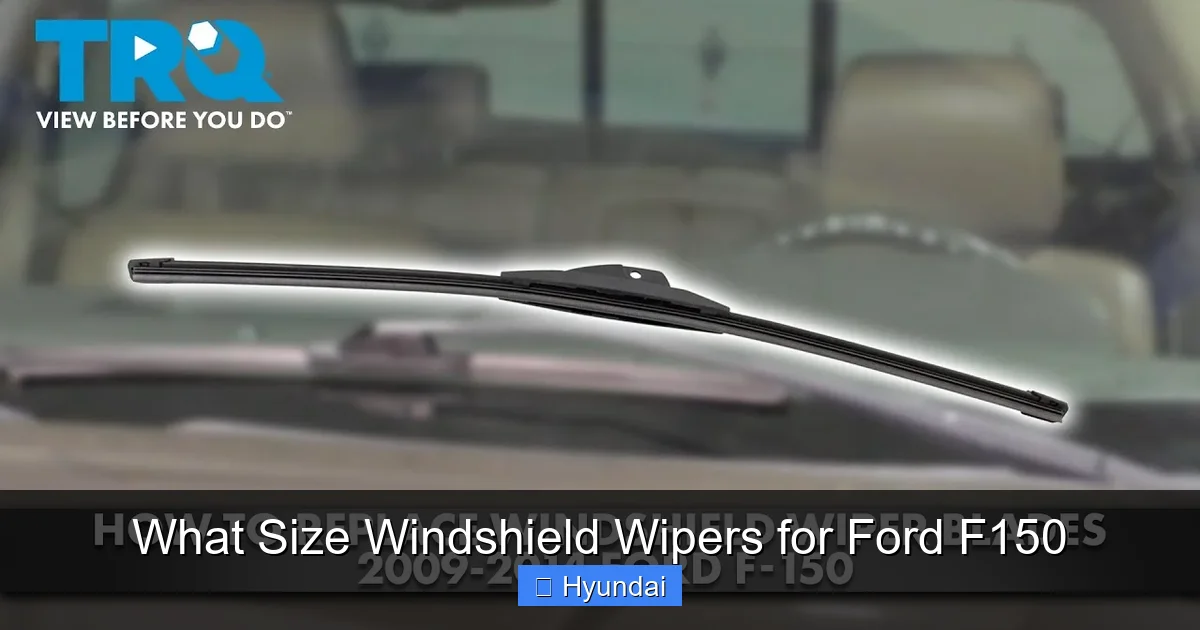
How to Accurately Measure Your Wiper Blades
1. Park and Turn Off: Ensure your F150 is in park with the ignition off. Lift the wiper arms away from the windshield until they lock in the service position. Some models require you to turn the ignition to “on” and then use the wiper stalk to activate a “service mode.” Check your owner’s manual if the arms don’t lift easily.
2. Identify the Blade: Locate the rubber squeegee part. You are measuring the entire length of this rubber element, from one connector end to the other. Do not measure just the rubber strip if it’s torn; measure the full blade assembly.
3. Use a Tape Measure: Simply place a tape measure along the back edge of the blade (the side facing the windshield when installed). Read the measurement in inches. It will likely be a whole number (e.g., 22, 24) or a half-inch (e.g., 22.5). Write it down for both the driver and passenger side.
4. Check the Connector: Often, the size is stamped directly into the metal or plastic connector at the end of the blade. It might say “22” or “600mm” (which is roughly 24 inches). This is a quick and reliable secondary check.
The “Look It Up” Method: Using Trusted Resources
If your old blades are missing or you’re buying before installation, you need a reliable source.
- Owner’s Manual: This is the gold standard. The specifications section or a maintenance chapter will list the exact wiper blade size and type for your exact model, year, and trim.
- Reputable Auto Parts Store Websites: Sites like AutoZone, O’Reilly, or Advance Auto Parts have excellent year/make/model selectors. When you input your F150’s details, they will show you the compatible wiper sizes. This is a highly reliable method.
- Wiper Manufacturer Websites: Brands like Bosch, ANCO, and Michelin have online catalogs where you can look up your vehicle and see the recommended part numbers and lengths.
For instance, if you search for “2017 Ford F150 wiper size” on a major parts site, it will typically return two specific lengths. This method is as good as measuring, provided you select the correct cab style and any special packages (like the optional larger windshield on some trims).
Beyond Length: Choosing the Right Wiper Blade Type for Your F150
So you have the two magic numbers. Great! But now you stand in the auto parts aisle faced with a wall of different blade designs. Not all wipers are created equal, and for a truck that sees diverse conditions, the style you choose is nearly as important as the size.
Visual guide about What Size Windshield Wipers for Ford F150
Image source: i.ytimg.com
Traditional Framed Blades
These are the classic design: a metal frame with articulated joints holding a rubber blade. They are the most affordable option. Pros: Inexpensive, widely available, and the metal frame provides some rigidity. Cons: The frame can collect ice and snow, reducing flexibility and effectiveness in winter. The multiple joints can wear out, leading to chatter and streaking. For a daily driver F150 in mild climates, they are a functional, budget-friendly choice.
Beam Blades (Bracketless)
This is the modern standard and our top recommendation for most F150 owners, especially those in areas with snow and ice. Beam blades have a sleek, one-piece design with a flexible rubber or polymer spine that conforms to the windshield’s curve. There’s no metal frame to trap snow, so they push away ice more effectively. They provide consistent, even pressure across the entire blade. Pros: Excellent performance in all weather, quieter operation, sleek look, less prone to freezing up. Cons: Slightly more expensive than traditional blades.
Hybrid Blades
As the name suggests, hybrids blend the best of both worlds. They have a rigid backbone (like a traditional blade) for stability at high speeds but use a synthetic rubber boot to cover the metal frame, preventing snow and ice buildup (like a beam blade). They offer excellent performance and durability, often at a price point between traditional and premium beam blades. For an F150 that tows and faces highway winds, the added stability is a real benefit.
Specialty Blades for Trucks
Some manufacturers offer “truck-specific” blades. These are often beam or hybrid blades with reinforced connectors designed to withstand the extra vibration and wind pressure common in large vehicles like the F150. They might also have a more robust attachment point. If you do a lot of highway driving or off-road use where wipers get pelted with debris, looking for a heavy-duty or truck-specific version is a smart upgrade.
Step-by-Step: Installing Your New Ford F150 Wiper Blades
You’ve got the right size and type. Now, let’s get them on. The process is straightforward, but the connector type on your F150 will determine the exact steps.
Common Connector Types
- Hook (J-Hook): The most common. The wiper arm has a hook shape, and the blade’s connector slides on and locks with a tab or clip. You usually pinch a tab to release.
- Pin (Straight Pin): A small straight pin protrudes from the wiper arm. The blade has a corresponding hole that slides over the pin and locks with a separate clip or wedge.
- Proprietary/Flat Hook: Some newer Fords use a specific, low-profile hook. The blade connector has a slot that slides over the arm’s hook and locks with a button or tab on the side.
The Universal Installation Process
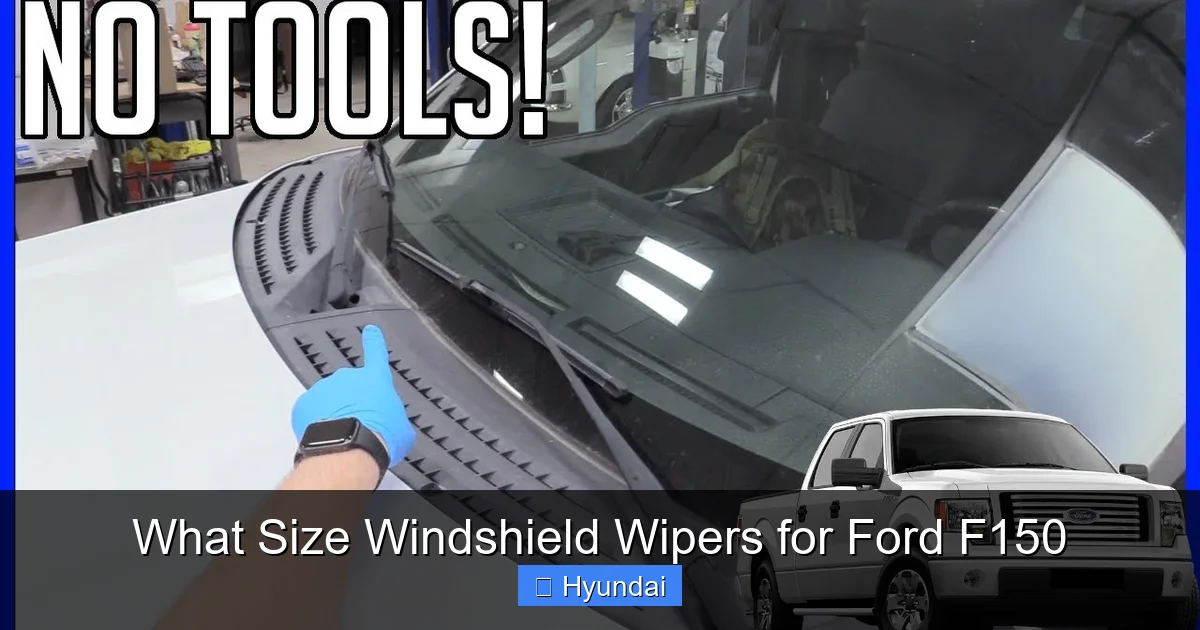
1. Lift the Arm: Gently lift the wiper arm away from the windshield until it locks. Be careful; the spring tension can make it snap back.
2. Remove the Old Blade: Locate the release mechanism. For a hook, you’ll typically see a small tab or button on the connector. Press or slide it, and the blade should detach from the arm. For a pin, you’ll need to pry off a small retaining clip before sliding the blade off.
3. Attach the New Blade: Ensure the new connector is in the “open” or unlocked position. Align it with the wiper arm’s hook or pin. Slide it on firmly until you hear or feel a distinct click. This click is the lock engaging. Give it a gentle tug to confirm it’s secure.
4. Lower Gently: Slowly lower the wiper arm back onto the windshield. Do not let it snap down.
5. Repeat and Test: Do the same for the other side. Before driving, turn on the wipers briefly to ensure they move smoothly and are securely attached. Check for proper parking position (they should rest at the bottom of the windshield, slightly off-center).
Pro Tip: When buying new blades, many auto parts stores will install them for free if you purchase from them. It’s a great service, especially if you’re unsure about the connector type.
Maintenance and Replacement: Keeping Your Vision Clear Year-Round
Installing the correct wipers is only half the battle. To maximize their lifespan and performance, a little maintenance goes a long way.
When to Replace: Signs It’s Time
Don’t wait until you’re caught in a storm with ineffective wipers. Be proactive. Replace your F150’s wiper blades every 6 to 12 months, even if they look okay. Rubber degrades from UV sunlight, ozone, and temperature cycles. Signs of imminent failure include:
- Streaking or Smearing: Water is left behind in lines or a hazy film.
- Chattering or Skipping: The blades vibrate and make a repetitive noise, leaving arcs of unwiped glass.
- Squeaking: A persistent, dry squeak indicates hardened rubber.
- Visible Damage: Cracks, splits, or chunks missing from the rubber edge.
- Poor Performance in Light Rain: If they can’t handle a drizzle, they’re shot.
Seasonal Care Tips
- Winter: If you expect ice, lift the blades away from the windshield overnight to prevent them from freezing to the glass. Some people place a cloth or piece of cardboard between the blade and windshield. Always clear heavy ice and snow from the windshield before turning on the wipers to avoid straining the motor and blades.
- Summer: The sun’s UV rays are the number one killer of wiper rubber. Park in the shade or use a windshield sun shade when possible. This can dramatically extend blade life.
- Cleaning: Periodically clean the rubber edge with a cloth dampened with rubbing alcohol or a dedicated wiper blade cleaner. This removes road grime and oxidation that can hinder wiping.
For your F150, which is likely a workhorse, consider keeping a spare set of wipers in the truck bed or cab. They are inexpensive, and being able to swap them out on a road trip or when you notice the first sign of streaking is a huge convenience. This is especially true if you frequently drive in mountainous areas with sudden weather changes or on dusty, dirty job sites.
Final Thoughts: Safety, Clarity, and Confidence on the Road
Your Ford F150 is a powerful, capable machine, but its capability is nullified if you can’t see where you’re going. Taking the time to identify and install the correct windshield wiper blade sizes is one of the simplest, most cost-effective maintenance tasks you can perform. It directly translates to safer driving conditions for you, your passengers, and everyone sharing the road.
The process is simple: verify your specific model year and cab, determine the two required lengths (driver and passenger), choose a blade style suited to your climate and needs (we strongly recommend beam or hybrid for modern F150s), and install them carefully. By following the measurement guide or trusted resource lookup, you eliminate the guesswork. Remember, wipers are a wear item. A proactive replacement schedule—at least once a year—is a small price to pay for the priceless benefit of a clear, unobstructed view through your F150’s large windshield, whether you’re navigating a city downpour or a mountain snow squall.
Now, armed with this knowledge, you can head to the parts store or website with absolute confidence. Get those perfect-fit blades on your truck, and enjoy the peace of mind that comes with a streak-free, quiet, and effective wipe every single time you need it.
Frequently Asked Questions
Can I use the same size wiper blades on all Ford F150 models?
No. Wiper blade sizes are specific to the model year and cab style (Regular, SuperCab, SuperCrew). A 2015 F150 and a 2020 F150, or a Regular Cab versus a SuperCrew of the same year, often require different blade lengths. Always verify for your specific vehicle.
What happens if I install wiper blades that are too long?
Blades that are too long can cause the wiper arms to collide or bind, potentially damaging the wiper motor, arms, or the blades themselves. They may also not park correctly and can leave unwiped sections at the top of the windshield.
Are beam blades the best choice for a Ford F150 in snowy climates?
Yes, beam blades are generally the best choice for snow and ice. Their sealed, frameless design prevents ice and snow from accumulating on the blade structure, allowing them to maintain full contact with the windshield and push away slush more effectively than traditional framed blades.
How do I know which connector type my F150 has before buying blades?
The easiest way is to look at your old wiper blade’s connector end. It will clearly show if it’s a hook (J-hook), a straight pin, or a proprietary flat hook. You can also find this information in your owner’s manual or by using a reputable auto parts website’s vehicle selector, which will list compatible connector types.
Why do my new wiper blades squeak even though they are the correct size?
Squeaking on new blades is usually due to one of two things: 1) A thin layer of manufacturing residue on the rubber or windshield. Clean the windshield and the rubber edge with alcohol. 2) The blades need a tiny amount of “bedding in.” Run them on a wet windshield for a few minutes. If squeaking persists, ensure the blades are the correct type for your climate—some harder rubber compounds are noisier.
Should I replace both wiper blades at the same time?
Absolutely. Wiper blades wear at the same rate. The passenger-side blade often does more work due to the driver’s side blade’s path. Replacing both ensures even wear, consistent performance, and prevents the old blade from smearing while the new one clears. It’s a small additional cost for optimal safety and a clear view.