What Is Xl on a Tire

XL on a tire stands for “Extra Load,” indicating it can carry more weight than standard tires. These tires are built with stronger materials and higher pressure ratings, making them ideal for heavy vehicles or demanding driving conditions.
In This Article
- 1 Key Takeaways
- 2 📑 Table of Contents
- 3 What Is XL on a Tire? A Complete Guide for Drivers
- 4 Understanding Tire Markings: Decoding the Sidewall
- 5 What Does XL Stand For? The Meaning of Extra Load
- 6 XL vs. SL Tires: What’s the Difference?
- 7 When Should You Choose XL Tires?
- 8 Common Misconceptions About XL Tires
- 9 How to Choose the Right XL Tire for Your Vehicle
- 10 Conclusion: Is XL Right for You?
- 11 Frequently Asked Questions
Key Takeaways
- XL means Extra Load: XL tires are designed to support heavier loads than standard tires, thanks to reinforced construction.
- Higher inflation pressure: XL tires require higher air pressure (usually 41 psi) to achieve their maximum load capacity.
- Better for heavy vehicles: SUVs, trucks, and performance cars often use XL tires for improved stability and durability.
- Not just for weight: XL tires also offer enhanced handling, cornering, and resistance to heat buildup.
- Check your owner’s manual: Always confirm if your vehicle requires XL tires before making a purchase.
- XL vs. SL tires: Standard Load (SL) tires are lighter and more flexible, while XL tires are stiffer and more robust.
- Performance benefits: XL tires can improve ride quality and safety when properly inflated and matched to your vehicle.
📑 Table of Contents
- What Is XL on a Tire? A Complete Guide for Drivers
- Understanding Tire Markings: Decoding the Sidewall
- What Does XL Stand For? The Meaning of Extra Load
- XL vs. SL Tires: What’s the Difference?
- When Should You Choose XL Tires?
- Common Misconceptions About XL Tires
- How to Choose the Right XL Tire for Your Vehicle
- Conclusion: Is XL Right for You?
What Is XL on a Tire? A Complete Guide for Drivers
If you’ve ever looked at the sidewall of a tire and seen the letters “XL” printed there, you might have wondered what they mean. Is it a brand? A size code? A special feature? The truth is, XL stands for “Extra Load,” and it’s an important designation that tells you a lot about the tire’s capabilities. Understanding what XL means can help you make smarter decisions when buying tires, maintaining your vehicle, and ensuring your safety on the road.
XL tires are not just regular tires with a fancy label. They are specifically engineered to handle heavier loads than standard tires. This makes them a popular choice for larger vehicles like SUVs, crossovers, pickup trucks, and even some high-performance sedans. Whether you’re hauling cargo, driving a fully loaded family vehicle, or simply want better stability at high speeds, XL tires can offer significant advantages.
But like any tire feature, XL comes with its own set of requirements and considerations. From inflation pressure to load capacity, there’s more to know than just the letters on the sidewall. In this guide, we’ll break down everything you need to know about XL tires—what they are, how they work, when to use them, and how they compare to other tire types. By the end, you’ll be able to confidently choose the right tires for your vehicle and driving needs.
Understanding Tire Markings: Decoding the Sidewall
Visual guide about What Is Xl on a Tire
Image source: tireterrain.com
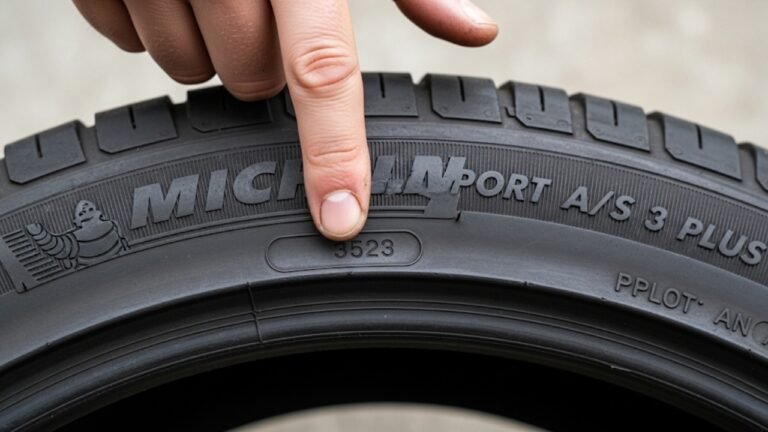
Before diving deeper into XL tires, it helps to understand how tire markings work. The sidewall of a tire is like a tire’s ID card—it contains a wealth of information about its size, type, performance, and capabilities. While it might look like a confusing string of numbers and letters at first, once you know what to look for, it becomes much easier to read.
A typical tire marking might look something like this: P225/60R16 98H XL. Let’s break that down:
– **P** stands for Passenger vehicle (other options include LT for Light Truck).
– **225** is the tire width in millimeters.
– **60** is the aspect ratio—the height of the sidewall as a percentage of the width.
– **R** means Radial construction (the most common type).
– **16** is the wheel diameter in inches.
– **98** is the load index—a number that corresponds to the maximum weight the tire can carry.
– **H** is the speed rating—how fast the tire can safely go.
– **XL** indicates Extra Load capability.
The XL designation appears at the end of this sequence and is a clear signal that the tire is built for higher load capacity. But what does that really mean in practical terms?
Why Tire Markings Matter
Tire markings aren’t just for show—they’re essential for safety and performance. Using the wrong tire can affect your vehicle’s handling, braking, fuel efficiency, and even its suspension system. For example, if your vehicle was designed for XL tires but you install standard load (SL) tires, you might not be able to carry as much weight safely. This could lead to tire failure, especially under heavy loads or during long drives.
On the other hand, using XL tires when they’re not required isn’t necessarily harmful, but it might affect ride comfort. XL tires are generally stiffer than SL tires, which can make the ride feel harsher on smooth roads. So while they offer extra strength, they might not be the best choice for every driver.
How to Read the Load Index and Speed Rating
The load index (like 98 in our example) is a numerical code that tells you the maximum weight a tire can support when properly inflated. For instance, a load index of 98 corresponds to 1,653 pounds per tire. Since most vehicles have four tires, that means the total load capacity would be around 6,612 pounds.
The speed rating (like H) indicates the maximum speed the tire can sustain under its rated load. An H-rated tire, for example, is safe up to 130 mph. Other common ratings include T (118 mph), V (149 mph), and W (168 mph).
When you see XL on a tire, it often comes with a higher load index and may also have a higher speed rating. This combination makes XL tires ideal for performance driving and heavy-duty use.
What Does XL Stand For? The Meaning of Extra Load
Visual guide about What Is Xl on a Tire
Image source: tireterrain.com
Now that we’ve covered the basics of tire markings, let’s focus on the star of the show: XL. As mentioned earlier, XL stands for “Extra Load.” But what does that actually mean in terms of construction and performance?
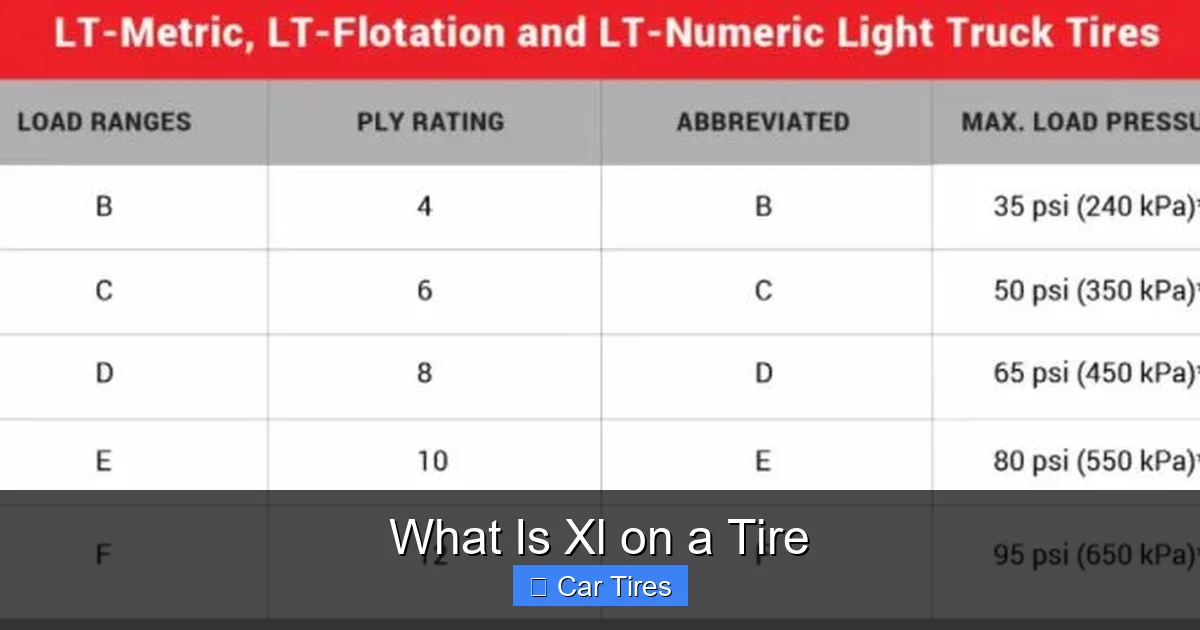
XL tires are designed to carry more weight than standard load (SL) tires. They achieve this through reinforced internal structures, such as stronger sidewalls, additional belts, or thicker rubber compounds. These enhancements allow the tire to withstand greater stress without deforming or overheating.
How XL Tires Are Built Differently
The key difference between XL and SL tires lies in their internal construction. XL tires typically have:
– **Reinforced sidewalls:** These provide extra strength to resist flexing under heavy loads.
– **Higher ply ratings:** More layers of fabric or steel belts increase durability.
– **Stiffer carcass:** The overall structure is more rigid, which helps maintain shape under pressure.
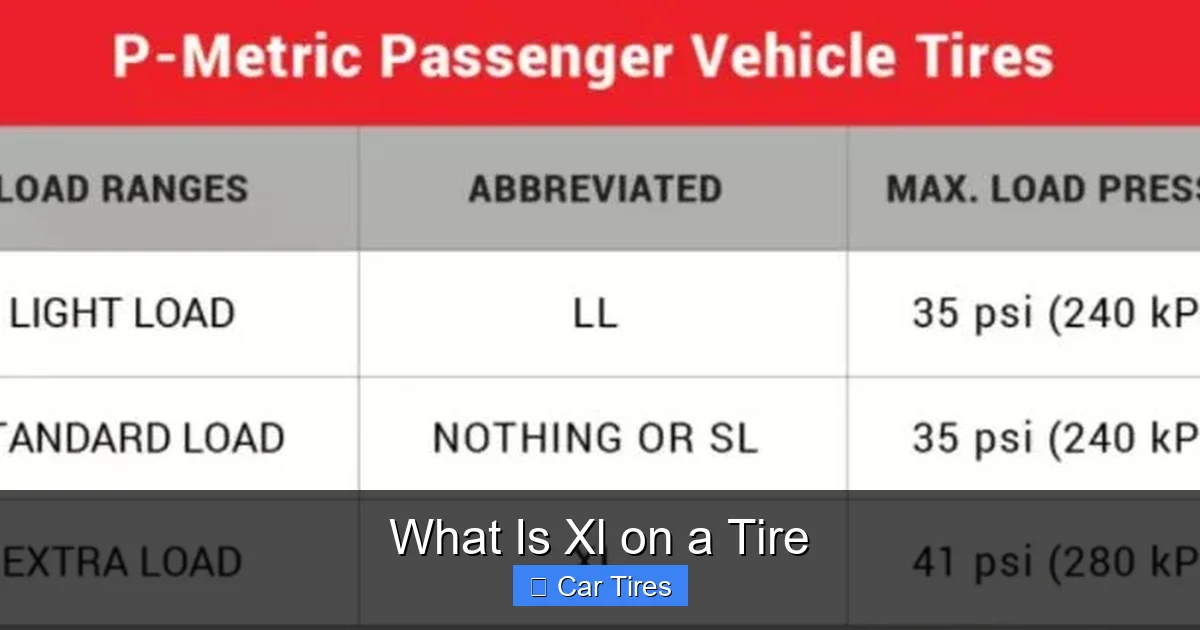
These design features allow XL tires to operate safely at higher inflation pressures—usually up to 41 psi (pounds per square inch), compared to 35 psi for standard SL tires. This higher pressure is what enables the tire to support additional weight.
When Is XL Necessary?
Not every vehicle needs XL tires. In fact, most passenger cars are designed to use standard load tires. However, XL tires are commonly recommended or required for:
– **SUVs and crossovers:** These vehicles are often heavier and may carry more passengers or cargo.
– **Pickup trucks:** Especially when towing or hauling heavy loads.
– **Performance vehicles:** High-speed driving generates more heat and stress, which XL tires can handle better.
– **Vans and minivans:** Frequently used for family trips or transporting goods.
If your vehicle’s owner’s manual specifies XL tires, it’s important to follow that recommendation. Using SL tires in place of XL could compromise safety, especially under heavy loads.
Can You Use XL Tires on Any Vehicle?
Technically, yes—you can install XL tires on a vehicle that doesn’t require them, as long as the size and speed rating match. However, there are some trade-offs to consider.
Pros of using XL tires when not required:
– Increased durability and longer tread life.
– Better resistance to punctures and impacts.
– Improved stability at high speeds.
Cons:
– Harsher ride quality due to stiffer construction.
– Slightly reduced fuel efficiency because of increased rolling resistance.
– Higher cost compared to SL tires.
In most cases, if your vehicle doesn’t need XL tires, it’s better to stick with the manufacturer’s recommendation. But if you frequently carry heavy loads or drive on rough roads, upgrading to XL might be worth the trade-off.
XL vs. SL Tires: What’s the Difference?
Visual guide about What Is Xl on a Tire
Image source: m.fortnine.ca
To truly understand the value of XL tires, it helps to compare them directly to standard load (SL) tires. Both types serve important roles, but they’re designed for different driving conditions and vehicle needs.
Load Capacity Comparison
The most obvious difference is load capacity. SL tires are rated for standard loads and typically have a maximum inflation pressure of 35 psi. XL tires, on the other hand, are rated for extra loads and can be inflated up to 41 psi.
For example, a P225/60R16 98H SL tire can carry 1,653 pounds at 35 psi. The same size in XL (P225/60R16 98H XL) can carry the same weight but at a higher pressure, or it may have a higher load index (like 100), allowing it to carry even more.
This extra capacity is crucial for vehicles that regularly operate near their maximum weight limits. Overloading a vehicle with SL tires can lead to overheating, tread separation, or blowouts—especially in hot weather or during long drives.
Construction and Ride Quality
XL tires are built with stronger materials, which makes them more durable but also stiffer. This stiffness can affect ride comfort. On smooth highways, you might not notice much difference. But on bumpy roads or potholes, XL tires can transmit more vibration to the cabin.
SL tires, by contrast, are more flexible and provide a smoother, more comfortable ride. They’re ideal for everyday driving in passenger cars where comfort and fuel efficiency are priorities.
Performance and Handling
When it comes to handling, XL tires often have the edge. Their stiffer sidewalls reduce flex during cornering, which can improve responsiveness and stability. This makes them a favorite among performance drivers and those who frequently drive on winding roads.
SL tires, while comfortable, may feel softer or less precise during aggressive driving. However, for city driving and highway cruising, most drivers won’t notice a significant difference.
Fuel Efficiency and Wear
XL tires tend to have slightly higher rolling resistance due to their reinforced construction. This can lead to a small decrease in fuel economy—typically less than 1-2%. However, their durability often means they last longer, which can offset the initial cost over time.
SL tires are generally lighter and more fuel-efficient, but they may wear out faster under heavy use.
Cost Considerations
XL tires are usually more expensive than SL tires of the same size and brand. The added materials and engineering contribute to the higher price. However, if your vehicle requires XL tires, the extra cost is a necessary investment in safety and performance.
When Should You Choose XL Tires?
Now that you know the differences between XL and SL tires, the next question is: when should you choose XL? The answer depends on your vehicle, your driving habits, and your typical load requirements.
Vehicle Type and Manufacturer Recommendations
The first place to check is your vehicle’s owner’s manual. Manufacturers specify the correct tire type based on the vehicle’s weight, suspension, and intended use. If the manual calls for XL tires, you should use them—no exceptions.
Common vehicles that often require XL tires include:
– Full-size SUVs (e.g., Ford Explorer, Toyota Highlander)
– Pickup trucks (e.g., Chevrolet Silverado, Ram 1500)
– Performance sedans (e.g., BMW 5 Series, Audi A6)
– Minivans (e.g., Honda Odyssey, Chrysler Pacifica)
Even if your vehicle doesn’t strictly require XL tires, some trim levels or optional packages (like towing packages) may recommend them.
Driving Conditions and Load Requirements
If you frequently carry heavy loads—whether it’s passengers, luggage, tools, or equipment—XL tires can provide peace of mind. They’re also a smart choice if you:
– Tow a trailer or camper
– Drive on rough or unpaved roads
– Live in a hot climate (heat accelerates tire wear)
– Drive long distances regularly
In these situations, the extra strength and heat resistance of XL tires can prevent premature wear and reduce the risk of failure.
Performance and Safety Benefits
Even if you don’t carry heavy loads, XL tires can enhance safety and performance. Their stiffer sidewalls improve cornering stability, which is especially helpful during emergency maneuvers or sudden lane changes. They also generate less heat under stress, which reduces the risk of blowouts at high speeds.
For drivers who value control and confidence behind the wheel, XL tires are a worthwhile upgrade.
Tire Pressure and Maintenance Tips
One critical aspect of using XL tires is proper inflation. Because they’re designed to operate at higher pressures (up to 41 psi), it’s essential to check your tire pressure regularly—especially before long trips or when carrying heavy loads.
Use a reliable tire pressure gauge and refer to your vehicle’s recommended pressure, which is usually listed on a sticker inside the driver’s door jamb. Never exceed the maximum pressure listed on the tire sidewall.
Also, rotate your tires every 5,000 to 7,000 miles to ensure even wear. XL tires may wear differently than SL tires, so regular maintenance is key to maximizing their lifespan.
Common Misconceptions About XL Tires
Despite their growing popularity, XL tires are often misunderstood. Let’s clear up some of the most common myths and misconceptions.
Myth 1: XL Tires Are Only for Trucks
While XL tires are common on trucks and SUVs, they’re also used on many passenger cars—especially high-performance models. If your car has a sport suspension or is designed for spirited driving, it may benefit from XL tires.
Myth 2: XL Tires Are Always Better
More strength isn’t always better. If your vehicle doesn’t need the extra load capacity, XL tires might make the ride too stiff or reduce fuel efficiency. Always match the tire to your vehicle’s requirements.
Myth 3: XL Tires Last Longer No Matter What
While XL tires are more durable, their lifespan depends on driving habits, road conditions, and maintenance. Aggressive driving or underinflation can wear out any tire quickly—even XL ones.
Myth 4: You Can Ignore Tire Pressure with XL Tires
This is dangerous. XL tires rely on proper inflation to function safely. Underinflated XL tires can overheat and fail, just like any other tire.
Myth 5: All XL Tires Are the Same
XL is a load rating, not a brand or model. Tires with the XL designation can vary widely in tread pattern, compound, and performance features. Always choose a tire that matches your driving needs.
How to Choose the Right XL Tire for Your Vehicle
Selecting the right XL tire involves more than just picking one with “XL” on the sidewall. Here’s a step-by-step guide to help you make the best choice.
Step 1: Check Your Owner’s Manual
Start by consulting your vehicle’s manual. It will specify the correct tire size, load index, speed rating, and whether XL is required or recommended.
Step 2: Match the Load Index and Speed Rating
Ensure the new tire has the same or higher load index and speed rating as the original. Never go lower.
Step 3: Consider Your Driving Style
If you prioritize comfort, look for XL tires with a softer ride. If you want performance, choose ones with high-speed ratings and sport-oriented tread patterns.
Step 4: Read Reviews and Ratings
Check consumer reviews and professional ratings from sources like Consumer Reports, Tire Rack, or J.D. Power. Look for feedback on durability, noise, wet traction, and tread life.
Step 5: Buy from a Reputable Retailer
Purchase from a trusted tire dealer who can help with installation, balancing, and warranty support.
Conclusion: Is XL Right for You?
So, what is XL on a tire? It’s a clear indicator that the tire is built for extra load capacity, offering enhanced strength, stability, and safety for heavier vehicles and demanding driving conditions. Whether you drive an SUV, truck, or performance car, XL tires can provide the support and confidence you need on the road.
But like any tire choice, it’s not one-size-fits-all. Always follow your vehicle manufacturer’s recommendations, consider your typical driving habits, and prioritize proper maintenance. With the right XL tires, you’ll enjoy a safer, smoother, and more reliable driving experience—no matter where the road takes you.
Frequently Asked Questions
What does XL mean on a tire?
XL stands for “Extra Load,” indicating that the tire is designed to carry more weight than standard load (SL) tires. These tires have reinforced construction and higher inflation pressure ratings.
Can I use XL tires on a car that doesn’t require them?
Yes, you can use XL tires on a vehicle that doesn’t require them, as long as the size and speed rating match. However, they may result in a stiffer ride and slightly lower fuel efficiency.
Are XL tires more expensive than regular tires?
Generally, yes. XL tires cost more due to their reinforced construction and higher load capacity. However, their durability can make them a cost-effective choice over time.
Do XL tires need more air pressure?
Yes, XL tires typically require higher inflation pressure—up to 41 psi compared to 35 psi for standard tires. Always check the recommended pressure for your specific tire and vehicle.
Are XL tires better for towing?
Yes, XL tires are ideal for towing because they can handle the extra weight and stress. They provide better stability and heat resistance, which is crucial when pulling a trailer.
How do I know if my vehicle needs XL tires?
Check your vehicle’s owner’s manual or the tire information placard on the driver’s door jamb. If it specifies XL or a higher load index, you should use XL tires.