
What Is the Towing Capacity of a Subaru Forester

The Subaru Forester is a versatile compact SUV known for its all-wheel drive and reliability, but its towing capacity varies by model year and engine type. While not built for heavy-duty hauling, it can handle small trailers, campers, and lightweight boats when properly equipped.
If you’re considering buying a Subaru Forester or already own one, you might be wondering: “What is the towing capacity of a Subaru Forester?” It’s a fair question—especially if you enjoy weekend adventures, camping trips, or need to haul a small trailer or boat. The Forester is one of Subaru’s most popular SUVs, praised for its all-wheel drive, spacious interior, and rugged design. But when it comes to towing, it’s not in the same league as full-size trucks or heavy-duty SUVs. Still, it’s more capable than many people realize—especially in recent model years.
Unlike larger vehicles such as the Subaru Ascent or Outback, the Forester is built for everyday driving and light-duty tasks. That said, it’s not completely towing-averse. With the right setup, it can handle modest loads like a small utility trailer, a lightweight camper, or even a jet ski. But understanding the exact towing capacity—and what affects it—is crucial to staying safe on the road and avoiding damage to your vehicle.
In this guide, we’ll break down everything you need to know about the Subaru Forester’s towing capacity. We’ll cover how it varies by model year, what equipment you need, and how to tow safely. Whether you’re planning a cross-country camping trip or just need to move some furniture, this article will help you make informed decisions. Let’s dive in.
Key Takeaways
- Towing capacity ranges from 1,500 to 2,200 pounds: Most Subaru Forester models can tow between 1,500 and 2,200 pounds when properly equipped, depending on the year and engine.
- 2014–2018 models offer up to 1,500 lbs standard: These years typically max out at 1,500 pounds unless upgraded with a factory or dealer-installed towing package.
- 2019 and newer Foresters increase capacity to 2,200 lbs: With the optional towing package, newer models can safely tow up to 2,200 pounds, thanks to improved cooling and transmission systems.
- Engine type matters: Only Foresters with the 2.5L four-cylinder engine can tow; the smaller 2.0L or hybrid variants are not rated for towing.
- Proper equipment is essential: A hitch receiver, wiring harness, and transmission cooler are required to meet Subaru’s towing specifications.
- Payload and tongue weight affect performance: Always account for passenger and cargo weight, as exceeding payload limits can reduce safe towing capacity.
- Regular maintenance improves towing safety: Check fluids, brakes, and tire pressure before towing to ensure optimal performance and safety.
📑 Table of Contents
- Understanding Towing Capacity: What It Means and Why It Matters
- Towing Capacity by Model Year: A Detailed Breakdown
- What You Can Actually Tow with a Subaru Forester
- Essential Equipment for Safe Towing
- Tips for Safe and Efficient Towing
- Common Misconceptions About Towing with a Subaru Forester
- Conclusion: Is the Subaru Forester Right for Your Towing Needs?
Understanding Towing Capacity: What It Means and Why It Matters
Before we get into the numbers, let’s clarify what “towing capacity” actually means. In simple terms, it’s the maximum weight your vehicle can safely pull behind it. This includes the weight of the trailer itself plus everything inside it—gear, water, fuel, and more. Exceeding this limit can lead to dangerous situations like loss of control, brake failure, or transmission damage.
The towing capacity of a Subaru Forester isn’t a one-size-fits-all number. It depends on several factors, including the model year, engine type, drivetrain, and whether the vehicle has been equipped with a towing package. Subaru provides official towing ratings based on rigorous testing, and these numbers are your best guide for safe towing.
It’s also important to distinguish between towing capacity and payload capacity. Towing capacity refers to what you can pull, while payload is the total weight your vehicle can carry inside—passengers, luggage, and gear. Both matter when planning a trip. For example, if your Forester has a 2,200-pound towing capacity but you’ve already loaded it with four adults and camping gear, you may not be able to tow the full 2,200 pounds without exceeding your payload limit.
Another key term is “tongue weight,” which is the downward force exerted by the trailer on the hitch. Subaru recommends that tongue weight be between 10% and 15% of the total trailer weight. Too little, and the trailer may sway; too much, and it can overload the rear suspension and affect steering.
How Subaru Determines Towing Ratings
Subaru doesn’t just guess its towing numbers—they’re based on real-world testing and engineering standards. The company evaluates each model’s engine power, transmission durability, cooling system, suspension, and braking performance. They also consider how heat builds up during towing, especially in stop-and-go traffic or hilly terrain.
For the Forester, Subaru has gradually improved its towing capabilities over the years. Older models were limited by smaller engines and less robust cooling systems. But with advancements in technology and design, newer Foresters can handle more—provided they’re equipped correctly.
It’s also worth noting that Subaru’s towing ratings are conservative. They prioritize safety and long-term reliability over pushing the limits. This means that even if your Forester *could* technically tow more, Subaru won’t certify it. Sticking to their guidelines ensures your warranty remains valid and your vehicle stays in good condition.
Towing Capacity by Model Year: A Detailed Breakdown
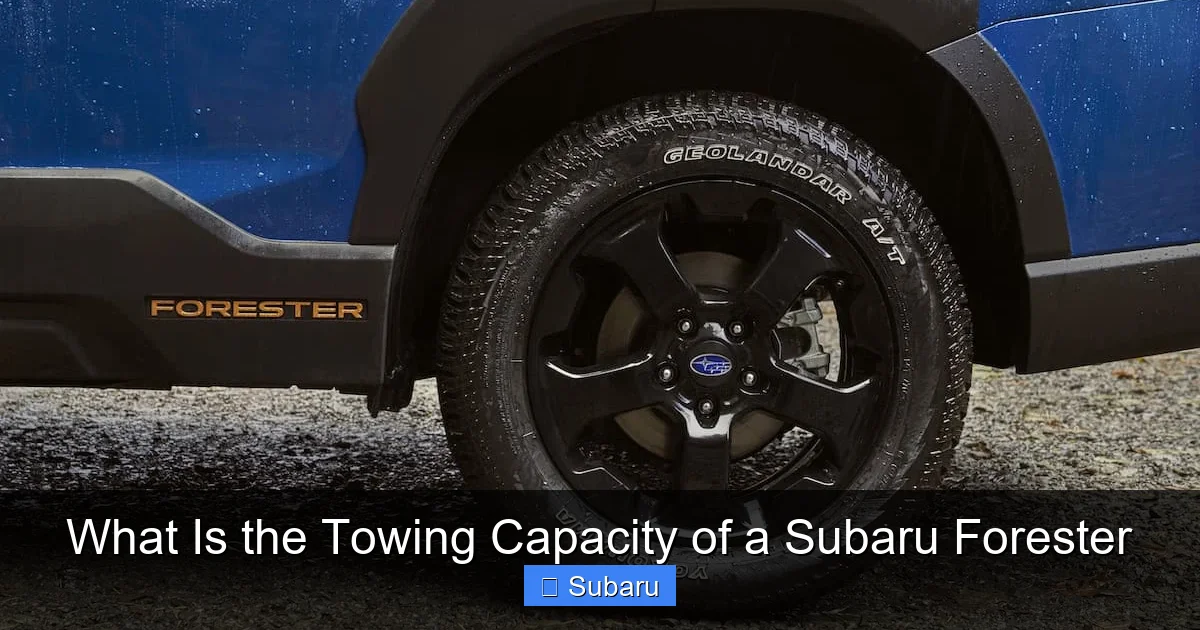
Visual guide about What Is the Towing Capacity of a Subaru Forester
Image source: tractionlife.com
Now let’s get into the specifics. The towing capacity of a Subaru Forester has evolved over the years, so it’s important to know which model you’re dealing with. Here’s a year-by-year breakdown to help you understand what your Forester can handle.
2009–2013 Subaru Forester: The Early Years
The 2009 to 2013 Subaru Forester models were the first to offer a factory towing option, but their capacity was modest. These vehicles came with a 2.5L four-cylinder engine (naturally aspirated or turbocharged) and standard all-wheel drive.
– **Base models (without towing package):** 1,000 pounds
– **With optional towing package:** Up to 1,500 pounds
The towing package typically included a hitch receiver, wiring harness, and sometimes a transmission cooler. However, not all Foresters were sold with this option, so always check your owner’s manual or vehicle documentation.
One thing to note: the turbocharged 2.5XT models had more power, but Subaru still limited their towing capacity to 1,500 pounds due to cooling and transmission concerns. Towing with a turbo engine requires extra caution, especially in hot weather or on long climbs.
2014–2018 Subaru Forester: A Step Forward
The 2014 redesign brought a new platform, improved fuel efficiency, and better interior space. Towing capacity remained similar to the previous generation, but Subaru made the towing package more accessible.
– **Standard towing capacity:** 1,500 pounds
– **With towing package:** Still 1,500 pounds (no increase, but easier to equip)
These models used the same 2.5L four-cylinder engine, and the optional towing package became more common at dealerships. The package included a Class I hitch receiver (rated for up to 2,000 pounds), a 4-pin wiring connector, and instructions for installation.
It’s important to remember that even with the towing package, you shouldn’t exceed 1,500 pounds. Subaru’s official rating didn’t change, even though the hitch could technically handle more. This is because the vehicle’s cooling, brakes, and suspension weren’t designed for heavier loads.
2019–2024 Subaru Forester: The Big Upgrade
The 2019 model year marked a significant improvement in towing capability. Subaru introduced a revised 2.5L engine with direct injection, better fuel economy, and enhanced cooling. More importantly, they updated the transmission and added an optional towing package that increased capacity.
– **Standard towing capacity:** 1,500 pounds
– **With optional towing package:** 2,200 pounds
This was a game-changer for Forester owners. The 2,200-pound rating made it possible to tow small travel trailers, pop-up campers, and even lightweight ATVs. The towing package included a Class II hitch receiver, a 7-pin wiring harness, a transmission cooler, and a rear stabilizer bar to reduce sway.
To qualify for the 2,200-pound rating, the vehicle must have the towing package installed—either at the factory or by a Subaru dealer. Aftermarket hitches alone won’t increase the official capacity. Always verify your vehicle’s equipment before towing.
2025 and Beyond: What to Expect
As of now, Subaru hasn’t announced major changes to the 2025 Forester, but it’s likely to maintain the same 2,200-pound towing capacity with the optional package. Rumors suggest a possible hybrid or plug-in hybrid version in the future, but those models may not be rated for towing due to battery weight and cooling limitations.
For now, if you’re shopping for a new Forester and plan to tow, make sure to select the towing package at the time of purchase. It’s often bundled with other options like the Premium or Limited trim, so check the build sheet carefully.
What You Can Actually Tow with a Subaru Forester
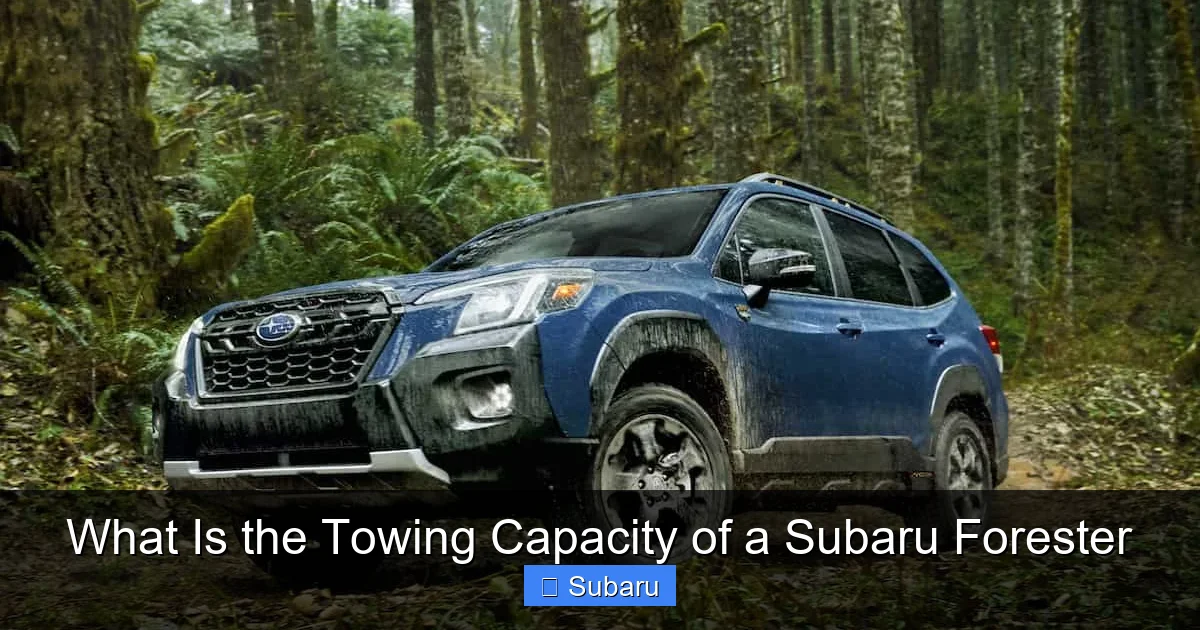
Visual guide about What Is the Towing Capacity of a Subaru Forester
Image source: tractionlife.com
Now that you know the numbers, let’s talk about real-world applications. What can you actually tow with a Subaru Forester? The answer depends on your model year and equipment, but here are some common examples.
Small Utility Trailers
A standard 4×8 or 5×8 utility trailer weighs around 500 to 800 pounds empty. Loaded with landscaping materials, furniture, or camping gear, it might reach 1,200 to 1,500 pounds. This is well within the range of most Foresters, even older models.
For example, if you’re moving mulch for your garden or hauling a few bags of concrete, a 2015 Forester with the towing package can handle it with ease. Just make sure the load is balanced and secured.
Pop-Up Campers and Lightweight Travel Trailers
One of the most popular uses for the Forester’s towing capacity is camping. Pop-up campers, also known as tent trailers, are lightweight and aerodynamic. Many weigh between 1,500 and 2,000 pounds when fully loaded.
Models like the Jayco Jay Series or Forest River R-Pod are excellent matches for a 2019 or newer Forester with the towing package. These campers offer beds, kitchens, and bathrooms—perfect for weekend getaways.
However, always check the dry weight (empty weight) and gross vehicle weight rating (GVWR) of the camper. Add water, propane, and gear, and you could easily reach 2,000 pounds. Stay under the 2,200-pound limit to allow for safety margin.
Boats and Personal Watercraft
If you enjoy fishing or watersports, the Forester can tow small boats and jet skis. A single jet ski on a trailer might weigh 800 to 1,200 pounds. A small aluminum fishing boat with a motor could be 1,500 to 2,000 pounds.
For example, a 14-foot aluminum boat with a 25-horsepower motor and trailer might total 1,800 pounds. That’s within the 2,200-pound limit of a 2020 Forester with the towing package. Just remember to account for fuel, gear, and passengers when calculating total weight.
ATVs and Small Equipment
All-terrain vehicles (ATVs) are another common tow load. A typical ATV weighs 600 to 800 pounds, and a trailer adds another 300 to 500 pounds. That puts the total around 1,100 to 1,300 pounds—well within the Forester’s capabilities.
You can also tow small lawn tractors, generators, or construction equipment, as long as the total weight stays under the limit. Always use proper tie-downs and ensure the trailer is properly balanced.
What You Should Avoid Towing
While the Forester is capable, it’s not designed for heavy loads. Avoid towing:
– Full-size travel trailers (usually 3,000+ pounds)
– Large boats (over 2,000 pounds)
– Cargo trailers loaded beyond 2,200 pounds
– Anything that causes the rear of the vehicle to sag significantly
Towing too much can strain the engine, overheat the transmission, and reduce braking efficiency. It can also void your warranty if damage occurs due to overloading.
Essential Equipment for Safe Towing
Having the right towing capacity is only half the battle. You also need the right equipment to tow safely and legally. Here’s what you’ll need to get the most out of your Subaru Forester.
Factory or Dealer-Installed Towing Package
As mentioned earlier, the towing package is essential for maximizing your Forester’s capacity. For 2019 and newer models, this package includes:
– Class II hitch receiver (2-inch opening)
– 7-pin wiring harness for trailer lights
– Transmission cooler to prevent overheating
– Rear stabilizer bar to reduce sway
– Installation by a certified technician
This package is not available on all trims, so check with your dealer. It’s usually offered on Premium, Limited, and Touring models.
Weight Distribution Hitch (Optional but Recommended)
For heavier loads (over 1,500 pounds), a weight distribution hitch can improve stability. It spreads the tongue weight across all four wheels, reducing strain on the rear suspension and improving steering control.
While not required by Subaru, it’s a smart investment if you plan to tow frequently or on highways. Look for a hitch rated for at least 3,000 pounds to allow room for growth.
Trailer Brake Controller (If Needed)
Most small trailers don’t require electric brakes, but if your trailer weighs over 1,500 pounds and has brakes, you’ll need a brake controller. Subaru doesn’t include one in the towing package, so you’ll need to install an aftermarket unit.
A brake controller allows you to adjust brake force from the driver’s seat, improving stopping power and safety. It’s especially useful on downhill grades or in wet conditions.
Proper Tires and Air Pressure
Towing puts extra stress on your tires. Make sure they’re in good condition and inflated to the recommended pressure. Check the door jamb sticker for the correct PSI.
Consider upgrading to all-terrain or highway-terrain tires if you plan to tow often. They offer better grip and durability under load.
Mirrors and Visibility
When towing, your rearview visibility is reduced. Extendable towing mirrors can help you see around the trailer. Some aftermarket options attach to your existing side mirrors and provide a wider field of view.
Always do a walk-around before driving to ensure the trailer is secure and nothing is obstructing your view.
Tips for Safe and Efficient Towing
Towing isn’t just about hooking up and going. It requires preparation, awareness, and good habits. Here are some tips to help you tow safely with your Subaru Forester.
Know Your Limits
Always stay within the official towing capacity. Even if your trailer is under the limit, consider the total weight including passengers, cargo, and fuel. Use a trailer scale if possible to get an accurate reading.
Practice Before You Go
If you’ve never towed before, practice in an empty parking lot. Get used to how the vehicle handles, how much longer it takes to stop, and how to back up with a trailer.
Backing up is tricky—remember, turning the wheel left makes the trailer go right, and vice versa. Go slow and make small adjustments.
Check Everything Before You Leave
Before every trip, do a pre-tow checklist:
– Hitch and coupler are secure
– Safety chains are crossed and attached
– Lights are working (brake, turn, and tail)
– Tires are inflated and in good condition
– Trailer brakes (if equipped) are functioning
– Load is balanced and secured
Drive Smoothly
Towing changes how your vehicle responds. Accelerate and brake gradually. Avoid sudden lane changes or sharp turns. Give yourself extra space when merging or changing lanes.
On highways, use cruise control cautiously—it can cause the vehicle to surge on hills. In heavy traffic, increase your following distance.
Watch for Overheating
Towing generates extra heat, especially in the transmission and engine. If you’re climbing a long hill or driving in hot weather, monitor your temperature gauge. Pull over if it starts to rise.
The transmission cooler in the towing package helps, but it’s not a guarantee. Avoid towing in extreme conditions if possible.
Maintain Your Vehicle
Towing puts extra wear on your Forester. After long trips, check:
– Transmission fluid level and condition
– Coolant levels
– Brake pads and rotors
– Suspension components
Regular maintenance ensures your vehicle stays reliable and safe.
Common Misconceptions About Towing with a Subaru Forester
There are several myths and misunderstandings about towing with a Forester. Let’s clear them up.
“All Foresters Can Tow 2,200 Pounds”
False. Only 2019 and newer models with the optional towing package can tow 2,200 pounds. Older models are limited to 1,500 pounds, and base models without the package may only handle 1,000 pounds.
“I Can Install an Aftermarket Hitch and Tow More”
Not necessarily. While an aftermarket hitch might have a higher rating, your vehicle’s official towing capacity is set by Subaru. Installing a hitch alone doesn’t increase that number unless it’s part of a certified towing package.
“Towing Won’t Affect My Fuel Economy”
Towing significantly reduces fuel efficiency. Expect a 20% to 30% drop in miles per gallon, especially at highway speeds or on hills. Plan for more frequent fuel stops.
“The Forester Can Tow Anything the Outback Can”
No. The Outback has a higher towing capacity—up to 2,700 pounds with the turbo engine. The Forester is lighter and less powerful, so it’s not as capable.
“I Don’t Need a Towing Package If I’m Only Towing Lightly”
Even for light loads, the towing package provides essential components like the wiring harness and transmission cooler. It’s safer and ensures compliance with Subaru’s guidelines.
Conclusion: Is the Subaru Forester Right for Your Towing Needs?
So, what is the towing capacity of a Subaru Forester? The answer depends on your model year and equipment, but in general, it ranges from 1,500 to 2,200 pounds. That’s enough for small trailers, campers, boats, and ATVs—but not for heavy-duty hauling.
The Forester shines as a versatile, reliable SUV for everyday driving and light adventures. With the right setup, it can be a great companion for weekend trips and outdoor activities. Just remember to stay within its limits, use proper equipment, and maintain your vehicle.
If you’re shopping for a Forester and plan to tow, aim for a 2019 or newer model with the optional towing package. It offers the best balance of capability, safety, and peace of mind. And always consult your owner’s manual or a Subaru dealer if you’re unsure about your vehicle’s towing specs.
Towing doesn’t have to be intimidating. With the right knowledge and preparation, your Subaru Forester can handle the job—safely and efficiently.
Frequently Asked Questions
Can a Subaru Forester tow a camper?
Yes, but only lightweight pop-up campers or small travel trailers under 2,200 pounds. Heavier campers exceed the Forester’s towing capacity and should not be towed.
Do I need a special hitch to tow with my Forester?
Yes, you need a Class I or Class II hitch receiver, depending on your model year. For 2019 and newer models, a Class II hitch is required to achieve the 2,200-pound capacity.
Can I install a towing package after purchasing my Forester?
Yes, but it must be installed by a Subaru dealer to qualify for the increased towing rating. Aftermarket installations may not meet Subaru’s safety standards.
Does towing void my Subaru warranty?
No, as long as you stay within the official towing capacity and use approved equipment. Overloading or improper towing can void your warranty, however.
What happens if I exceed the towing capacity?
Exceeding the limit can cause transmission overheating, brake failure, suspension damage, and loss of control. It’s unsafe and can result in costly repairs.
Can the Subaru Forester tow a motorcycle?
Yes, a motorcycle on a small trailer typically weighs under 1,000 pounds, well within the Forester’s capacity—even for older models.
