
What Is the Temperature at Dodger Stadium?

The temperature at Dodger Stadium varies depending on the season, time of day, and weather patterns. Located in Los Angeles, the ballpark experiences mild winters and warm summers, but microclimates within the stadium can affect comfort. Knowing what to expect helps fans dress appropriately and enjoy the game.
Key Takeaways
- Temperature varies by season: Summer games can reach 85°F–95°F, while spring and fall games average 65°F–75°F.
- Time of day matters: Night games start warm but cool down significantly after sunset, especially in upper decks.
- Microclimates exist: Shaded areas, open concourses, and field-level seats experience different temperatures.
- Elevation plays a role: At 1,100 feet above sea level, Dodger Stadium is cooler than downtown LA.
- Weather influences comfort: Coastal breezes, humidity, and Santa Ana winds can dramatically change how warm or cool it feels.
- Dress in layers: Wearing breathable fabrics and bringing a light jacket ensures comfort throughout the game.
- Check forecasts: Use real-time weather apps to plan your visit and avoid surprises.
📑 Table of Contents
Understanding the Climate at Dodger Stadium
Nestled in the hills of Chavez Ravine, Dodger Stadium isn’t just a baseball landmark—it’s a weather microcosm. The temperature at Dodger Stadium can shift dramatically from the first pitch to the final out, and even from one section of the ballpark to another. Unlike open-air stadiums in flat, urban centers, Dodger Stadium’s elevated location and surrounding geography create unique climate conditions that every fan should understand.
Los Angeles is known for its Mediterranean climate—mild, wet winters and warm, dry summers. But Dodger Stadium, perched about 1,100 feet above sea level, sits just far enough from the coast to avoid the marine layer that cools downtown LA and the beaches. This means that while coastal areas might be shrouded in June gloom, Dodger Stadium often basks in sunshine and warmth. However, this elevation also means the air is thinner and temperatures drop faster at night, especially in the upper decks.
The stadium’s design—partially open, with sweeping views of the San Gabriel Mountains and downtown skyline—allows for natural airflow, but it also exposes fans to the elements. Whether you’re sitting in the sun-drenched infield or the shaded upper reserved, the temperature at Dodger Stadium can feel completely different depending on where you’re seated. Add in the time of year, the time of day, and unpredictable weather patterns like Santa Ana winds, and you’ve got a dynamic environment that requires preparation.
Why Location Matters
Dodger Stadium’s location is one of its most defining features—and one of the biggest factors influencing its temperature. Unlike ballparks built in flat, urban zones, Dodger Stadium is carved into a hillside, offering panoramic views but also creating natural wind tunnels and shaded zones. The elevation means the air is cooler than at sea level, but the lack of coastal fog allows for more direct sunlight during the day.
This elevation also affects how quickly the temperature drops after sunset. While downtown LA might stay relatively warm into the evening due to the urban heat island effect, Dodger Stadium cools rapidly once the sun goes behind the hills. This is especially noticeable in the upper decks, where fans are more exposed to the open sky and wind.
Additionally, the stadium’s orientation—facing east—means that morning and early afternoon games receive direct sunlight on the third-base side and upper decks. By contrast, the first-base side and lower sections may remain in shade longer, creating a noticeable temperature difference between sections.
Seasonal Variations in Temperature
The temperature at Dodger Stadium changes significantly with the seasons, and understanding these patterns can help fans plan their visit.
During the spring (March to May), daytime highs typically range from 65°F to 75°F. Nights are cooler, often dipping into the 50s. This is one of the most comfortable times to attend a game, with mild temperatures and low humidity. However, spring can also bring unpredictable weather, including occasional rain showers or unseasonably warm days.
Summer (June to August) is when Dodger Stadium heats up. Daytime temperatures often reach 85°F to 95°F, especially during afternoon games. The sun beats down on exposed seating areas, and the dry air can make it feel even hotter. Night games start warm but cool down quickly after sunset. By the 7th or 8th inning, fans in the upper decks may feel a noticeable chill, especially if there’s a breeze.
Fall (September to October) brings a return to milder conditions. Early September can still feel like summer, with highs in the 80s, but by late October, temperatures drop to the 60s and 70s. This is another ideal time to visit, with comfortable weather and fewer crowds.
Winter games are rare, as the MLB season ends in early October, but spring training in February and March can feel wintry. Temperatures may hover in the 50s and 60s, with occasional rain. Fans should be prepared for cool, damp conditions during these months.
How Time of Day Affects Temperature
Visual guide about What Is the Temperature at Dodger Stadium?
Image source: baseballpilgrimages.com
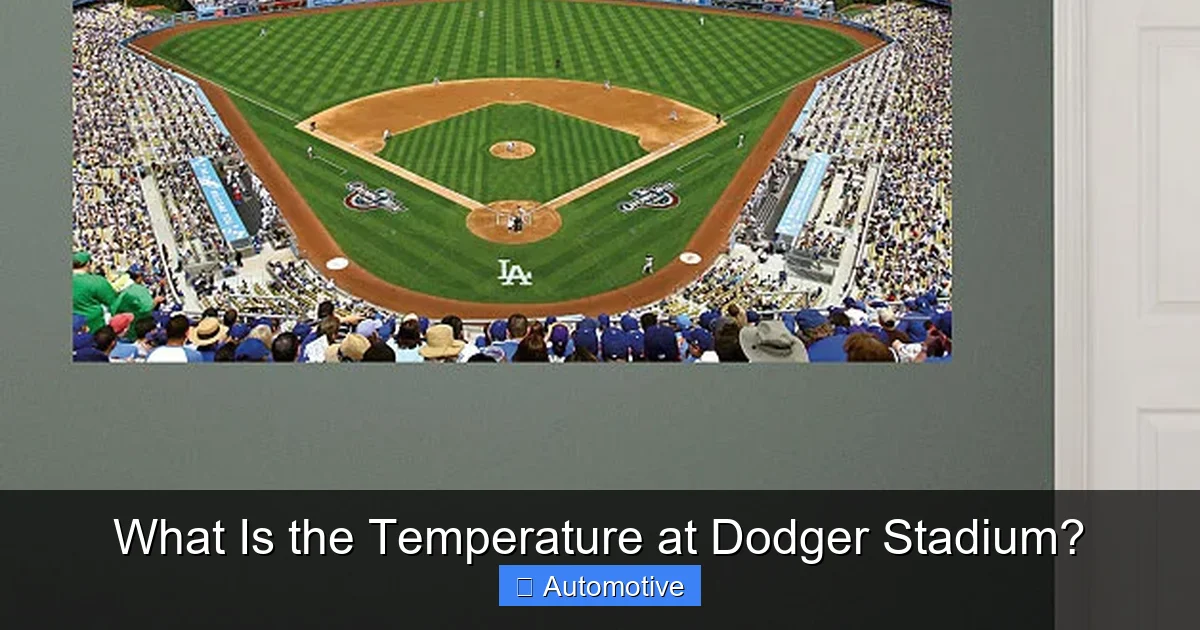
One of the most important factors in determining the temperature at Dodger Stadium is the time of day the game is played. Unlike indoor venues, open-air ballparks are directly influenced by the sun and sky.
Day games, especially those starting at 1:10 PM, are the hottest. The sun is high in the sky, and seating areas exposed to direct sunlight can feel significantly warmer than the official air temperature. Metal bleachers and concrete concourses absorb heat, making surfaces hot to the touch. Fans in the outfield pavilions or upper decks may feel the full force of the sun, while those in shaded areas or under overhangs stay cooler.
As the game progresses into the late afternoon, the angle of the sun changes. By 4:00 PM, the third-base side begins to enter shade, while the first-base side may still be in full sun. This creates a noticeable temperature split across the stadium. Fans moving between sections may feel the difference immediately.
Night games, which typically start at 7:10 PM, begin with warm temperatures—often in the 70s or 80s in summer. But as the sun sets behind the hills, the temperature drops rapidly. Within an hour of sunset, it’s not uncommon for the air to cool by 10 to 15 degrees. By the later innings, especially in the upper decks, fans may feel a crisp breeze and need a light jacket.
This rapid cooling is due to the stadium’s elevation and lack of surrounding buildings to trap heat. Unlike downtown LA, where concrete and asphalt retain warmth, Dodger Stadium is surrounded by open space and hills, allowing heat to escape quickly.
Sunset and the “Dodger Stadium Chill”
One of the most talked-about phenomena at Dodger Stadium is the sudden drop in temperature after sunset, often referred to as the “Dodger Stadium chill.” This is especially noticeable during summer night games.
Imagine this: It’s a July evening, and the game starts at 7:10 PM with temperatures in the mid-80s. The sun is still up, and fans are enjoying cold drinks in the sunshine. But by 8:30 PM, the sun dips below the horizon, and within 20 minutes, the temperature plummets. Upper-deck fans, already exposed to the wind, may suddenly feel cold, even if they were sweating just an hour earlier.
This rapid cooling is caused by the combination of elevation, dry air, and lack of urban heat retention. The dry climate means there’s little moisture in the air to hold heat, so once the sun is gone, the warmth dissipates quickly. Add in the natural breeze that flows through the canyon, and you’ve got a cooling effect that can catch unprepared fans off guard.
For this reason, many regulars recommend bringing a light jacket or sweater, even on warm summer nights. A hoodie, fleece, or windbreaker can make a big difference in comfort during the later innings.
Microclimates Within the Stadium
Visual guide about What Is the Temperature at Dodger Stadium?
Image source: eatlife.net
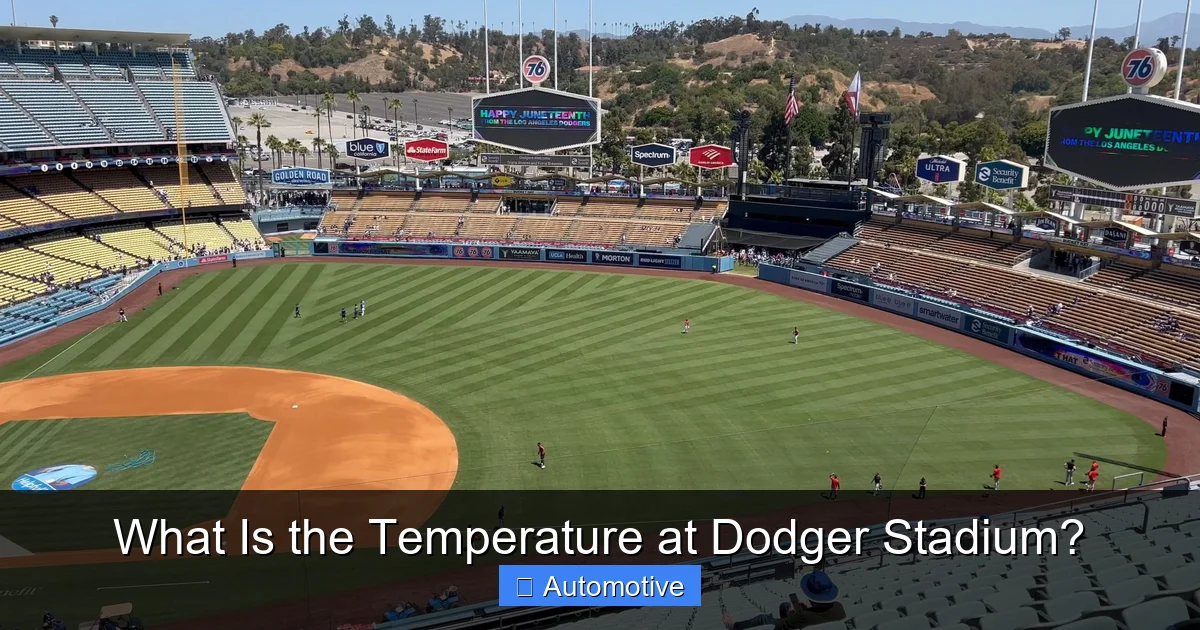
Not all seats at Dodger Stadium experience the same temperature. The stadium’s design creates several microclimates—small areas with distinct weather conditions—based on sun exposure, wind flow, and elevation.
The field-level seats, especially along the first and third baselines, are often the warmest during day games. These areas receive direct sunlight for much of the afternoon and are close to the playing field, which can radiate heat. However, they also benefit from shade as the sun moves, and many have access to covered concourses.
The outfield pavilions, including the famous “Top Deck,” are among the most exposed. These upper-level seats are high above the field and fully open to the sky. During the day, they can be scorching hot under the sun. At night, they cool down the fastest and are most affected by wind. Fans in these sections should be prepared for both extremes.
The club level and suite areas often have more climate control, with shaded seating, overhangs, and access to air-conditioned lounges. These areas tend to be more comfortable, especially during hot summer days.
Concourse areas vary widely. Some are open and breezy, while others are enclosed and can feel stuffy. The main concourses on the field and loge levels are wide and open, allowing for good airflow. But during crowded games, these areas can feel warm and congested.
Shade vs. Sun: Choosing Your Seat
One of the biggest decisions fans make is whether to sit in the shade or the sun. This choice directly affects the temperature at Dodger Stadium for each individual.
Seats on the third-base side (left field) typically receive morning sun but enter shade by early afternoon. This makes them ideal for fans who want to start warm but avoid the peak heat. The first-base side (right field) gets afternoon sun, which can be intense during summer games.
Upper-deck seats on the third-base side may be shaded earlier, while those on the first-base side stay sunny longer. The top deck, especially in sections 101–110, is fully exposed and can be very hot during day games.
For night games, the sun exposure matters less, but wind and elevation become more important. Upper-deck seats on the third-base side may feel cooler due to better airflow, while first-base side seats might retain more warmth from the afternoon sun.
Fans can use seat maps and sun trackers to predict shade patterns based on the game time and date. Many Dodger Stadium apps and websites offer “sun and shade” views to help fans choose the best seats for their comfort.
Weather Patterns That Influence Temperature
Visual guide about What Is the Temperature at Dodger Stadium?
Image source: pixelstalk.net
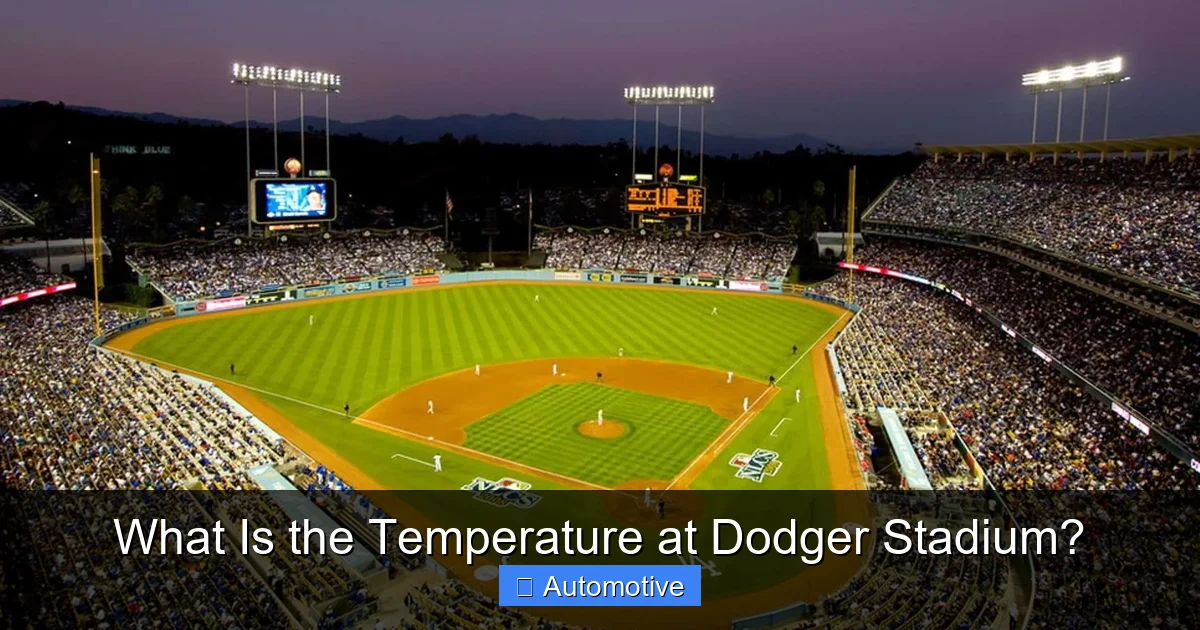
While the temperature at Dodger Stadium is largely driven by season and time of day, larger weather patterns can cause significant variations.
One of the most dramatic is the Santa Ana wind. These hot, dry winds blow from the desert toward the coast, typically in fall and winter. When a Santa Ana event occurs, temperatures at Dodger Stadium can spike 10 to 20 degrees above normal. The air feels dry and dusty, and the wind can be strong, making it feel even hotter.
Conversely, coastal breezes from the Pacific can cool the stadium, especially in spring and early summer. These breezes often arrive in the late afternoon and can lower temperatures by several degrees. However, they are less common at Dodger Stadium than at coastal ballparks due to the elevation and inland location.
Humidity is generally low in Los Angeles, but occasional marine layer intrusions can bring fog and higher humidity. This is more common in spring and can make the air feel cooler and damper, especially in the evenings.
Rain is rare during the regular season but can occur in spring. When it does, the temperature drops quickly, and the stadium can feel chilly and damp. Fans should always check the forecast and bring a rain poncho if needed.
The Role of Wind
Wind is a major factor in how the temperature at Dodger Stadium feels. The stadium’s location in a natural canyon creates wind tunnels, especially in the upper decks and along the third-base line.
During the day, wind can provide relief from the heat, making it feel cooler than the actual temperature. But at night, the same wind can make it feel much colder, especially when combined with the rapid cooling after sunset.
Fans in exposed seating should be prepared for gusty conditions, particularly during spring and fall when weather systems are more active. A light windbreaker or layered clothing can help manage the chill.
Tips for Staying Comfortable
Knowing the temperature at Dodger Stadium is one thing—staying comfortable is another. Here are practical tips for fans to enjoy the game regardless of the weather.
First, dress in layers. A t-shirt or tank top is great for the start of a summer game, but a light jacket or hoodie is essential for the later innings. Fleece pullovers, windbreakers, and zip-up sweaters are ideal because they’re easy to put on and take off.
Choose breathable fabrics like cotton or moisture-wicking synthetics. Avoid heavy materials that trap heat or don’t dry quickly if you sweat.
Stay hydrated. Even if it doesn’t feel hot, the dry air can dehydrate you quickly. Bring a refillable water bottle—Dodger Stadium has water stations throughout the concourse.
Use sunscreen and wear a hat or cap, especially in exposed seating. The sun at elevation is stronger, and sunburn can happen quickly.
Check the weather forecast before you go. Apps like Weather.com, AccuWeather, or the MLB Ballpark app provide real-time updates and hourly forecasts. Look for wind, humidity, and sunset times to plan your outfit.
Consider seat location carefully. If you’re sensitive to heat, choose shaded seats on the third-base side for day games. If you get cold easily, opt for lower-level seats or bring extra layers for night games.
Finally, take advantage of the stadium’s amenities. Many concourses have misting fans during hot games, and club areas offer air-conditioned lounges. Use these spaces to cool down or warm up as needed.
Conclusion
The temperature at Dodger Stadium is as dynamic as the game itself. Influenced by elevation, time of day, season, and weather patterns, it can shift from sweltering to chilly within a single game. Understanding these factors helps fans dress appropriately, choose the right seats, and enjoy every inning in comfort.
Whether you’re catching a sunny afternoon game in July or a cool October night under the lights, being prepared makes all the difference. With the right clothing, a little planning, and an awareness of the stadium’s microclimates, you can focus on what really matters—the crack of the bat, the roar of the crowd, and the magic of baseball at one of the most beautiful ballparks in the world.
Frequently Asked Questions
What is the average temperature at Dodger Stadium during summer games?
The average temperature at Dodger Stadium during summer games ranges from 85°F to 95°F during the day. Night games start warm but cool down significantly after sunset, often dropping into the 70s by the later innings.
Does Dodger Stadium get cold at night?
Yes, especially in the upper decks. Due to the stadium’s elevation and lack of urban heat retention, temperatures can drop 10 to 15 degrees after sunset. Fans are advised to bring a light jacket or sweater.
Are there shaded seats at Dodger Stadium?
Yes, many seats are shaded, especially on the third-base side during afternoon games. Fans can use seat maps with sun and shade indicators to choose cooler seating options.
How does elevation affect the temperature at Dodger Stadium?
At 1,100 feet above sea level, Dodger Stadium is cooler than downtown LA. The higher elevation means thinner air and faster cooling after sunset, contributing to the “Dodger Stadium chill.”
Can weather events like Santa Ana winds affect the temperature?
Yes, Santa Ana winds can cause temperatures to spike 10 to 20 degrees above normal. These hot, dry winds are most common in fall and can make the stadium feel much warmer than usual.
What should I wear to a game at Dodger Stadium?
Wear breathable clothing and dress in layers. A t-shirt is fine for the start of the game, but bring a light jacket, hoodie, or windbreaker for the later innings, especially at night.