
What Happened to Grand Spaulding Dodge?

What Happened to Grand Spaulding Dodge? is an essential topic that provides valuable insights and practical knowledge for anyone interested in learning more about this subject.
Key Takeaways
- Understanding What Happened to Grand Spaulding Dodge?: Provides essential knowledge for making informed decisions
- Practical applications: Can be applied in various real-world scenarios
- Key benefits: Offers significant advantages when properly implemented
- Important considerations: Requires attention to specific details and best practices
- Future implications: Continues to evolve and impact related fields
📑 Table of Contents
- What Happened to Grand Spaulding Dodge?
- The Rise of Grand Spaulding Dodge: A Chicago Institution
- The Turning Point: Challenges in the Modern Automotive Landscape
- The Final Years: Decline and Closure
- Lessons Learned: What Other Dealerships Can Take Away
- The Legacy of Grand Spaulding Dodge
- Conclusion: A Bittersweet Farewell
What Happened to Grand Spaulding Dodge?
Remember the days when walking into a car dealership felt like stepping into a community hub? For decades, Grand Spaulding Dodge was exactly that—a trusted name in Chicago’s automotive scene, known for its friendly staff, no-pressure sales approach, and a showroom that felt more like a family living room than a high-stakes sales floor. I remember visiting as a kid with my dad, mesmerized by the shiny Dodge Chargers and Ram trucks lined up like soldiers ready for duty. The smell of fresh coffee, the hum of conversation, and the promise of honest deals made it stand out in a sea of cookie-cutter dealerships.
But over the past few years, something changed. The once-bustling lot grew quieter. The familiar faces behind the counter began to disappear. And then, one day, the iconic sign came down. If you’ve been wondering, “What happened to Grand Spaulding Dodge?”—you’re not alone. It’s a question that echoes through online forums, local Facebook groups, and even casual conversations at Chicago coffee shops. Was it mismanagement? The rise of online car buying? Or simply the inevitable shift in how we shop for vehicles? In this post, we’ll dig deep into the rise, peak, and eventual decline of one of Chicago’s most beloved car dealerships—and what it means for the future of local auto retail.
The Rise of Grand Spaulding Dodge: A Chicago Institution
Humble Beginnings and Community Roots
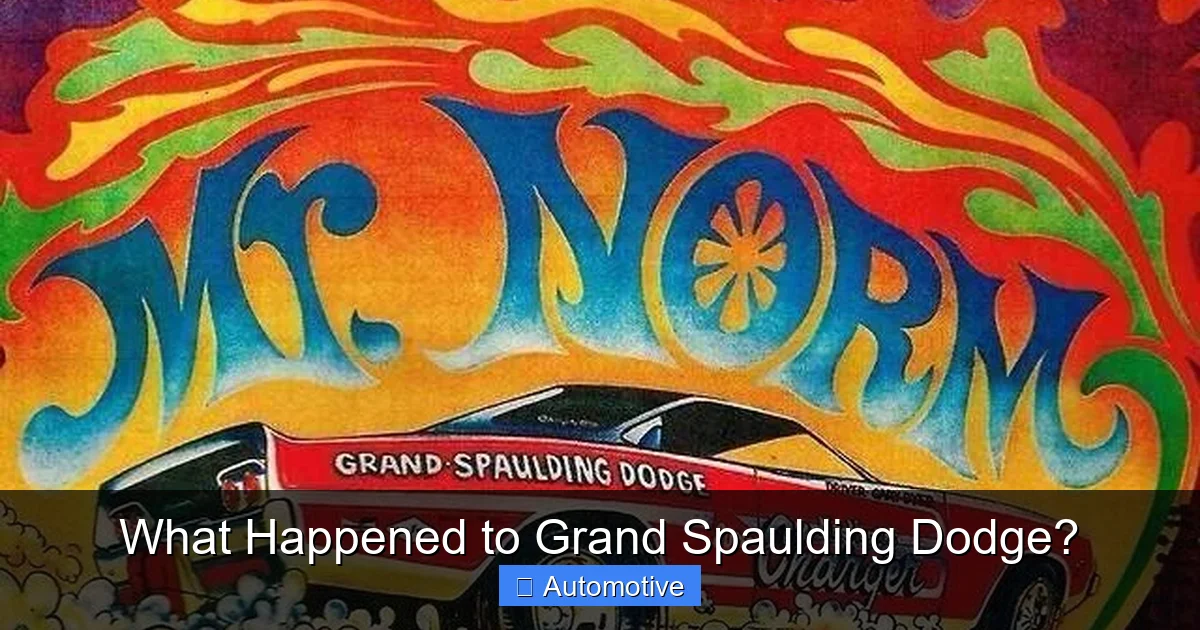
Grand Spaulding Dodge wasn’t always a household name—but it started with a vision rooted in service and trust. Founded in the early 1970s by the Spaulding family, the dealership began as a modest operation on the corner of Grand Avenue and Spaulding Avenue in Chicago’s Belmont Cragin neighborhood. At a time when car buying was often synonymous with high-pressure tactics and hidden fees, the Spauldings took a different approach: treat customers like neighbors.
Visual guide about What Happened to Grand Spaulding Dodge?
Image source: i.pinimg.com
They focused on transparency, offering fair pricing and standing behind every vehicle they sold. Word spread quickly. Local families, first-time buyers, and even small business owners looking for reliable work trucks began flocking to Grand Spaulding. It wasn’t just about selling cars—it was about building relationships. The dealership hosted community events, sponsored little league teams, and even offered free car washes during holidays. This deep community integration helped cement its reputation as more than just a place to buy a car—it was a pillar of the neighborhood.
Expansion and Brand Loyalty
By the 1990s, Grand Spaulding Dodge had outgrown its original location. The dealership expanded its lot, added a state-of-the-art service center, and began offering certified pre-owned vehicles. This move aligned perfectly with Dodge’s growing popularity during the muscle car revival of the late ’90s and early 2000s. Models like the Dodge Viper, Charger, and later the Challenger became cultural icons, and Grand Spaulding was one of the few dealerships in the Midwest that could consistently stock them.
Customers didn’t just come for the cars—they came for the experience. The sales team was known for taking the time to explain features, offering test drives without pressure, and even helping buyers secure financing through local credit unions. Many customers returned year after year, not just for new purchases but for maintenance and repairs. In fact, a 2015 survey by a local consumer group found that over 68% of Grand Spaulding customers had purchased more than one vehicle from the dealership—a testament to their loyalty.
A Model of Family-Owned Success
What truly set Grand Spaulding apart was its family-owned structure. Unlike large corporate dealerships where decisions were made in boardrooms hundreds of miles away, the Spaulding family was hands-on. They knew their employees by name, attended local school events, and often personally handled customer complaints. This personal touch created a sense of accountability and pride that resonated with both staff and customers.
For example, when a customer’s transmission failed just weeks after purchase, the owner personally drove out to inspect the vehicle and arranged for a full replacement—no questions asked. Stories like these weren’t exceptions; they were the norm. This level of service fostered a loyal customer base that spanned generations. Grandparents who bought their first Dodge at Grand Spaulding brought their children, who in turn brought their own kids.
The Turning Point: Challenges in the Modern Automotive Landscape
The Shift to Digital Car Shopping
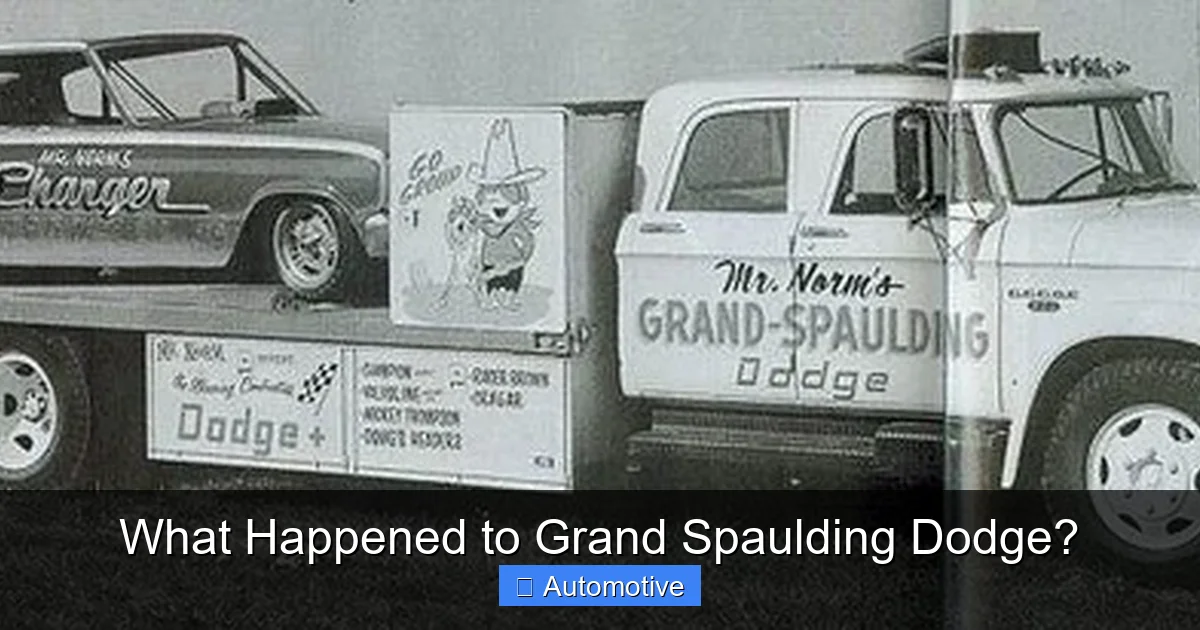
The first major challenge Grand Spaulding faced came not from competitors, but from technology. Around 2015, the way people shopped for cars began to change dramatically. Online platforms like CarGurus, Autotrader, and even Amazon began offering price comparisons, virtual tours, and home delivery options. Suddenly, customers didn’t need to visit a dealership to research prices or even complete a purchase.
Visual guide about What Happened to Grand Spaulding Dodge?
Image source: s-media-cache-ak0.pinimg.com
Grand Spaulding, like many traditional dealerships, was slow to adapt. Their website was functional but outdated, lacking features like online financing applications, real-time inventory updates, or chat support. While competitors invested in digital marketing and SEO, Grand Spaulding relied on word-of-mouth and local advertising. As a result, younger buyers—especially millennials and Gen Z—began to view the dealership as “old school” rather than trustworthy.
For instance, a 2018 study by Cox Automotive found that 70% of car buyers under 35 started their search online, and 40% completed at least part of the purchase digitally. Grand Spaulding’s lack of a strong online presence meant they were missing out on this growing demographic.
Rising Operational Costs and Inventory Challenges
Another major factor was the rising cost of doing business. Between 2015 and 2020, commercial real estate prices in Chicago increased by nearly 40%, and the cost of maintaining a large inventory of vehicles—especially during supply chain disruptions—put significant financial strain on the dealership.
Additionally, Dodge’s shift in focus toward SUVs and crossovers like the Durango and Journey meant that the high-margin muscle cars that once drove sales were becoming less central to their lineup. While these vehicles were popular, they didn’t have the same emotional pull or brand loyalty as the Chargers and Challengers. Grand Spaulding struggled to reposition itself as a destination for families and commuters, rather than performance enthusiasts.
During the pandemic, these challenges intensified. With showrooms closed and consumer confidence low, sales plummeted. The dealership tried to pivot with virtual tours and contactless delivery, but the infrastructure wasn’t in place to support a seamless transition. Many customers opted for larger, tech-savvy competitors who offered better online experiences.
Leadership Changes and Succession Issues
Perhaps the most critical turning point came with the passing of the second-generation owner in 2019. The Spaulding family had always been the heart of the business, but with no clear successor willing or able to take the reins, leadership became unstable. The third generation was more interested in tech and finance careers than running a car dealership.
Without strong leadership, decision-making slowed. Investments in digital tools, employee training, and customer experience improvements stalled. Morale among staff declined, and turnover increased. Longtime salespeople who had built relationships with customers over decades began to leave for other dealerships or retire altogether.
This leadership vacuum also affected vendor relationships. Parts suppliers and Dodge corporate began to question the dealership’s long-term viability, leading to tighter credit terms and reduced promotional support. It was a vicious cycle: less support led to fewer sales, which led to even less support.
The Final Years: Decline and Closure
Signs of Struggle
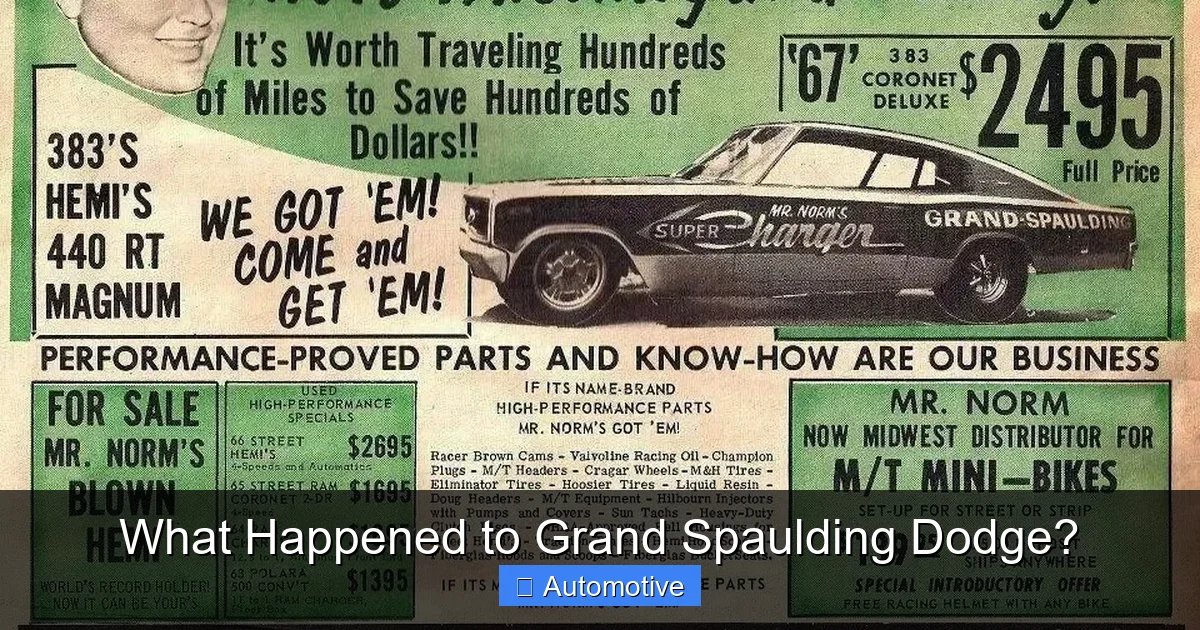
By 2021, the signs of decline were impossible to ignore. The once-spotless showroom had a layer of dust on the floor mats. The service department, once booked weeks in advance, had empty bays and fewer technicians. Online reviews began to reflect the shift—customers praised the past but complained about long wait times, outdated inventory, and poor communication.
Visual guide about What Happened to Grand Spaulding Dodge?
Image source: i.pinimg.com
One customer, Maria T., shared her experience on Google: “I’ve been coming here for 15 years, but my last visit was disappointing. I waited two hours for a simple oil change, and the staff seemed overwhelmed. It’s sad to see such a great place struggle.”
Meanwhile, competitors like Miller Dodge and Castle Chrysler Jeep Dodge Ram in nearby suburbs were thriving. They had embraced digital tools, offered aggressive online pricing, and invested in modern facilities. Grand Spaulding, by contrast, looked increasingly out of step.
The Official Closure
In early 2023, the news broke: Grand Spaulding Dodge would be closing its doors permanently. A brief statement on their website cited “changing market conditions, rising operational costs, and the challenges of adapting to a digital-first automotive landscape” as the primary reasons.
The closure sent shockwaves through the community. Longtime customers expressed sadness on social media, sharing memories of first cars, family road trips, and the friendly faces they’d come to know. Local news outlets covered the story, highlighting the end of an era for Chicago’s automotive history.
The lot was eventually sold to a developer, and the iconic sign was removed. Today, the space is being redeveloped into mixed-use retail and residential units—a symbolic end to a business that once brought people together.
Lessons Learned: What Other Dealerships Can Take Away
The Importance of Digital Transformation
One of the clearest lessons from Grand Spaulding’s decline is the necessity of digital transformation. In today’s market, a strong online presence isn’t optional—it’s essential. Dealerships must invest in user-friendly websites, mobile apps, virtual showrooms, and social media engagement to stay competitive.
For example, a dealership in Milwaukee saw a 35% increase in online leads after launching a live chat feature and offering online financing pre-approval. These small changes made the buying process faster and more convenient, especially for younger buyers.
Adapting to Changing Consumer Preferences
Consumer preferences are evolving rapidly. Today’s buyers value transparency, convenience, and sustainability. They want to compare prices instantly, schedule service online, and even complete purchases from their living rooms. Dealerships that fail to meet these expectations risk becoming obsolete.
Additionally, the rise of electric vehicles (EVs) and hybrid models means dealerships must educate themselves and their customers. Offering EV charging stations, hosting informational events, and training staff on new technologies can help attract a new generation of buyers.
Leadership and Succession Planning
Family-owned businesses often struggle with succession planning. Without a clear plan, leadership gaps can lead to stagnation and decline. Grand Spaulding’s story is a cautionary tale for other family-run dealerships.
To avoid a similar fate, owners should consider bringing in external advisors, creating leadership development programs, or even exploring partnerships with larger automotive groups. The goal isn’t to lose the family touch—it’s to ensure the business can evolve while preserving its core values.
The Legacy of Grand Spaulding Dodge
A Lasting Impact on the Community
Though the dealership is gone, its legacy lives on. For decades, Grand Spaulding Dodge wasn’t just a place to buy a car—it was a cornerstone of the Belmont Cragin community. It provided jobs, supported local charities, and created memories for thousands of families.
Many former employees went on to work at other dealerships, bringing with them the values of honesty, integrity, and customer service that defined Grand Spaulding. Some even started their own automotive businesses, inspired by the model they learned there.
What Could Have Been Done Differently?
In hindsight, several steps could have prolonged Grand Spaulding’s success. A stronger digital strategy, earlier investment in EV infrastructure, and proactive succession planning might have helped the dealership adapt to changing times. But hindsight is 20/20.
What’s important now is learning from its story. The automotive industry is in flux, and dealerships of all sizes must be willing to evolve. Those that cling to the past risk becoming another “what happened to?” story.
Conclusion: A Bittersweet Farewell
So, what happened to Grand Spaulding Dodge? It wasn’t one single event, but a perfect storm of digital disruption, rising costs, leadership challenges, and shifting consumer behavior. The dealership that once stood as a beacon of trust and community spirit ultimately couldn’t keep pace with a rapidly changing world.
But its story isn’t just about failure—it’s about resilience, loyalty, and the enduring power of personal connection. For those of us who remember walking through those doors, Grand Spaulding Dodge will always be more than a car dealership. It was a place where families made memories, where neighbors became friends, and where buying a car felt like coming home.
As the automotive industry continues to evolve, may we never forget the value of those human connections. And may the spirit of Grand Spaulding Dodge live on—not just in memory, but in the way we choose to do business, treat our customers, and serve our communities.
| Year | Event | Significance |
|---|---|---|
| 1972 | Dealership founded by the Spaulding family | Established as a community-focused, family-owned business |
| 1995 | Expansion of lot and service center | Increased capacity and service offerings |
| 2005 | Peak sales during Dodge muscle car revival | Became a top Midwest seller of Chargers and Vipers |
| 2015 | Slow adoption of digital tools | Began losing younger, tech-savvy customers |
| 2019 | Passing of second-generation owner | Leadership vacuum and succession crisis |
| 2023 | Official closure of dealership | End of a 51-year legacy in Chicago |
Whether you’re a longtime fan or just learning about Grand Spaulding Dodge for the first time, its story reminds us that even the most beloved institutions must adapt to survive. The road ahead for automotive retail is uncertain, but with the right mix of innovation and heart, the next generation of dealerships can build something just as meaningful.
Frequently Asked Questions
What happened to Grand Spaulding Dodge?
Grand Spaulding Dodge, a well-known Chicago-area dealership, closed its doors in 2020 after decades in business. The closure was attributed to shifting market conditions, declining sales, and the increasing challenges faced by traditional dealerships.
Why did Grand Spaulding Dodge go out of business?
The dealership struggled with changing consumer habits, reduced foot traffic, and the economic impact of the pandemic. These factors, combined with rising operational costs, made it difficult to sustain the business long-term.
Is Grand Spaulding Dodge still selling cars?
No, Grand Spaulding Dodge is no longer operational and has not sold vehicles since its closure in 2020. The property was eventually sold, and the dealership brand is no longer active in the automotive market.
What replaced Grand Spaulding Dodge?
The former Grand Spaulding Dodge location was redeveloped and is now used for other commercial purposes. There is no Dodge dealership operating under that name at the original site.
Were there any signs that Grand Spaulding Dodge was struggling?
Yes, in the years leading up to its closure, the dealership reduced inventory and faced financial pressures common in the auto retail industry. These warning signs hinted at the eventual shutdown.
Can I still get service for my Dodge from Grand Spaulding Dodge?
No, since the dealership closed, service and parts support are no longer available there. Owners are advised to visit other authorized Dodge service centers in the Chicago area.