
What Is the Bolt Pattern on a Toyota 4runner?

The bolt pattern on a Toyota 4Runner is consistently 6×139.7mm (6×5.5 inches) across nearly all model years, making it one of the most reliable and widely compatible patterns in the SUV world. This uniform specification simplifies wheel upgrades, tire swaps, and aftermarket modifications, especially for off-road enthusiasts and daily drivers alike.
If you’re a Toyota 4Runner owner—or thinking about becoming one—you’ve probably heard the term “bolt pattern” thrown around when discussing wheels, tires, or off-road upgrades. But what exactly does it mean, and why should you care? Whether you’re looking to upgrade your ride with aggressive all-terrain tires, install a new set of custom wheels, or simply replace a damaged rim, understanding the bolt pattern on your 4Runner is essential.
The bolt pattern, also known as the lug pattern or PCD (Pitch Circle Diameter), refers to the number of lug nuts and the diameter of the imaginary circle they form. It’s a critical specification that determines whether a wheel will fit your vehicle safely and securely. For the Toyota 4Runner, this detail has remained remarkably consistent over the years, which is great news for owners who want flexibility in customization. But like any vehicle specification, it’s not just about knowing the number—it’s about understanding how it impacts performance, safety, and compatibility.
In this guide, we’ll dive deep into everything you need to know about the bolt pattern on a Toyota 4Runner. From its history and technical details to practical tips for wheel selection and installation, we’ll cover it all. Whether you’re a weekend warrior hitting the trails or a city driver looking for a sleek new look, this information will help you make smart, safe decisions about your 4Runner’s wheels.
Key Takeaways
- Standard Bolt Pattern: The Toyota 4Runner has used a 6×139.7mm (6×5.5″) bolt pattern since the third generation (1996–2002) and continues through current models.
- Model Year Consistency: Nearly all 4Runners from 1996 to present share the same bolt pattern, with rare exceptions in early generations.
- Wheel Compatibility: This pattern is shared with other Toyota trucks like the Tacoma, Tundra, and Land Cruiser, allowing for easy wheel swaps.
- Importance of Correct Fit: Using the wrong bolt pattern can cause vibration, unsafe driving conditions, and damage to hubs and wheels.
- Adapters and Spacers: Bolt pattern adapters can be used for non-standard wheels, but they must be high-quality and properly installed.
- Off-Road and Custom Builds: The 6×5.5″ pattern is popular in the off-road community, offering access to a wide range of performance wheels and tires.
- Always Double-Check: Even with consistency, always verify your specific 4Runner’s bolt pattern before purchasing new wheels or parts.
📑 Table of Contents
- What Is a Bolt Pattern and Why Does It Matter?
- The Toyota 4Runner Bolt Pattern: A Model-by-Model Breakdown
- Why the 6×139.7mm Pattern Is So Popular
- How to Verify Your 4Runner’s Bolt Pattern
- Upgrading Your 4Runner’s Wheels: What to Consider
- Bolt Pattern Adapters and Spacers: When and How to Use Them
- Common Mistakes to Avoid
- Conclusion
What Is a Bolt Pattern and Why Does It Matter?
Before we get into the specifics of the 4Runner, let’s break down what a bolt pattern actually is. Simply put, the bolt pattern is a two-part measurement that describes how the wheel attaches to the vehicle’s hub. The first number indicates how many lug nuts (or bolts) are used—commonly 4, 5, 6, or 8. The second number is the diameter of the circle formed by the center of those lug nuts, measured in millimeters or inches.
For example, a bolt pattern of 6×139.7mm means there are six lug nuts arranged in a circle with a diameter of 139.7 millimeters. This is often expressed in inches as 6×5.5″, since 139.7mm converts to approximately 5.5 inches. This dual-unit system can be confusing at first, but most manufacturers and aftermarket suppliers list both, so you’ll usually see both versions.
So why does this matter? Because if the bolt pattern doesn’t match your vehicle, the wheel simply won’t fit. Even a slight mismatch can prevent the wheel from seating properly on the hub, leading to dangerous driving conditions. Imagine driving down the highway and feeling a violent vibration—chances are, the wheels aren’t seated correctly due to an incompatible bolt pattern. In extreme cases, lug nuts may loosen or fail, potentially causing a wheel to detach.
Beyond safety, the bolt pattern also affects performance. Wheels that don’t match the hub can cause uneven wear on tires, reduce fuel efficiency, and put extra stress on suspension components. For off-road enthusiasts, this is especially critical. The 4Runner is built for rugged terrain, and any compromise in wheel fitment can turn a fun adventure into a breakdown in the middle of nowhere.
The Toyota 4Runner Bolt Pattern: A Model-by-Model Breakdown
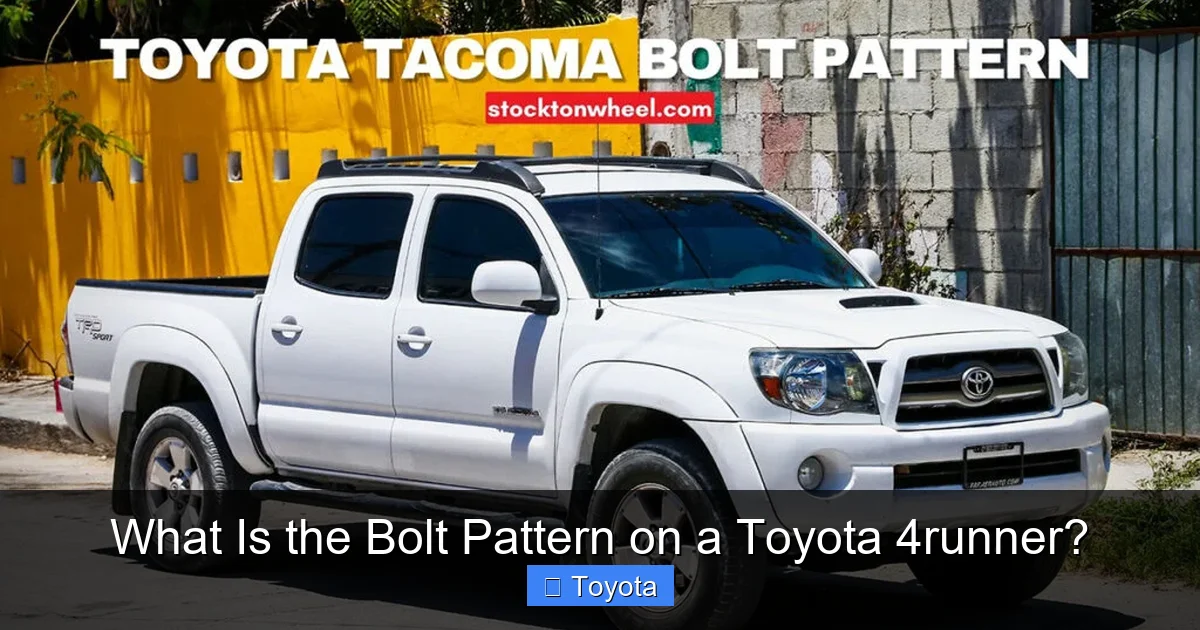
Visual guide about What Is the Bolt Pattern on a Toyota 4runner?
Image source: stocktonwheel.com
One of the biggest advantages of owning a Toyota 4Runner is the consistency in its design—especially when it comes to the bolt pattern. Unlike some vehicles that change specifications every few years, the 4Runner has largely stuck with one reliable pattern since the mid-1990s.
First Generation (1984–1989)
The earliest 4Runners, based on the compact Toyota pickup truck, used a 6×114.3mm (6×4.5″) bolt pattern. This was common for smaller Japanese trucks of the era. While these models are now considered classics, their bolt pattern is less compatible with modern aftermarket wheels, which can limit upgrade options.
Second Generation (1990–1995)
The second-gen 4Runner continued with the 6×114.3mm pattern. These models were more refined than their predecessors but still used the older lug configuration. Owners of these trucks often face challenges when trying to find modern wheels that fit without adapters.
Third Generation (1996–2002)
This is where things changed. Starting in 1996, Toyota switched the 4Runner to a 6×139.7mm (6×5.5″) bolt pattern. This shift aligned the 4Runner with other Toyota trucks like the Tacoma and Tundra, improving parts compatibility and opening up a much wider range of wheel options. This generation also introduced more robust suspension and off-road capabilities, making the new bolt pattern a natural fit for enthusiasts.
Fourth Generation (2003–2009)
The 4Runner retained the 6×139.7mm pattern during this period. These models featured updated styling, improved interiors, and enhanced 4WD systems. The consistent bolt pattern meant owners could easily swap wheels between different Toyota trucks, a huge plus for those building custom rigs.
Fifth Generation (2010–Present)
All current 4Runners, from 2010 onward, continue to use the 6×139.7mm bolt pattern. This includes the latest TRD Pro and Limited trims. The consistency across nearly two decades makes the 4Runner one of the most wheel-friendly SUVs on the market.
It’s worth noting that while the bolt pattern has remained the same, other factors like center bore size, offset, and lug nut type have evolved. Always check these details when selecting new wheels.
Why the 6×139.7mm Pattern Is So Popular

Visual guide about What Is the Bolt Pattern on a Toyota 4runner?
Image source: i.pinimg.com
The 6×139.7mm bolt pattern isn’t just common on the 4Runner—it’s one of the most widely used patterns in the truck and SUV world. This popularity stems from its balance of strength, compatibility, and availability.
Shared Across Toyota Trucks
The 6×5.5″ pattern is used on a wide range of Toyota vehicles, including:
– Toyota Tacoma (1995–present)
– Toyota Tundra (2000–present)
– Toyota Land Cruiser (1998–present)
– Toyota Sequoia (2001–present)
This means that if you own multiple Toyota trucks or are part of a Toyota enthusiast community, you can often swap wheels between vehicles. For example, a set of TRD Pro wheels from a Tacoma will bolt right onto a 4Runner without any modifications. This interchangeability is a huge advantage for owners who like to experiment with different looks or need spare wheels in a pinch.
Aftermarket Support
Because the 6×139.7mm pattern is so common, the aftermarket for wheels, tires, and accessories is massive. You’ll find everything from budget-friendly steel rims to high-end forged aluminum wheels designed specifically for this pattern. Off-road brands like Method Race Wheels, Fuel Off-Road, and Black Rhino offer dozens of options tailored to the 4Runner and similar vehicles.
Strength and Durability
The six-lug design provides excellent load distribution, which is crucial for a vehicle like the 4Runner that’s often used for towing, hauling, or off-roading. More lug nuts mean better clamping force and reduced risk of warping or loosening under stress. This is especially important when driving on uneven terrain or carrying heavy loads.
Global Recognition
The 6×139.7mm pattern is also used by other manufacturers, including Nissan (e.g., Frontier, Titan), GM (some older models), and even some European brands. This global adoption means that even if you’re traveling abroad or importing parts, you’re more likely to find compatible wheels.
How to Verify Your 4Runner’s Bolt Pattern
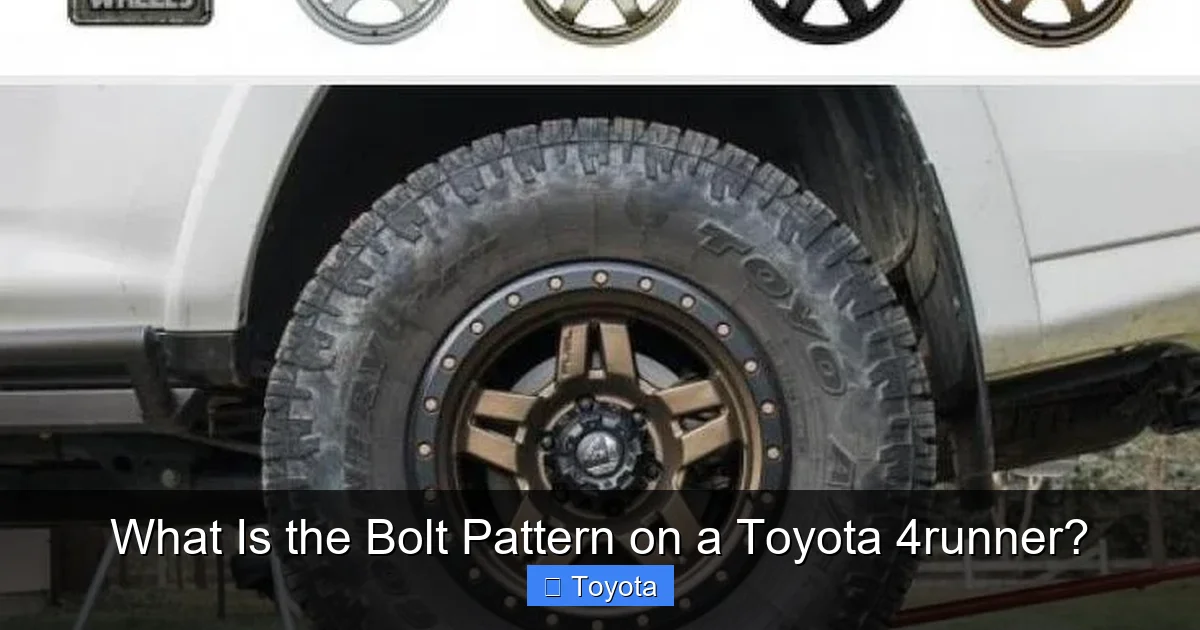
Visual guide about What Is the Bolt Pattern on a Toyota 4runner?
Image source: i.pinimg.com
Even though the 4Runner has a consistent bolt pattern, it’s always smart to double-check before buying new wheels. Here’s how to do it safely and accurately.
Method 1: Check the Owner’s Manual
The easiest way to confirm your bolt pattern is to consult your vehicle’s owner’s manual. Toyota includes detailed specifications, including lug pattern, in the manual. Look for the section on wheels and tires—it should list the bolt pattern, center bore, and recommended tire sizes.
Method 2: Measure It Yourself
If you don’t have the manual, you can measure the bolt pattern manually. Here’s how:
1. Count the number of lug nuts—this should be six on most 4Runners.
2. Measure the distance between the centers of two opposite lug nuts. For a 6-lug pattern, this is the diameter of the bolt circle.
3. Use a caliper or ruler to get an accurate measurement in millimeters. If it’s close to 139.7mm, you’ve got the standard pattern.
Note: For 5-lug patterns, you’d measure from the center of one lug to the back of the opposite lug, but this doesn’t apply to the 4Runner.
Method 3: Use Online Tools
Many wheel retailers and automotive websites offer bolt pattern checkers. Simply enter your 4Runner’s year, make, and model, and they’ll tell you the exact specification. Sites like Wheel-Size.com or TireRack.com are reliable resources.
Method 4: Look at the Wheel Itself
Sometimes, the bolt pattern is stamped on the back of the wheel or listed in the manufacturer’s documentation. If you’re buying used wheels, ask the seller for this info.
Upgrading Your 4Runner’s Wheels: What to Consider
Now that you know your 4Runner’s bolt pattern, you might be thinking about upgrading. Whether you want better off-road performance, a more aggressive look, or improved handling, choosing the right wheels is key.
Wheel Size and Offset
While the bolt pattern ensures the wheel will attach to the hub, other factors like diameter, width, and offset determine how the wheel sits in the wheel well. A common upgrade for 4Runners is moving from the stock 17-inch wheels to 18- or 20-inch rims for a more modern look. However, larger wheels can affect ride quality and fuel economy.
Offset refers to how far the wheel’s mounting surface is from the centerline. A lower (more negative) offset pushes the wheel outward, giving a wider stance—great for off-road stability but potentially causing rubbing on fenders.
Tire Compatibility
Your new wheels must accommodate the tire size you want. For example, if you’re running 33-inch all-terrain tires, you’ll need wheels with the right width and diameter to support them. Always check the tire manufacturer’s recommendations.
Load Rating and Material
Off-roading puts extra stress on wheels. Choose wheels with a high load rating—especially if you plan to carry gear or tow. Steel wheels are tough and affordable but heavy. Aluminum wheels are lighter and look better but can be more expensive.
Hub-Centric vs. Lug-Centric
Hub-centric wheels are designed to fit snugly over the hub, ensuring even weight distribution. Lug-centric wheels rely solely on the lug nuts for centering, which can lead to vibration if not perfectly aligned. For best results, choose hub-centric wheels that match your 4Runner’s center bore (typically 106.1mm).
Professional Installation
Even with the right bolt pattern, improper installation can cause problems. Always have wheels installed by a qualified technician who will torque the lug nuts to the correct specification (usually around 80–100 ft-lbs for a 4Runner). Use a torque wrench—never an impact gun alone—to avoid over-tightening.
Bolt Pattern Adapters and Spacers: When and How to Use Them
Sometimes, you might want to use wheels that don’t have the standard 6×139.7mm pattern. In these cases, bolt pattern adapters or spacers can help—but they come with caveats.
What Are Adapters?
Bolt pattern adapters are metal rings that bolt onto your existing hub and provide a new mounting surface with a different pattern. For example, you could use a 6×139.7mm to 6x135mm adapter to fit Ford wheels on your 4Runner.
When to Use Them
Adapters are useful if you’re reusing wheels from another vehicle or want a specific look that’s only available in a different pattern. However, they should be used sparingly and only with high-quality, hub-centric adapters.
Risks and Limitations
Adapters add weight and can introduce stress on the hub and suspension. They may also affect wheel alignment and increase the risk of vibration. Most manufacturers don’t recommend them for high-performance or off-road use.
Spacers vs. Adapters
Spacers are similar but don’t change the bolt pattern—they simply push the wheel outward for a wider stance. Like adapters, they should be used cautiously and only with proper hub-centric designs.
Best Practices
If you must use adapters or spacers:
– Choose reputable brands like Spidertrax or Bora.
– Ensure they’re hub-centric and match your center bore.
– Torque them in a star pattern and re-torque after 50–100 miles.
– Avoid using them for towing or extreme off-roading.
Common Mistakes to Avoid
Even experienced 4Runner owners can make errors when dealing with bolt patterns and wheels. Here are some common pitfalls to watch out for.
Assuming All Toyotas Have the Same Pattern
While many Toyota trucks share the 6×139.7mm pattern, not all do. For example, older Camrys or Corollas use 4- or 5-lug patterns. Always verify before swapping wheels.
Ignoring Center Bore and Offset
A matching bolt pattern isn’t enough. If the center bore is too small, the wheel won’t seat properly. If the offset is wrong, the wheel may rub or stick out too far.
Using Low-Quality Adapters
Cheap adapters can fail under stress, leading to catastrophic wheel loss. Invest in quality parts or avoid adapters altogether.
Over-Tightening Lug Nuts
This can warp brake rotors or strip threads. Always use a torque wrench and follow Toyota’s specifications.
Skipping Re-Torquing
After installing new wheels, re-torque the lug nuts after driving 50–100 miles. This ensures they’re properly seated.
Conclusion
The bolt pattern on a Toyota 4Runner is a small but mighty detail that has a big impact on your vehicle’s performance, safety, and customization potential. With a consistent 6×139.7mm (6×5.5″) pattern across most model years, the 4Runner stands out as one of the most wheel-friendly SUVs on the market. This uniformity makes it easy to upgrade, swap, or modify your ride—whether you’re building a trail-conquering overlander or just want a fresh look for your daily driver.
Understanding your bolt pattern isn’t just about knowing a number—it’s about making informed decisions that keep you safe and your 4Runner running strong. From verifying specs to choosing the right wheels and avoiding common mistakes, this knowledge empowers you to get the most out of your vehicle.
So the next time you’re browsing for new wheels or helping a friend with their 4Runner, remember: the bolt pattern is your foundation. Get it right, and the possibilities are endless.
Frequently Asked Questions
What is the bolt pattern on a Toyota 4Runner?
The bolt pattern on a Toyota 4Runner is 6×139.7mm, also known as 6×5.5 inches. This has been the standard since the third generation (1996) and continues through current models.
Can I use Tacoma wheels on a 4Runner?
Yes, in most cases. The Toyota Tacoma uses the same 6×139.7mm bolt pattern as the 4Runner, so wheels are often interchangeable. Just check center bore and offset for proper fit.
Do all 4Runners have the same bolt pattern?
Almost all 4Runners from 1996 onward use the 6×139.7mm pattern. Earlier models (1984–1995) used 6×114.3mm, so always verify your specific year.
What happens if I use the wrong bolt pattern?
Using the wrong bolt pattern can prevent the wheel from seating properly, causing vibration, unsafe handling, and potential wheel detachment. Always match the pattern exactly.
Can I use bolt pattern adapters on my 4Runner?
Yes, but with caution. High-quality, hub-centric adapters can work for non-standard wheels, but they add stress and are not recommended for heavy off-roading or towing.
How do I measure my 4Runner’s bolt pattern?
Count the lug nuts (should be six), then measure the distance between the centers of two opposite lugs. For a 6-lug pattern, this should be 139.7mm (5.5 inches).
