What Is Factory Window Tint?

Contents
- 1 Key Takeaways
- 2 📑 Table of Contents
- 3 Introduction to Factory Window Tint: More Than Just Dark Glass
- 4 The Technology Behind the Tint: How BMW “Tints” Your Windows
- 5 The Tangible Benefits: Why BMW Chooses to Tint from the Factory
- 6 Legal Landscape: Navigating VLT Laws with Your BMW
- 7 Factory Tint vs. Aftermarket Tint: A Clear Comparison
- 8 Care and Maintenance: Preserving Your Factory Tint
- 9 Conclusion: The OEM Advantage in Every Pane
- 10 Frequently Asked Questions

Anti-Slip Dashboard Mat

Portable Work Light

Car Fog Light Bulb

Car Bumper Protector
Factory window tint is the original, manufacturer-applied tint on your vehicle’s glass, integrated during production. For BMW owners, this means a seamless, warranty-covered finish that meets strict global standards for UV protection, heat rejection, and legal compliance. It differs significantly from aftermarket tint in application, quality, and longevity. Understanding this factory feature helps you appreciate its value and make informed decisions about care or future modifications.
Key Takeaways
- Understanding What Is Factory Window Tint?: Provides essential knowledge
📑 Table of Contents
- Introduction to Factory Window Tint: More Than Just Dark Glass
- The Technology Behind the Tint: How BMW “Tints” Your Windows
- The Tangible Benefits: Why BMW Chooses to Tint from the Factory
- Legal Landscape: Navigating VLT Laws with Your BMW
- Factory Tint vs. Aftermarket Tint: A Clear Comparison
- Care and Maintenance: Preserving Your Factory Tint
- Conclusion: The OEM Advantage in Every Pane
Introduction to Factory Window Tint: More Than Just Dark Glass
When you slide into the driver’s seat of a new BMW, the feeling is one of meticulous perfection. Every detail, from the stitching on the leather to the weight of the steering wheel, is engineered. That same attention to detail extends to the glass that surrounds you. That slight, uniform darkness in the rear and sometimes front side windows? That’s not an afterthought or a dealer add-on. That’s factory window tint—an integral, original equipment feature baked into your vehicle’s identity during assembly. It’s part of the car’s design blueprint, not an accessory.
For many BMW enthusiasts and owners, understanding what factory tint is—and isn’t—is crucial. It impacts everything from your comfort on a sunny drive to the long-term value and warranty coverage of your vehicle. This deep dive will unpack the technology, benefits, legalities, and practical realities of factory-installed window tint, specifically within the context of BMW’s engineering philosophy. We’ll separate myth from fact and help you see your car’s glass in a whole new light.
The Technology Behind the Tint: How BMW “Tints” Your Windows
The term “tint” can be misleading. It suggests a film applied on top, like a sticker. With factory tint, the process is more permanent and sophisticated. There are two primary methods OEMs (Original Equipment Manufacturers) like BMW use.
Visual guide about What Is Factory Window Tint?
Image source: i0.wp.com
Deep-Dyed Glass: Color in the Core
The most common method for factory tint is deep-dyed glass. During the glass manufacturing process, molten glass is mixed with special metal oxides that impart a permanent color throughout the entire pane. Think of it like adding dye to a batch of water—the color becomes part of the substance itself. This results in a tint that is scratch-resistant on the surface (because there is no surface film) and will never peel, bubble, or discolor over time. The shade is consistent and uniform. For BMW, this often means a specific density of bronze or grey dye is used to achieve the desired VLT (Visible Light Transmission) and heat rejection profile.
Reflective or Spectrally Selective Coatings
For higher-end models or specific markets, BMW may use glass with a microscopically thin, transparent metallic or ceramic coating. This isn’t a “mirror” tint from the outside. Instead, it’s a spectrally selective layer that reflects infrared (heat) radiation while allowing visible light to pass. This technology is incredibly effective at keeping the cabin cool without making the glass look excessively dark. You might notice a very slight, sophisticated reflectivity on certain 7 Series or X7 models, especially with certain metallic paint colors. This coating is also applied during glass fabrication and is permanent.
A critical note: Because factory tint is integral to the glass, it cannot be removed or lightened. If you have a 20% VLT rear window from the factory and want it lighter, your only option is to replace the entire window with one from a different market or model year that has a different OEM specification—a costly and complex endeavor.
The Tangible Benefits: Why BMW Chooses to Tint from the Factory
BMW doesn’t tint windows for style alone (though it certainly enhances the sleek lines). The decision is driven by engineering, comfort, and compliance. Here’s what you get with your factory tint.
Visual guide about What Is Factory Window Tint?
Image source: windowtintlaws.us
Superior UV Radiation Protection
All automotive glass blocks some UV rays, but factory-tinted glass is engineered for maximum blockage. The deep-dye process and specialized coatings can block 99% or more of UVA and UVB radiation. This is a massive benefit for preserving your BMW’s interior—preventing the cracking, fading, and drying of leather, vinyl, and dashboard materials. More importantly, it protects your skin from long-term sun damage during daily drives. An aftermarket film can match this, but factory integration means no risk of film degradation over time.
Effective Heat Rejection and Cabin Comfort
This is where spectrally selective coatings shine. By reflecting infrared energy (the sun’s heat), factory tint can significantly reduce cabin soak. Your BMW’s climate control system works less hard, saving a small amount of battery/alternator load and, in a gasoline model, a tiny bit of fuel. The real benefit is immediate comfort: the seats and steering wheel aren’t scalding hot after parking, and the A/C cools the cabin faster. The level of heat rejection varies by model year and region; European-spec BMWs often have less dark tint but may use more advanced coatings for heat management compared to US-spec models, which prioritize darker privacy glass.
Enhanced Privacy and Aesthetic Cohesion
Let’s be honest, privacy is a key perk. The typical 20-30% VLT on rear and sometimes front side windows creates a natural barrier, making it harder for passersby to see into the rear cabin or your personal items. BMW carefully selects the tint density to complement the exterior paint color. A sleek, dark Titanium Silver or Carbon Black BMW looks more cohesive with slightly deeper glass, while a bright, vibrant color might have a more balanced tint. It’s a holistic design touch. For those curious about how color and tint interplay, exploring resources like what is the best color for a BMW X3 can illustrate this design philosophy.
Unmatched Longevity and Warranty Coverage
This is the biggest differentiator. Your factory tint is part of the window glass. It comes with the same new car warranty as the rest of the vehicle’s body and glass. If, in the rare case, the glass itself develops a manufacturing defect related to the tint (e.g., inconsistent coloration), BMW will replace the window under warranty. There is no film to peel, bubble, or delaminate. An aftermarket film, even the best ceramic film, has a limited warranty (often 5-10 years) and can fail due to installation error, sun exposure, or cleaning products. The permanence of factory tint is its ultimate reliability feature.
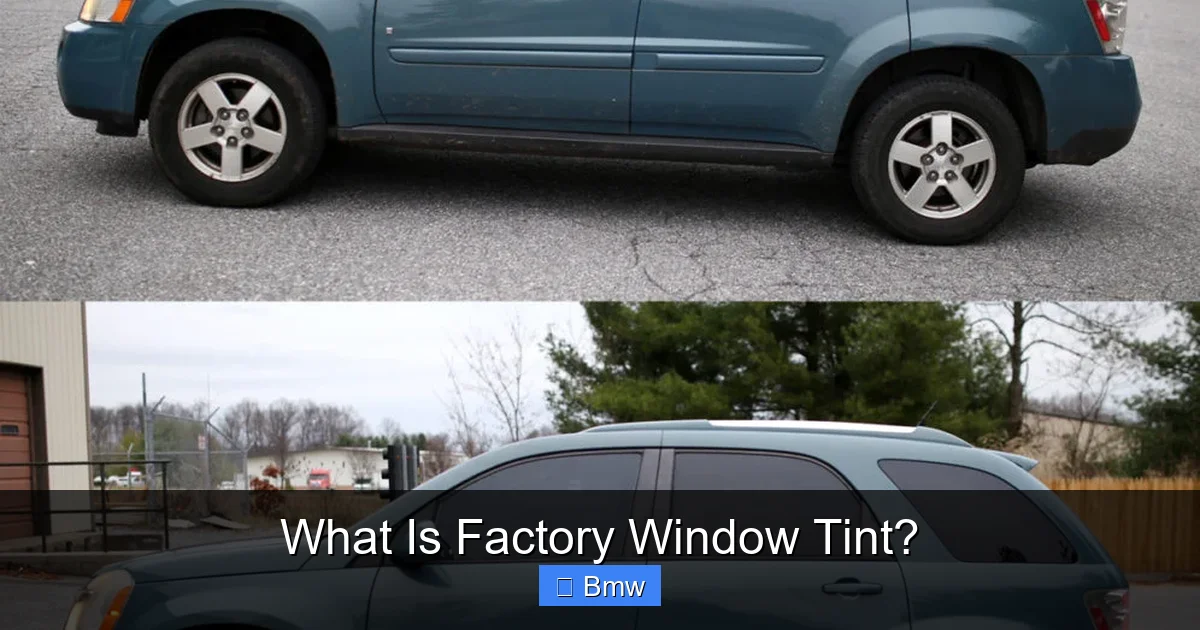
Window tint laws are a patchwork of state and national regulations, and they are non-negotiable. BMW engineers its vehicles to comply with the strictest regulations in each target market. Understanding these laws is the owner’s responsibility.
Visual guide about What Is Factory Window Tint?
Image source: shannonbaum.com
Decoding VLT: The Magic Percentage
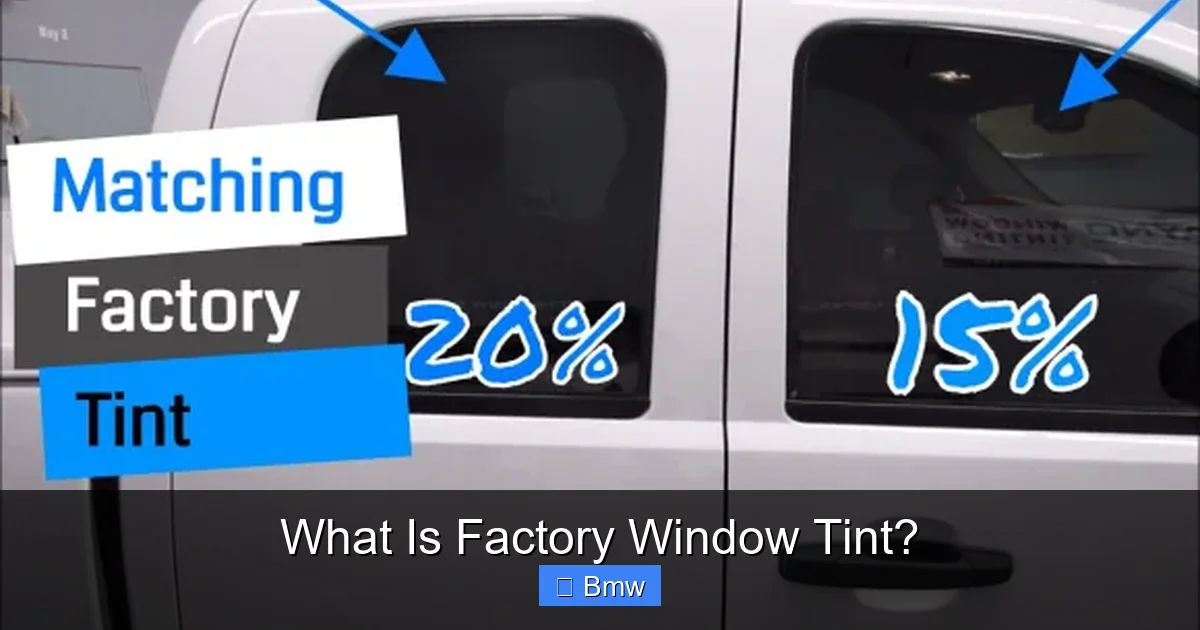
VLT, or Visible Light Transmission, is the key metric. It’s the percentage of visible light that can pass through your window plus film. A 30% VLT tint allows 30% of light in and blocks 70%. Lower numbers are darker. Laws specify minimum VLT percentages (how *light* the glass must be) for each window: windshield, front sides, rear sides, and rear window. Many states allow any darkness on the rear window and rear sides but mandate a minimum of 70% (or lighter) for the front driver and passenger windows. Some states, like California and New York, require front side windows to allow over 70% of light. BMW’s US-spec models typically come with a rear window VLT around 20-25% and front side windows at the legal minimum (often 70% or factory clear glass).
How BMW Ensures Compliance
BMW has a dedicated regulatory affairs team for each major sales region. They specify the exact glass part number for each model, trim, and market that meets all local regulations. Your Vehicle Identification Number (VIN) can be decoded to determine the exact glass specifications. If you buy a BMW originally sold in Germany (with darker all-around tint) and import it to a state with strict front-side tint laws, you would be illegal until you replaced the front glass with US-spec units. Always check your local DMV or state police website for the precise, current VLT limits.
The “AS1” Marking and Windshields
Almost all windshields have a small AS (American Standard) marking in the corner, usually AS1. This indicates it meets the standard for safety glazing. Any tint or film applied to a windshield below the manufacturer’s “shade band” (the visor strip at the top) is illegal in all 50 states, as it obstructs vision. Factory windshields are never tinted beyond this visor band. Remember, if you ever need to replace a broken car window, you must source a glass part with the correct OEM VLT for your state to remain legal.
Factory Tint vs. Aftermarket Tint: A Clear Comparison
This is the most common point of confusion. Should you add aftermarket film to your already-tinted BMW? The answer is usually no, but let’s break down the comparison.
Application and Permanence
Factory: Integral to the glass. Permanent. No adhesive. Cannot be removed.
Aftermarket: A film adhesive applied to the glass surface. It can be removed (often with difficulty and residue), but it will eventually degrade, peel, or bubble.
Warranty
Factory: Covered under BMW’s New Vehicle Warranty (typically 4 years/50,000 miles).
Aftermarket: Covered by the tint shop’s warranty (e.g., 5-year film warranty against fading/bubbling). Warning: Applying aftermarket film to factory-tinted glass almost always voids the window’s factory warranty. If the glass itself has a defect, BMW may deny the claim because a third-party film was applied.
Optical Quality and Appearance
Factory: Perfectly uniform, no orange peel texture, no edge imperfections. The clarity is exceptional because there is no film layer. It looks like perfect, dark glass.
Aftermarket: Quality varies wildly. Cheap film has poor clarity, distortion, and a noticeable “plastic” look. Even high-end ceramic film can have a slight texture (orange peel) and may not match the factory glass’s perfect uniformity. Edges are cut to fit and can show gaps or silvering.
Heat Rejection Technology
Factory: Uses deep-dye for broad-spectrum blockage and/or spectrally selective metallic/ceramic coatings for targeted IR rejection. The technology is bespoke to the glass.
Aftermarket: High-end ceramic films can match or even exceed the IR rejection of some factory glass. However, they add a layer that can absorb heat itself, potentially causing thermal stress on the glass in extreme conditions (rare, but a consideration).
Legal Compliance
Factory: Guaranteed legal for the market the car was sold in.
Aftermarket: The installer’s responsibility. You must ensure the final VLT (factory glass + film) meets your state’s laws. A 70% front side window with a 20% factory rear is a common, legal setup. Adding 20% film to a 20% factory rear (resulting in ~36% VLT) might be illegal in states with a 35% minimum. You are liable for any violations.
When Aftermarket Tint Makes Sense
The primary reason is to darken the front side windows on a BMW sold with clear glass (common in Europe or for certain US fleet/limo models). If you want a uniform, darker look all around and your state allows it, a high-quality ceramic film on the front sides (over clear glass) is the only way. Never apply film over factory-tinted glass unless your goal is to make it darker and you accept the warranty voidance and potential optical quality trade-offs.
Care and Maintenance: Preserving Your Factory Tint
Since your factory tint is part of the glass, caring for it is essentially caring for your windows properly.
Cleaning: Use the Right Products
Use a soft microfiber cloth and an ammonia-free automotive glass cleaner or a simple solution of water and a drop of dish soap. Avoid harsh chemicals, abrasive cleaners, or household glass sprays like Windex, which can damage any remaining coating or sealants on the glass. For the interior side, be gentle where the glass meets the dashboard and door panels. Never use a razor blade or abrasive pad.
Dealing with Stickers and Decals
Parking passes, registration stickers, etc., can be a pain. Use a gentle adhesive remover like Goo Gone (test in a small area first) or a hairdryer on low heat to warm the adhesive and peel slowly. The goal is to avoid scratching the glass surface. Once the sticker is off, clean the residue immediately.
Addressing Damage
This is the most important point. Because the tint is in the glass, any damage to the window—a chip, crack, or deep scratch—means the entire window assembly must be replaced. You cannot repair or “re-tint” it. The replacement glass must be the exact OEM part number to maintain the correct VLT and warranty compliance. Always use a BMW-certified collision center or glass shop that sources genuine BMW glass. A cheap aftermarket replacement window will likely have different tint, UV, and heat properties.
Understanding Light Metrics: It’s Not Just About Darkness
When discussing tint, people focus on VLT (darkness). But two other metrics are crucial for factory glass: VLR (Visible Light Reflectance) and UV/IR rejection. VLR is how much light bounces off the glass. Factory glass is engineered for a specific balance—enough reflectivity to help with heat rejection but not so much as to cause excessive glare for other drivers (a key safety and legal consideration). The complex interplay of these metrics is why factory glass performs so well holistically. For a deeper technical dive into these terms, you can read about What Is Visible Light Reflectance (VLR) On Tint.
Conclusion: The OEM Advantage in Every Pane
Factory window tint is a silent testament to BMW’s integrated engineering approach. It’s not an add-on; it’s a specification. It delivers guaranteed legal compliance, unmatched longevity under warranty, and a perfectly uniform aesthetic that aftermarket films struggle to replicate. It provides meaningful UV protection and heat management as part of the vehicle’s original design.
As a BMW owner, your takeaway should be one of appreciation and informed caution. Appreciate the seamless, permanent quality of your glass. Be cautious about any modifications that could void your warranty or create legal issues. If you desire a darker look and your state permits it, consult with a reputable, high-end tint shop that understands the nuances of working over factory glass. But for the vast majority of BMW drivers, the factory tint is a complete, premium solution right out of the gate—a perfect example of how the details define the driving experience.
Frequently Asked Questions
Is factory window tint the same as aftermarket tint?
No. Factory tint is integral to the glass itself, applied during manufacturing. Aftermarket tint is a separate film adhesive applied to the glass surface after the car is built. This makes factory tint permanent and warranty-covered, while aftermarket film is a removable modification with its own warranty.
Can I make my BMW’s factory tint lighter?
No. Because the tint is part of the glass, it cannot be lightened or removed. The only way to change it is to replace the entire window with a different glass part number that has a lighter OEM tint, which is complex and often cost-prohibitive.
Does factory tint provide UV protection?
Yes, significantly. Factory-tinted glass, especially with deep-dye or spectrally selective coatings, is engineered to block 99% or more of harmful UVA and UVB rays, protecting both your skin and your car’s interior materials from sun damage.
Will adding aftermarket film over my factory tint void my BMW’s warranty?
Yes, almost certainly. Applying aftermarket film to factory-tinted glass will void the window’s warranty coverage under BMW’s New Vehicle Warranty. If the glass itself develops a defect, BMW can deny the claim because a third-party film was applied.
How dark is typical factory tint on a BMW in the US?
For US-market BMWs, the rear side windows and rear window typically have a VLT (Visible Light Transmission) of approximately 20-25%. The front side windows are usually clear glass (70%+ VLT) to comply with most state laws. European-spec BMWs often have darker tint all around, around 15-20%.
Can I get a ticket for my BMW’s factory tint?
Only if your vehicle’s glass VLT does not meet your state’s legal minimums. Since BMW certifies its vehicles for the market they are sold in, a US-spec BMW should be legal in all 50 states regarding window tint. Problems arise only if you import a vehicle from a market with darker tint (e.g., Europe, Middle East) without modifying the glass to meet US standards.