What Is Considered a Flat Tire
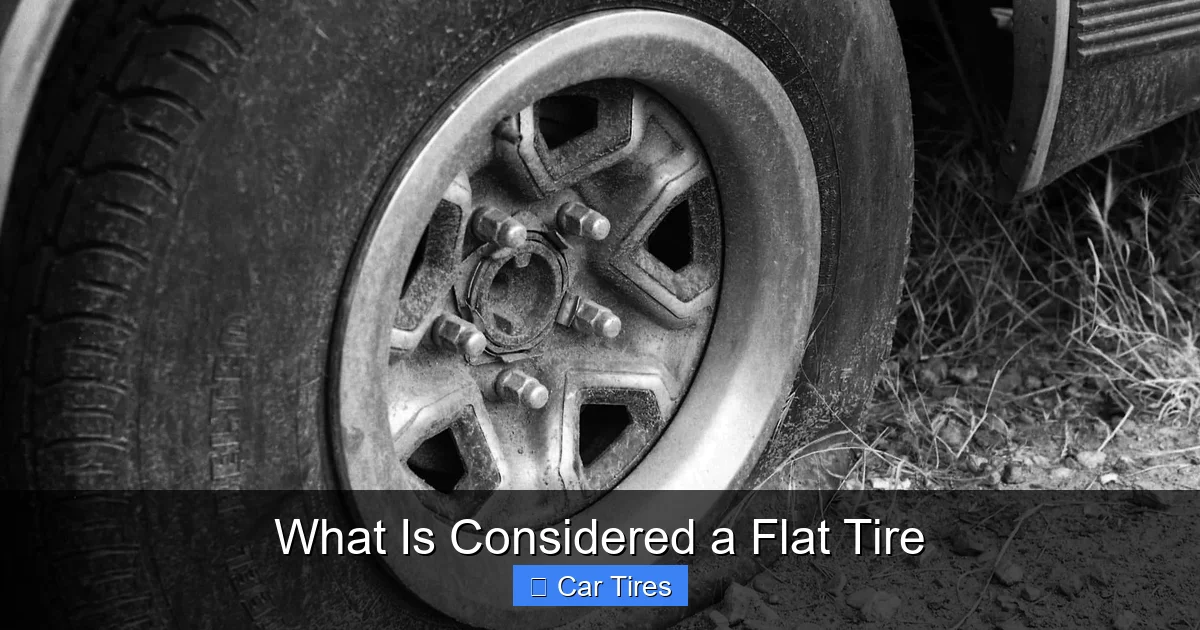
A flat tire occurs when a tire loses significant air pressure, often due to punctures, leaks, or damage. Recognizing the signs early and knowing how to respond can prevent accidents and costly repairs.
In This Article
- 1 Key Takeaways
- 2 📑 Table of Contents
- 3 What Is Considered a Flat Tire? A Complete Guide for Drivers
- 4 Defining a Flat Tire: More Than Just a Deflated Rubber Ring
- 5 Common Causes of Flat Tires: Why Do Tires Go Flat?
- 6 Signs and Symptoms of a Flat Tire: How to Spot the Problem Early
- 7 What to Do If You Have a Flat Tire: A Step-by-Step Response
- 8 Preventing Flat Tires: Tips for Longer-Lasting, Safer Tires
- 9 Conclusion: Stay Informed, Stay Safe
- 10 Frequently Asked Questions
- 10.1 Can I drive on a flat tire if it’s only slightly low on air?
- 10.2 How fast can a tire go flat after a puncture?
- 10.3 Can a flat tire be repaired, or does it always need to be replaced?
- 10.4 Why does my tire keep going flat even after I fix it?
- 10.5 Is it safe to use a donut spare tire for long distances?
- 10.6 How often should I check my tire pressure?
Key Takeaways
- Definition of a Flat Tire: A tire is considered flat when it loses enough air pressure to compromise vehicle handling, safety, or drivability—typically below 20 PSI.
- Common Causes: Punctures from nails or debris, valve stem damage, bead leaks, aging rubber, and extreme temperature changes can all lead to flat tires.
- Warning Signs: Slow leaks, visible damage, unusual vehicle pulling, or a TPMS warning light may indicate an impending flat.
- Safety First: Never drive on a flat tire—doing so can damage the wheel, cause loss of control, or lead to a blowout.
- Immediate Response: Pull over safely, use hazard lights, and either change the tire or call for roadside assistance.
- Prevention Tips: Regular tire inspections, proper inflation, and avoiding road hazards reduce the risk of flats.
- Tire Maintenance Matters: Rotate tires, check pressure monthly, and replace worn tires to extend lifespan and improve safety.
📑 Table of Contents
- What Is Considered a Flat Tire? A Complete Guide for Drivers
- Defining a Flat Tire: More Than Just a Deflated Rubber Ring
- Common Causes of Flat Tires: Why Do Tires Go Flat?
- Signs and Symptoms of a Flat Tire: How to Spot the Problem Early
- What to Do If You Have a Flat Tire: A Step-by-Step Response
- Preventing Flat Tires: Tips for Longer-Lasting, Safer Tires
- Conclusion: Stay Informed, Stay Safe
What Is Considered a Flat Tire? A Complete Guide for Drivers
Imagine you’re cruising down the highway, enjoying the breeze through your slightly open window, when suddenly your car starts to pull to one side. The steering feels heavier than usual, and you hear a rhythmic thumping sound with every rotation of the wheel. Your first thought? “Is my tire flat?” You pull over, step out, and take a look—your worst fear is confirmed. One of your tires is visibly sagging, nearly touching the ground. That’s a flat tire.
But what exactly defines a flat tire? Is it only when the tire is completely deflated, or are there gray areas? Understanding what is considered a flat tire isn’t just about knowing when to call for help—it’s about recognizing early warning signs, preventing dangerous situations, and maintaining your vehicle’s safety and performance. In this comprehensive guide, we’ll break down everything you need to know about flat tires: from definitions and causes to prevention and response.
Whether you’re a new driver or a seasoned road warrior, knowing how to identify and handle a flat tire is a critical skill. Tires are the only part of your car that touches the road, and their condition directly affects braking, handling, fuel efficiency, and overall safety. A flat tire isn’t just an inconvenience—it can be a serious hazard if not addressed properly. So let’s dive in and explore what truly constitutes a flat tire, how to spot one, and what you can do to stay safe on the road.
Defining a Flat Tire: More Than Just a Deflated Rubber Ring
Visual guide about What Is Considered a Flat Tire
Image source: wallpapers.com
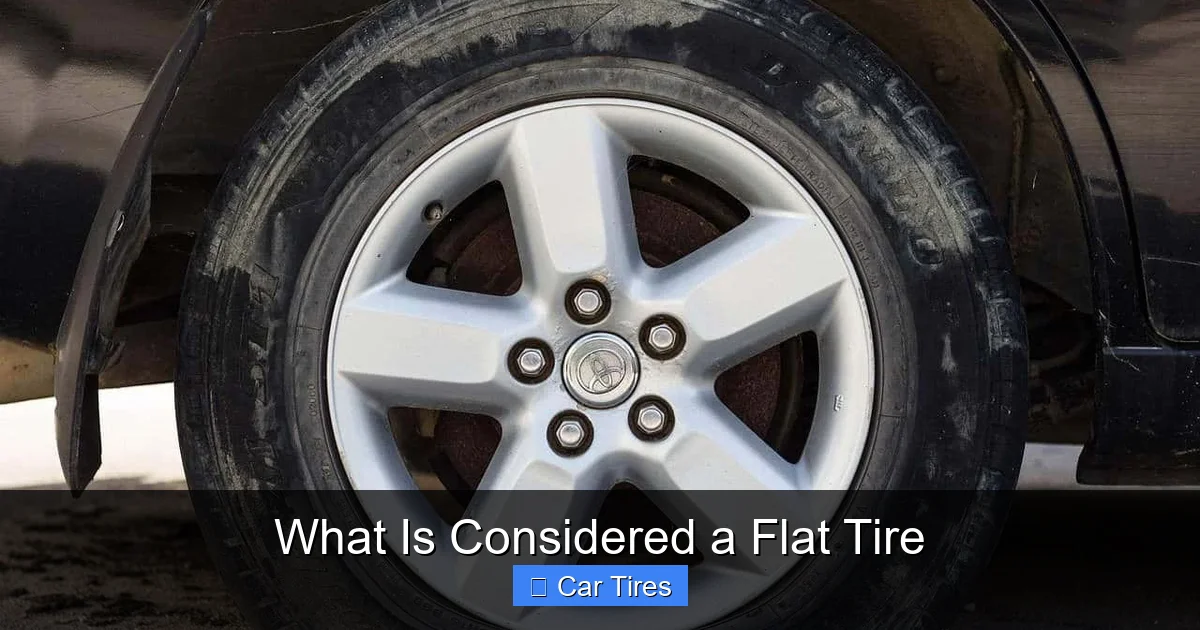
At its core, a flat tire is a tire that has lost a significant amount of air pressure, making it unsafe or impossible to drive on. But the definition isn’t always black and white. Technically, a tire is considered flat when its internal air pressure drops below a functional level—typically around 20 pounds per square inch (PSI) or lower, depending on the vehicle and tire specifications. Most passenger car tires are designed to operate between 30 and 35 PSI when cold. When pressure dips below 20 PSI, the tire begins to deform, the sidewalls flex excessively, and the risk of damage or failure increases dramatically.
However, not all low-pressure situations result in an immediate, dramatic flat. Some tires lose air slowly over days or weeks—a condition known as a slow leak. In these cases, the tire may still appear partially inflated, but it’s still considered flat in functional terms because it’s not performing as intended. Driving on such a tire can cause internal damage, overheating, and even a sudden blowout.
So, what is considered a flat tire? It’s any tire that:
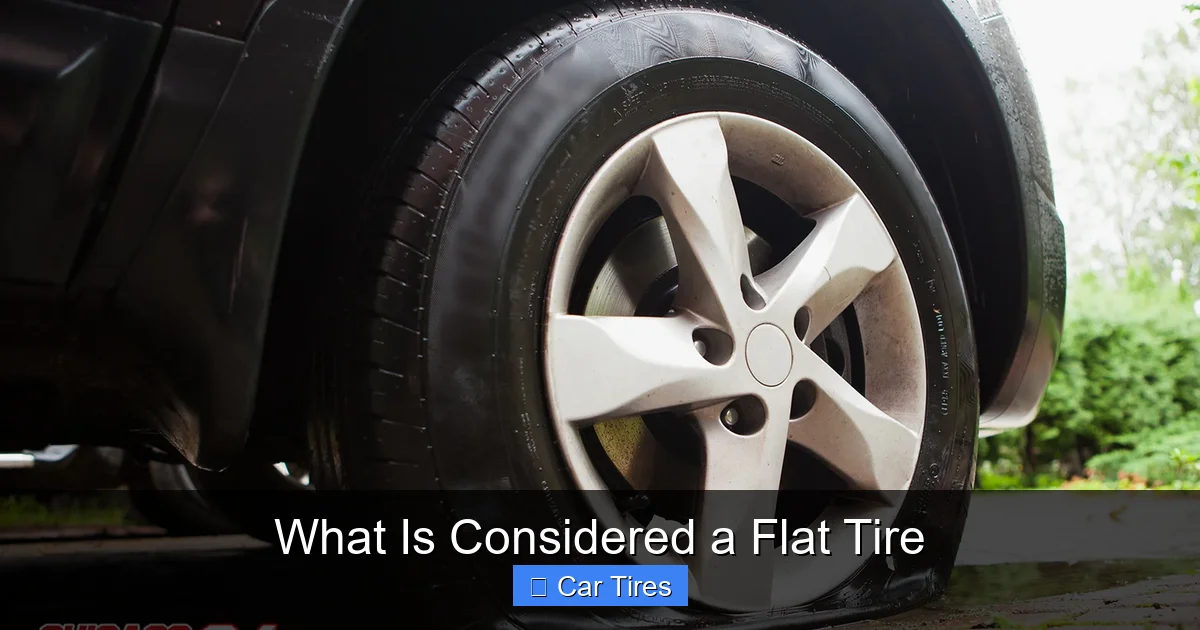
– Has lost enough air to visibly sag or bulge on the sides
– Causes the vehicle to pull to one side
– Makes steering difficult or unresponsive
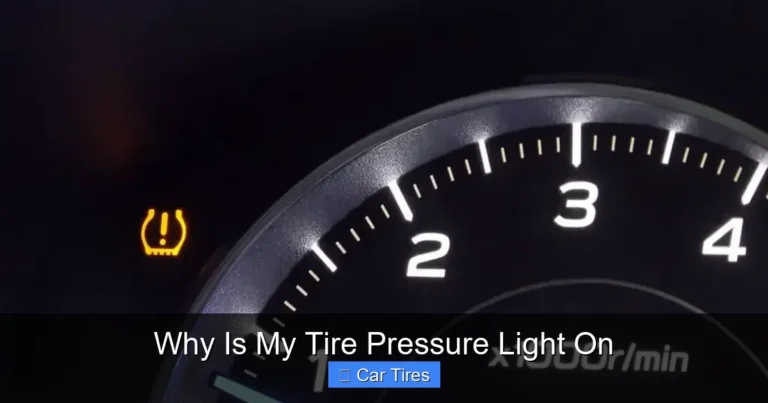
– Triggers the Tire Pressure Monitoring System (TPMS) warning light
– Cannot support the weight of the vehicle safely
Even if the tire isn’t completely flat on the ground, if it’s underinflated to the point where it compromises safety or performance, it should be treated as a flat. For example, a tire at 15 PSI might still have some air, but it’s dangerously close to failure. The rubber is stressed, the internal structure is at risk, and the heat buildup from flexing can weaken the tire over time.
It’s also important to distinguish between a flat tire and a completely destroyed tire. A flat tire can often be repaired or replaced with a spare, allowing you to continue your journey. A destroyed tire—such as one with a large tear, shredded sidewall, or blowout—may require immediate professional attention and cannot be driven on at all.
In short, a flat tire isn’t just about how it looks. It’s about how it functions. If your tire isn’t holding air properly and can’t support your vehicle safely, it’s flat—regardless of whether it’s completely deflated or just significantly underinflated.
Common Causes of Flat Tires: Why Do Tires Go Flat?
Visual guide about What Is Considered a Flat Tire
Image source: towingchicago.com
Now that we’ve defined what is considered a flat tire, let’s explore why they happen in the first place. Flat tires don’t occur out of nowhere—they’re usually the result of specific factors, many of which are preventable with proper care and awareness. Understanding these causes can help you avoid flats in the future and respond more effectively when they do occur.
Punctures from Road Debris
One of the most common reasons for a flat tire is a puncture. Nails, screws, broken glass, sharp rocks, or metal shards left on the road can easily pierce a tire’s tread. These objects can embed themselves in the tire without causing an immediate blowout. Instead, they create a slow leak that may go unnoticed for days or even weeks.
For example, imagine driving over a construction zone where a nail was left on the pavement. The nail punctures the tire, but because it’s still partially embedded, air escapes slowly. You might not notice the issue until your TPMS light comes on or you see the tire looking slightly low during a routine check. By then, the tire may already be damaged beyond repair.
Valve Stem Damage or Failure
The valve stem is the small, protruding component on the wheel that allows you to add or release air. It’s made of rubber or metal and contains a tiny valve core that seals the air inside. Over time, valve stems can wear out, crack, or become loose—especially in older vehicles or those exposed to harsh weather conditions.
A damaged valve stem can cause a slow leak, leading to gradual air loss. In some cases, the valve core itself can fail, allowing air to escape rapidly. This type of flat often occurs without warning and may not be immediately visible, making it tricky to diagnose.
Bead Leaks
The bead of a tire is the inner edge that seals against the wheel rim. When properly seated, it creates an airtight seal that keeps air inside. However, if the bead becomes damaged, corroded, or improperly installed, it can lead to a bead leak. This happens when air escapes between the tire and the rim, often due to dirt, rust, or uneven mounting.
Bead leaks are more common in older wheels or after tire changes if the tire wasn’t mounted correctly. They can also occur if the wheel has been damaged in an accident or from hitting a deep pothole.
Aging and Dry Rot
Tires don’t last forever—even if they have plenty of tread left. Over time, the rubber compounds in tires break down due to exposure to sunlight, heat, and oxygen. This process, known as dry rot, causes the rubber to crack, especially along the sidewalls and tread grooves.
Dry rot weakens the tire’s structure, making it more susceptible to punctures, blowouts, and air leaks. A tire that’s more than six years old—even if it looks fine—should be inspected regularly and replaced before it becomes a safety risk.
Extreme Temperature Changes
Air expands when heated and contracts when cooled. This means that tire pressure can fluctuate significantly with changes in temperature. For every 10°F drop in temperature, tire pressure can decrease by about 1 PSI. This is why many drivers notice low tire pressure during winter months.
While this doesn’t always result in a flat, repeated pressure drops can stress the tire and increase the risk of failure. Additionally, driving on underinflated tires in cold weather can cause excessive flexing and overheating, leading to internal damage.
Overloading the Vehicle
Every vehicle has a recommended load capacity, and exceeding it can put excessive stress on the tires. Overloading causes tires to overheat, wear unevenly, and lose air pressure more quickly. In extreme cases, it can lead to a blowout—especially on long trips or hot days.
For example, if you’re packing for a family vacation and loading up the trunk with suitcases, coolers, and camping gear, you might unintentionally exceed your vehicle’s weight limit. This extra weight increases the risk of a flat tire, particularly if your tires are already worn or underinflated.
Manufacturing Defects
Although rare, some flat tires are caused by manufacturing flaws. These can include weak spots in the tire’s construction, improper bonding of layers, or defects in the rubber compound. Such issues may not appear immediately but can lead to sudden failures down the road.
If you experience repeated flats on a new tire, it’s worth having it inspected by a professional to rule out a defect.
Signs and Symptoms of a Flat Tire: How to Spot the Problem Early
Visual guide about What Is Considered a Flat Tire
Image source: roadsumo.com
Recognizing the signs of a flat tire early can save you from a dangerous situation and costly repairs. While some flats are obvious—like a tire that’s completely flat on the ground—others develop gradually and may not be immediately noticeable. Here are the most common warning signs to watch for.
Visible Damage or Deformation
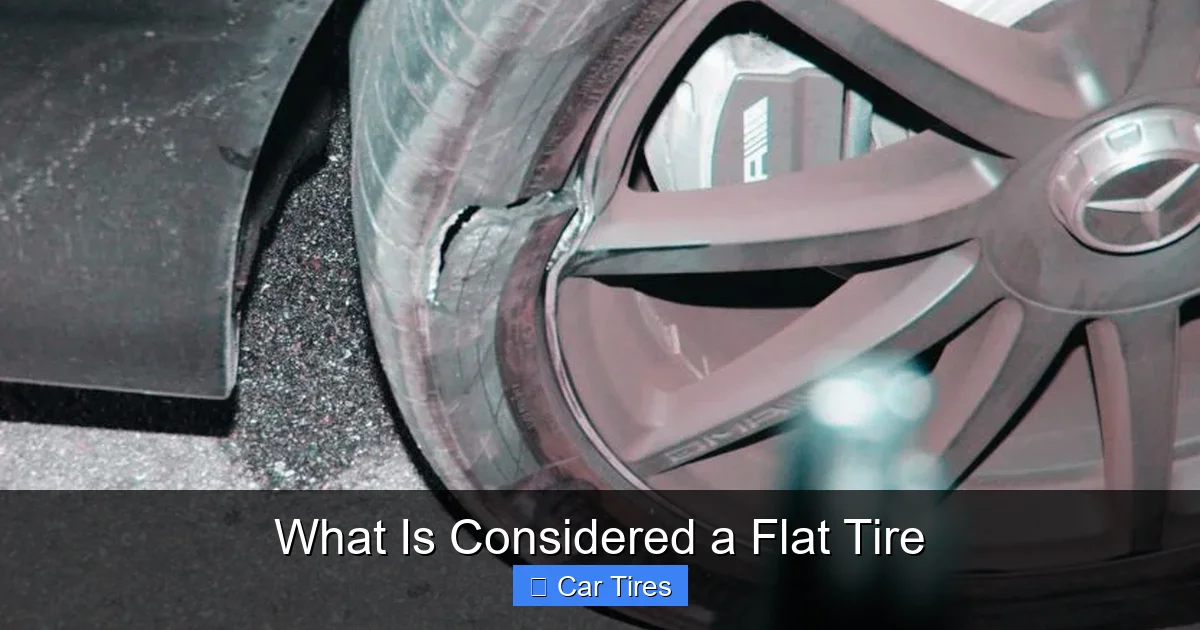
The most obvious sign of a flat tire is visible damage. Look for:
– A tire that appears sagging or bulging on one side
– Cracks or splits in the sidewall
– Objects like nails or screws stuck in the tread
– Exposed cords or belts under the rubber
If you see any of these, your tire may already be flat or close to failing. Never ignore visible damage—inspect it immediately and avoid driving on it.
Vehicle Pulling to One Side
If your car starts to drift or pull to the left or right without you turning the wheel, it could indicate a flat or underinflated tire. This happens because the deflated tire has a smaller diameter than the others, causing the vehicle to turn toward the side with less air.
For example, if your right front tire is losing air, your car may gradually pull to the right. This can be subtle at first, but it becomes more noticeable at higher speeds or when braking.
Unusual Vibrations or Noises
A flat or underinflated tire can cause vibrations in the steering wheel, floorboard, or seats. You might also hear a rhythmic thumping or flapping sound as the damaged tire rotates. These noises are often most noticeable at highway speeds.
If you hear a loud bang followed by loss of control, it could indicate a blowout—a sudden and complete failure of the tire. In this case, stay calm, grip the steering wheel firmly, and gradually slow down while pulling over safely.
TPMS Warning Light
Most modern vehicles are equipped with a Tire Pressure Monitoring System (TPMS) that alerts you when tire pressure is too low. If the TPMS light comes on, it’s a clear sign that one or more tires may be flat or underinflated.
Don’t ignore this warning. Pull over at the next safe opportunity and check your tire pressure. Even if the tire looks fine, the light could indicate a slow leak or temperature-related pressure drop.
Difficulty Steering or Handling
A flat tire can make your vehicle harder to control. You may notice:
– Increased steering effort
– Delayed response when turning
– Reduced braking efficiency
– A feeling of instability, especially at high speeds
These symptoms are especially dangerous in wet or slippery conditions, where traction is already reduced.
Reduced Fuel Efficiency
Underinflated tires create more rolling resistance, which means your engine has to work harder to move the vehicle. This can lead to decreased fuel economy—sometimes by as much as 3% for every 1 PSI drop in pressure.
If you notice your gas mileage suddenly dropping, it could be a sign of a slow leak or underinflation.
What to Do If You Have a Flat Tire: A Step-by-Step Response
Discovering a flat tire can be stressful, especially if you’re on a busy highway or in an unfamiliar area. But knowing how to respond can make all the difference. Here’s what to do if you suspect or confirm a flat tire.
Stay Calm and Assess the Situation
First, don’t panic. A flat tire is a common issue, and most drivers will experience one at some point. Take a deep breath and focus on safety.
If you’re driving and notice signs of a flat—such as pulling, vibrations, or a TPMS light—gradually reduce your speed. Avoid sudden braking or sharp turns, which can cause loss of control.
Pull Over Safely
Signal and move to the right shoulder or a safe, level area away from traffic. Choose a spot with plenty of space and good visibility. Avoid stopping on curves, hills, or soft shoulders where the vehicle could sink.
Once stopped, turn on your hazard lights to alert other drivers. Apply the parking brake and place wheel wedges or large rocks behind the tires to prevent rolling.
Check the Tire
Exit the vehicle only when it’s safe to do so—preferably on the side away from traffic. Inspect the tire for visible damage, punctures, or deflation. If the tire is completely flat or damaged, do not attempt to drive on it.
Decide Whether to Change the Tire or Call for Help
If you have a spare tire, jack, and wrench, and feel confident changing a tire, you can do it yourself. However, if you’re on a busy road, in bad weather, or unsure of the process, it’s safer to call for roadside assistance.
Many auto insurance policies and roadside assistance programs offer tire change services, so check your coverage before attempting a DIY repair.
Change the Tire (If Safe and Possible)
If you decide to change the tire:
1. Remove the hubcap (if applicable) and loosen the lug nuts slightly while the car is on the ground.
2. Use the jack to lift the vehicle according to the owner’s manual instructions.
3. Remove the lug nuts and take off the flat tire.
4. Mount the spare tire and hand-tighten the lug nuts.
5. Lower the vehicle and fully tighten the lug nuts in a star pattern.
6. Stow all equipment and drive cautiously to a repair shop.
Remember: spare tires (especially “donut” spares) are not meant for long-term use. Drive no more than 50 miles and at reduced speeds until you can replace the tire.
Get the Tire Repaired or Replaced
Even if you’ve changed the tire, the flat should be inspected by a professional. Some punctures can be repaired with a plug or patch, but others—especially sidewall damage or large tears—require a full replacement.
Never attempt to repair a tire that’s been driven on while flat, as internal damage may not be visible.
Preventing Flat Tires: Tips for Longer-Lasting, Safer Tires
The best way to deal with a flat tire is to avoid it altogether. While some causes—like road debris—are unavoidable, many flat tires can be prevented with regular maintenance and smart driving habits.
Check Tire Pressure Monthly
Use a reliable tire pressure gauge to check all four tires (plus the spare) at least once a month. Do this when the tires are cold—before driving or after the car has been parked for several hours.
Refer to your vehicle’s owner’s manual or the sticker on the driver’s side door jamb for the recommended PSI. Don’t rely on the number printed on the tire sidewall—that’s the maximum pressure, not the ideal.
Inspect Tires Regularly
Look for signs of wear, cracks, bulges, or embedded objects. Pay special attention to the sidewalls and tread grooves. If you spot anything unusual, have it checked by a professional.
Rotate Tires Every 5,000 to 7,000 Miles
Tire rotation ensures even wear across all four tires, extending their lifespan and improving performance. Follow your vehicle manufacturer’s recommended rotation pattern.
Avoid Road Hazards
Stay alert for potholes, debris, curbs, and construction zones. If you can’t avoid a hazard, slow down and drive over it carefully to minimize impact.
Don’t Overload Your Vehicle
Check your vehicle’s load capacity and avoid exceeding it. Distribute weight evenly and secure loose items to prevent shifting.
Replace Old or Worn Tires
Tires should be replaced every 6 to 10 years, regardless of tread depth. Use the “penny test” to check tread: insert a penny into the tread with Lincoln’s head upside down. If you can see the top of his head, it’s time for new tires.
Use Season-Appropriate Tires
In colder climates, consider switching to winter tires for better traction and reduced risk of flats. Summer or all-season tires may harden in cold weather, increasing the chance of cracks and leaks.
Conclusion: Stay Informed, Stay Safe
Understanding what is considered a flat tire goes beyond knowing when to call a tow truck. It’s about recognizing the signs, understanding the causes, and taking proactive steps to prevent problems before they happen. A flat tire can happen to anyone, but with the right knowledge and preparation, you can handle it safely and confidently.
From punctures and valve stem issues to aging rubber and temperature changes, the reasons tires go flat are varied—but many are preventable. Regular maintenance, careful driving, and attention to warning signs can go a long way in keeping you and your passengers safe on the road.
Remember: a flat tire isn’t just an inconvenience. It’s a potential safety hazard that demands immediate attention. Whether you’re dealing with a slow leak or a sudden blowout, knowing how to respond can make all the difference.
So the next time you hear that telltale thump or see that dreaded TPMS light, you’ll know exactly what to do. Stay informed, stay prepared, and keep rolling safely.
Frequently Asked Questions
Can I drive on a flat tire if it’s only slightly low on air?
No, you should not drive on a tire that’s significantly underinflated, even if it doesn’t look completely flat. Driving on low-pressure tires can cause overheating, internal damage, and increase the risk of a blowout.
How fast can a tire go flat after a puncture?
It depends on the size and location of the puncture. A small nail might cause a slow leak over days, while a large tear can lead to a rapid deflation in seconds.
Can a flat tire be repaired, or does it always need to be replaced?
Many punctures in the tread area can be repaired with a plug or patch, but damage to the sidewall or a tire that’s been driven on while flat usually requires replacement.
Why does my tire keep going flat even after I fix it?
Recurring flats may indicate a hidden leak, damaged rim, or internal tire damage. Have a professional inspect the tire and wheel to find the root cause.
Is it safe to use a donut spare tire for long distances?
No, spare tires are designed for temporary use only. Most are limited to 50 miles and speeds under 55 mph. Replace or repair the damaged tire as soon as possible.
How often should I check my tire pressure?
Check your tire pressure at least once a month and before long trips. Use a reliable gauge and check when the tires are cold for accurate readings.