

What Is A Road Bike Helmet: Ultimate Guide For Riders

Contents
- 1 What is a road bike helmet? Definition and purpose
- 2 Key design features of a road bike helmet
- 3 Materials and construction
- 4 Safety standards and certifications
- 5 Fit and sizing: how to get it right
- 6 Ventilation, weight, and aerodynamics—trade-offs to consider
- 7 Rotational impact protection and technologies
- 8 When to replace a road bike helmet
- 9 Differences from other helmet types
- 10 Buying guide and price ranges
- 11 Maintenance and care tips
- 12 Benefits and limitations
- 13 Personal experience and common mistakes
- 14 People also ask
- 15 Frequently Asked Questions of what is a road bike helmet
- 16 Conclusion

Parking Sensor Kit

Liquid Car Polish
Fuel Injector Cleaner

Car Floor Mats (Universal)
A road bike helmet is a lightweight, aerodynamic helmet made to protect cyclists on paved roads.
I’ve written and tested helmets for years while coaching and commuting. If you want a clear, reliable guide on what is a road bike helmet, this article breaks it down. You’ll learn how road helmets work, what to look for, how to fit one, safety standards, and real tips from experience. Read on to pick the right helmet and ride with more confidence.

What is a road bike helmet? Definition and purpose
A road bike helmet is a purpose-built helmet for cyclists who ride on paved roads. It protects the head from impact, reduces injury risk, and balances weight with airflow. When you think about what is a road bike helmet, imagine a shell and liner that work together to absorb crash energy while keeping you cool on long rides.
Road helmets aim for low weight, high ventilation, and clean aerodynamics. They focus on comfort for hours in the saddle and protection in common road crash scenarios.

Key design features of a road bike helmet
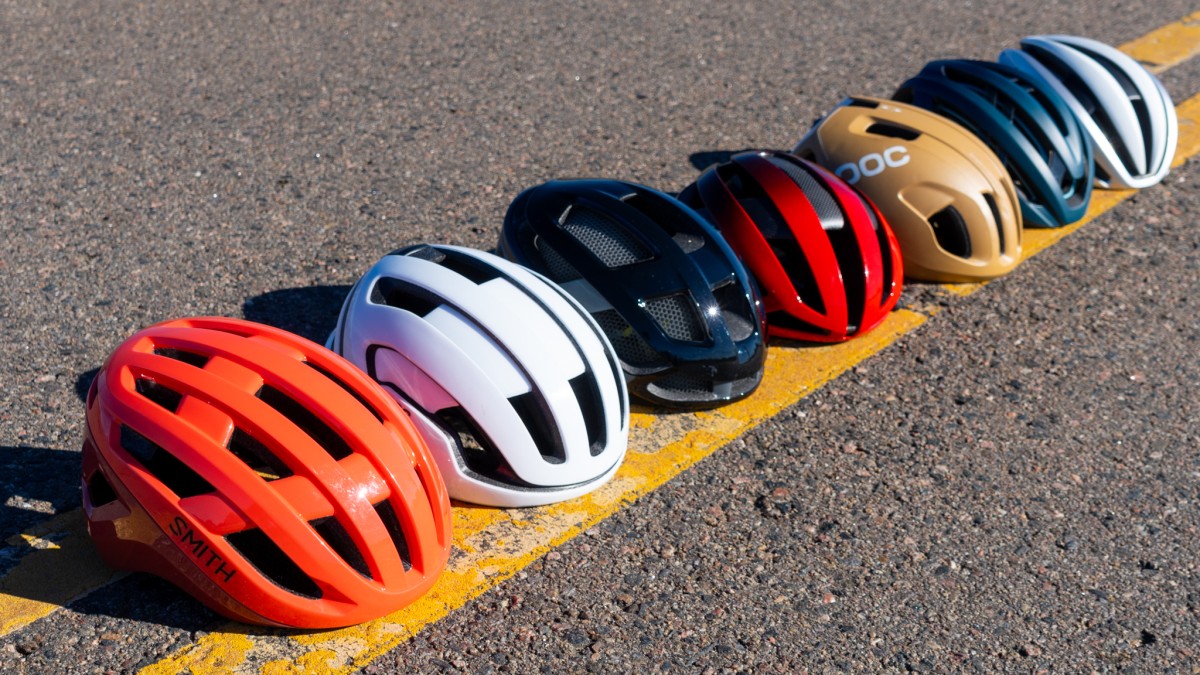
Understanding what is a road bike helmet means knowing its parts and why they matter. Below are the main features.
- Shell and liner: A hard outer shell and an inner foam liner absorb and spread impact force.
- Ventilation: Large vents channel air to cool the rider.
- Fit systems: Adjustable dials, straps, and liners ensure a snug, stable fit.
- Aerodynamics: Smooth shapes reduce drag at higher speeds.
- Weight: Lightweight materials lower neck strain on long rides.
- Safety tech: Systems like rotational-impact protection help reduce brain injury risk.
These parts together answer what is a road bike helmet by showing how protection, comfort, and performance link.
Materials and construction
Road bike helmets use a few core materials and methods. Knowing these helps you judge quality.
- EPS foam liner: Common impact-absorbing core.
- Polycarbonate shell: Thin plastic shell bonds to the foam for durability.
- In-mold construction: Shell fused to foam for light weight and strength.
- Reinforcements: Internal ribs or composite layers add stiffness without much weight.
- Add-on tech: Low-profile pads, sweat-wicking liners, and removable covers.
When you read about what is a road bike helmet, pay attention to how it is built. Better construction often means better protection and comfort.

Safety standards and certifications
Safety standards tell you a helmet met basic tests. They are part of answering what is a road bike helmet in a practical way.
- CPSC (US): A common requirement for consumer helmets sold in the United States.
- EN 1078 (Europe): European standard for biking helmets.
- ASTM or other standards: Used in some regions or for specific sports.
A certified helmet passed impact tests, retention tests, and coverage checks. Always choose a helmet that lists one or more recognized standards.

Fit and sizing: how to get it right
Fit is the most important factor when learning what is a road bike helmet. A loose helmet won’t protect you.
- Measure head circumference: Use a tape above your eyebrows to choose a size.
- Position: Helmet should sit level, one to two finger-widths above the eyebrows.
- Straps: Form a V under each ear, snug but comfy.
- Chin strap: Tighten so only two fingers fit between strap and chin.
- Dial fitters: Adjust the rear dial to center the helmet and remove wobble.
Try helmets on with glasses and any accessories you normally use. A proper fit can make the difference in a crash.

Ventilation, weight, and aerodynamics—trade-offs to consider
When answering what is a road bike helmet, know the trade-offs. You can’t maximize everything at once.
- Ventilation vs. aerodynamics: Big vents cool well but can increase drag.
- Weight vs. protection features: Lighter helmets often use more advanced materials.
- Aerodynamic shells: Better at speed but may feel warmer at low speed.
Match the helmet to your riding. For long climbs, focus on low weight and vents. For time trials, choose an aero model. For mixed riding, pick a balanced option.
Rotational impact protection and technologies
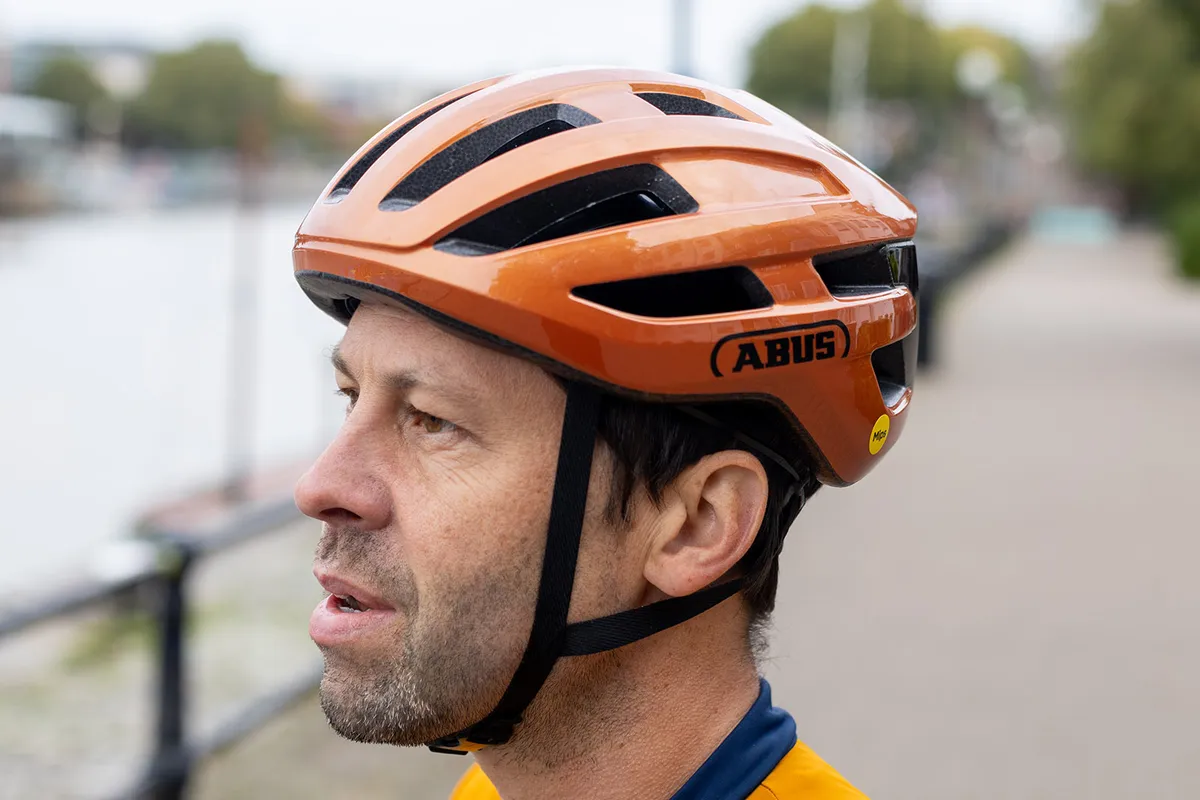
Modern helmets often include tech to reduce rotational forces in a crash. These systems help explain what is a road bike helmet today.
- Low-friction layers: Allow the head to slide slightly inside the shell during angled impacts.
- Slip-plane systems: Designed to redirect energy away from the brain.
- Testing limits: No system prevents all injuries, but they reduce certain risks.
Look for helmets that clearly describe the protection they offer. These features can add safety for real-world crashes.

When to replace a road bike helmet
Knowing when to replace is part of responsible riding and understanding what is a road bike helmet.
- After a crash: Replace immediately, even if damage isn’t visible.
- Every 3–5 years: Foam degrades with time and sun exposure.
- Visible wear: Cracks, compressed foam, or a broken strap mean replace now.
Record purchase dates and inspect helmets regularly. It’s an easy habit that keeps protection reliable.
Differences from other helmet types
Comparing helmets clarifies what is a road bike helmet and why it might differ from others.
- Mountain bike helmets: Often have more coverage at the back and a visor.
- Commuter helmets: Focus on visibility, comfort, and sometimes integrated lights.
- Time-trial helmets: Extreme aerodynamics for race use, less ventilation.
Pick the style that matches your use. A road bike helmet is tuned for speed and long rides on paved surfaces.
Buying guide and price ranges
Price doesn’t always equal safety, but it affects features. Here’s a simple guide about what is a road bike helmet across budgets.
- Budget (under $60): Meets basic safety standards. Less ventilation and fewer fit options.
- Mid-range ($60–$200): Better fit systems, lighter weight, improved ventilation.
- High-end ($200+): Advanced materials, aero designs, and added safety tech.
Try before you buy. Comfort and fit are more important than stickers or brand names.
Maintenance and care tips
A little care extends helmet life and keeps it effective. This supports the practical side of what is a road bike helmet.
- Clean with mild soap and water; avoid solvents.
- Store out of direct sun and heat to protect foam.
- Replace pads when they wear out for comfort and hygiene.
- Check straps and buckles for wear before each ride.
Good care keeps a helmet ready when you need it.
Benefits and limitations
Clear pros and cons help you set realistic expectations about what is a road bike helmet.
Benefits
- Reduces risk of head injury in crashes.
- Improves comfort on long rides with ventilation.
- Adds aerodynamic gains for speed-focused riders.
Limitations
- No helmet can prevent all brain injuries.
- Proper fit and correct use are essential to work.
- Some technologies add cost without replacing safe fit.
Accept both the protection and the limits. That balance is central to what is a road bike helmet.
Personal experience and common mistakes
I’ve tested helmets on long climbs and fast group rides. I learned a few things that help explain what is a road bike helmet in real life.
- Don’t pick a helmet only by weight. Ultra-light models can trade comfort or ventilation.
- Replacing a helmet after a minor crash is worth the peace of mind. I replaced one after a fall and avoided a potential severe outcome.
- Check fit with sunglasses and a cap. Some helmets sit too high with accessories.
- Avoid relying solely on online reviews. Try helmets on in person when you can.
Small habits matter. A well-fitted, maintained helmet became my default for every ride.
People also ask
What is the main purpose of a road bike helmet?
The main purpose is to reduce head injury by absorbing impact and stabilizing the head during a crash.
Are road bike helmets safe for all riders?
Yes, certified road bike helmets offer protection for most riders, but a proper fit and condition are key.
Can a road bike helmet prevent concussions?
Helmets reduce forces and lower concussion risk, but no helmet can fully prevent concussions in every crash.
Frequently Asked Questions of what is a road bike helmet
What should I look for when buying a road bike helmet?
Look for proper fit, certification, ventilation, and comfort features like adjustable fit systems and removable pads.
How tight should a road bike helmet be?
It should be snug but not painful. Use the rear dial and straps so the helmet doesn’t move when you shake your head.
How long does a road bike helmet last?
Replace a helmet after a crash or every 3–5 years due to foam and strap degradation.
Is MIPS necessary in a road bike helmet?
MIPS-like systems add rotational protection. They are a useful feature but not a substitute for fit and overall helmet quality.
Can I wear a road bike helmet for commuting?
Yes. Many road helmets work well for commuting, but you may prefer helmets with extra visibility or integrated lights.
Conclusion
A road bike helmet is a purpose-built tool that blends protection, comfort, and performance for paved riding. You now know what is a road bike helmet, how it works, how to fit it, and how to care for it. Use the tips here to choose a helmet that fits well and meets standards. Ride mindful, keep your helmet in good shape, and replace it when needed. If this helped, try on a few models at a local shop or share your helmet story in the comments.


