What Is a 33 Tire in Metric
Understanding what a 33 tire in metric means is essential for off-roaders, truck owners, and anyone upgrading their wheels. This guide breaks down the conversion, explains tire sizing systems, and helps you choose the right fit for your vehicle.
In This Article
- 1 Key Takeaways
- 2 📑 Table of Contents
- 3 What Is a 33 Tire in Metric? A Complete Guide
- 4 Understanding Tire Sizing Systems: Imperial vs. Metric
- 5 Common Metric Equivalents for a 33-Inch Tire
- 6 How to Convert 33-Inch Tires to Metric
- 7 Why Tire Size Matters for Your Vehicle
- 8 Installation Tips and Considerations
- 9 Conclusion
- 10 Frequently Asked Questions
Key Takeaways
- 33-inch tires refer to overall diameter: A “33 tire” means the tire’s total height is approximately 33 inches when mounted and inflated.
- Metric sizing uses millimeters: Metric tire sizes are written as width/aspect ratio/rim diameter (e.g., 285/75R16), with width in millimeters.
- Conversion is key for compatibility: A 33-inch tire often converts to a 285/75R16 or 255/80R17 in metric, depending on rim size and aspect ratio.
- Aspect ratio affects ride and handling: A lower aspect ratio means a shorter sidewall, improving handling but reducing comfort on rough terrain.
- Rim diameter impacts fit: Always match your tire’s rim diameter (e.g., R16, R17) to your wheel size to avoid installation issues.
- Check clearance before upgrading: Larger tires like 33s may require suspension lifts or fender modifications to prevent rubbing.
- Speedometer accuracy matters: Installing larger tires can throw off your speedometer; recalibration is often needed.
📑 Table of Contents
What Is a 33 Tire in Metric? A Complete Guide
If you’ve ever browsed truck or SUV forums, shopped for off-road tires, or considered upgrading your vehicle’s wheels, you’ve probably come across the term “33 tire.” It sounds simple—just a 33-inch tire, right? But when you start looking at tire sizes in metric, things can get confusing fast. What does “33” actually mean? How do you find the right metric equivalent? And why does it matter?
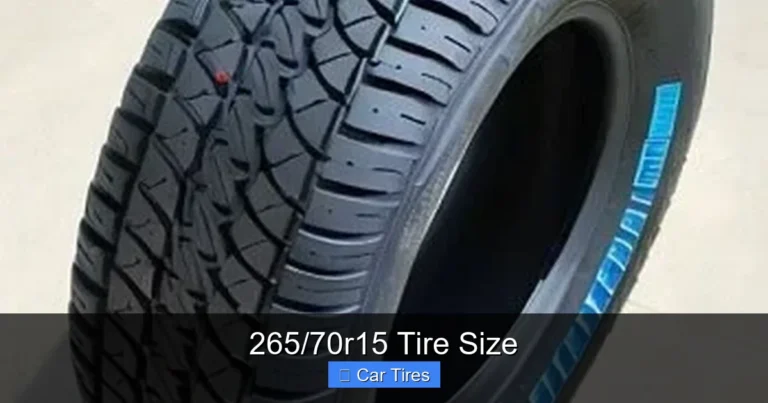
Let’s clear up the confusion. A “33 tire” refers to a tire with an overall diameter of approximately 33 inches. This measurement includes the wheel (rim) and the tire’s sidewall height combined. It’s a common size for lifted trucks, Jeeps, and off-road vehicles because it offers better ground clearance, improved traction, and a more aggressive look. But here’s the catch: most tire manufacturers list sizes in metric, not inches. So, to find the right tire, you need to know how to convert that 33-inch diameter into a metric size like 285/75R16 or 255/80R17.
This guide will walk you through everything you need to know about 33-inch tires in metric. We’ll explain how tire sizing works, show you how to convert between systems, and help you choose the best fit for your vehicle. Whether you’re a weekend warrior hitting the trails or just want better performance on the highway, understanding tire sizes is the first step to making smart decisions.
Understanding Tire Sizing Systems: Imperial vs. Metric
Tire sizes might look like a random string of numbers and letters, but they actually tell you a lot about the tire’s dimensions and capabilities. There are two main systems used to label tires: imperial (inches) and metric (millimeters). In the U.S., both systems are used, which can be confusing—especially when you’re trying to match a 33-inch tire to a metric size.
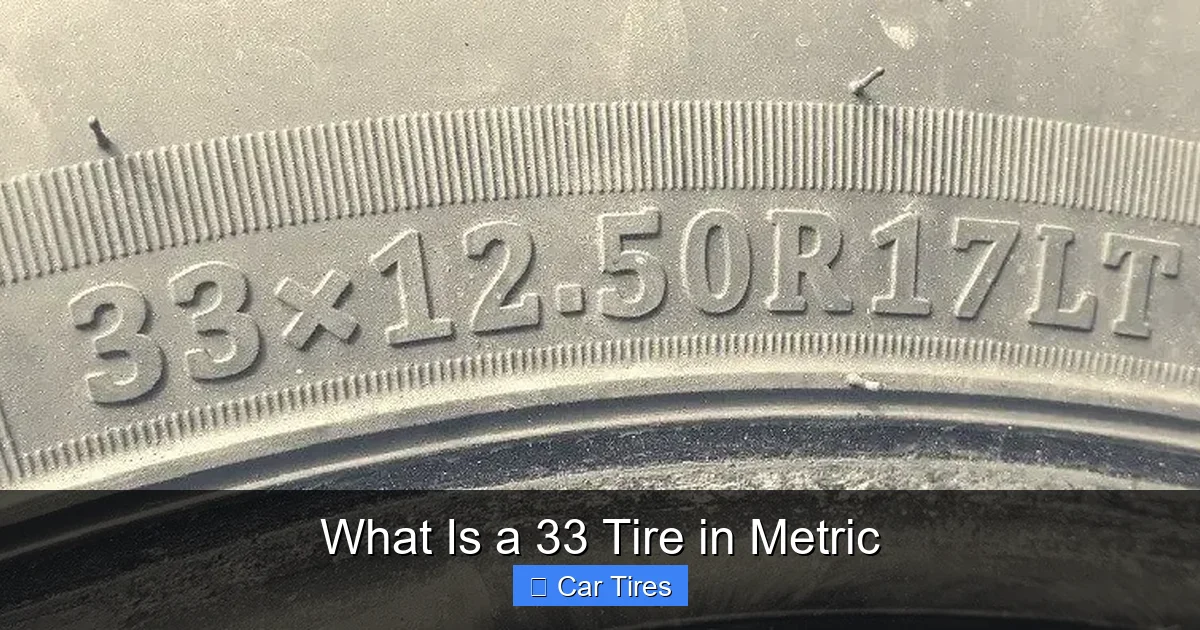
The imperial system, often used for off-road and light truck tires, describes the tire by its overall diameter in inches. For example, a “33×12.50R15” tire means it’s 33 inches tall, 12.50 inches wide, and fits a 15-inch rim. This system is straightforward for measuring height, which is why off-roaders love it—it’s easy to see how much ground clearance you’re gaining.
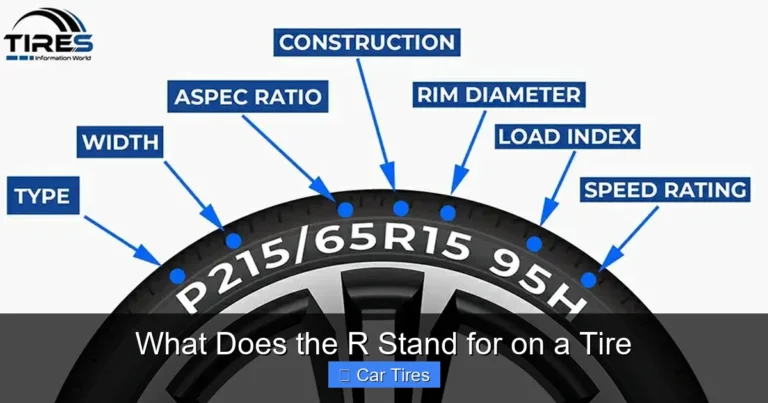
On the other hand, the metric system is more precise and widely used globally. It follows the format: width/aspect ratio/rim diameter. For example, a 285/75R16 tire has a width of 285 millimeters, an aspect ratio of 75%, and fits a 16-inch rim. The aspect ratio is the height of the sidewall as a percentage of the width. So, a 75% aspect ratio means the sidewall is 75% as tall as the tire is wide.
Why does this matter? Because when you’re shopping for tires, you’ll mostly see metric sizes—even if you’re looking for a 33-inch tire. That means you need to know how to convert between the two systems. It’s not just about guessing; it’s about matching the right dimensions to your vehicle’s needs.
Why Two Systems Exist
You might wonder why we even have two different systems. It’s largely a matter of history and geography. The U.S. has traditionally used imperial measurements, while most of the world uses the metric system. Tire manufacturers based in Europe and Asia use metric sizing, and since many tires sold in the U.S. are imported, metric sizes dominate the market.
Even American tire brands often list metric sizes first, with imperial equivalents in parentheses. This dual labeling helps bridge the gap, but it can still be confusing. For example, a tire might be labeled “285/75R16 (33×11.50R16)”—the first part is metric, the second is imperial. If you’re not paying attention, you might miss the connection.
The good news? Once you understand how the systems relate, you can easily switch between them. And for a 33-inch tire, there are a few common metric equivalents that you’ll see over and over.
How to Read a Metric Tire Size
Let’s break down a typical metric tire size: 285/75R16.
– 285: This is the tire’s width in millimeters. It’s measured from sidewall to sidewall when mounted and inflated.
– 75: This is the aspect ratio. It means the sidewall height is 75% of the width. So, 75% of 285 mm is about 214 mm.
– R: This stands for radial construction, which is the most common type of tire today.
– 16: This is the rim diameter in inches—the size of the wheel the tire fits.
To find the overall diameter, you need to calculate the sidewall height and double it (since there’s a sidewall on top and bottom), then add the rim diameter.
Here’s the formula:
Overall Diameter = (Sidewall Height × 2) + Rim Diameter
Visual guide about What Is a 33 Tire in Metric
Image source: tireblogger.com
For a 285/75R16:
– Sidewall height = 285 mm × 0.75 = 213.75 mm
– Convert to inches: 213.75 mm ÷ 25.4 ≈ 8.41 inches
– Double it: 8.41 × 2 = 16.82 inches
– Add rim diameter: 16.82 + 16 = 32.82 inches
That’s very close to 33 inches—so a 285/75R16 is essentially a 33-inch tire.
Common Metric Equivalents for a 33-Inch Tire
Now that you know how to read metric sizes, let’s look at the most common metric equivalents for a 33-inch tire. These sizes are widely available and compatible with many trucks, SUVs, and off-road vehicles.
285/75R16
This is one of the most popular metric sizes for a 33-inch tire. As we calculated above, it has an overall diameter of about 32.8 inches—just under 33 inches, but close enough for most applications. It’s a great fit for 16-inch wheels and is commonly used on Ford F-150s, Toyota Tacomas, and older Jeeps.
The 285 mm width (about 11.2 inches) gives you a good balance of stability and traction, while the 75% aspect ratio provides a tall sidewall for a comfortable ride on rough terrain. This size is also widely available from major brands like BFGoodrich, Goodyear, and Nitto.
255/80R17
Another common option is the 255/80R17. Let’s do the math:
– Sidewall height = 255 mm × 0.80 = 204 mm
– In inches: 204 ÷ 25.4 ≈ 8.03 inches
– Double it: 8.03 × 2 = 16.06 inches
– Add rim diameter: 16.06 + 17 = 33.06 inches
This tire is almost exactly 33 inches tall and fits 17-inch wheels. It’s a popular choice for newer trucks like the Chevrolet Silverado, GMC Sierra, and Ram 1500, which often come with 17-inch rims from the factory.
The narrower width (255 mm or about 10 inches) can be an advantage if you’re driving in snow or mud, as it cuts through soft surfaces more easily. However, it may not feel as stable on high-speed highways compared to wider tires.
265/70R17
This size is a bit shorter than 33 inches but often used as a close alternative:
– Sidewall height = 265 mm × 0.70 = 185.5 mm
– In inches: 185.5 ÷ 25.4 ≈ 7.3 inches
– Double it: 7.3 × 2 = 14.6 inches
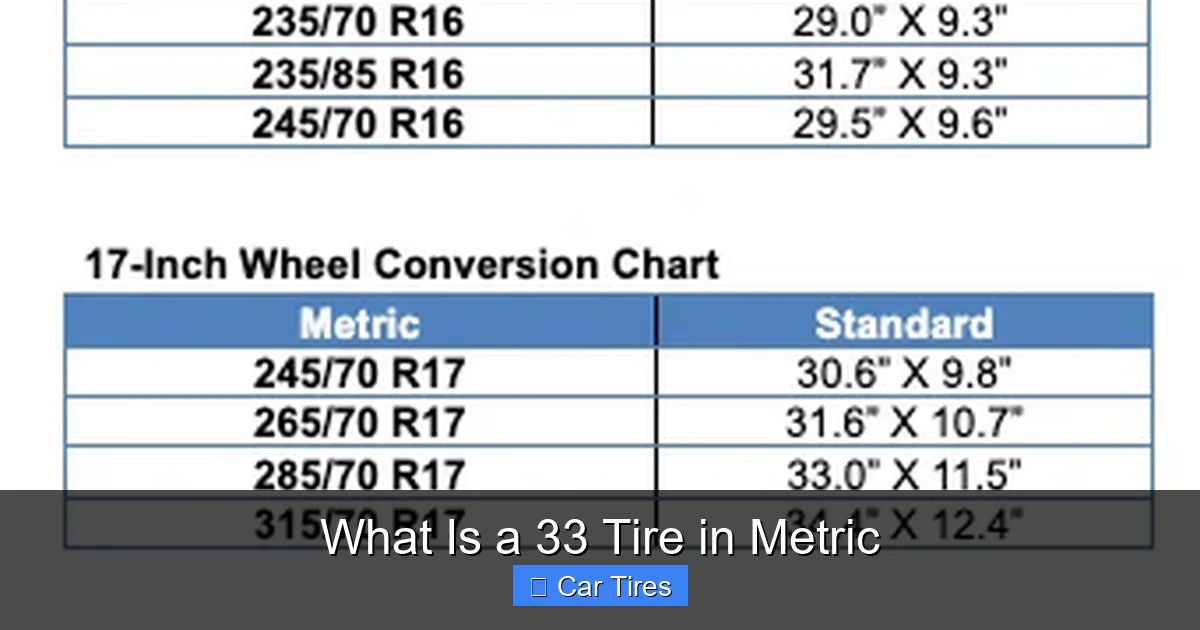
– Add rim diameter: 14.6 + 17 = 31.6 inches
At 31.6 inches, this tire is about 1.4 inches shorter than a true 33-inch tire. It’s a good option if you want a slightly smaller upgrade or if your vehicle has limited clearance. Many people choose this size for a balance of performance and fuel economy.
295/70R17
For a taller, wider option, consider the 295/70R17:
– Sidewall height = 295 mm × 0.70 = 206.5 mm
– In inches: 206.5 ÷ 25.4 ≈ 8.13 inches
– Double it: 8.13 × 2 = 16.26 inches
– Add rim diameter: 16.26 + 17 = 33.26 inches
This tire is slightly over 33 inches tall and offers excellent ground clearance. It’s a favorite among off-road enthusiasts who want maximum traction and a bold look. However, it may require a lift kit or fender trimming to fit properly.
305/70R16
If you’re running 16-inch wheels and want a wide tire, the 305/70R16 is a strong contender:
– Sidewall height = 305 mm × 0.70 = 213.5 mm
– In inches: 213.5 ÷ 25.4 ≈ 8.4 inches
– Double it: 8.4 × 2 = 16.8 inches
– Add rim diameter: 16.8 + 16 = 32.8 inches
Like the 285/75R16, this tire is just under 33 inches but offers a wider footprint for better stability. It’s a great choice for lifted Jeeps and trucks that need extra grip on trails.
How to Convert 33-Inch Tires to Metric
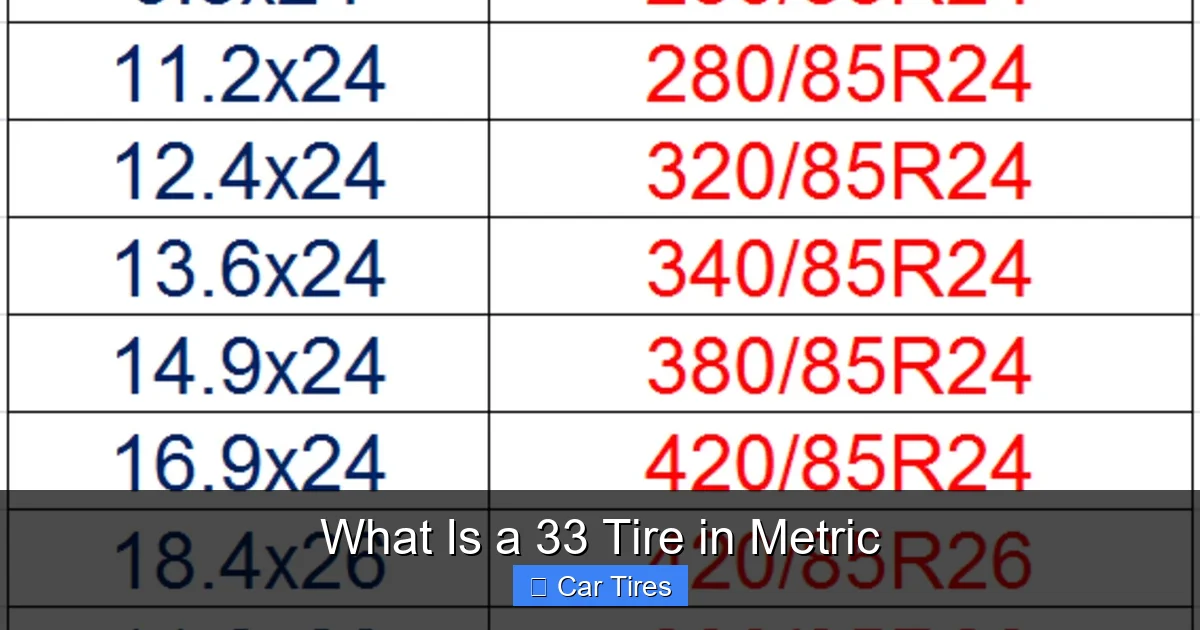
Converting a 33-inch tire to metric isn’t just about finding a close match—it’s about understanding the math behind tire dimensions. Here’s a step-by-step guide to help you do it yourself.
Step 1: Know Your Rim Diameter
The first thing you need is the diameter of your wheel (rim). This is usually stamped on the back of the wheel or listed in your vehicle’s manual. Common sizes include 15, 16, 17, and 20 inches.
Let’s say you have 16-inch wheels. You’ll want a tire that, when combined with the rim, gives you a total diameter of about 33 inches.
Step 2: Calculate the Required Sidewall Height
Since the total diameter is the sum of the rim diameter and twice the sidewall height, you can rearrange the formula:
Sidewall Height = (Overall Diameter – Rim Diameter) ÷ 2
Visual guide about What Is a 33 Tire in Metric
Image source: tireblogger.com
Visual guide about What Is a 33 Tire in Metric
Image source: nebula.wsimg.com
For a 33-inch tire on a 16-inch rim:
– Sidewall Height = (33 – 16) ÷ 2 = 17 ÷ 2 = 8.5 inches
So, you need a sidewall that’s about 8.5 inches tall.
Step 3: Convert Sidewall Height to Millimeters
Tire widths are in millimeters, so convert 8.5 inches to mm:
– 8.5 inches × 25.4 = 215.9 mm
Now you know the sidewall should be about 216 mm tall.
Step 4: Choose a Width and Calculate Aspect Ratio
Next, pick a tire width. Common widths for 33-inch tires range from 255 mm to 305 mm. Let’s try 285 mm.
Now, calculate the aspect ratio:
Aspect Ratio = (Sidewall Height ÷ Width) × 100
– Aspect Ratio = (216 ÷ 285) × 100 ≈ 75.8%
So, a 285/75R16 tire would give you a sidewall height of about 214 mm (285 × 0.75), which is very close to our target of 216 mm. That’s why 285/75R16 is such a popular 33-inch equivalent.
Step 5: Verify the Overall Diameter
Always double-check your math:
– Sidewall: 285 × 0.75 = 213.75 mm ≈ 8.41 inches
– Total height: (8.41 × 2) + 16 = 32.82 inches
That’s within 0.2 inches of 33—perfect for most applications.
Tips for Accurate Conversion
– Use online calculators: Websites like TireSize.com or Calculator.net have free tire size converters that do the math for you.
– Check manufacturer specs: Some tires run slightly larger or smaller than calculated due to design differences.
– Consider load and speed ratings: Make sure your tire meets or exceeds your vehicle’s requirements.
Why Tire Size Matters for Your Vehicle
Choosing the right tire size isn’t just about looks—it affects your vehicle’s performance, safety, and efficiency. Here’s why getting it right matters.
Ground Clearance and Off-Road Performance
Larger tires like 33s increase your vehicle’s ground clearance, which is crucial for off-roading. More clearance means you’re less likely to get stuck on rocks, ruts, or uneven terrain. It also improves approach and departure angles, helping you tackle steeper inclines and declines.
But remember: bigger isn’t always better. If your vehicle isn’t lifted, a 33-inch tire might rub against the fenders or suspension components. Always check for clearance before installing larger tires.
Handling and Stability
Wider tires provide better grip and stability, especially during cornering. A 285 mm tire will feel more planted than a 255 mm tire at high speeds. However, wider tires can also increase rolling resistance, which may reduce fuel economy.
Taller sidewalls (like those on a 75-series tire) absorb more shock, giving you a smoother ride on bumpy roads. But they can also feel softer and less responsive during sharp turns.
Speedometer and Odometer Accuracy
When you install larger tires, your speedometer will read slower than your actual speed. For example, if your speedometer says 60 mph, you might actually be going 63 mph. This happens because the larger tire covers more distance per revolution.
Over time, this can also affect your odometer, leading to inaccurate mileage readings. To fix this, you’ll need to recalibrate your speedometer using a tuner or by visiting a mechanic.
Fuel Economy and Wear
Larger, heavier tires require more energy to rotate, which can reduce fuel efficiency. They may also wear out faster if not properly aligned or balanced. However, some modern tires are designed to minimize rolling resistance, so the impact isn’t always severe.
Installation Tips and Considerations
Upgrading to 33-inch tires is exciting, but it’s not as simple as swapping them on. Here are some practical tips to ensure a smooth installation.
Check for Clearance
Before buying tires, test-fit one to make sure it doesn’t rub. Turn the steering wheel lock-to-lock and check for contact with the fenders, suspension, or brake lines. If you see rubbing, you may need a lift kit, fender flares, or wheel spacers.
Consider a Lift Kit
Most stock trucks and SUVs aren’t designed for 33-inch tires. A 2- to 4-inch lift kit can provide the necessary clearance. Coil spacers, leveling kits, or full suspension lifts are common options.
Recalibrate Your Speedometer
Use a handheld tuner (like those from Superchips or DiabloSport) to adjust your speedometer for the new tire size. This ensures accurate readings and prevents speeding tickets.
Balance and Align
New tires should be professionally balanced and aligned to prevent uneven wear and steering issues. This is especially important for larger, heavier tires.
Monitor Tire Pressure
Larger tires may require different air pressure settings. Check your owner’s manual or the tire manufacturer’s recommendations.
Conclusion
Understanding what a 33 tire in metric means is essential for anyone upgrading their vehicle’s tires. While “33-inch” refers to overall diameter, most tires are sold in metric sizes like 285/75R16 or 255/80R17. By learning how to convert between systems and calculate tire dimensions, you can make informed decisions that improve performance, safety, and style.
Whether you’re hitting the trails or cruising the highway, the right tire size makes all the difference. Take the time to measure, calculate, and consult with experts if needed. Your vehicle—and your adventures—will thank you.
Frequently Asked Questions
What does “33 tire” mean?
A “33 tire” refers to a tire with an overall diameter of approximately 33 inches when mounted and inflated. It’s a common size for trucks and off-road vehicles, offering increased ground clearance and a bold look.
How do I convert a 33-inch tire to metric?
To convert, calculate the required sidewall height by subtracting the rim diameter from 33 and dividing by 2. Then, choose a tire width and calculate the aspect ratio. For example, a 285/75R16 is a common 33-inch equivalent.
Can I put 33-inch tires on my stock truck?
It depends on your vehicle. Many stock trucks can fit 33-inch tires with minor modifications, but others may require a lift kit or fender trimming to prevent rubbing.
Will 33-inch tires affect my speedometer?
Yes, larger tires can cause your speedometer to read slower than your actual speed. Recalibration with a tuner is recommended for accuracy.
What’s the difference between 285/75R16 and 255/80R17?
Both are close to 33 inches in diameter, but the 285/75R16 is wider and fits 16-inch wheels, while the 255/80R17 is narrower and fits 17-inch wheels. Choose based on your rim size and performance needs.
Do I need a lift for 33-inch tires?
Not always, but most vehicles benefit from a 2- to 4-inch lift to ensure proper clearance and prevent tire rubbing during turns or over bumps.