
What Does Lt Stand for on a Tire

LT on a tire stands for “Light Truck,” indicating a tire designed for vehicles like SUVs, pickups, and vans that carry heavier loads or tow frequently. These tires offer stronger construction, better durability, and improved traction compared to standard passenger tires, making them ideal for rugged use and off-road conditions.
Key Takeaways
- LT stands for Light Truck: It identifies tires built for light-duty trucks, SUVs, and commercial vans that need extra strength and load capacity.
- Enhanced durability and load rating: LT tires have reinforced sidewalls and higher load indexes, allowing them to handle heavier weights and rough terrain.
- Better for towing and hauling: If you frequently tow trailers or carry heavy cargo, LT tires provide the stability and safety you need.
- Different from P-metric tires: Unlike passenger (P) tires, LT tires are engineered for tougher conditions and are not interchangeable without consideration.
- Common on trucks and SUVs: Most full-size pickups, large SUVs, and work vans come equipped with LT tires from the factory.
- Check your owner’s manual: Always verify your vehicle’s recommended tire type before switching to or from LT tires to ensure proper fit and performance.
- May affect ride comfort: LT tires can feel stiffer and noisier on highways, so balance performance needs with comfort preferences.
📑 Table of Contents
- What Does LT Stand for on a Tire?
- Why Do LT Tires Exist? The Need for Stronger Tires
- LT vs. P-Metric Tires: What’s the Difference?
- When Should You Use LT Tires?
- How to Read LT Tire Markings
- Pros and Cons of LT Tires
- Can You Put LT Tires on a Car or Crossover?
- How to Choose the Right LT Tire
- Maintaining Your LT Tires
- Conclusion: Is an LT Tire Right for You?
What Does LT Stand for on a Tire?
If you’ve ever looked at the sidewall of a tire and seen “LT” followed by a series of numbers and letters, you might have wondered what it means. Simply put, LT stands for “Light Truck.” This designation tells you that the tire is specifically designed for light-duty trucks, sport utility vehicles (SUVs), and commercial vans—vehicles that often carry heavier loads, tow trailers, or operate in more demanding conditions than typical passenger cars.
Unlike standard passenger tires—often labeled with a “P” for “P-metric”—LT tires are built with tougher materials and stronger internal structures. They’re engineered to withstand the extra stress that comes from hauling cargo, driving on rough roads, or navigating off-highway terrain. Whether you’re driving a Ford F-150, a Chevrolet Silverado, or a Toyota 4Runner, chances are your vehicle uses LT tires if it’s designed for work or adventure.
Understanding what LT means on a tire is more than just decoding a label—it’s about knowing whether your tires are up to the job your vehicle demands. Using the wrong type of tire can affect safety, fuel efficiency, handling, and even your vehicle’s warranty. So, let’s dive deeper into why LT tires exist, how they differ from other types, and how to choose the right one for your ride.
Why Do LT Tires Exist? The Need for Stronger Tires
Visual guide about What Does Lt Stand for on a Tire
Image source: worldtirereview.com
Not all vehicles are created equal—and neither are their tires. Passenger cars are designed for comfort, fuel efficiency, and everyday driving on paved roads. But trucks, SUVs, and work vans have different needs. They often carry heavy loads, tow boats or trailers, and drive on gravel, dirt, or uneven surfaces. That’s where LT tires come in.
Built for Heavy-Duty Use
LT tires were developed to meet the demands of vehicles that operate under heavier stress. They feature reinforced sidewalls, thicker rubber compounds, and stronger internal belts. This extra strength helps prevent punctures, blowouts, and sidewall damage—especially important when you’re driving with a full bed of mulch or towing a camper up a mountain pass.
For example, imagine you’re driving a pickup truck loaded with construction materials. A standard passenger tire might overheat or fail under that weight. But an LT tire, with its higher load capacity and rugged build, can handle the job safely and reliably.
Common Applications for LT Tires
LT tires are commonly found on:
- Full-size pickup trucks (e.g., Ford F-150, Ram 1500, Toyota Tundra)
- Large SUVs (e.g., Chevrolet Tahoe, Ford Expedition, Jeep Grand Cherokee)
- Commercial vans (e.g., Ford Transit, Mercedes Sprinter)
- Off-road and adventure vehicles (e.g., Toyota Tacoma, Ford Bronco)
These vehicles are often used for work, recreation, or both—making LT tires a practical choice. Even if you don’t tow or haul every day, having LT tires can give you peace of mind knowing your vehicle is ready for whatever comes your way.
LT vs. P-Metric Tires: What’s the Difference?
Visual guide about What Does Lt Stand for on a Tire
Image source: worldtirereview.com
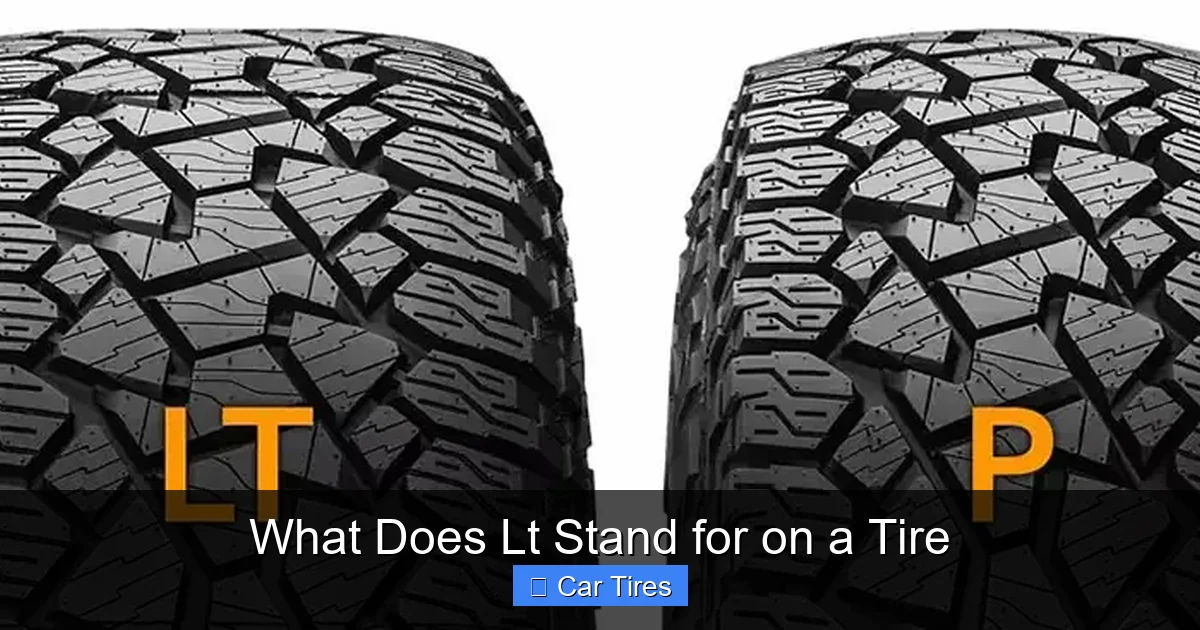
One of the most common questions drivers ask is: “Can I use LT tires on my SUV or truck instead of the P-metric tires that came from the factory?” The short answer is: sometimes—but it’s not always a direct swap. To understand why, let’s compare LT and P-metric tires side by side.
Construction and Materials
P-metric tires (labeled with a “P” before the size, like P265/70R17) are designed for passenger vehicles. They prioritize comfort, quiet rides, and fuel efficiency. They have lighter construction, softer sidewalls, and are optimized for smooth highways.
LT tires, on the other hand, are built like mini workhorses. They use heavier-duty materials, including:
- Thicker sidewalls to resist cuts and impacts
- Reinforced steel belts for added strength
- Higher air pressure ratings to support heavier loads
This makes LT tires more durable but also stiffer and less comfortable on long highway drives.
Load Capacity and Pressure Ratings
One of the biggest differences is load capacity. LT tires are rated to carry more weight than P-metric tires of the same size. For example, a P265/70R17 tire might have a load index of 115 (about 2,679 lbs per tire), while an LT265/70R17 tire could have a load index of 121 (about 3,197 lbs per tire).
Additionally, LT tires are designed to run at higher air pressures—often 50 psi or more—compared to P-metric tires, which typically run around 35 psi. This higher pressure helps support heavier loads but can make the ride feel harsher if not properly adjusted.
Speed Ratings and Performance
Both LT and P-metric tires come with speed ratings (like S, T, or H), but LT tires often have lower speed ratings due to their heavier construction. This doesn’t mean they’re unsafe—just that they’re optimized for load and durability over high-speed performance.
For most drivers, this isn’t an issue. But if you frequently drive at high speeds on highways, you may notice a difference in handling and responsiveness between LT and P-metric tires.
When Should You Use LT Tires?
Visual guide about What Does Lt Stand for on a Tire
Image source: mrtirerack.com
Now that you know what LT tires are and how they differ from passenger tires, the next question is: should you use them? The answer depends on your vehicle, driving habits, and needs.
You Tow or Haul Regularly
If you frequently tow a trailer, boat, or camper—or carry heavy loads in your truck bed—LT tires are a smart choice. Their higher load capacity and stronger build reduce the risk of tire failure under stress. For example, a farmer using a pickup to haul hay bales or a contractor transporting tools will benefit greatly from LT tires.
You Drive Off-Road or on Rough Terrain
LT tires are ideal for off-road adventures, gravel roads, or construction sites. Their reinforced sidewalls resist punctures from rocks and debris, and their aggressive tread patterns provide better traction on loose or uneven surfaces. If you take your SUV on weekend trail rides or drive on unpaved backroads, LT tires can improve both safety and performance.
You Want Extra Durability and Longevity
Even if you don’t tow or go off-road, LT tires can last longer than P-metric tires due to their rugged construction. They’re less prone to wear and damage, which can save you money in the long run. However, this comes at the cost of a slightly firmer ride and potentially lower fuel efficiency.
Your Vehicle Came with LT Tires
Many trucks and SUVs are factory-equipped with LT tires because they’re built for work and utility. If your vehicle originally came with LT tires, it’s usually best to stick with them—or at least consult your owner’s manual before switching. Changing tire types can affect your vehicle’s suspension, braking, and overall performance.
How to Read LT Tire Markings
Tire sidewalls are packed with information, and LT tires are no exception. Learning to read these markings helps you understand your tire’s capabilities and ensure you’re using the right one.
Breaking Down the LT Tire Code
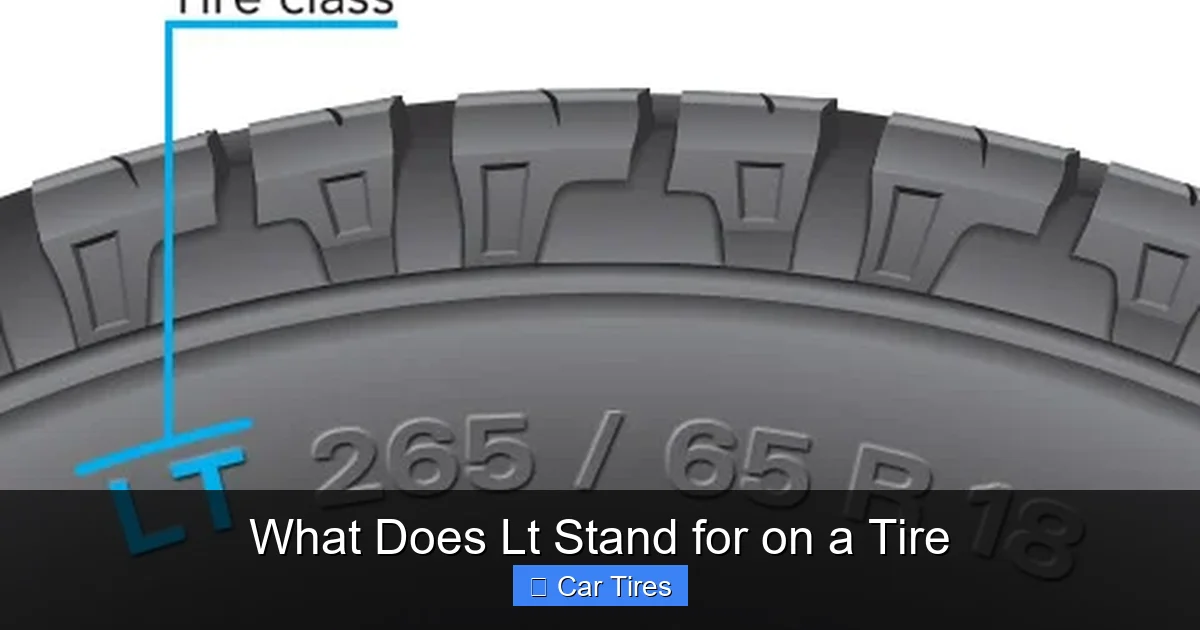
A typical LT tire size looks like this: LT265/70R17 121/118S. Let’s break it down:
- LT: Light Truck tire
- 265: Tire width in millimeters (about 10.4 inches)
- 70: Aspect ratio (sidewall height is 70% of the width)
- R: Radial construction (most common type)
- 17: Rim diameter in inches
- 121/118: Load index (121 for single rear wheels, 118 for dual rear wheels)
- S: Speed rating (up to 112 mph)
The dual load index (121/118) is unique to LT tires and reflects their use on vehicles with single or dual rear wheels.
Understanding Load Index and Speed Rating
The load index tells you how much weight the tire can safely carry. A higher number means greater capacity. The speed rating indicates the maximum speed the tire can sustain under load. While most drivers never reach these speeds, it’s important for safety and warranty purposes.
Always match or exceed the load index and speed rating recommended by your vehicle manufacturer.
Pros and Cons of LT Tires
Like any product, LT tires have advantages and disadvantages. Knowing both can help you decide if they’re right for your vehicle.
Advantages of LT Tires
- Higher load capacity: Can carry more weight safely
- Greater durability: Resistant to punctures, cuts, and wear
- Better off-road performance: Improved traction on rough terrain
- Longer lifespan: Often outlast passenger tires under heavy use
- Enhanced towing stability: Reduce sway and improve control when towing
Disadvantages of LT Tires
- Stiffer ride: Less comfortable on smooth highways
- Increased road noise: Can be louder than P-metric tires
- Lower fuel efficiency: Heavier tires require more energy to rotate
- Higher cost: Generally more expensive to purchase and maintain
- May require higher air pressure: Needs regular monitoring to avoid underinflation
For many drivers, the benefits outweigh the drawbacks—especially if they use their vehicle for work or adventure. But if you primarily drive on paved roads and value comfort and quiet, P-metric tires might be a better fit.
Can You Put LT Tires on a Car or Crossover?
This is a common question, and the answer is: technically yes, but it’s not recommended unless your vehicle is designed for it.
Most cars and small crossovers are built for P-metric tires. Their suspension, braking systems, and wheel wells aren’t designed to handle the weight and stiffness of LT tires. Installing LT tires on a car can lead to:
- Poor handling and steering response
- Increased wear on suspension components
- Reduced fuel economy
- Potential safety risks in emergency maneuvers
Always consult your vehicle’s owner’s manual or a trusted tire professional before making any changes. Some larger crossovers and SUVs can accommodate LT tires, but it’s not a decision to take lightly.
How to Choose the Right LT Tire
If you’ve decided LT tires are right for you, the next step is choosing the best one for your needs. Here are some tips to help you make the right choice.
Match Your Vehicle’s Specifications
Start by checking your owner’s manual or the tire information placard (usually on the driver’s door jamb). This will tell you the recommended tire size, load index, and speed rating. Stick to these guidelines to ensure safety and compatibility.
Consider Your Driving Conditions
Think about where and how you drive:
- For highway driving: Look for LT tires with a focus on comfort and low noise
- For off-road use: Choose all-terrain or mud-terrain LT tires with aggressive tread
- For towing: Prioritize high load ratings and stability features
Read Reviews and Compare Brands
Not all LT tires are created equal. Research brands like Michelin, Goodyear, BFGoodrich, and Cooper to find models with strong reputations for durability and performance. Read customer reviews and professional ratings to get real-world insights.
Don’t Forget About Warranty and Service
Check the manufacturer’s warranty, tread life guarantee, and availability of roadside assistance. Some brands offer better support and longer warranties, which can be valuable if you drive a lot or in remote areas.
Maintaining Your LT Tires
Proper maintenance is key to getting the most out of your LT tires. Here’s how to keep them in top condition.
Check Air Pressure Regularly
LT tires often require higher air pressure than passenger tires. Underinflation can lead to overheating, tread wear, and blowouts—especially when carrying heavy loads. Use a reliable tire pressure gauge and check pressure at least once a month, and before long trips.
Rotate Tires Every 5,000 to 7,000 Miles
Regular rotation helps ensure even wear and extends tire life. Follow your vehicle manufacturer’s recommended rotation pattern (usually front-to-back or cross-pattern).
Inspect for Damage
Look for cuts, bulges, cracks, or embedded objects. LT tires are tough, but they’re not invincible. Address any damage promptly to avoid bigger problems down the road.
Balance and Align When Needed
Vibrations or uneven wear can indicate a balance or alignment issue. Have your tires balanced and your wheels aligned if you notice steering pull or shaking.
Conclusion: Is an LT Tire Right for You?
So, what does LT stand for on a tire? It stands for “Light Truck”—a designation that signals strength, durability, and capability. LT tires are built for vehicles that do more than just commute. They’re for those who haul, tow, explore, and work hard.
If you drive a truck, large SUV, or commercial van—and especially if you use it for heavy-duty tasks—LT tires are likely the best choice. They offer superior load capacity, better off-road performance, and longer life under tough conditions.
But they’re not for everyone. If you primarily drive on highways and value a smooth, quiet ride, P-metric tires might serve you better. The key is understanding your vehicle’s needs and matching them with the right tire type.
Always consult your owner’s manual, talk to a tire professional, and consider your driving habits before making a switch. With the right information, you can choose tires that keep you safe, save you money, and help your vehicle perform at its best—no matter where the road takes you.
Frequently Asked Questions
What does LT mean on a tire?
LT stands for “Light Truck,” indicating a tire designed for light-duty trucks, SUVs, and vans that carry heavy loads or tow frequently. These tires are built with stronger materials and higher load capacities than standard passenger tires.
Can I put LT tires on my car?
Generally, no. Most cars are designed for P-metric tires, and using LT tires can affect handling, safety, and suspension performance. Only larger SUVs or trucks should use LT tires, and only if recommended by the manufacturer.
Are LT tires better for towing?
Yes, LT tires are ideal for towing because of their higher load capacity and reinforced construction. They provide better stability and reduce the risk of tire failure when hauling heavy trailers or equipment.
Do LT tires wear out faster than P-metric tires?
Not necessarily. While LT tires are heavier and may wear differently, their durable construction often leads to a longer lifespan, especially under heavy use. Proper maintenance is key to maximizing tire life.
Can I mix LT and P-metric tires on the same vehicle?
No, you should never mix tire types on the same axle. Using different tire types can cause handling issues, uneven wear, and safety risks. Always use the same type and size on all four wheels.
Do LT tires require different air pressure?
Yes, LT tires typically require higher air pressure—often 50 psi or more—compared to P-metric tires. Always check your vehicle’s recommended pressure and adjust accordingly, especially when carrying heavy loads.