What Does “check Gages” Mean on a Dodge Ram?

Contents


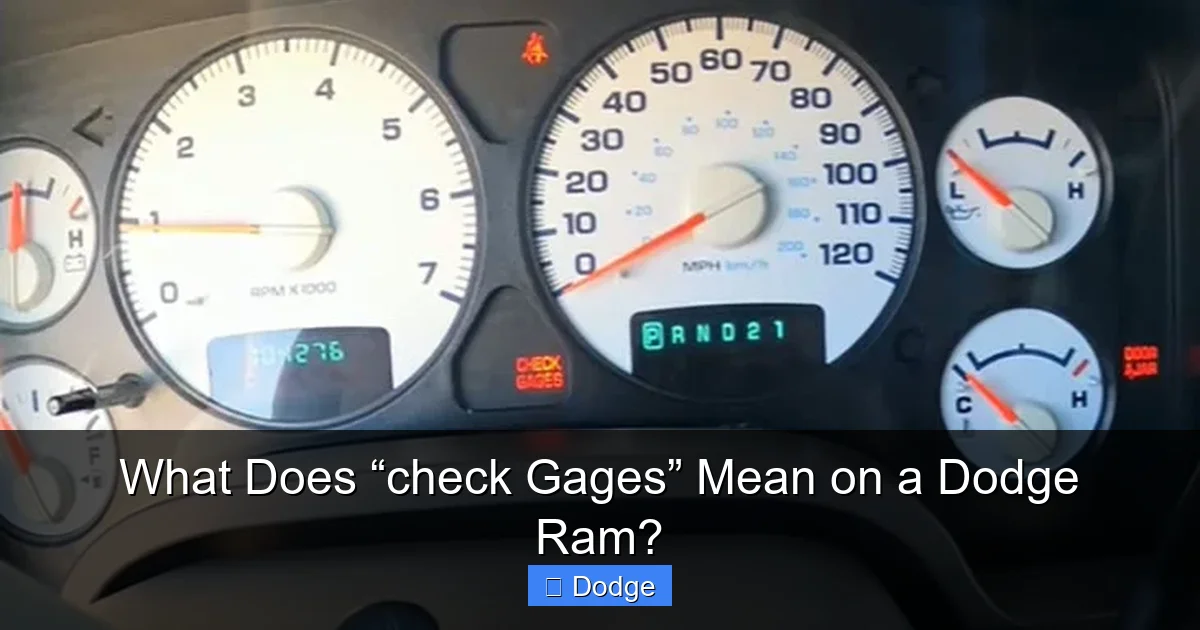
If your Dodge Ram displays “Check Gages,” it’s a warning that one or more dashboard gauges—like oil pressure, temperature, or voltage—are outside normal range. This alert requires immediate attention to prevent engine damage or breakdowns. Ignoring it can lead to costly repairs, so always stop safely and inspect your gauges right away.
Have you ever been driving your Dodge Ram—maybe hauling a trailer up a hill or cruising down the highway—when suddenly, a red or amber message flashes across your dashboard: “Check Gages”? Your heart skips a beat. What does it mean? Is your truck about to break down? Should you pull over right now?
You’re not alone. Thousands of Dodge Ram owners have seen this message and felt that same mix of confusion and concern. The good news? In many cases, “Check Gages” is your truck’s way of saying, “Hey, something’s not quite right—please take a look.” It’s not always a sign of imminent disaster, but it’s definitely not something you should ignore.
This message is part of your Ram’s built-in safety system. Modern Dodge Rams, especially models from 2009 onward, come equipped with advanced instrument clusters that monitor critical systems in real time. When one of the gauges—like oil pressure, engine temperature, or battery voltage—reads outside the normal range, the system triggers the “Check Gages” alert. It’s like your truck’s way of raising a red flag and saying, “Don’t keep driving like this.”
Understanding what this message means—and what to do when it appears—can save you from expensive repairs, roadside breakdowns, and even engine failure. In this guide, we’ll break down exactly what “Check Gages” means on a Dodge Ram, why it happens, how to respond, and how to prevent it from happening again. Whether you’re a daily driver, a weekend warrior, or a full-time hauler, this information is essential for keeping your Ram running strong.
Key Takeaways
- “Check Gages” is a warning message that appears on the Dodge Ram’s instrument cluster when a critical gauge reading is abnormal.
- Common causes include low oil pressure, overheating, or charging system issues—all of which can damage your engine if ignored.
- The message appears with a chime or flashing light and may be accompanied by other warning symbols like the check engine light.
- Always pull over safely when this message appears and check your oil, coolant, and battery connections before continuing.
- Regular maintenance prevents most “Check Gages” alerts—keeping fluids topped off and belts in good condition is key.
- Use an OBD2 scanner for deeper diagnostics if the issue persists after basic checks.
- Ignoring the warning can lead to engine failure, so treat it seriously every time.
📑 Table of Contents
What Does “Check Gages” Actually Mean?
The “Check Gages” message is a general warning that appears on the instrument cluster of many Dodge Ram trucks, particularly those with digital or semi-digital dashboards. It’s not tied to a single sensor or system—instead, it’s a broad alert that one or more of your vehicle’s critical gauges are showing abnormal readings.
Think of it as your truck’s way of saying, “Something’s off with one of my vital signs.” Just like a doctor checks your pulse, blood pressure, and temperature, your Ram constantly monitors key systems to ensure everything is running smoothly. When a gauge like oil pressure, coolant temperature, or battery voltage strays from the normal range, the system triggers this warning to get your attention.
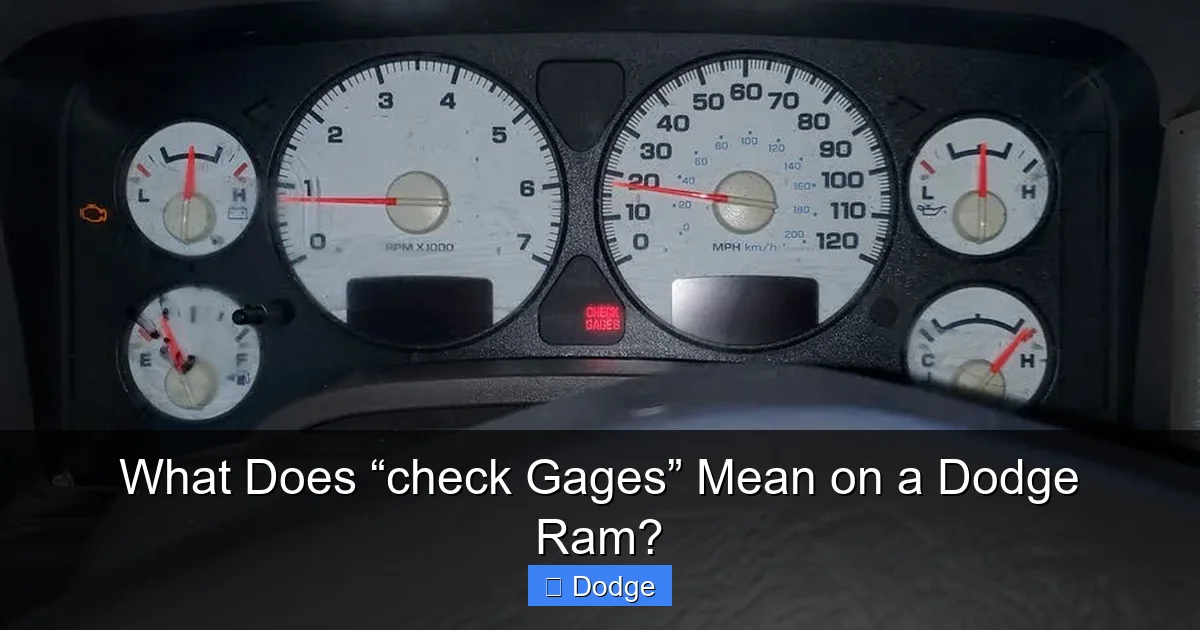
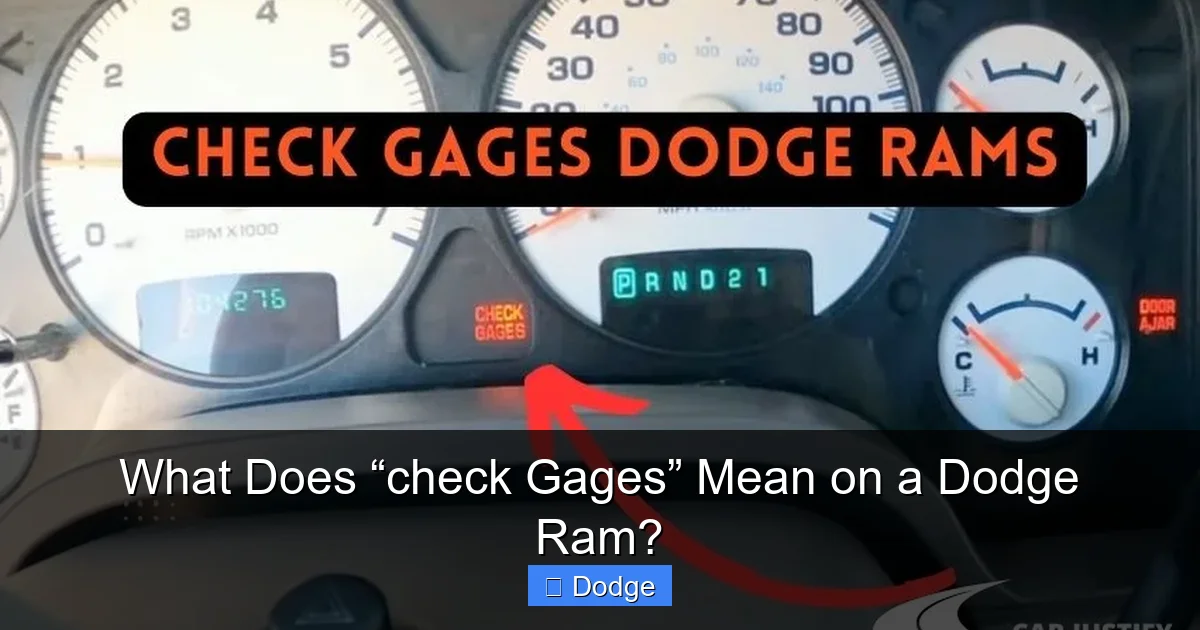
The message typically appears in red or amber text in the center of the instrument cluster, often accompanied by a chime or flashing light. In some models, it may also show alongside other warning symbols, such as the check engine light, oil pressure light, or temperature warning light. This combination helps narrow down the issue—but the “Check Gages” message itself is the umbrella alert that tells you to look closer.
It’s important to note that “Check Gages” is not the same as a specific fault code. It’s a driver notification, not a diagnostic code. That means it won’t tell you exactly what’s wrong—only that something needs your immediate attention. For example, if your oil pressure drops below safe levels, the oil pressure light might come on, and the “Check Gages” message will appear to reinforce the urgency.
This system is designed to protect your engine and other critical components. By alerting you early, it gives you a chance to stop driving and investigate before minor issues turn into major problems. Ignoring it, on the other hand, can lead to serious damage—like a seized engine from low oil pressure or a blown head gasket from overheating.
How the Warning System Works
Your Dodge Ram’s instrument cluster is connected to a network of sensors throughout the engine and electrical system. These sensors constantly feed data to the truck’s computer, which interprets the readings and displays them on your gauges. If a reading falls outside the expected range—say, engine temperature climbs above 230°F or oil pressure drops below 10 psi—the system flags it as a potential issue.
When that happens, the computer triggers the “Check Gages” message to prompt you to look at the gauges. It’s a fail-safe mechanism. Even if you’re not watching the gauges closely, the message ensures you’ll notice something’s wrong.
In newer Rams, this system is even more sophisticated. Some models use a centralized display that shows real-time gauge readings, making it easier to spot anomalies. Others may include voice alerts or haptic feedback (like a vibrating steering wheel) to get your attention.
When Does “Check Gages” Appear?
The message can appear under a variety of conditions, but it usually shows up when:
– The engine is under heavy load (like towing or climbing a steep grade)
– You’re driving in extreme heat or cold
– A sensor malfunctions and sends incorrect data
– A fluid level is low (oil, coolant, etc.)
– The charging system isn’t working properly
It’s not uncommon for the message to appear briefly during startup or when the engine is cold, especially in winter. That’s normal. But if it stays on or appears while driving, it’s time to take action.
Common Causes of the “Check Gages” Warning
Visual guide about What Does “check Gages” Mean on a Dodge Ram?
Image source: bryansgarage.com
Now that you know what the message means, let’s dive into the most common reasons it appears. Understanding these causes can help you diagnose the issue quickly and take the right steps to fix it.
Low Oil Pressure
One of the most serious—and common—causes of the “Check Gages” message is low oil pressure. Oil is the lifeblood of your engine. It lubricates moving parts, reduces friction, and helps dissipate heat. If oil pressure drops too low, metal components can grind against each other, leading to rapid wear or even engine seizure.
Low oil pressure can be caused by:
– Low oil level (the most common cause)
– Old or degraded oil that’s lost its viscosity
– A failing oil pump
– Clogged oil filter
– Worn engine bearings
If you see the “Check Gages” message and the oil pressure gauge is in the red, pull over immediately. Continuing to drive can destroy your engine in minutes. Check your oil level using the dipstick. If it’s low, top it off with the correct type of oil (check your owner’s manual). If the level is fine but the pressure is still low, you may have a mechanical issue that requires a mechanic.
Engine Overheating
Another major trigger for the “Check Gages” warning is engine overheating. Your Ram’s cooling system keeps the engine at an optimal temperature—usually between 195°F and 220°F. If the temperature climbs above 230°F, the system will alert you.
Overheating can be caused by:
– Low coolant level
– A faulty thermostat
– A clogged radiator
– A broken water pump
– A leaking radiator hose
– A malfunctioning cooling fan
If the temperature gauge is in the red or the “Check Engine” light is on, stop driving. Let the engine cool down before opening the radiator cap—hot coolant can spray out and cause serious burns. Check the coolant reservoir and top it off if needed. If the problem persists, have your cooling system inspected.
Charging System Problems
Your truck’s electrical system relies on the alternator to keep the battery charged and power all the electronics. If the alternator fails or the battery is weak, the voltage gauge may drop below 12 volts, triggering the “Check Gages” message.
Symptoms of charging system issues include:
– Dim headlights
– Slow cranking when starting
– Electrical components acting erratically
– Battery warning light on
A failing alternator won’t keep the battery charged, which can leave you stranded. If you suspect a charging issue, have your battery and alternator tested at an auto parts store—many offer this service for free.
Faulty Sensors or Wiring
Sometimes, the “Check Gages” message appears not because of a real problem, but because a sensor is malfunctioning or a wire is loose. Modern trucks rely on dozens of sensors, and if one sends incorrect data, the system may think there’s an issue when there isn’t.
For example, a bad coolant temperature sensor might report that the engine is overheating even when it’s not. Or a loose connection to the oil pressure sensor could cause erratic readings.
These false alarms can be frustrating, but they’re usually easy to fix with a diagnostic scan. An OBD2 scanner can read trouble codes and help pinpoint which sensor is acting up.
Low Coolant Level
Even if your engine isn’t overheating yet, a low coolant level can trigger the “Check Gages” warning. The coolant level sensor monitors the reservoir and alerts the system if it drops too low.
This is often caused by a slow leak in the cooling system—maybe a cracked hose, a loose clamp, or a failing radiator. Topping off the coolant may temporarily resolve the issue, but you should have the system inspected to find and fix the leak.
Transmission Issues (in Some Models)
In certain Dodge Ram models, especially those with automatic transmissions, the “Check Gages” message can also appear if the transmission temperature is too high. This is more common when towing heavy loads or driving in hot weather.
If your transmission temperature gauge is in the red, shift to a lower gear to reduce strain, or pull over and let the transmission cool down. Check the transmission fluid level and condition—low or burnt fluid can cause overheating.
What to Do When You See “Check Gages”
Visual guide about What Does “check Gages” Mean on a Dodge Ram?
Image source: static.cargurus.com
Seeing the “Check Gages” message can be alarming, but staying calm and acting quickly is key. Here’s a step-by-step guide on what to do when it appears.
1. Pull Over Safely
As soon as you see the message, find a safe place to pull over. This could be a parking lot, rest area, or the side of the road—just make sure you’re out of traffic. Turn on your hazard lights to alert other drivers.
Do not ignore the message and keep driving. Even if the truck seems to be running fine, underlying issues can worsen rapidly.
2. Turn Off the Engine
Once you’re stopped, turn off the engine. This prevents further damage if the issue is related to oil pressure, overheating, or electrical problems. Let the engine cool down for at least 10–15 minutes before inspecting anything under the hood.
3. Check the Gauges
Turn the key to the “on” position (without starting the engine) and look at the instrument cluster. Which gauges are in the red or showing abnormal readings?
– Is the oil pressure low?
– Is the temperature high?
– Is the battery voltage low?
This will help you narrow down the cause.
4. Inspect Fluid Levels
Pop the hood and check the following:
– **Oil level:** Use the dipstick. If it’s low, add the correct type of oil.
– **Coolant level:** Check the reservoir. If it’s low, add a 50/50 mix of coolant and water.
– **Transmission fluid (if applicable):** Check the dipstick (when the engine is warm and running, in park).
Never open the radiator cap when the engine is hot—it can cause severe burns.
5. Look for Leaks or Damage
Inspect under the hood for signs of leaks—oil, coolant, or transmission fluid. Look for puddles under the truck, cracked hoses, or loose clamps.
Also check the serpentine belt. If it’s cracked, frayed, or missing, it could be causing charging or cooling system issues.
6. Restart and Monitor
After checking everything, restart the engine and watch the gauges. If the “Check Gages” message disappears and all readings return to normal, you may have resolved a minor issue—like low oil or coolant.
But if the message comes back, or if a gauge stays in the red, do not continue driving. Call for roadside assistance or have the truck towed to a repair shop.
7. Use an OBD2 Scanner
If the issue isn’t obvious, use an OBD2 scanner to read trouble codes. These codes can tell you exactly which system is malfunctioning—whether it’s the engine, transmission, or electrical system.
Many auto parts stores offer free code reading, or you can buy an inexpensive scanner for under $50.
How to Prevent the “Check Gages” Warning
Visual guide about What Does “check Gages” Mean on a Dodge Ram?
Image source: carjustify.com
The best way to deal with the “Check Gages” message is to prevent it from happening in the first place. Regular maintenance is your best defense.
Follow the Maintenance Schedule
Your Dodge Ram’s owner’s manual includes a recommended maintenance schedule. Stick to it. This includes:
– Oil changes every 3,000–5,000 miles (or as recommended)
– Coolant flushes every 30,000–50,000 miles
– Transmission fluid changes (if applicable)
– Air filter replacements
– Belt and hose inspections
Check Fluids Weekly
Get in the habit of checking your oil, coolant, and transmission fluid levels once a week. This simple habit can catch low levels before they cause problems.
Inspect Belts and Hoses
Look for cracks, fraying, or looseness in the serpentine belt and coolant hoses. Replace them if they show signs of wear.
Keep the Radiator Clean
Dirt, bugs, and debris can clog the radiator and reduce cooling efficiency. Use a soft brush or compressed air to clean the fins regularly.
Use Quality Fluids
Always use the manufacturer-recommended oil, coolant, and transmission fluid. Cheap or incorrect fluids can degrade faster and cause system issues.
Address Warning Lights Promptly
If you see any warning light—even if it’s not “Check Gages”—don’t ignore it. Early intervention can prevent bigger problems.
When to See a Mechanic
While some “Check Gages” issues can be resolved with basic checks, others require professional help. See a mechanic if:
– The message keeps coming back
– You notice smoke, strange noises, or burning smells
– The engine is running rough or losing power
– You’re unsure what’s causing the problem
A qualified technician can perform a full diagnostic, test sensors, and inspect internal components like the oil pump or water pump.
Conclusion
The “Check Gages” message on your Dodge Ram is a vital warning that should never be ignored. It’s your truck’s way of telling you that something important needs attention—whether it’s low oil pressure, overheating, or a charging system issue. By understanding what it means and how to respond, you can protect your engine, avoid costly repairs, and keep your Ram running reliably for years to come.
Remember: when you see “Check Gages,” pull over safely, check your gauges, and inspect your fluids. If the problem isn’t obvious, use a scanner or call a mechanic. And most importantly, stay on top of regular maintenance to prevent these alerts from happening in the first place.
Your Dodge Ram is built to handle tough jobs—but it needs your help to stay in peak condition. Treat the “Check Gages” message with respect, and your truck will reward you with performance, power, and peace of mind.
Frequently Asked Questions
What does “Check Gages” mean on a Dodge Ram?
The “Check Gages” message appears when one or more dashboard gauges—like oil pressure, temperature, or voltage—show abnormal readings. It’s a warning to inspect your gauges immediately to prevent engine damage.
Is it safe to drive with the “Check Gages” message on?
No, it’s not safe to keep driving. The message indicates a potential issue with a critical system. Pull over, turn off the engine, and check your gauges and fluid levels before deciding whether to continue.
Can a bad sensor cause the “Check Gages” warning?
Yes, a faulty sensor can send incorrect data to the computer, triggering a false “Check Gages” alert. Use an OBD2 scanner to check for trouble codes and identify the malfunctioning sensor.
Why does my Dodge Ram say “Check Gages” when I start it?
It’s normal for the message to appear briefly during startup, especially in cold weather. If it disappears after a few seconds, there’s likely no issue. If it stays on, investigate further.
How do I reset the “Check Gages” message?
The message will clear automatically once the underlying issue is fixed and the gauges return to normal. There’s no manual reset—just address the cause, such as topping off oil or coolant.
Can low battery voltage trigger “Check Gages”?
Yes, if the battery voltage drops below 12 volts, the charging system may trigger the warning. Check the battery terminals for corrosion and have the alternator tested if the problem persists.