
What Does Auto Lsd Mean on a Toyota Tundra?

Auto LSD (Limited Slip Differential) on a Toyota Tundra is an advanced traction control system that automatically sends power to the wheel with the most grip when one wheel starts to slip. This feature improves off-road capability, towing stability, and everyday driving safety—especially on wet, icy, or uneven terrain.
Key Takeaways
- Auto LSD stands for Automatic Limited Slip Differential, a traction-enhancing system that improves wheel grip without driver input.
- It works by detecting wheel slip and automatically applying brake pressure to the slipping wheel, redirecting torque to the wheel with better traction.
- Auto LSD is especially useful off-road, during towing, or in slippery conditions like rain, snow, or mud.
- It’s different from a mechanical LSD, as it uses the truck’s ABS and brake system rather than a physical clutch or gear mechanism.
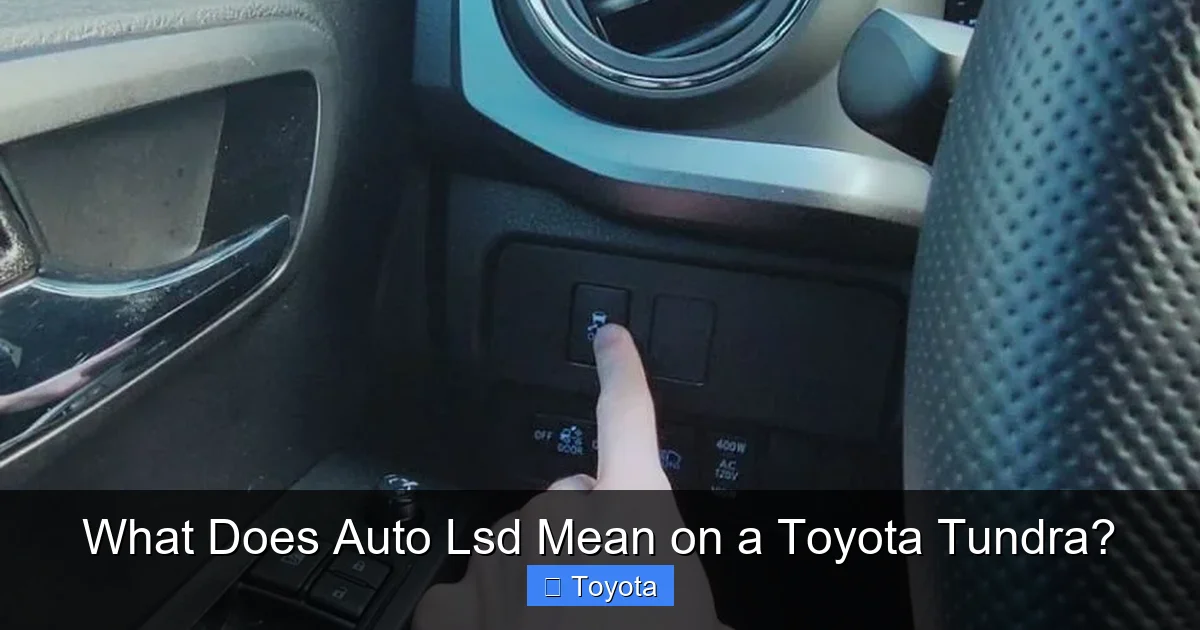
- The system is standard on most Tundra trims and activates automatically—no buttons or switches required.
- It enhances safety and control without compromising fuel efficiency or drivability on dry pavement.
- Understanding Auto LSD helps drivers maximize their Tundra’s performance in real-world conditions.
📑 Table of Contents
What Does Auto LSD Mean on a Toyota Tundra?
If you’ve ever looked at your Toyota Tundra’s dashboard or owner’s manual and seen the term “Auto LSD,” you might have wondered what it means and why it matters. Don’t worry—you’re not alone. Many truck owners, especially those new to Toyota’s lineup, find this acronym confusing at first. But once you understand it, you’ll appreciate how this smart feature helps your Tundra handle tough terrain, slippery roads, and heavy loads with confidence.
Auto LSD stands for Automatic Limited Slip Differential. It’s not a mechanical part you can see or touch like a traditional differential. Instead, it’s an electronic system that uses your truck’s existing anti-lock braking system (ABS) and traction control to mimic the function of a limited slip differential. In simple terms, it helps prevent wheel spin when one tire loses grip, automatically sending power to the wheel that still has traction. This means better control, safer driving, and improved performance—whether you’re hauling a trailer up a mountain pass or navigating a muddy trail.
The best part? You don’t need to flip a switch or press a button. Auto LSD works in the background, activating only when needed. It’s always ready, always watching, and always helping your Tundra stay planted on the road—or off it.
How Does Auto LSD Work?
Visual guide about What Does Auto Lsd Mean on a Toyota Tundra?
Image source: richsautobodyshop.com
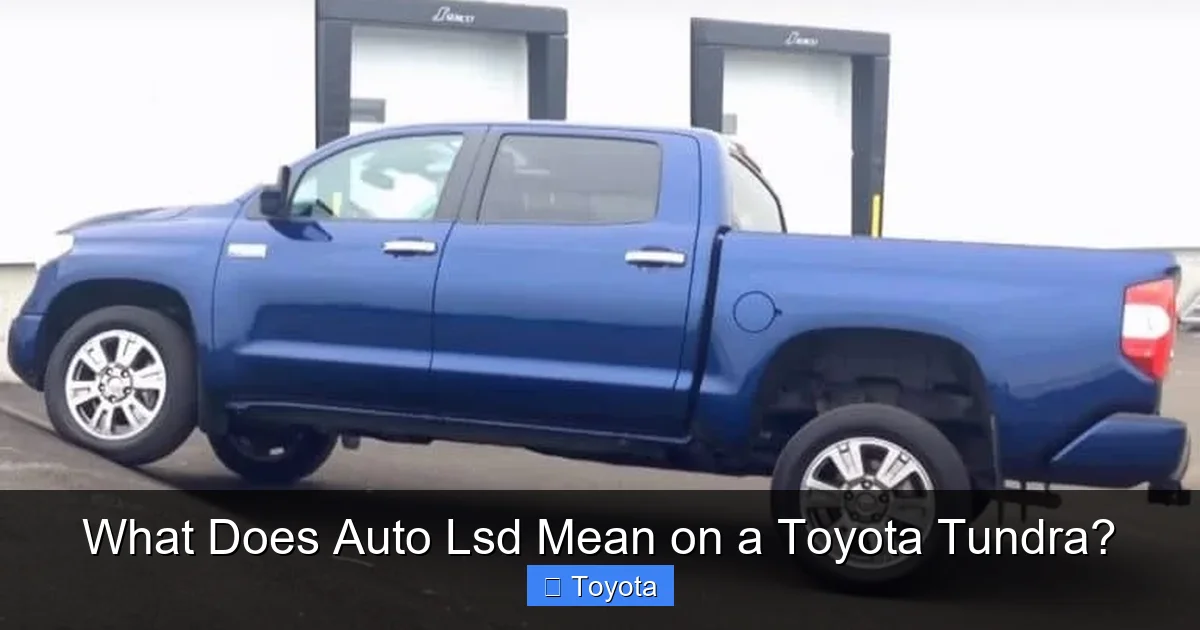
To truly understand Auto LSD, it helps to break down how it operates under the hood—or more accurately, under the chassis. Unlike a traditional limited slip differential, which uses mechanical components like clutches or gears to distribute power between the wheels, Auto LSD is a software-driven system that leverages your Tundra’s existing safety and braking technology.
Using the ABS and Traction Control Systems
At the heart of Auto LSD is your truck’s anti-lock braking system (ABS). The ABS constantly monitors the speed of each wheel using sensors. When one wheel begins to spin faster than the others—indicating loss of traction—the system detects this imbalance. Auto LSD then steps in by applying a small amount of brake pressure to the slipping wheel. This braking action creates resistance, which tricks the differential into sending more torque to the wheel that still has grip.
Think of it like this: imagine you’re driving on a snowy road, and your right rear wheel hits a patch of ice and starts spinning. Without Auto LSD, that wheel would just keep spinning while the left rear wheel—still on solid ground—gets little to no power. Your truck might not move forward at all. But with Auto LSD, the system senses the spin, gently brakes the slipping wheel, and redirects power to the wheel with traction. The result? Your Tundra keeps moving forward smoothly.
No Driver Input Required
One of the biggest advantages of Auto LSD is that it works automatically. There’s no need to engage a locker, flip a switch, or remember to turn it on. The system is always active and only intervenes when necessary. This makes it incredibly user-friendly, especially for drivers who aren’t off-road experts or who don’t want to think about differential settings while driving.
It’s also worth noting that Auto LSD doesn’t interfere with normal driving. On dry pavement, where both wheels have equal traction, the system remains idle. It only activates when wheel slip is detected, so you won’t notice any difference in everyday driving—except for the added confidence that your truck can handle unexpected conditions.
Real-World Example: Towing in the Rain
Let’s say you’re towing a 7,000-pound camper up a steep, wet hill. Halfway up, your rear passenger-side tire hits a slick patch and starts to spin. Without Auto LSD, your truck might struggle to maintain momentum, potentially causing you to stall or lose control. But with Auto LSD, the system detects the spin, applies brake pressure to the slipping wheel, and sends power to the driver-side wheel that still has grip. This helps you maintain forward motion and stay in control—even in challenging conditions.
Auto LSD vs. Mechanical Limited Slip Differential
Visual guide about What Does Auto Lsd Mean on a Toyota Tundra?
Image source: roadsumo.com
Now that you know how Auto LSD works, you might be wondering how it compares to a traditional mechanical limited slip differential (LSD). Both systems aim to improve traction by preventing one wheel from spinning freely, but they do it in very different ways.
Mechanical LSD: The Traditional Approach
A mechanical limited slip differential uses physical components—like clutch packs, gears, or viscous couplings—to transfer torque between the wheels. When one wheel starts to slip, the mechanical LSD automatically redirects power to the wheel with more grip. These systems are often found in performance vehicles or heavy-duty trucks and are known for their durability and consistent performance.
However, mechanical LSDs have some drawbacks. They can be expensive to manufacture and maintain. They may also cause increased tire wear or a “binding” sensation during tight turns on dry pavement, especially in rear-wheel-drive vehicles. Additionally, they don’t offer the same level of precision as electronic systems—once engaged, they operate based on mechanical forces, not real-time sensor data.
Auto LSD: The Smart, Electronic Solution
Auto LSD, on the other hand, is an electronic system that uses software and sensors to manage traction. It doesn’t have moving parts, so there’s less wear and tear. It’s also more responsive because it can react instantly to changing road conditions. Since it uses the ABS and brake system, it can apply precise amounts of brake pressure to individual wheels, offering finer control than a mechanical LSD.
Another advantage is that Auto LSD doesn’t interfere with normal driving. On dry roads, it stays out of the way. Only when slip is detected does it activate. This makes it ideal for everyday drivers who want off-road capability without the quirks of a mechanical system.
Which Is Better?
The answer depends on your needs. If you’re a serious off-roader or performance enthusiast who frequently drives in extreme conditions, a mechanical LSD might offer more consistent, high-torque performance. But for most Tundra owners—especially those who use their truck for towing, light off-roading, or daily driving—Auto LSD provides excellent traction assistance with minimal downsides.
In fact, Toyota designed Auto LSD specifically for trucks like the Tundra, where versatility and reliability are key. It’s a smart compromise that delivers real-world benefits without the complexity or cost of a mechanical system.
When and Where Auto LSD Shines
Visual guide about What Does Auto Lsd Mean on a Toyota Tundra?
Image source: richsautobodyshop.com
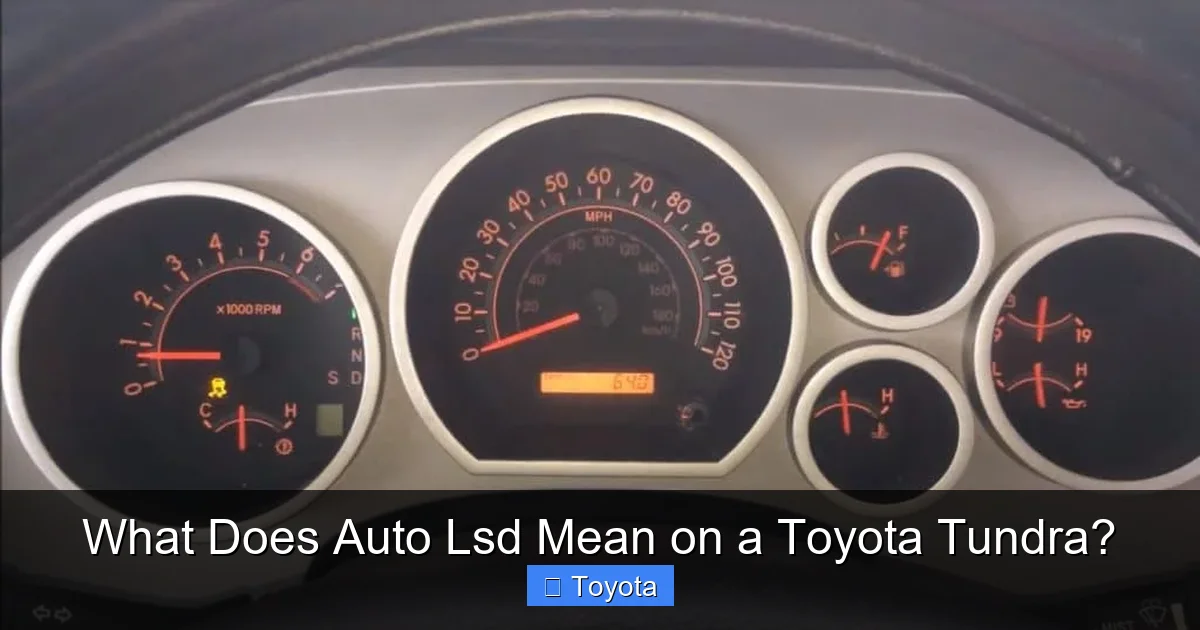
Auto LSD isn’t just a fancy feature—it’s a practical tool that makes a real difference in everyday driving and challenging conditions. Let’s explore the situations where this system truly shines.
Off-Roading and Trail Driving
If you take your Tundra off the beaten path, Auto LSD is one of your best allies. Whether you’re crawling over rocks, driving through mud, or navigating sandy trails, uneven terrain often causes one wheel to lose contact with the ground or slip on loose surfaces. Auto LSD detects this slip and redirects power to the wheels that still have grip, helping you maintain forward momentum.
For example, imagine you’re driving through a muddy ravine. Your left rear wheel sinks into a deep puddle and starts spinning, while your right rear wheel is still on solid ground. Without Auto LSD, your truck might get stuck. But with Auto LSD, the system applies brake pressure to the spinning wheel, sending power to the one with traction. This helps you power through the obstacle and keep moving.
Towing and Hauling
Towing heavy loads puts extra strain on your truck’s drivetrain and increases the risk of wheel slip, especially on inclines or in wet conditions. Auto LSD helps maintain stability and control when towing by ensuring both rear wheels contribute to propulsion.
Say you’re pulling a boat trailer up a steep, gravel-covered ramp. As you accelerate, the loose gravel causes one rear wheel to spin. Auto LSD detects the slip and applies brake pressure, redirecting torque to the wheel with better grip. This prevents wheel spin, reduces strain on the engine, and helps you maintain control during the climb.
Slippery Road Conditions
Rain, snow, ice, and even wet leaves can reduce tire traction and increase the risk of skidding or getting stuck. Auto LSD helps your Tundra handle these conditions more safely by preventing wheel spin during acceleration.
For instance, if you’re driving on an icy road and one rear wheel hits a patch of black ice, it might start to spin when you press the accelerator. Auto LSD senses the slip and applies brake pressure to that wheel, sending power to the other wheel. This helps you maintain forward motion and avoid getting stuck.
Uneven or Loose Surfaces
Gravel, sand, and dirt roads often have uneven surfaces that can cause one wheel to lose traction. Auto LSD is especially helpful in these scenarios because it can react quickly to changing conditions.
Imagine you’re driving on a sandy beach. As your truck moves forward, the sand shifts under the tires, causing one rear wheel to spin. Auto LSD detects the slip and applies brake pressure, helping the other wheel maintain grip and keep you moving in the right direction.
Benefits of Auto LSD on the Toyota Tundra
Now that we’ve covered how Auto LSD works and when it’s useful, let’s look at the key benefits it brings to Tundra owners.
Improved Traction and Stability
The primary benefit of Auto LSD is better traction. By preventing wheel spin and redirecting power to the wheel with grip, it helps your truck maintain forward motion in slippery or uneven conditions. This leads to greater stability, especially when accelerating from a stop or climbing hills.
Enhanced Safety
Wheel spin can lead to loss of control, especially when towing or driving on steep grades. Auto LSD reduces this risk by ensuring both rear wheels contribute to propulsion. This makes your Tundra safer to drive in adverse weather or challenging terrain.
No Driver Intervention Needed
Unlike locking differentials or manual traction systems, Auto LSD works automatically. You don’t need to remember to turn it on or off. It’s always ready, which means you can focus on driving without worrying about differential settings.
Better Off-Road Performance
For Tundra owners who enjoy off-roading, Auto LSD is a valuable tool. It helps the truck navigate obstacles, maintain momentum, and avoid getting stuck—without requiring advanced driving skills or manual adjustments.
Seamless Integration with Other Systems
Auto LSD works in harmony with other Tundra safety features, such as traction control, stability control, and ABS. This integrated approach ensures smooth, coordinated responses to changing driving conditions.
Cost-Effective Solution
Because Auto LSD uses existing brake and sensor systems, it’s less expensive to implement than a mechanical LSD. This allows Toyota to offer advanced traction control across most Tundra trims without significantly increasing the price.
Common Misconceptions About Auto LSD
Despite its benefits, Auto LSD is often misunderstood. Let’s clear up some common misconceptions.
“Auto LSD Is the Same as a Locking Differential”
No, it’s not. A locking differential physically locks both wheels together, forcing them to spin at the same speed. This is great for extreme off-roading but can cause handling issues on pavement. Auto LSD, on the other hand, only applies brake pressure to slipping wheels and doesn’t lock the differential. It’s more flexible and better suited for everyday use.
“Auto LSD Only Works Off-Road”
While Auto LSD is helpful off-road, it’s also useful in everyday driving. It activates whenever wheel slip is detected—whether you’re driving on a wet highway, towing a trailer, or accelerating on gravel. It’s a versatile system that benefits all types of driving.
“I Need to Turn It On Manually”
Auto LSD is always active. There’s no switch or button to press. It only intervenes when needed, so you don’t have to think about it.
“It Wears Out My Brakes”
Auto LSD uses very light brake pressure and only activates briefly when slip is detected. It doesn’t cause significant brake wear. In fact, it’s designed to be gentle on components while providing effective traction control.
Tips for Getting the Most Out of Auto LSD
To maximize the benefits of Auto LSD, keep these tips in mind:
- Keep Your Tires in Good Condition: Auto LSD works best when tires have adequate tread and proper inflation. Worn or underinflated tires reduce overall traction, limiting the system’s effectiveness.
- Use the Right Tires for the Terrain: If you frequently drive off-road or in snow, consider all-terrain or mud-terrain tires. These provide better grip, which helps Auto LSD work more efficiently.
- Don’t Rely on It Exclusively: Auto LSD improves traction but doesn’t replace safe driving practices. Always adjust your speed and driving style to match road conditions.
- Understand Its Limits: Auto LSD is not a substitute for four-wheel drive or a locking differential in extreme off-road conditions. For serious rock crawling or deep mud, consider upgrading to a Tundra with a rear locking differential (available on certain trims).
- Maintain Your Brake System: Since Auto LSD uses the ABS and brakes, ensure your brake components are in good working order. Regular maintenance helps the system function properly.
Conclusion
Auto LSD on the Toyota Tundra is a smart, reliable, and always-ready traction control system that enhances your truck’s performance in a wide range of conditions. By automatically detecting wheel slip and redirecting power to the wheel with grip, it improves safety, stability, and off-road capability—without requiring any input from the driver.
Whether you’re towing a trailer, driving in the rain, or exploring a dirt trail, Auto LSD helps your Tundra stay planted and in control. It’s a testament to Toyota’s commitment to combining advanced technology with practical, real-world benefits.
So the next time you see “Auto LSD” in your owner’s manual or on a spec sheet, you’ll know exactly what it means—and why it’s a valuable feature for any Tundra owner.
Frequently Asked Questions
What does Auto LSD stand for?
Auto LSD stands for Automatic Limited Slip Differential. It’s an electronic traction control system that helps prevent wheel spin by redirecting power to the wheel with better grip.
Is Auto LSD the same as 4WD?
No, Auto LSD is not the same as four-wheel drive. Auto LSD works on the rear wheels only and uses the brake system to control slip, while 4WD sends power to all four wheels for improved traction.
Can I turn off Auto LSD on my Tundra?
Auto LSD is always active and cannot be manually turned off. It only intervenes when wheel slip is detected, so it doesn’t interfere with normal driving.
Does Auto LSD work in snow and ice?
Yes, Auto LSD is very effective in snow and ice. It helps prevent wheel spin during acceleration, making it easier to maintain control on slippery surfaces.
Do all Toyota Tundras have Auto LSD?
Most Toyota Tundra trims come standard with Auto LSD. However, availability may vary by model year and configuration, so check your owner’s manual or vehicle specifications.
Does Auto LSD affect fuel economy?
No, Auto LSD does not negatively affect fuel economy. It only activates briefly when needed and uses minimal brake pressure, so it has no significant impact on efficiency.