
How Long Do Ignition Coils Last on a Toyota

Ignition coils on most Toyota vehicles typically last between 80,000 and 120,000 miles, though driving habits and maintenance play a big role. With proper care, some coils can even reach 150,000 miles. Knowing the warning signs early can save you from costly repairs and keep your Toyota running strong.
If you own a Toyota, you already know these cars are built to last. From the reliable Corolla to the rugged Tacoma, Toyotas are known for their durability and low maintenance needs. But even the most dependable vehicles have parts that wear out over time—and one of those critical components is the ignition coil.
You might not think about your ignition coils often, but they play a vital role in your engine’s performance. They take the low voltage from your battery and boost it to thousands of volts, creating the spark that ignites the air-fuel mixture in your engine’s cylinders. Without healthy ignition coils, your engine simply won’t run smoothly—or at all.
So, how long do ignition coils last on a Toyota? The short answer: most last between 80,000 and 120,000 miles. But that’s just the average. In reality, lifespan depends on several factors, including your driving habits, climate, fuel quality, and how well you maintain your vehicle. Some Toyota owners report their coils lasting well over 150,000 miles, while others face issues as early as 60,000 miles.
In this guide, we’ll break down everything you need to know about Toyota ignition coils—how they work, how long they last, warning signs of failure, and how to extend their life. Whether you’re driving a 2005 Camry or a 2023 RAV4, this information will help you keep your Toyota running like new.
Key Takeaways
- Typical lifespan: Most Toyota ignition coils last 80,000 to 120,000 miles, but can go longer with good maintenance.
- Signs of failure: Look for rough idling, misfires, poor fuel economy, and the check engine light.
- Model matters: Newer Toyotas with coil-on-plug systems may last longer than older distributor-based models.
- Preventive care helps: Regular tune-ups, clean fuel, and quality spark plugs extend coil life.
- Don’t ignore symptoms: A failing coil can damage the catalytic converter if left unchecked.
- DIY vs. professional: Replacing coils is doable for handy owners, but diagnostics are best left to pros.
- Use OEM parts: Genuine Toyota or high-quality aftermarket coils ensure reliability and performance.
📑 Table of Contents
What Are Ignition Coils and Why Do They Matter?
Before we dive into lifespan, let’s make sure we understand what ignition coils actually do. Think of them as the “spark plug’s best friend.” While spark plugs create the actual spark, ignition coils provide the high-voltage power needed to make that spark happen.
In simple terms, your car’s battery supplies 12 volts of electricity. That’s enough to run your lights and radio, but not nearly enough to jump the gap in a spark plug. That’s where the ignition coil comes in. It acts like a mini transformer, stepping up the voltage from 12 volts to as much as 40,000 volts or more. This high-voltage surge is sent to the spark plug at just the right moment, creating a powerful spark that ignites the fuel in the combustion chamber.
Modern Toyotas—especially those made after the early 2000s—typically use a “coil-on-plug” (COP) system. This means each cylinder has its own ignition coil mounted directly on top of the spark plug. This design improves efficiency, reduces energy loss, and makes diagnostics easier. Older models might use a distributor and a single coil, or a coil pack that serves multiple cylinders.
Why does this matter? Because a failing ignition coil can cause a cascade of problems. It doesn’t just affect one cylinder—it can throw off the entire engine’s timing, reduce fuel efficiency, and even damage other parts like the catalytic converter. That’s why understanding how long ignition coils last on a Toyota—and recognizing the signs of wear—is so important.
Average Lifespan of Toyota Ignition Coils
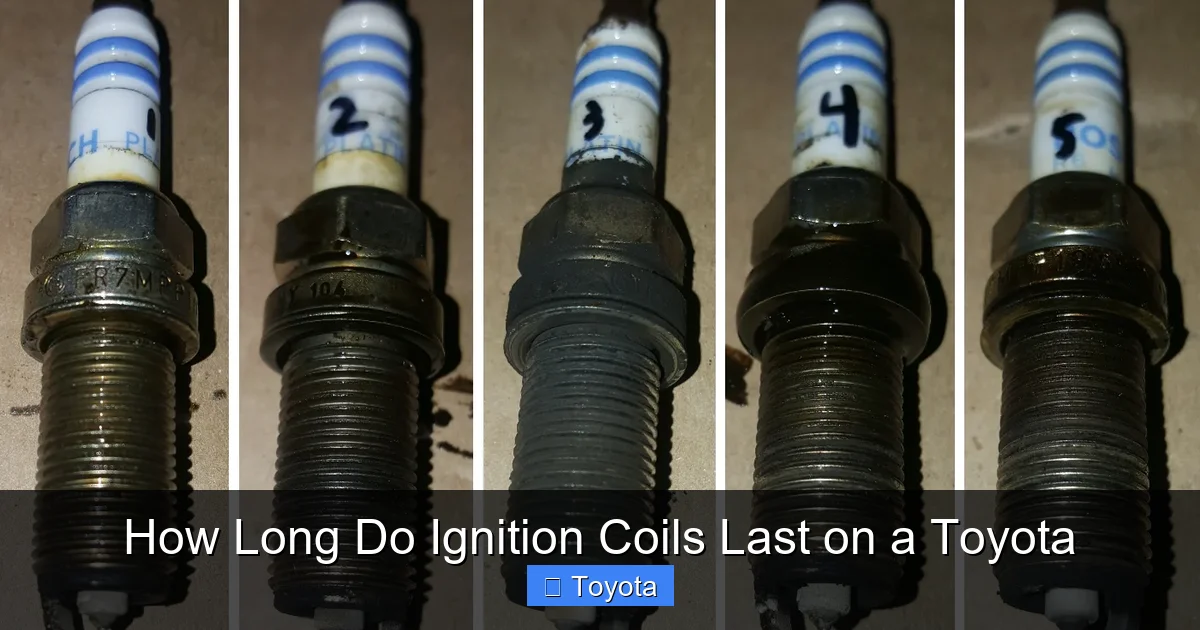
Visual guide about How Long Do Ignition Coils Last on a Toyota
Image source: images2.imgbox.com
So, how long do ignition coils last on a Toyota? As mentioned earlier, the typical range is 80,000 to 120,000 miles. But let’s break that down a bit more.
For many Toyota models—like the Camry, Corolla, and RAV4—ignition coils often last closer to the 100,000-mile mark before showing signs of wear. Some owners report their coils lasting well beyond 120,000 miles, especially if they follow a regular maintenance schedule and drive under normal conditions.
However, there are exceptions. High-performance models like the Toyota Supra or older trucks like the Tundra with larger engines may experience more stress on ignition components, potentially shortening coil life. Similarly, vehicles driven in extreme climates—hot deserts or cold northern winters—may see faster degradation due to temperature fluctuations and moisture exposure.
It’s also worth noting that newer Toyotas (2010 and later) tend to have more durable ignition systems. Advances in materials and engineering have made modern coils more resistant to heat and vibration. For example, many 2020+ Toyota models use solid-state coils with better insulation and heat dissipation, which can extend lifespan.
That said, even the best coils won’t last forever. Heat, vibration, electrical stress, and contamination from oil or coolant can all contribute to premature failure. And while Toyota builds reliable parts, no component is immune to wear and tear.
Factors That Affect Ignition Coil Longevity
Several factors influence how long your Toyota’s ignition coils will last. Let’s look at the most common ones:
Driving Habits: Frequent short trips, stop-and-go traffic, and aggressive acceleration can put extra strain on your ignition system. Short trips don’t allow the engine to reach optimal operating temperature, which can lead to moisture buildup and carbon deposits. Over time, this can affect coil performance.
Climate and Environment: Extreme heat can cause coils to overheat, while cold weather can make materials brittle. If you live in a humid area, moisture can seep into connectors and cause corrosion. Off-road driving or driving on dusty roads can also introduce contaminants.
Fuel Quality: Using low-quality or contaminated fuel can lead to poor combustion, which increases stress on spark plugs and coils. Always use the recommended octane rating for your Toyota and consider using a fuel system cleaner periodically.
Maintenance Schedule: Regular tune-ups are key. Replacing spark plugs on time (usually every 30,000 to 100,000 miles, depending on the type) reduces the load on ignition coils. Worn spark plugs force coils to work harder, which can shorten their lifespan.
Electrical System Health: A weak battery or alternator can cause voltage fluctuations that stress ignition coils. Make sure your charging system is in good shape, especially if you notice dim lights or slow cranking.
Oil or Coolant Leaks: If oil or coolant leaks onto the ignition coils or spark plug wells, it can cause short circuits or corrosion. This is especially common in older Toyotas with worn valve cover gaskets.
By paying attention to these factors, you can help your ignition coils last as long as possible.
Signs Your Toyota’s Ignition Coils Are Failing
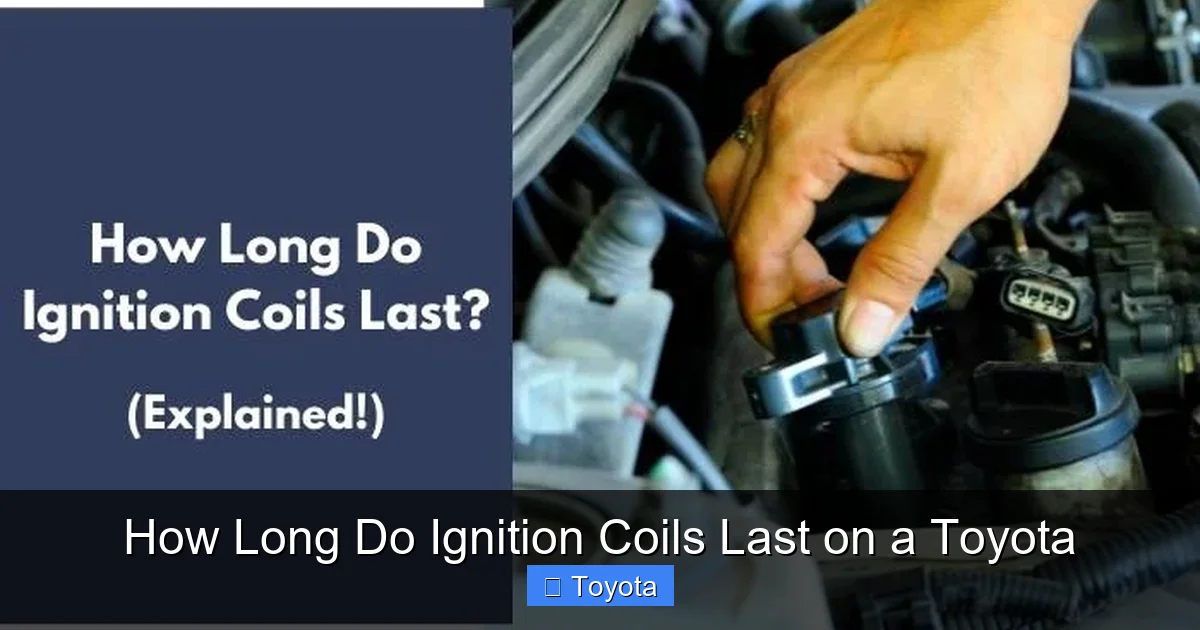
Visual guide about How Long Do Ignition Coils Last on a Toyota
Image source: piketransit.com
Knowing how long ignition coils last on a Toyota is helpful, but recognizing the symptoms of failure is even more important. Ignition coil problems often start subtly but can quickly escalate if ignored.
Here are the most common signs to watch for:
Engine Misfires: This is the most obvious symptom. A misfire occurs when one or more cylinders fail to ignite properly. You might feel a jerking or hesitation during acceleration, especially under load. The engine may also run roughly at idle.
Rough Idling: If your Toyota’s engine shakes or vibrates more than usual when stopped, it could be a sign of a weak or failing coil. The RPMs may fluctuate or drop suddenly.
Poor Fuel Economy: A misfiring engine burns fuel inefficiently. If you notice you’re filling up more often without changing your driving habits, a bad ignition coil could be the culprit.
Check Engine Light: Modern Toyotas are equipped with onboard diagnostics that monitor engine performance. A failing ignition coil often triggers a P0300 (random misfire) or P030X code (where X is the cylinder number). Use an OBD2 scanner to check the exact code.
Difficulty Starting: If your engine cranks but struggles to start—especially when cold—it could be due to weak spark from a failing coil.
Reduced Power and Acceleration: A weak spark means less efficient combustion, which translates to less power. You might notice your Toyota feels sluggish or unresponsive when you press the gas.
Smell of Unburned Fuel: In severe cases, unburned fuel can exit the exhaust, giving off a strong gasoline smell. This is a sign of a major misfire and should be addressed immediately.
If you notice any of these symptoms, it’s important to diagnose the issue quickly. Continuing to drive with a bad ignition coil can damage the catalytic converter, which is much more expensive to replace.
How to Diagnose a Bad Ignition Coil
Diagnosing a faulty ignition coil isn’t always straightforward, especially since symptoms can overlap with other issues like bad spark plugs or fuel injectors. Here’s how to narrow it down:
Use an OBD2 Scanner: Plug a scanner into your Toyota’s diagnostic port (usually under the dashboard). Look for misfire codes (P0300-P0308). These codes will tell you which cylinder is misfiring.
Swap and Test: If you have a coil-on-plug system, you can try swapping the suspected bad coil with one from another cylinder. If the misfire moves to the new cylinder, you’ve found the problem.
Visual Inspection: Check the coil for cracks, burns, or corrosion. Look for oil or coolant in the spark plug well. A damaged coil often shows physical signs of wear.
Resistance Test: Use a multimeter to test the coil’s primary and secondary resistance. Compare the readings to Toyota’s specifications. Out-of-range values indicate a faulty coil.
Professional Diagnosis: If you’re unsure, take your Toyota to a trusted mechanic. They can perform a more thorough test, including checking spark output and electrical signals.
Early diagnosis saves time and money. Don’t wait until the problem gets worse.
How to Extend the Life of Your Toyota’s Ignition Coils
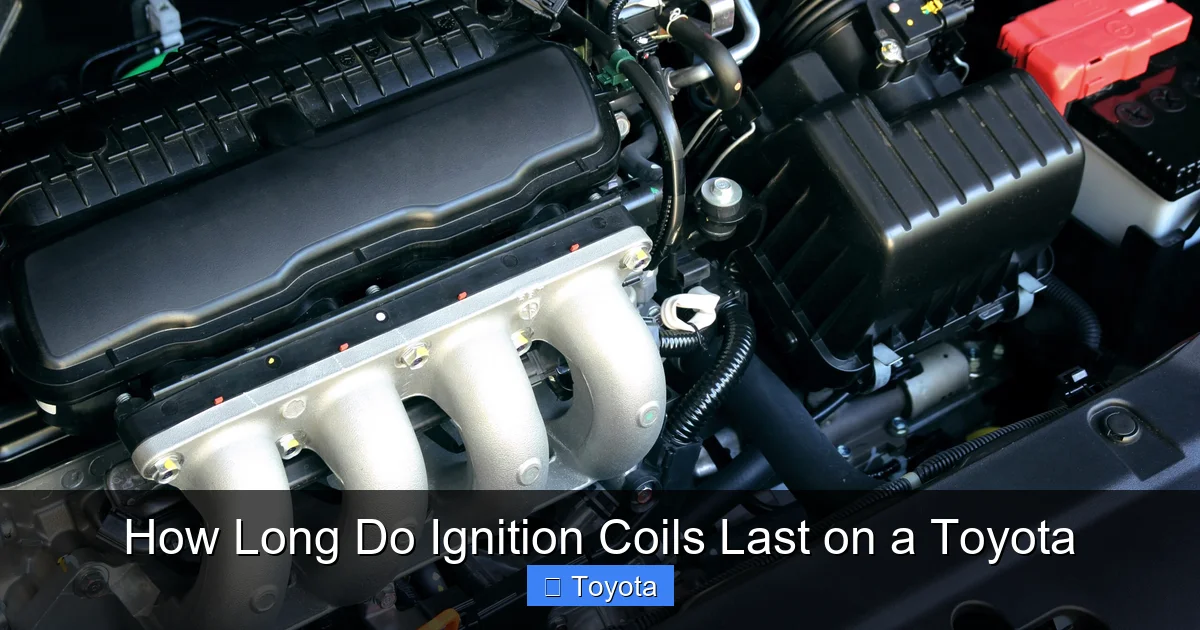
Visual guide about How Long Do Ignition Coils Last on a Toyota
Image source: chikwem.com
While ignition coils will eventually wear out, there are several things you can do to help them last longer. Think of it like maintaining your health—small habits add up over time.
Follow the Maintenance Schedule: Your Toyota’s owner’s manual includes a recommended maintenance plan. Stick to it. Replace spark plugs on time, and don’t skip tune-ups.
Use Quality Parts: When replacing spark plugs or coils, choose OEM (Original Equipment Manufacturer) parts or high-quality aftermarket brands like Denso or Bosch. Cheap parts may save money upfront but can fail sooner.
Keep the Engine Clean: Regularly inspect the engine bay for leaks. Fix oil or coolant leaks promptly to prevent contamination of ignition components.
Use Good Fuel: Fill up at reputable gas stations. Consider using a fuel injector cleaner every 5,000 to 10,000 miles to keep the system clean.
Avoid Short Trips When Possible: If you can, combine errands into one trip to let the engine warm up fully. This reduces moisture buildup and carbon deposits.
Check the Battery and Alternator: A weak electrical system stresses ignition coils. Have your battery and charging system tested annually, especially if your car is more than five years old.
Drive Gently: Avoid aggressive acceleration and excessive idling. Smooth driving reduces engine stress and helps all components last longer.
By taking these steps, you can maximize how long ignition coils last on your Toyota—and enjoy smoother, more efficient performance.
Replacing Ignition Coils on a Toyota: What You Need to Know
If your ignition coil does fail, the good news is that replacement is usually straightforward—especially on modern Toyotas with coil-on-plug systems.
DIY vs. Professional Replacement: If you’re comfortable working on your car, replacing a coil is a manageable job. You’ll need basic tools: a socket set, spark plug socket, and possibly a torque wrench. However, if you’re not confident, it’s worth paying a mechanic. Improper installation can damage the coil or spark plug.
Cost Considerations: A single ignition coil for a Toyota typically costs between $50 and $150, depending on the model and whether you choose OEM or aftermarket. Labor costs at a shop usually range from $100 to $200, depending on location and shop rates.
When to Replace: If only one coil is bad, you can replace just that one. However, if your Toyota has high mileage (over 100,000 miles), consider replacing all the coils preventively. This avoids future breakdowns and ensures even performance.
Steps to Replace a Coil:
- Disconnect the negative battery terminal.
- Locate the faulty coil (usually on top of the engine).
- Unplug the electrical connector.
- Remove the bolt holding the coil in place.
- Gently pull the coil out.
- Install the new coil and reconnect everything.
- Reconnect the battery and start the engine to test.
Always refer to your vehicle’s service manual for specific instructions.
Conclusion
So, how long do ignition coils last on a Toyota? On average, 80,000 to 120,000 miles—but with good care, they can go much further. These small but mighty components are essential for smooth engine operation, and ignoring their health can lead to bigger problems down the road.
By understanding the signs of failure, following a regular maintenance schedule, and using quality parts, you can keep your Toyota running reliably for years to come. Whether you’re driving a compact Corolla or a powerful Tundra, taking care of your ignition system is a smart investment.
Remember: a little prevention goes a long way. Listen to your engine, pay attention to warning lights, and don’t delay repairs. Your Toyota—and your wallet—will thank you.
Frequently Asked Questions
How long do ignition coils last on a Toyota?
Most Toyota ignition coils last between 80,000 and 120,000 miles. With proper maintenance, some can reach 150,000 miles or more.
Can I drive with a bad ignition coil?
You can drive short distances, but it’s not recommended. A bad coil can cause misfires, reduce fuel economy, and damage the catalytic converter.
How much does it cost to replace an ignition coil on a Toyota?
A single coil costs $50–$150. Labor adds $100–$200 at a shop. DIY replacement can save on labor costs.
Will a bad ignition coil trigger a check engine light?
Yes, it often triggers a P0300 (random misfire) or P030X code. Use an OBD2 scanner to confirm the issue.
Can bad spark plugs affect ignition coils?
Absolutely. Worn spark plugs force coils to work harder, which can shorten their lifespan. Replace spark plugs on schedule.
Should I replace all ignition coils at once?
If one fails and your Toyota has high mileage, replacing all coils preventively can avoid future issues and ensure even performance.
