
What Are the Different Hyundai Tucson Models?

Contents
- 1 Key Takeaways
- 2 📑 Table of Contents
- 3 Understanding the Basics: Generations, Trims, and Powertrains
- 4 The Current 4th Generation Tucson (2022-Present): The Full Lineup
- 5 The Previous 3rd Generation Tucson (2016-2021): A Simpler Time
- 6 How to Choose: Matching a Tucson Model to Your Needs
- 7 Tucson vs. The Competition: Where It Fits
- 8 Final Thoughts: There’s a Tucson Model for Almost Everyone
- 9 Frequently Asked Questions

Car Seat Organizer
Power Steering Fluid

Windshield Cleaning Tool

Tire Shine Spray
The Hyundai Tucson is a massively popular compact SUV offered in numerous configurations across multiple generations. This guide breaks down every current and recent model year, detailing the distinct trim levels (from value-packed SE to sporty N Line and premium Limited), powertrain options (gas, hybrid, plug-in hybrid), and key feature sets. Understanding these model differences is crucial for buyers to match the Tucson’s capabilities, technology, and price point to their specific needs and budget.
So, you’re looking at a Hyundai Tucson. Great choice! It’s consistently one of the best-selling compact crossovers in America for good reason—it’s practical, packed with value, and surprisingly stylish. But here’s the thing: when you start browsing listings or visiting dealerships, you quickly realize “a Tucson” isn’t just one car. There are dozens of different Hyundai Tucson models, spanning multiple generations, with a dizzying array of trim levels, engine choices, and drivetrains. Figuring out which one is right for you can feel overwhelming.
That’s exactly what this guide is for. We’re going to strip it all back and break down the different Hyundai Tucson models in simple, clear terms. We’ll walk through each generation, explain what every trim letter (SE, SEL, N Line, Limited, etc.) really means, compare gas vs. hybrid powertrains, and highlight the key changes from year to year. By the end, you’ll be a Tucson expert, ready to confidently identify and choose the perfect model for your lifestyle and budget. Let’s dive in.
Key Takeaways
- The current 4th generation (2022+) Tucson offers the widest variety, with 7 gas trims, 3 hybrid trims, and a Plug-in Hybrid. This generation introduced a completely new, bold design and standard Hyundai SmartSense safety tech.
- Trim levels progress from value-oriented (SE) to family-friendly (SEL), sporty (N Line), and luxurious (Limited, Ultimate). Each step adds significant features like premium audio, leather, and advanced driver aids.
- Powertrain choices go beyond standard gas: Hybrid (H) and Plug-in Hybrid (PHEV) models provide exceptional fuel economy and instant torque. The Hybrid is a separate model line with its own trim hierarchy.
- Model year matters greatly for features, pricing, and availability. The 2022 redesign is the biggest leap, while 2023-2025 see incremental tech updates and slight trim adjustments.
- The Tucson directly competes with models like the Toyota Camry (for reliability/resale) and Kia Sportage (its corporate cousin with a different design focus). Comparing them is a key research step.
- Your ideal Tucson model depends on priorities: maximum value (SE/SEL gas), performance & style (N Line), or ultimate efficiency & tech (Hybrid/Ultimate). Test driving different trims is highly recommended.
📑 Table of Contents
- Understanding the Basics: Generations, Trims, and Powertrains
- The Current 4th Generation Tucson (2022-Present): The Full Lineup
- The Previous 3rd Generation Tucson (2016-2021): A Simpler Time
- How to Choose: Matching a Tucson Model to Your Needs
- Tucson vs. The Competition: Where It Fits
- Final Thoughts: There’s a Tucson Model for Almost Everyone
Understanding the Basics: Generations, Trims, and Powertrains
Before we list every single model, we need to establish a framework. The “different models” of the Tucson are defined by three main things:
- Generation: This is the complete redesign cycle. A 4th generation Tucson (2022+) looks and feels totally different from a 3rd generation (2016-2021).
- Trim Level: This is the equipment package within a generation. Think of it as the “spec” level—from basic to luxurious. Common trims include SE, SEL, N Line, and Limited.
- Powertrain: This is what makes the car go. The Tucson is offered with a standard gasoline engine, a self-charging hybrid (no plug required), and a plug-in hybrid (PHEV) that can run on electric-only power for short trips.
A “model” is a specific combination of these three. For example, a “2024 Hyundai Tucson SEL Hybrid” is a 4th generation car (2022+), with the mid-tier SEL trim, and the hybrid powertrain. A “2020 Hyundai Tucson Sport” is from the previous generation, has a sport-themed trim, and a gas engine. It’s a different model. Now, let’s explore each in detail.
Why So Many Models? A Strategy of Mass Appeal
Hyundai, like most mainstream brands, uses a wide model range to capture every possible buyer. The goal is to have a Tucson that starts at a price attractive to budget-conscious shoppers, and one that’s so loaded with tech and luxury it can compete with premium brands. This “model matrix” strategy means whether you want a bare-bones commuter or a tech-laden family hauler, there’s likely a Tucson configured for you. It also allows Hyundai to compete directly with rivals like the Mazda CX-5 (known for driving dynamics) and the Subaru Forester (known for standard AWD) on multiple fronts.
The Current 4th Generation Tucson (2022-Present): The Full Lineup
The 2022 model year brought a seismic shift. The 4th generation Tucson is radically styled with sharp edges, hidden door handles, and a massive grille. It’s also significantly larger inside, especially in the rear seat and cargo area. This generation is also where the model complexity truly peaked, with the introduction of a dedicated Hybrid model line and the Plug-in Hybrid. Here is the complete breakdown of 2022-2025 models.
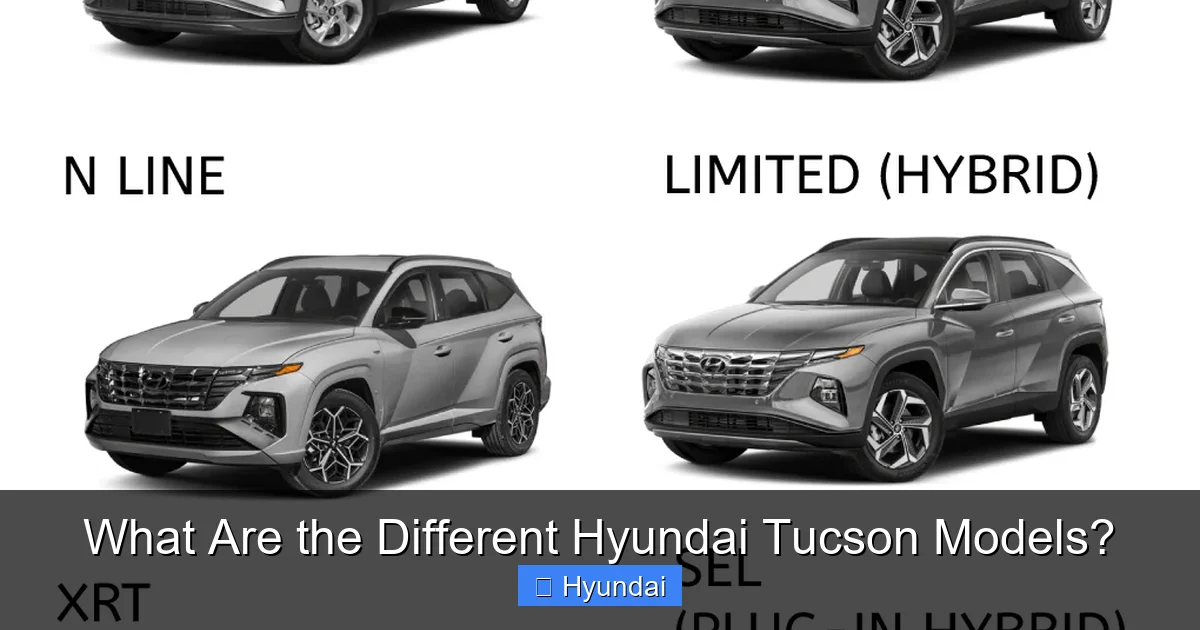
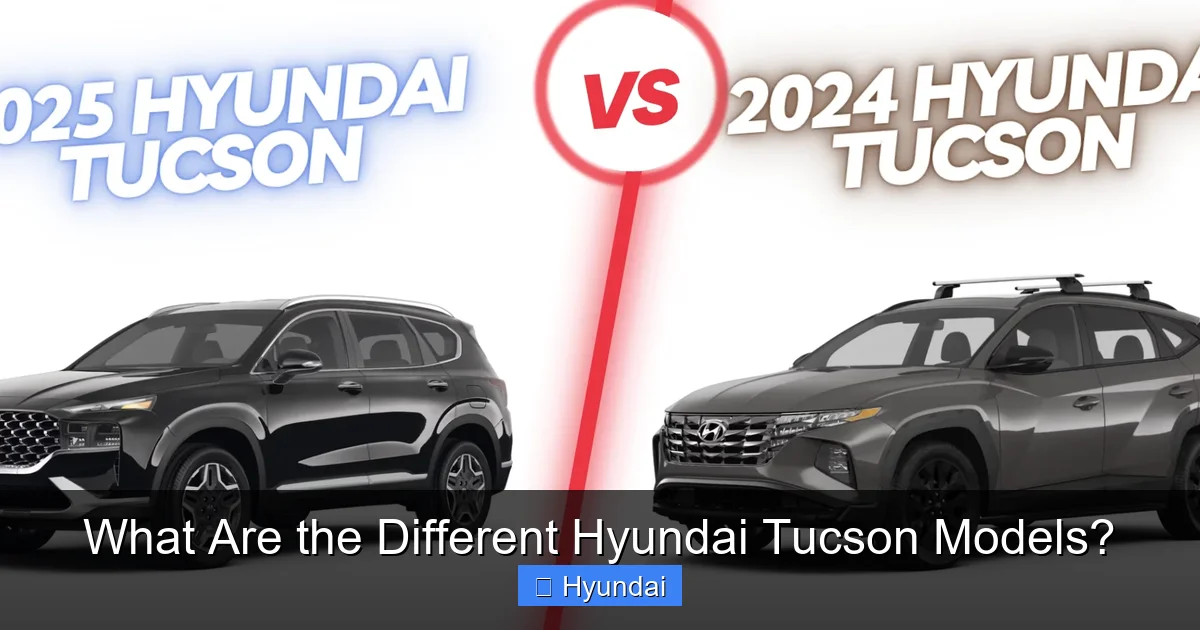
Visual guide about What Are the Different Hyundai Tucson Models?
Image source: newhyundaimodels.com
Gasoline-Powered Tucson Models (4th Gen)
These models use a 2.5-liter 4-cylinder engine (187 hp, 178 lb-ft torque) paired with an 8-speed automatic transmission. Front-wheel drive (FWD) is standard; all-wheel drive (AWD) is a popular available option on most trims.
- Tucson SE (FWD starts ~$28,000 MSRP): The entry point. It’s surprisingly well-equipped for a base model, including Hyundai SmartSense safety suite (adaptive cruise, lane-keep assist, etc.), an 8-inch touchscreen with wireless Apple CarPlay/Android Auto, and alloy wheels. It’s the value champion.
- Tucson SEL (FWD starts ~$30,000 MSRP): The sweet spot for most buyers. Adds key comforts like dual-zone automatic climate control, a sunroof, smart key with push-button start, and a power driver’s seat. The SEL is often the most recommended trim for its balance of features and price.
- Tucson N Line (FWD/AWD starts ~$33,000 MSRP): The sport-themed model. It gets the unique, aggressive N Line front bumper, rear spoiler, black exterior accents, and sport seats inside. It uses the same 2.5L engine but has a more engaging suspension tuning and paddle shifters on the steering wheel. It’s about aesthetics and slight handling feel, not a major power boost.
- Tucson SEL Plus (2022-2023 model only): A short-lived trim that bridged SEL and Limited. It added features like leather seats, heated rear seats, and a premium audio system. It was replaced by the SEL Convenience package in later years.
- Tucson Limited (AWD starts ~$35,000 MSRP): The first true luxury trim. Adds genuine leather seating, a 10.25-inch touchscreen, navigation, a premium Bose audio system, and Hyundai’s Digital Key (phone as key). Heated and ventilated front seats are standard.
- Tucson Ultimate (AWD starts ~$37,000 MSRP): The top of the gas line. Includes everything on the Limited plus a panoramic sunroof, a head-up display, and Hyundai’s Remote Smart Parking Assist (can park itself via key fob).
- Tucson Ultimate Calligraphy (2024+): For 2024, Hyundai renamed the top trim “Calligraphy” to align with its other models. It’s identical in features to the previous “Ultimate” but with different badging and sometimes unique interior trim/wheel designs.
Hybrid Tucson Models (4th Gen)
The Hybrid Tucson is a distinct model line with its own trims and a completely different powertrain: a 1.6L turbocharged gas engine paired with an electric motor for a combined 226 hp. It uses a 6-speed automatic transmission and standard AWD (the electric motor powers the rear wheels). Fuel economy soars to ~38 MPG combined. Important: Hybrid trims do not perfectly align with gas trims. The lineup is:
- Tucson Hybrid Blue (FWD starts ~$32,000 MSRP): The value-focused Hybrid. Equivalent to the gas SE in positioning, with a focus on efficiency. Includes most of the same core tech as the gas SE.
- Tucson Hybrid SEL (AWD starts ~$34,000 MSRP): The most popular Hybrid trim. Adds the sunroof, smart key, and dual-zone climate from the gas SEL. The best blend of hybrid efficiency and comfort features.
- Tucson Hybrid Limited (AWD starts ~$38,000 MSRP): The luxury Hybrid. Includes leather, the big 10.25-inch screen, Bose audio, and all the premium features. The pinnacle of efficient luxury in the Tucson range.
- Tucson Hybrid Ultimate/Calligraphy (2024+): The flagship Hybrid, with all the top-tier tech like the panoramic sunroof and head-up display.
Plug-in Hybrid Tucson Models (4th Gen)
The Tucson Plug-in Hybrid (PHEV) uses the same 1.6T hybrid system but with a larger battery. It offers an estimated 33 miles of electric-only range before the gas engine starts. It’s a separate model with its own, simpler trim structure:
- Tucson Plug-in Hybrid: Only one trim level is offered. It’s generously equipped, essentially matching the gas Limited in features (leather, big screen, sunroof) plus the plug-in hybrid system. It starts around $38,000 MSRP before potential federal/state tax credits.
Model Year Nuances (2022 vs. 2023 vs. 2024 vs. 2025)
Even within the 4th generation, year-to-year changes matter:
- 2022: The groundbreaking first model year. No SEL Plus or Calligraphy trims yet. Standard Hyundai Digital Key was limited to higher trims.
- 2023: Introduced the SEL Plus trim (later discontinued). Made Hyundai Digital Key standard on all key fobs. Minor pricing adjustments.
- 2024: Major refresh. Replaced “Ultimate” with “Calligraphy” across all lines. Added new exterior colors and wheel designs. Standardized some safety features. Introduced a mild-hybrid 48-volt system on the gas engine for slight efficiency gains.
- 2025: Mostly carryover. Expected to see minor feature additions (perhaps more standard tech on lower trims) and price increases. The core model lineup remains the same.
The Previous 3rd Generation Tucson (2016-2021): A Simpler Time
If you’re shopping used, you’ll encounter the 3rd generation Tucson. It’s smaller than the current model but remains a fantastic, reliable, and more affordable used option. The model structure was simpler.
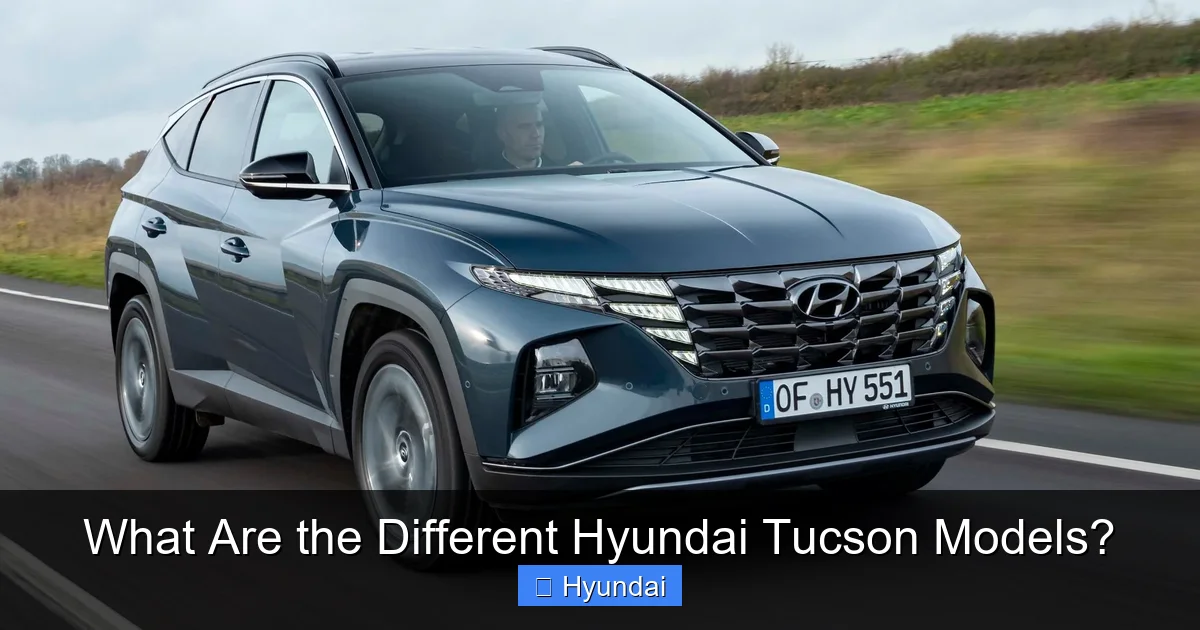
Visual guide about What Are the Different Hyundai Tucson Models?
Image source: hyundainewspecs.com
Gas-Only Lineup (No Factory Hybrid)
All 3rd gen models used a 2.4L 4-cylinder (164 hp) or an optional 2.0L turbo (175 hp). The trims were:
- Value / SE: Basic, but well-equipped for its time.
- Limited: The top trim with leather, sunroof, and premium audio.
- Sport: A mid-tier trim with black exterior accents and unique wheels, similar in spirit to today’s N Line but less extreme.
- Ultimate: For 2019-2021, this sat above Limited, adding a panoramic sunroof and more driver assists.
Key Note: There was no factory Hyundai Tucson Hybrid in the U.S. for this generation. Aftermarket conversions existed but are rare. For a used hybrid SUV in this size class from that era, you’d look at the Subaru Forester or Ford Escape Hybrid.
How to Choose: Matching a Tucson Model to Your Needs
Now that you see the landscape, how do you pick? Here’s a practical guide based on common buyer priorities.
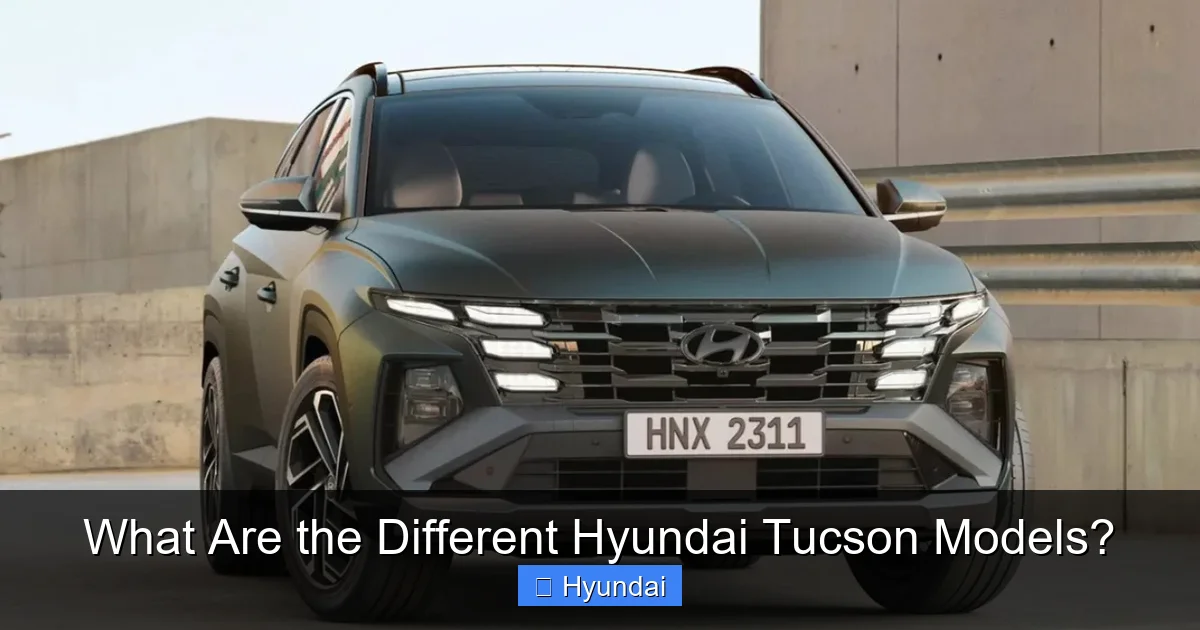
Visual guide about What Are the Different Hyundai Tucson Models?
Image source: southshorehyundai.com
The Budget-Conscious Commuter
Your best bet is a 4th gen Tucson SE (gas) or a used 3rd gen SE/Sport. You get a new car with all essential safety tech and connectivity for the lowest entry price. Skip the sunroof and leather to stay in budget. If you drive in stop-and-go traffic, the Hybrid Blue is worth the stretch for the fuel savings over time.
The Family Hauler
This is the Tucson SEL (gas) or Hybrid SEL. The sunroof, dual-zone climate, and power driver’s seat make long trips with kids infinitely more pleasant. The rear seat is huge in the 4th gen. The Hybrid SEL gives you the same family-friendly features with 38 MPG. Check out our guide on the best car seats for the Hyundai Tucson to maximize that rear space.
The Tech & Luxury Enthusiast
You need the Limited, Ultimate, or Calligraphy (gas or hybrid). The 10.25-inch screen, Bose audio, ventilated seats, and head-up display are must-haves. The Plug-in Hybrid offers all this plus electric-only commuting. If you love gadgets, the digital key and remote smart parking are standout features.
The Sporty Driver (on a Budget)
The Tucson N Line is your model. It delivers the aggressive looks and sportier cockpit for a modest price premium over the SEL. Remember, the engine is the same 187-hp unit, so the “sport” is in the styling and suspension feel, not straight-line speed. For more power, you’d need to look at a different brand entirely, like a Dodge Charger.
Tucson vs. The Competition: Where It Fits
No car exists in a vacuum. Understanding how Tucson models stack up helps finalize your decision.
Against the Kia Sportage
This is the most direct comparison. The Tucson and Sportage share platforms and many parts but have distinct personalities. The Tucson is more avant-garde in styling and has a slightly more premium interior feel in higher trims. The Sportage’s design is more traditional, and its top SX Prestige trim often undercuts the Tucson Calligraphy’s price. Read our full Kia Sportage vs. Hyundai Tucson comparison for the deep dive.
Against the Toyota RAV4 & Honda CR-V
The RAV4 is the sales king, known for bulletproof reliability and strong resale. Its Hybrid model is also excellent. The Tucson often beats it on interior tech and standard features for the price. The CR-V is praised for its spacious, practical interior and smooth ride. The Tucson counters with bolder styling and more engaging drive dynamics, especially in N Line trim. A Toyota Camry offers a similar reliability story in a sedan form.
Against the Subaru Forester
The Forester’s claim to fame is standard all-wheel drive and excellent outward visibility. Its powertrain is less refined than the Tucson’s. The Tucson offers AWD as an option (except on Hybrid/PHEV where it’s standard), allowing you to save money if you don’t need it. The Forester is the quintessential no-nonsense, utility-focused choice.
Final Thoughts: There’s a Tucson Model for Almost Everyone
The Hyundai Tucson’s greatest strength is its breadth. From the sensible, affordable SE to the tech-drenched Plug-in Hybrid Calligraphy, it covers the spectrum. The key is to demystify the badge and understand what each combination of generation, trim, and powertrain delivers.
For new car shoppers, the 4th generation (2022+) is the clear winner for its space, efficiency, and technology. Focus your search on the SEL (gas or hybrid) as the best all-around value, and only step up to Limited/Calligraphy or down to SE if your budget strictly dictates. For used car shoppers, the 3rd generation (2016-2021) represents a huge amount of reliable, practical SUV for your money—just be sure to get a pre-purchase inspection.
Ultimately, the “best” Hyundai Tucson model is the one whose specific set of features, powertrain, and price aligns perfectly with your personal checklist. Use this guide as your map, go test drive a couple of different trims (you’ll immediately feel the difference between an SEL and a Limited), and you’ll find your perfect match.
Frequently Asked Questions
What is the most popular Hyundai Tucson model?
The Hyundai Tucson SEL is consistently the most popular model. It hits the sweet spot of offering highly desirable features like a sunroof, smart key, and dual-zone climate control at a price that remains accessible for most buyers. It’s the recommended trim for families and anyone wanting a well-rounded SUV without the luxury price tag.
Should I buy a gas or Hybrid Tucson?
Choose the Hybrid if you want significantly better fuel economy (around 38 MPG vs. 25-28 MPG) and the smooth, instant torque of an electric motor. The price premium is often recouped in fuel savings over 3-4 years. Choose the gas model if your driving is mostly highway (where the hybrid’s advantage narrows) or if you need the lowest possible upfront cost and don’t mind higher fuel bills.
What does the N Line mean on a Tucson?
The N Line is a sport-styled trim. It adds unique aggressive front/rear bumpers, black exterior accents, sport seats with red stitching, and paddle shifters. It rides on a slightly sportier suspension tune. It does not come with a more powerful engine—it uses the same 2.5L gas engine as other trims. It’s for those who want the look and slight feel of a sportier Tucson.
Is the Hyundai Tucson Hybrid a good car?
Yes, absolutely. The Tucson Hybrid is widely praised for its seamless and efficient powertrain, excellent real-world fuel economy, and the fact that it doesn’t sacrifice cargo space or performance. It’s a standout in the competitive compact hybrid SUV segment and is often a top recommendation from reviewers.
What year Tucson should I avoid?
There are no major widespread reliability red flags for any specific Tucson model year that apply to all vehicles. However, for the 4th generation (2022+), some early 2022 models had minor software glitches with the infotainment system that were typically resolved with updates. For used 3rd generation models (2016-2021), the 2016-2018 model years are the oldest and may have higher mileage or be out of the basic warranty period, so a thorough pre-purchase inspection is crucial.
What is the difference between a Tucson Limited and Ultimate/Calligraphy?
The Limited is the first true luxury trim, with leather, a 10.25-inch screen, and Bose audio. The Ultimate (2022-2023) or Calligraphy (2024+) adds the premium features: a panoramic sunroof, a color head-up display, and Hyundai’s Remote Smart Parking Assist. The Calligraphy also often has unique interior trim materials and wheel designs. It’s the absolute top trim with every available feature.


