
What Are the Worst Years for the Subaru Forester?

Not every Subaru Forester model year is created equal. While the Forester is known for its rugged reliability, certain years have recurring mechanical and electrical issues that can lead to expensive repairs. This guide breaks down the worst years for the Subaru Forester, helping you make a smarter, more informed buying decision.
Key Takeaways
- 2014–2015 Subaru Foresters are plagued by excessive oil consumption, often requiring frequent top-offs and engine repairs.
- 2019–2020 models have reported issues with the CVT (continuously variable transmission), including jerking, hesitation, and premature failure.
- 2011–2013 Foresters suffer from head gasket failures, a notorious Subaru problem that can cost over $2,000 to fix.
- 2016–2018 models may experience infotainment system glitches, including frozen screens and unresponsive touch controls.
- Early 2000s models (2001–2008) are prone to rust, suspension wear, and aging components, making them risky for long-term use.
- Always check maintenance records and get a pre-purchase inspection before buying any used Forester, especially from high-risk years.
- Newer models (2021–2024) show improved reliability, but early adopters should still monitor for emerging issues.
📑 Table of Contents
- What Are the Worst Years for the Subaru Forester?
- Why Model Year Matters When Buying a Used Forester
- Top Problematic Years: A Breakdown of the Worst Subaru Forester Models
- How to Avoid Buying a Lemon: Tips for Forester Shoppers
- Are Newer Foresters Safer Bets?
- Final Thoughts: Making a Smart Forester Purchase
What Are the Worst Years for the Subaru Forester?
If you’re in the market for a used Subaru Forester, you’re likely drawn to its reputation for all-wheel-drive capability, practicality, and off-road readiness. But while the Forester has earned a loyal following over the decades, not every model year is a winner. Some years stand out—not for their performance or features—but for their recurring mechanical flaws, costly repairs, and reliability headaches.
Knowing which years to avoid can save you thousands in repairs, hours of frustration, and sleepless nights wondering if your car will start in the morning. In this comprehensive guide, we’ll walk you through the worst years for the Subaru Forester, highlight the most common problems, and offer practical advice to help you steer clear of trouble. Whether you’re shopping for a budget-friendly commuter or a family hauler, this information could be the difference between a great deal and a money pit.
Why Model Year Matters When Buying a Used Forester
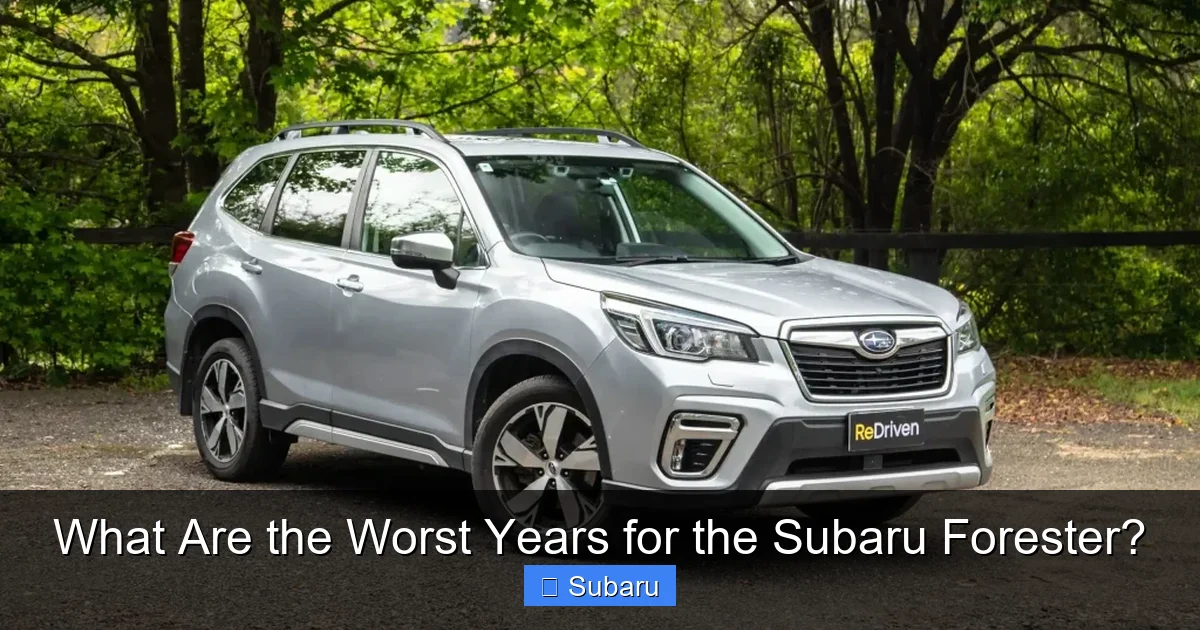
Visual guide about What Are the Worst Years for the Subaru Forester?
Image source: gearfixup.com
When it comes to used cars, the model year is more than just a number—it’s a snapshot of engineering decisions, manufacturing quality, and real-world performance. Subaru, like any automaker, goes through phases of innovation, cost-cutting, and refinement. Some years benefit from updated technology and improved build quality, while others are marred by design oversights or rushed production.
The Subaru Forester has evolved significantly since its debut in 1997, transitioning from a compact wagon to a modern crossover SUV. With each generation, Subaru introduced new engines, transmissions, and electronics. But with progress comes risk. New technology, especially in infotainment and transmission systems, can introduce unforeseen issues. That’s why certain model years—despite their popularity—have earned a reputation for being problematic.
For example, the 2014–2015 Forester models introduced a new 2.5-liter engine that, while efficient, had a tendency to burn oil at an alarming rate. Similarly, the 2019 redesign brought a sleeker look and updated safety features, but early adopters reported transmission hiccups that left them stranded. These aren’t isolated incidents—they’re patterns reported by owners, mechanics, and consumer advocacy groups.
So, how do you protect yourself? Start by researching the specific model year you’re considering. Look beyond the glossy photos and test drive impressions. Dive into owner forums, check NHTSA recall data, and consult reliability ratings from sources like Consumer Reports and J.D. Power. A little homework now can prevent a major headache down the road.
Top Problematic Years: A Breakdown of the Worst Subaru Forester Models

Visual guide about What Are the Worst Years for the Subaru Forester?
Image source: fourwheeltrends.com
Not all Subaru Foresters are created equal. While many model years offer solid performance and dependability, a handful stand out for their recurring issues. Below, we break down the worst years for the Subaru Forester, highlighting the most common problems and why they matter.
2014–2015: The Oil Consumption Nightmare
The 2014 and 2015 Subaru Forester models are perhaps the most infamous in the lineup—and for good reason. These years introduced a revised 2.5-liter FB25 engine designed for better fuel economy and lower emissions. Unfortunately, the redesign came with a major flaw: excessive oil consumption.
Owners reported burning through a quart of oil every 1,000 to 1,500 miles—far beyond the acceptable range. Subaru initially downplayed the issue, but eventually acknowledged it and extended the powertrain warranty to 8 years or 100,000 miles for affected vehicles. Still, many owners were left frustrated, especially those who bought used models after the warranty expired.
Why does this matter? Running low on oil can cause catastrophic engine damage, including scored cylinder walls, worn piston rings, and even seized engines. Regular oil top-offs might seem like a simple fix, but they’re a band-aid solution. If the root cause isn’t addressed—often requiring a full engine rebuild or replacement—the problem will persist.
If you’re considering a 2014 or 2015 Forester, check the maintenance records carefully. Look for frequent oil changes and documented oil consumption tests. If the previous owner didn’t keep up with oil levels, walk away. Even if the car seems fine now, the engine may be on borrowed time.
2011–2013: The Head Gasket Headache
Before the oil consumption crisis, Subaru was battling another infamous issue: head gasket failures. The 2011–2013 Forester models, equipped with the older EJ25 engine, were particularly vulnerable. This problem isn’t unique to the Forester—it plagued many Subaru models from the late 1990s to the early 2010s—but it’s especially common in these years.
The head gasket seals the engine block and cylinder head, preventing coolant and oil from mixing. When it fails, you’ll notice symptoms like white smoke from the exhaust, overheating, coolant loss, and a sweet smell inside the cabin. Left unchecked, a blown head gasket can lead to engine failure.
Repairing a head gasket is no small task. It typically costs between $1,500 and $2,500, depending on labor rates and whether additional damage has occurred. Some owners have resorted to aftermarket head gasket kits or even engine replacements to avoid recurring issues.
If you’re eyeing a 2011–2013 Forester, ask for a compression test and a cooling system pressure test. These diagnostics can reveal hidden problems before you buy. Also, check for signs of coolant contamination in the oil (milky residue on the dipstick) or oil in the coolant reservoir.
2019–2020: CVT Transmission Troubles
The 2019 redesign brought a fresh look, improved safety features, and a more refined interior to the Forester. But it also introduced a new generation of the Lineartronic CVT (continuously variable transmission), which has drawn criticism from owners and mechanics alike.
Common complaints include jerking during acceleration, hesitation when shifting, and a whining noise from the transmission. Some drivers report that the CVT feels “slushy” or unresponsive, especially in cold weather. In severe cases, the transmission has failed prematurely, requiring a costly replacement.
Subaru issued a technical service bulletin (TSB) for 2019–2020 models, acknowledging the issue and recommending software updates and fluid changes. However, many owners say these fixes provide only temporary relief. The problem appears to be rooted in the transmission’s design and calibration, not just maintenance.
If you’re considering a 2019 or 2020 Forester, test drive it in various conditions—city driving, highway speeds, and cold starts. Pay close attention to how the transmission behaves. Also, check for any open recalls or TSBs related to the CVT. If the dealer can’t provide documentation of recent updates, proceed with caution.
2016–2018: Infotainment and Electrical Glitches
The 2016–2018 Forester models introduced Subaru’s Starlink infotainment system, which promised smartphone integration, navigation, and voice commands. While the features were impressive on paper, the execution left much to be desired.
Owners report frequent system freezes, unresponsive touchscreens, and Bluetooth connectivity issues. Some have experienced the screen going completely black, requiring a hard reset or even a replacement. These problems aren’t just annoying—they can compromise safety features like rearview cameras and emergency alerts.
Electrical gremlins aren’t limited to the infotainment system. Some 2016–2018 Foresters have had issues with power windows, door locks, and even the instrument cluster. These problems are often intermittent, making them difficult to diagnose and repair.
If you’re looking at one of these models, test all electronic features during your inspection. Turn on the infotainment system, pair your phone, and check the rearview camera. Ask the seller if they’ve experienced any glitches and whether the system has been updated.
2001–2008: Aging Components and Rust
While older Foresters can be affordable and mechanically simple, they come with their own set of challenges. The 2001–2008 models are now 15 to 20 years old, meaning wear and tear is inevitable.
Common issues include suspension wear (ball joints, struts, control arms), timing belt failures, and rust—especially in regions with harsh winters and road salt. The early 2000s Foresters were also known for their boxer engines, which, while durable, require precise maintenance. A missed timing belt change can lead to catastrophic engine damage.
Rust is a major concern, particularly on the wheel wells, rocker panels, and undercarriage. Once rust sets in, it’s difficult and expensive to repair. A thorough undercarriage inspection is essential before buying any older Forester.
If you’re set on an early model, look for one that’s been garage-kept and well-maintained. Check service records for timing belt replacements (every 60,000–100,000 miles) and rust prevention treatments. Be prepared for higher maintenance costs as parts become harder to find.
How to Avoid Buying a Lemon: Tips for Forester Shoppers

Visual guide about What Are the Worst Years for the Subaru Forester?
Image source: carsmite.com
Even if you’re eyeing a model year with a clean reputation, it’s important to approach the purchase with caution. Here are some practical tips to help you avoid buying a problematic Forester.
Get a Pre-Purchase Inspection (PPI)
Never skip the pre-purchase inspection. A qualified mechanic—preferably one familiar with Subarus—can uncover hidden issues that aren’t obvious during a test drive. They’ll check the engine, transmission, suspension, brakes, and electrical systems. For older models, they’ll also inspect for rust and frame damage.
A PPI typically costs $100–$200, but it’s a small price to pay compared to a major repair. If the seller refuses to allow an inspection, that’s a red flag.
Check the Vehicle History Report
Use services like Carfax or AutoCheck to review the vehicle’s history. Look for accidents, flood damage, title issues, and service records. A clean report doesn’t guarantee a problem-free car, but it reduces the risk.
Pay special attention to oil consumption records for 2014–2015 models and transmission service history for 2019–2020 Foresters. Frequent repairs or unresolved complaints are warning signs.
Research Owner Forums and Recall Data
Online communities like SubaruOutback.org and ForesterForum.com are goldmines of real-world information. Search for your specific model year and read through owner experiences. Are there recurring complaints about the transmission? Has Subaru issued any recalls?
The National Highway Traffic Safety Administration (NHTSA) website also lists recalls and investigations. A quick search can reveal whether your desired model has known safety or reliability issues.
Test Drive in Real-World Conditions
Don’t just drive around the block. Take the Forester on a longer test drive that includes city streets, highways, and hills. Listen for unusual noises, feel for vibrations, and test the brakes and steering.
For CVT-equipped models, pay attention to how the transmission responds during acceleration and deceleration. Does it hesitate? Jerk? Make whining sounds? These could be early signs of trouble.
Negotiate Based on Known Issues
If you find a Forester from a problematic year but it’s otherwise in good condition, use the known issues as leverage in negotiations. For example, a 2014 model with high oil consumption might be priced lower due to its reputation. Use that to your advantage.
Just make sure the price reflects the potential repair costs. A $2,000 discount might not be worth it if you’re facing a $3,000 engine repair down the line.
Are Newer Foresters Safer Bets?
The good news? Subaru has made significant improvements in recent years. The 2021–2024 Forester models benefit from updated engineering, better quality control, and enhanced safety features. While no car is perfect, these newer models have far fewer reported issues compared to their predecessors.
The 2021 refresh included a revised suspension, improved noise insulation, and a more responsive infotainment system. The CVT has also been refined, with better software and smoother operation. Owners report higher satisfaction, and reliability ratings have climbed.
That said, early adopters of new models should still monitor for emerging issues. For example, some 2022–2023 owners have reported minor software bugs in the driver-assist systems. These are usually resolved with over-the-air updates, but it’s worth keeping an eye on.
If you’re buying new or nearly new, consider an extended warranty for added peace of mind. Subaru’s factory warranty covers 3 years/36,000 miles for bumper-to-bumper and 5 years/60,000 miles for powertrain. An extended plan can protect against unexpected repairs beyond that.
Final Thoughts: Making a Smart Forester Purchase
The Subaru Forester is a beloved SUV for good reason—it’s practical, capable, and built to last. But like any vehicle, some years are better than others. The worst years for the Subaru Forester—2014–2015 (oil consumption), 2011–2013 (head gaskets), 2019–2020 (CVT issues), 2016–2018 (infotainment glitches), and early 2000s models (rust and wear)—come with known risks that can lead to expensive repairs and frustration.
That doesn’t mean you should avoid the Forester altogether. With careful research, a thorough inspection, and smart shopping habits, you can find a reliable model that meets your needs. Focus on well-maintained examples, check service records, and don’t rush the decision.
Remember, the best Forester for you isn’t necessarily the newest or cheapest—it’s the one that’s been cared for and free of major issues. Whether you’re hauling gear to the mountains or shuttling kids to school, a little due diligence goes a long way in ensuring your Forester serves you well for years to come.
Frequently Asked Questions
What is the most common problem with the Subaru Forester?
The most common problem varies by model year, but excessive oil consumption in 2014–2015 models and head gasket failures in 2011–2013 models are among the most widespread issues. CVT transmission problems in 2019–2020 models are also frequently reported.
Is the 2015 Subaru Forester reliable?
The 2015 Forester is generally capable and well-equipped, but it’s known for high oil consumption. Many owners report burning a quart of oil every 1,000–1,500 miles, which can lead to engine damage if not monitored closely.
Should I avoid a 2019 Subaru Forester?
The 2019 Forester has received praise for its safety and design, but some owners report CVT transmission issues like jerking and hesitation. If you’re considering one, ensure it has had the latest software updates and test drive it thoroughly.
How much does it cost to fix a head gasket on a Subaru Forester?
Head gasket repairs typically cost between $1,500 and $2,500, depending on labor rates and whether additional engine damage has occurred. It’s a major repair that should be factored into your buying decision.
Do Subaru Foresters have transmission problems?
Some model years, particularly 2019–2020, have reported CVT transmission issues such as jerking, whining noises, and premature failure. Earlier models with manual or automatic transmissions are generally more reliable.
What year Subaru Forester is the most reliable?
Recent models like the 2021–2024 Forester are considered among the most reliable, with improved engineering and fewer reported issues. Well-maintained 2016–2018 models can also be solid choices if infotainment glitches are addressed.
