
Toyo Tires vs Bridgestone: Which Is Actually Better?

As a former tire shop manager, I have mounted hundreds of these tires. Bridgestone wins for quiet comfort and high-end tech, but Toyo takes the crown for truck value and rugged use.
I spent years pushing both brands to their limits on wet roads and sharp turns. You need to know which one actually fits your daily drive. Let us dive into exactly how they compare so you can make the right choice.
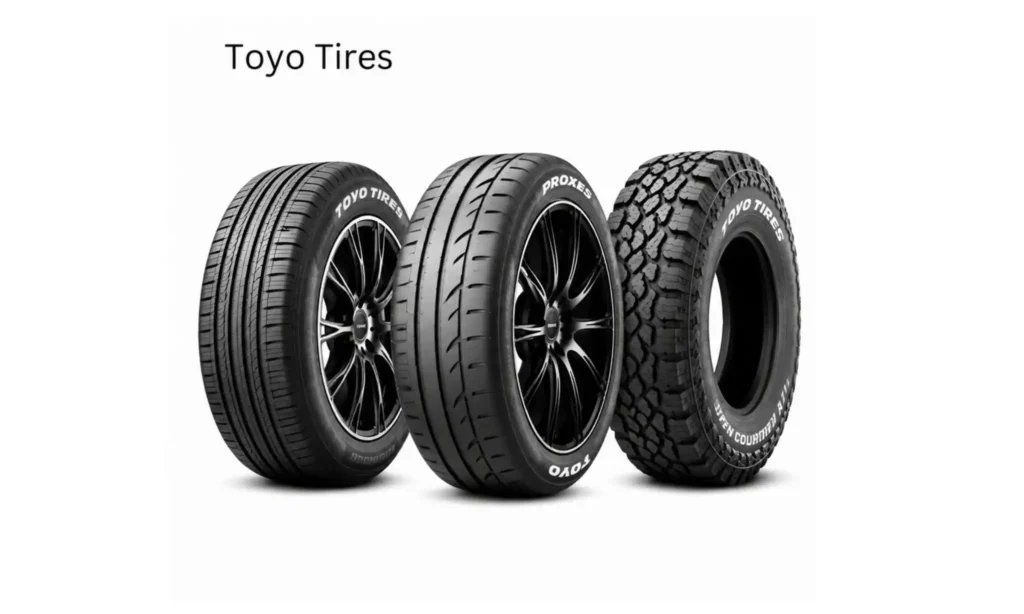
Quick Brand Overview and Spec Comparison
Before we dig deep, you need to see how these two giants stack up on paper. This quick chart outlines their main focus areas.
| Feature Evaluated | Toyo Tires | Bridgestone |
| Market Focus | Value, Trucks, Sport | Premium, Touring, Luxury |
| Price Range | Mid-Tier (Affordable) | Top-Tier (Expensive) |
| Average Tread Life | 40,000 to 65,000 miles | 50,000 to 80,000 miles |
| Best Used For | Lifted Trucks, Budget Cars | Luxury SUVs, Highway Trips |
The chart above gives you a clear snapshot of where each brand shines. Next, we will explore what real drivers think about them.
Brand Reputation and Market Positioning
Both brands have earned deep respect in the auto world. However, they serve very different types of drivers.
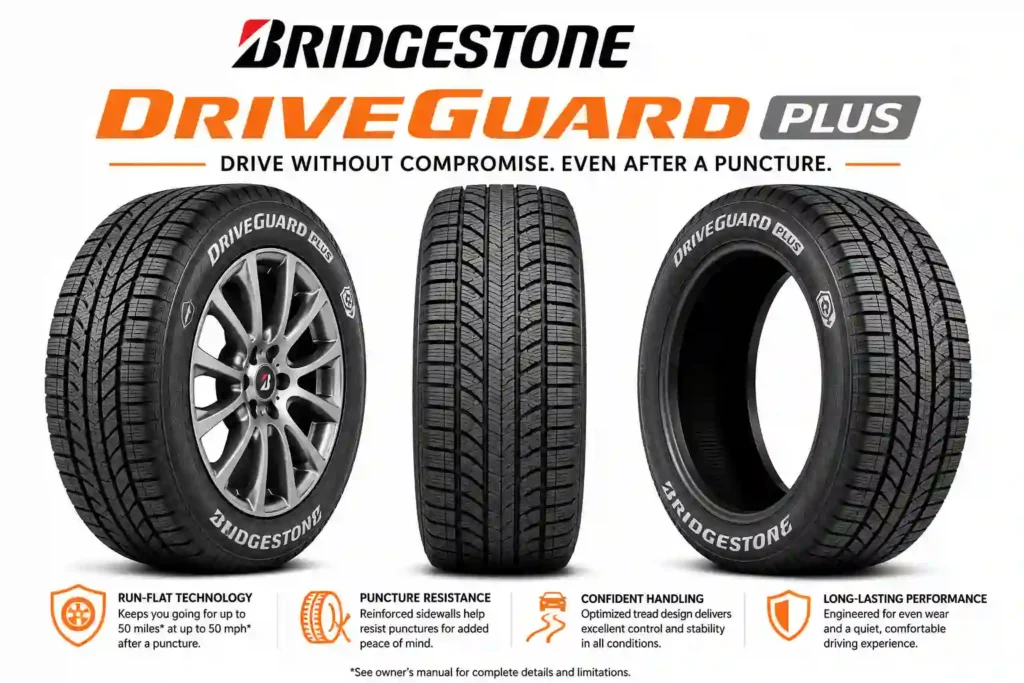
Why Bridgestone Won the Premium Market
Bridgestone is a giant in the tire world. They focus heavily on high-end luxury and smooth rides. You will often find them on brand-new luxury cars straight from the factory.
Their rubber is built for drivers who want zero road noise. They spend millions testing tires to make them feel like you are gliding on glass.
Who Should Avoid Overpaying for Bridgestone?
Skip Bridgestone if you only drive an old, beat-up commuter car a few miles a day. Their premium price tag simply will not pay off for short trips.
You should also look elsewhere if you want aggressive mud tires on a tight budget. You are paying for a quiet ride, not always raw, cheap durability.
How Toyo Built a Rugged Fan Base
Toyo made its name in the off-road and truck scene. Truck owners love them because they look tough and do not cost a fortune.
They also offer great sports car tires that grip well for the price. If you want strong rubber without draining your wallet, Toyo is hard to beat.
Comparing the Overall Tire Lineups
Both brands make tires for almost every vehicle. But their strengths lie in different sections of the tire rack.
Real-World Use for Daily Drivers
For daily city driving, Bridgestone touring tires are tough to beat. They absorb bumps well and stop fast at red lights.
Toyo makes great daily tires too, but they can feel a bit stiffer on bad roads. The trade-off is that Toyo tires usually cost much less upfront.
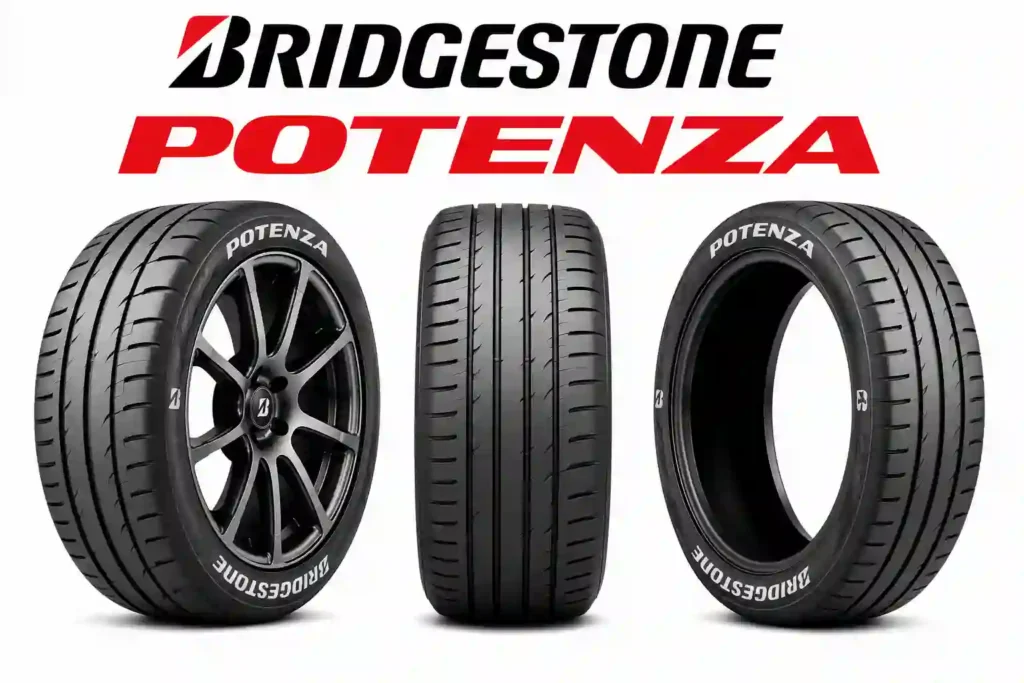
The Heavy-Duty Truck Scene
When it comes to big trucks, Toyo is a massive favorite. Their Open Country line is legendary for deep mud and rocks.
Bridgestone makes truck tires, but they lean toward highway towing. If you go off-road often, Toyo is the clear winner here.
Dry Performance Across Popular Models
Dry grip keeps you safe on hot summer days. Here is how both brands grip clean, dry pavement.
| Performance Trait | Toyo Tires Score | Bridgestone Score |
| Dry Braking Distance | 8.5 / 10 | 9.5 / 10 |
| High-Speed Stability | 8.0 / 10 | 9.0 / 10 |
| Cornering Grip | 8.5 / 10 | 9.0 / 10 |
| Steering Feel | 8.0 / 10 | 9.5 / 10 |
The data shows Bridgestone holds a slight edge on dry roads. Their advanced rubber stops cars a few feet shorter.
Braking Distances on Hot Summer Roads
Bridgestone uses soft silica rubber that grabs the road hard. In a panic stop on the highway, that extra grip matters.
Toyo still stops very well, but they use slightly harder rubber compounds. This means they might slide just a tiny bit more under hard braking.
Steering Feel and Sharp Apex Grip
When I mounted Toyo Proxes on a shop sports car, the turn-in was snappy and fun. They hold the road well when you take corners fast.
Bridgestone, however, feels slightly more exact. The steering wheel feels deeply connected to the road with Bridgestone tires.
Wet Performance and Hydroplaning Tech
Rain causes more crashes than any other weather. Let us see which tire pumps water away faster.
| Wet Weather Trait | Toyo Tires | Bridgestone |
| Heavy Rain Grip | Good | Excellent |
| Hydroplane Safety | Very Good | Outstanding |
| Wet Braking | 8.0 / 10 | 9.5 / 10 |
| Slush Clearing | 7.5 / 10 | 9.0 / 10 |
Bridgestone channels water away faster thanks to deeper grooves. This helps the tire touch the actual road, not the water.
How Rubber Compounds Handle Heavy Rain
Bridgestone mixes special oils into their rubber so it stays soft when wet. This stops the tire from sliding on slick oil patches at red lights.
Toyo performs well in light rain, but heavy downpours can challenge them. You might feel a slight slip if you hit a deep puddle too fast.
Siping Explained and Why It Matters
Siping means tiny slits cut into the tire tread block that open up to bite the road. Both brands use them heavily.
Bridgestone cuts their sipes deeper. This means as the tire wears down, you still get safe rain grip years later.
Winter Performance and Snow Capabilities
Winter driving requires soft rubber that does not freeze hard. Here is how they handle the cold.
| Cold Weather Trait | Toyo Winter Models | Bridgestone Winter Models |
| Deep Snow Traction | 8.5 / 10 | 9.5 / 10 |
| Ice Braking Grip | 8.0 / 10 | 9.5 / 10 |
| Cold Rubber Flex | Good | Excellent |
| Slush Plowing | 8.5 / 10 | 9.0 / 10 |
Bridgestone makes the famous Blizzak winter tire, which is the king of ice. Toyo makes good snow tires, but they cannot beat the Blizzak.
Stopping on Dangerous Black Ice
The Bridgestone Blizzak acts like a sponge on black ice. It sucks up the thin layer of water so the rubber can grip the hard ice below.
Toyo winter tires are great for deep, fluffy snow. But on pure sheet ice, Bridgestone stops your car much faster.
Who Should Avoid Summer Tires in Winter?
Never run a summer sport tire in the snow, from either brand. The rubber turns hard like a hockey puck below 40 degrees.
I once test-drove a car with Toyo summer tires in mild frost, and it slid sideways instantly. Always switch to a true winter or all-season tire.
Comfort, Road Noise, and Ride Quality
A loud tire can ruin a long road trip. You want a tire that eats potholes and stays quiet.
NVH Breakdown: What You Actually Hear
NVH stands for Noise, Vibration, and Harshness. It is how tire shops measure comfort. Bridgestone spends millions to block wind noise from entering your car cabin.
“Customers always forget about noise until they drive 70 mph. A cheap tread block will hum so loud it ruins the radio. Bridgestone masters the quiet ride.”
Sidewall Stiffness and Pothole Impacts
Toyo tires often have thick, stiff sidewalls. This is great for hauling heavy loads, but it makes potholes feel very harsh.
Bridgestone builds soft, flexible sidewalls for their touring tires. If you hit a bump, the tire flexes and hides the shock from your seat.
Tread Life and Overall Rubber Durability
You want tires that last for years. Let us compare how long the tread actually stays useful.
| Durability Factor | Toyo Tires | Bridgestone |
| Top Mileage Warranty | Up to 75,000 miles | Up to 80,000 miles |
| Rubber Wear Rate | Average | Slow |
| Uneven Wear Risk | Moderate | Low |
| Best Long-Lasting Tire | Extensa A/S II | Turanza QuietTrack |
Bridgestone typically lasts longer on average. Their touring models are built to spin for years without going bald.
Understanding the UTQG Rating
UTQG is a government grade stamped on the side of the tire that tells you how long it lasts. Higher numbers mean longer life.
Bridgestone touring tires often score over 700 UTQG. Toyo daily tires usually sit around 500 to 600, meaning they wear out slightly faster.
Real-World Mileage vs Stated Claims
If you rotate your tires often, Bridgestone tires will easily hit their 80,000-mile mark. They wear down very evenly across the whole patch.
Toyo tires might wear a little faster if you drive them hard. But since they cost less, replacing them earlier is not a huge deal.
Proprietary Tire Technology Explained
Both brands invent cool tricks to make rubber grip better. Here is what is hiding inside your tire.
Bridgestone’s Edge in NanoPro-Tech
Bridgestone uses a lab tool called NanoPro-Tech to mix rubber at a tiny level. This makes the tire roll easier, which saves you gas money.
They also use special cooling fins on the sides. This stops the tire from blowing out if you drive heavily loaded in the hot sun.
Toyo’s NanoBalance Rubber Science
Toyo uses a similar trick called NanoBalance. It makes their sport tires grip dry roads very well.
They also build very strong shoulder blocks. This keeps big trucks stable when turning corners with a heavy trailer attached.
Comparing Warranties and Customer Guarantees
A good warranty saves you if a tire fails early. Here is the breakdown of their promises.
| Warranty Type | Toyo Tires | Bridgestone |
| Treadwear Warranty | Up to 75k miles | Up to 80k miles |
| Workmanship Defect | 5 Years | 5 Years |
| Trial Period | 45 Days or 500 miles | 90 Days |
| Road Hazard Help | Varies by dealer | Varies by dealer |
Bridgestone gives you a longer time to test the tires. A 90-day trial is massive peace of mind.
How Prorated Wear Warranties Actually Work
If your tire goes bald early, the brand pays you back for the miles you missed. It is called prorated credit.
Both brands honor this very fairly. Just make sure you keep your alignment receipts, or they might deny your claim.
The Hidden Value of Trial Periods
Toyo gives you 45 days to try the tires out. If they are too loud, you can take them back to the shop.
Bridgestone doubles this to 90 days on most tires. This proves how confident they are that you will love the quiet ride.
Price and Overall Value Breakdown
Cost is usually the biggest factor for drivers. Let us see who gives you the best bang for your buck.
| Value Metric | Toyo Tires | Bridgestone |
| Average Cost Per Tire | $120 – $250 | $160 – $320 |
| Full Set Cost (Est.) | $600 | $900 |
| Cost Per Mile | Low / Excellent | Moderate |
| Resale/Trade Value | Average | High |
Toyo is clearly the better choice if you have a tight budget. They offer great safety for much less cash.
Upfront Cost vs Long-Term Replacement
Buying Toyo saves you $200 to $300 at the cash register today. That is a massive deal for families.
Bridgestone costs more now, but they last longer. You might skip buying a whole new set of tires down the road.
When to Splurge and When to Save
Splurge on Bridgestone if you drive a nice luxury SUV or take cross-country trips. The quiet ride is worth the extra money.
Save your cash with Toyo if you just drive to work on local streets. You will not notice a big difference at 35 miles per hour.
The Absolute Best Tire From Each Brand
To make things easy, here are the stars of the show. These are the tires everyone asks for.
Top Choice for Highway Cruising
For ultimate highway peace, buy the Bridgestone Turanza QuietTrack. It is insanely smooth and lasts 80,000 miles.
If you want a Toyo for the highway, the Extensa A/S II is great. It is much cheaper but still rides very nice.
Top Choice for Mud and Dirt
For trucks, the Toyo Open Country A/T III is an absolute legend. It looks mean and grips wet dirt perfectly.
Bridgestone offers the Dueler A/T. It is quiet on the highway but not as tough in deep mud as the Toyo.
Which Tire Brand Is Better for Your Needs?
Picking a winner depends entirely on your car and your wallet. Both are incredibly safe choices.
The Ideal Bridgestone Buyer
You should buy Bridgestone if you hate road noise. They are perfect for long trips, luxury cars, and harsh winter ice.
If you have the extra budget, Bridgestone gives you top-tier safety. You get exactly what you pay for.
The Ideal Toyo Tires Buyer
You should buy Toyo if you own a truck, Jeep, or sports car. They offer an amazing blend of tough looks and great prices.
They are the ultimate smart-money tire. You get safe, reliable rubber without draining your bank account.
Final Verdict: The Best Brand Choice
Bridgestone wins the overall battle for premium comfort, wet safety, and ice grip. However, Toyo is the undeniable winner for heavy trucks and extreme budget value.
Do not guess your tire size. Go check the sticker inside your driver-side door right now, write down the size, and call your local shop to order the brand that fits your life best today.
FAQ for Toyo Tires vs Bridgestone
Are Toyo tires as good as Bridgestone?
Yes, Toyo offers amazing value and tough truck tires, though Bridgestone easily wins for luxury ride comfort and noise reduction.
Which tire brand lasts longer on the highway?
Bridgestone touring tires typically outlast Toyo daily drivers thanks to higher treadwear grades and advanced rubber mixtures.
Do both brands offer good rain traction?
Both are extremely safe in the rain, but Bridgestone has a slight edge with deeper grooves that pump water away much faster.