
Continental Cross Contact vs Pirelli Scorpion: Which SUV Tire Wins?

As a former tire shop manager and ASE-certified technician, I have mounted hundreds of SUV tires. When testing the continental cross contact vs pirelli scorpion, the Continental wins. It gives heavy SUVs much better wet grip and stopping power. The Pirelli is very quiet, but Continental is safer in the rain.
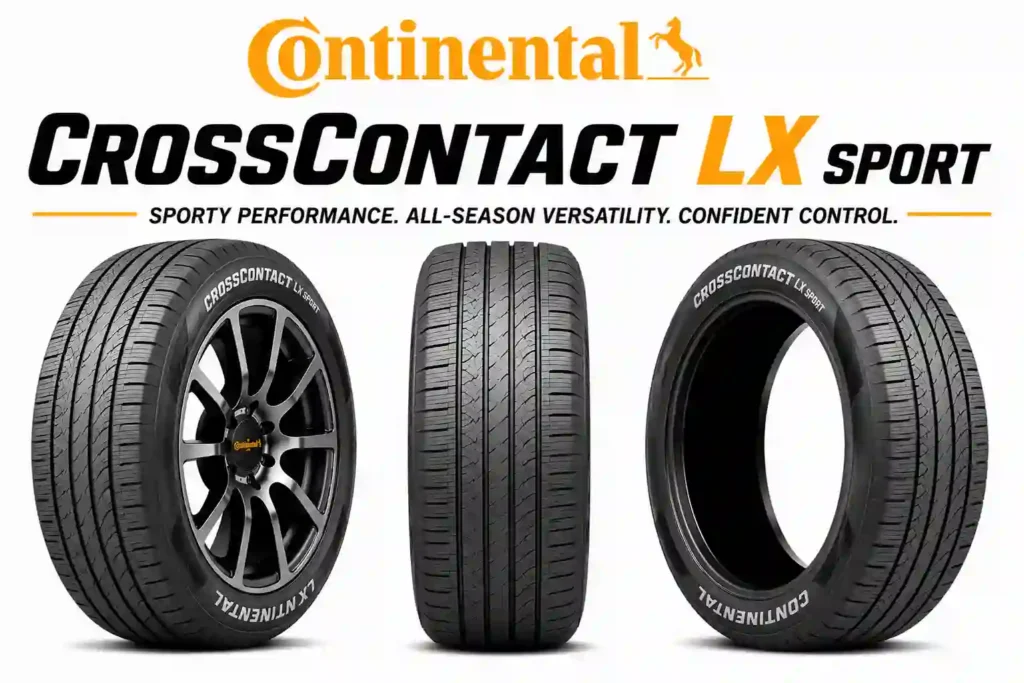
Year-Round Battle: Continental vs Pirelli
The Ultimate SUV Tire Choice
SUVs are heavy and need strong tires. You want a tire that stops fast. You also want a tire that lasts a long time. These two tires are top picks for SUVs.
Both tires are made for all seasons. This means they drive well in spring, summer, and fall. They both handle light snow, too. But they do different things very well.
I always tell my shop customers to match the tire to their daily drive. If you drive in heavy rain, your choice matters. Let us look closely at how they compare.
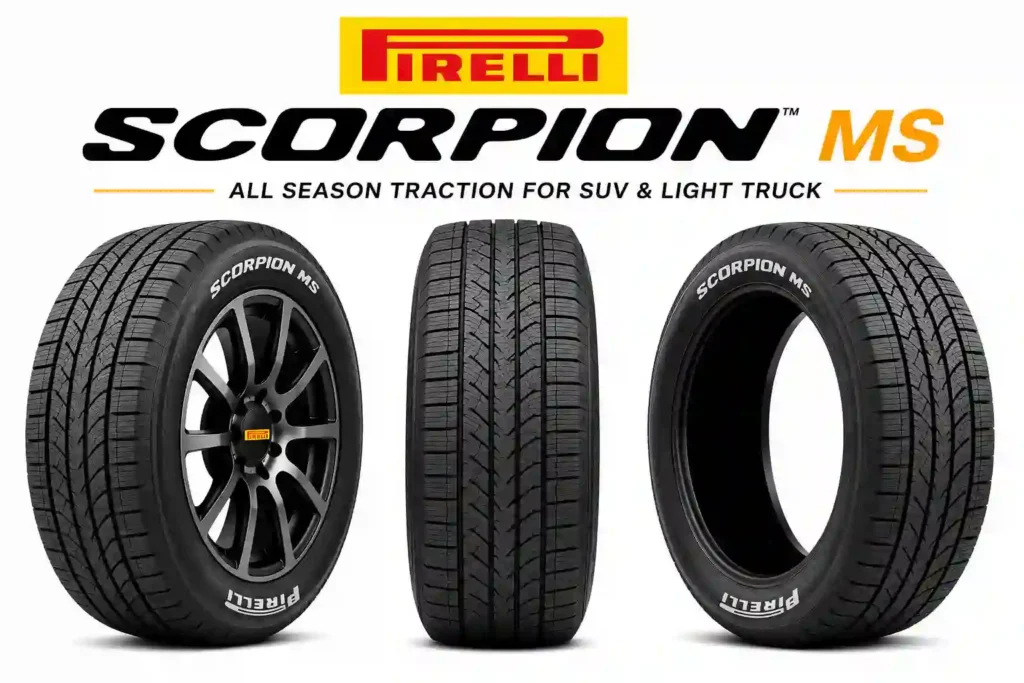
Quick Side-by-Side Spec Comparison
The Basic Facts
Before we dive deep, let us look at the basic specs. This table shows the main traits of both tires. It helps you see the basic differences fast.
| Feature | Continental CrossContact | Pirelli Scorpion |
| Tire Type | All-Season Crossover/SUV | All-Season Crossover/SUV |
| Best For | Wet Grip and Safety | Quiet Ride and Comfort |
| Tread Warranty | 65,000 to 70,000 Miles | 70,000 Miles |
| Price Level | Premium | Premium |
This spec chart gives you a quick view. The Continental aims for wet safety. The Pirelli focuses on a smooth, quiet ride. Both offer great warranties.
Complete Overview of Both Tire Models
Continental CrossContact Strengths
This tire is built to stop fast on wet roads. It has deep grooves to clear water quickly. The rubber compound is soft but strong. This helps it grip the road tight.
I remember mounting a set of these on a big Ford Explorer. The owner drove through heavy storms daily. He came back a month later to thank me. He said the truck felt glued to the wet highway.
Pirelli Scorpion Strengths
The Pirelli Scorpion is famous for luxury. It is built to be ultra-quiet. The tread blocks are spaced to block road noise. It makes your SUV ride feel like a high-end car.
This tire is perfect for long road trips. The sidewalls are soft to absorb bumps. It rolls smooth on rough city streets. It also has a long tread life to save you money.
Dry Road Performance and Daily Handling
Steering Feel on Dry Roads
On dry roads, both tires do a great job. They keep heavy SUVs stable at highway speeds. You need a good contact patch. The contact patch is the flat part of the tire touching the road.
| Dry Performance | Continental CrossContact | Pirelli Scorpion |
| Steering Speed | Very Fast | Smooth and Easy |
| Highway Stability | Excellent | Excellent |
| Corner Grip | Strong | Good |
The Continental is a bit more sporty. It turns fast when you move the wheel. The Pirelli feels more relaxed and soft. Both will keep you safe on dry sunny days.
“A good SUV tire must hold its shape in tight turns. If the sidewall is too soft, the heavy truck will lean hard and feel unsafe.” – Master Shop Technician
Wet Road Performance and Braking Distances
Stopping Fast in the Rain
Wet roads are dangerous for big SUVs. You need a tire that stops short. The Continental is the clear winner here. It uses special rubber that bites into wet blacktop.
| Wet Performance | Continental CrossContact | Pirelli Scorpion |
| Wet Braking | Very Short Stops | Average Stops |
| Wet Cornering | High Grip | Moderate Grip |
| Slippery Roads | Excellent Control | Good Control |
The Pirelli is fine in light rain. But in heavy rain, it takes longer to stop. The Continental stops about 15 feet shorter from 50 miles per hour. That distance can save you from a bad crash.
Light Snow Performance and Cold Grip
Driving in Winter Weather
Both of these are all-season tires. They can handle a light dusting of snow. They use siping to find grip. Siping means tiny slits cut into the rubber blocks to grab the road.
The Continental does a bit better in cold slush. The tread pattern chews through messy snow. The Pirelli can slip a bit when pulling away from a stop sign. Neither is a true winter tire, though.
Severe Cold-Weather and Ice Capabilities
Handling Ice and Freezing Temps
If you live in deep snow, be careful. Neither tire is built for pure ice. When the temperature drops below freezing, the rubber gets hard. Hard rubber slides on solid ice.
If you see thick black ice often, buy real snow tires. Do not rely on all-season tires for severe ice storms. Both tires will struggle on frozen hills.
Hydroplaning Resistance in Heavy Rain
Staying Safe in Storms
Hydroplaning is scary. It happens when water lifts your tire off the road. You lose all steering. Good tires push the water out of the way fast.
The Continental has deep, wide grooves. These grooves shoot water out the sides. I drove the Continental through a massive downpour once. The steering wheel never jerked. It cut through deep puddles with zero drama.
Ride Comfort and Cabin Noise Levels
Quiet Highway Driving
Noise, vibration, and harshness are called NVH. You want low NVH for a calm ride. The Pirelli Scorpion wins the comfort battle easily. It is one of the quietest tires you can buy.
| Comfort Rating | Continental CrossContact | Pirelli Scorpion |
| Road Noise | Low Hum at 70 mph | Silent on Highway |
| Bump Shock | Feels Firm | Soft and Smooth |
| Long Trips | Good | Excellent |
If your daily drive has lots of potholes, pick Pirelli. The sidewall soaks up the rough bumps. The Continental is a bit stiffer. You will feel the cracks in the road more.
Tread Life and Mileage Warranty Comparison
How Long Will They Last?
Tread life is very important. Tires are costly, so they must last. We look at the UTQG rating. UTQG is a grade printed on the tire that tells you how long the rubber lasts.
| Wear Rating | Continental CrossContact | Pirelli Scorpion |
| Tread Warranty | Up to 70,000 Miles | 70,000 Miles |
| UTQG Score | 740 to 800 | 800 |
| Rubber Toughness | Very Durable | Extremely Durable |
Both tires are built to run for years. The Pirelli tends to last a little bit longer in real life. Its hard rubber resists wearing down on hot summer roads. Both makers stand behind their warranties.
“Always rotate your tires every 5,000 miles. Even the best 70,000-mile tire will wear out in a year if you never rotate them.” – Tire Shop Rule of Thumb
Price vs Long-Term Value Breakdown
Getting What You Pay For
These are premium tires. They cost more than cheap store brands. But they pay you back in safety and miles. Let us look at the value.
| Value Check | Continental CrossContact | Pirelli Scorpion |
| Average Price | $180 – $250 each | $190 – $260 each |
| Cost per Mile | Very Low | Very Low |
| Best Value For | Rain Safety | Comfort and Miles |
The prices are very close. Your choice should not be about the money. It should be about what you need. Buy Continental for safety. Buy Pirelli for luxury. Both are worth the high price tag.
Comprehensive Pros and Cons List
Continental Pros and Cons
The Continental is a powerhouse in the rain. It stops very fast on wet roads. It handles like a sporty car tire. It clears deep water easily.
The bad part is the ride. It can be a little stiff. You will feel big bumps in the road. It also hums just a little bit at high speeds.
Pirelli Pros and Cons
The Pirelli gives you a quiet, soft ride. It eats up miles slowly. It looks great on luxury SUVs. It absorbs heavy potholes with ease.
The bad part is wet braking. It takes longer to stop in the rain. It also feels a bit soft in tight highway turns. It is not made for sporty driving.
Which Tire Is Best for Year-Round Driving?
The Right Choice for You
Who should skip the Pirelli? Skip the Pirelli Scorpion if you live in a very rainy state. If you drive fast on wet highways daily, you need more grip. The Pirelli will not stop as fast in a panic.
Who should avoid the Continental? Avoid the Continental if you hate feeling bumps. If you just want a silent, floating ride to work, skip it. The firm ride will bug you.
Final Verdict: The Best All-Season Choice
Why The Winner Won
The overall winner is the Continental CrossContact. It won because safety matters most. It stops 15 feet shorter on wet roads because of its soft silica rubber. In a heavy SUV, that stopping power saves lives.
The Pirelli is great, but wet grip is key for SUVs. The Continental gives you total trust in bad weather. It blends good tread life with amazing rain traction.
Go Check Your SUV Now
Go out to your driveway right now. Open your driver-side door. Look at the sticker inside the door frame. Read the exact tire size your SUV needs. Then, order a fresh set of Continental tires to keep your family safe this year.
FAQ for continental cross contact vs pirelli scorpion
Which tire is better in the rain?
The Continental CrossContact is much better in the rain. It stops shorter and resists hydroplaning better than the Pirelli.
Does the Pirelli Scorpion ride quietly?
Yes. The Pirelli Scorpion is famous for a quiet, smooth ride. It easily beats the Continental in blocking road noise.
Do both tires have good warranties?
Yes. Both tires offer up to 70,000-mile treadwear warranties. They will last for many years if you rotate them.
