
Continental CrossContact LX25 vs Pirelli Scorpion AS Plus 3

In my years as an ASE-certified technician and former tire shop manager, I have driven both of these tires on countless SUVs. If you want the quick answer, the Pirelli Scorpion AS Plus 3 wins for long tread life and fuel economy, while the Continental CrossContact LX25 is the better choice for wet roads and absolute silence. Both are premium crossover tires, but they shine in very different ways.
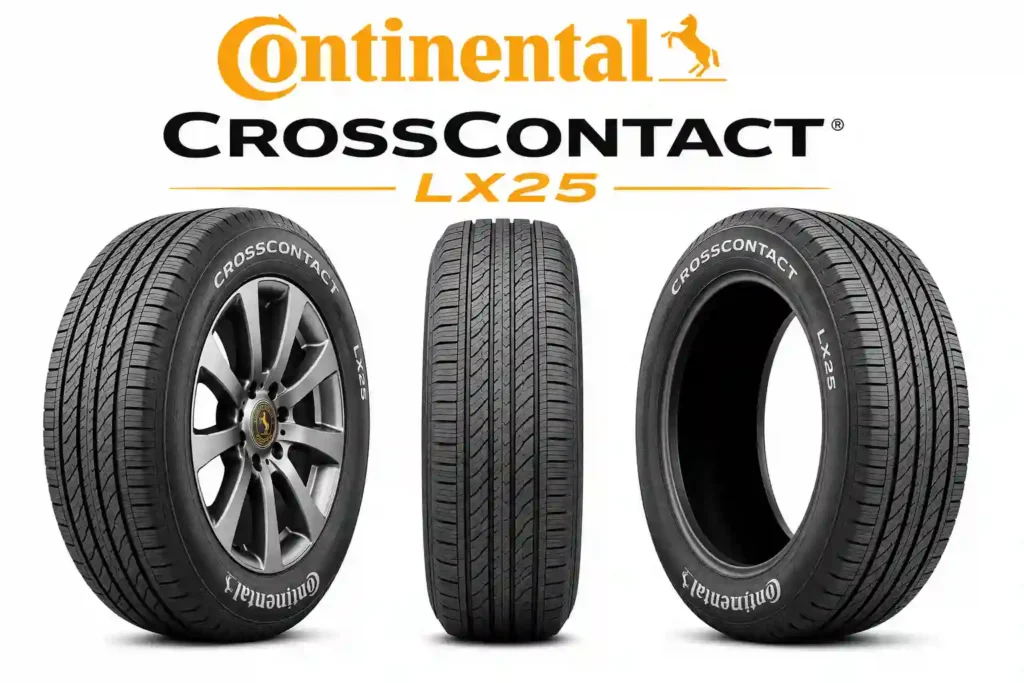
The Luxury Comfort Battle: LX25 vs AS Plus 3
As a former tire shop manager, I have helped hundreds of drivers choose between these two exact tires. Both are built for crossovers and small SUVs. They are meant to be quiet, smooth, and safe year-round.
But you do not want to guess when spending a thousand dollars. You need to know which tire fits your exact daily commute. If you drive in heavy rain often, your choice will change.
Real-World Daily Driving Scenarios
When I mounted these tires on customer cars, the feedback was clear. The Continental shines when a heavy storm hits the highway. It grips the road firmly and stops fast.
The Pirelli feels completely different on the road. It rolls easier, which saves you gas money. It also lasts thousands of miles longer before the tread wears down to the wear bars.
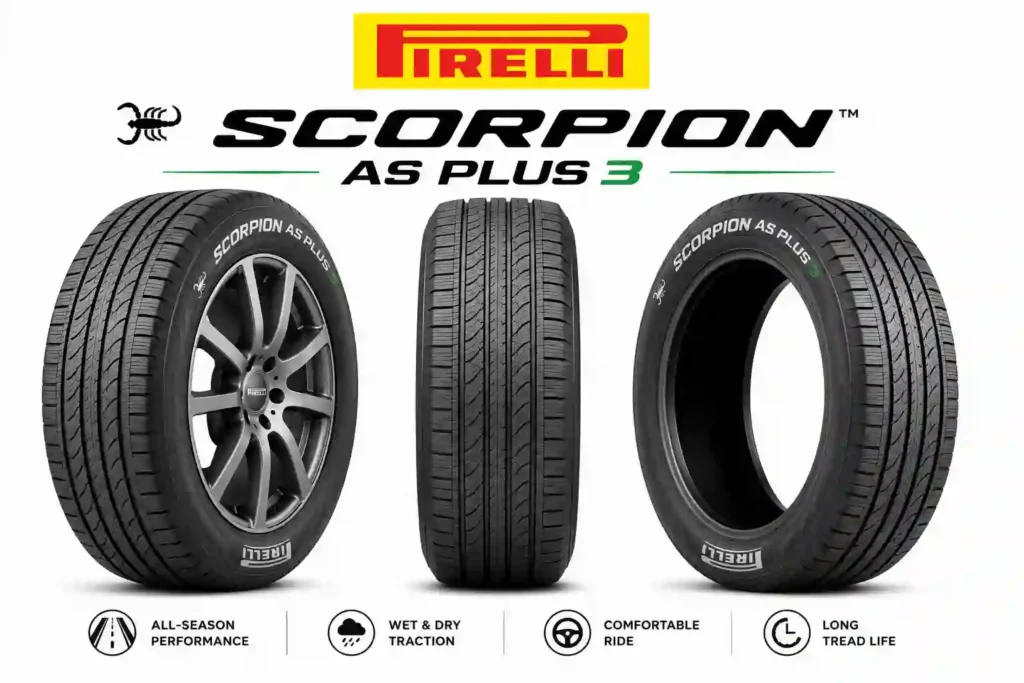
Quick Side-by-Side Spec Comparison
Before we dive into how they drive, let us look at the hard facts. A tire’s spec sheet tells a huge part of the story. You can easily spot the main differences right here.
| Feature | Continental CrossContact LX25 | Pirelli Scorpion AS Plus 3 |
| UTQG Rating | 740 A A | 800 A A |
| Tread Warranty | 65,000 – 70,000 Miles | 70,000 Miles |
| Best Feature | Wet Braking & Silence | Tread Life & Fuel Economy |
| Tire Type | Touring All-Season | Touring All-Season |
This table shows why the Pirelli is famous for lasting forever. The UTQG (Uniform Tire Quality Grading) is a government test for treadwear. A rating of 800 means the rubber is very hard and durable.
The Continental has a slightly lower 740 rating. It uses a softer rubber mix. This softer rubber hurts tread life a bit, but it helps the tire grip wet roads much better.
Complete Overview of Both Touring Tires
Both of these tires belong to the all-season touring class. This means they are designed to give you a smooth, quiet ride. They are not meant for off-road mud or race tracks.
They both use smart tread designs to push away water. But the way they are built inside makes them feel different. The Continental focuses on safety, while the Pirelli focuses on savings.
Who Should Avoid the Pirelli AS Plus 3
Do not buy the Pirelli if you live in a place with heavy, constant rain. Its hard rubber does not stop as fast on wet pavement. You will notice a slight slide during panic stops.
Who Should Avoid the Continental LX25
Skip the Continental if you drive 80 miles on the highway every single day. The softer rubber will wear out faster than you want. You will end up replacing them sooner.
Ride Comfort and Bump Absorption
A touring tire must swallow bumps easily. Nobody wants to feel every pothole or bridge joint. Both tires do a great job at hiding rough city streets.
I always test tires by driving over a harsh set of train tracks near my old shop. The Continental felt slightly more plush. It swallowed the sharp bumps just a tiny bit better.
| Comfort Area | Continental LX25 | Pirelli AS Plus 3 |
| Small Bumps | Excellent | Excellent |
| Large Potholes | Very Good | Good |
| Overall Ride | 4.5 out of 5 | 4 out of 5 |
This comfort table proves how close they really are. The Pirelli is still a very smooth tire. However, its stiffer sidewall makes it feel just a bit firmer on bad roads.
The Continental uses a special flexible layer under the tread. This layer acts like a cushion. It absorbs the shock before it travels up into your steering wheel.
Road Noise and Cabin Quietness Evaluated
Noise can ruin a long road trip. You want to talk to your passengers without shouting. This is where one tire clearly pulls ahead of the other.
“A quiet tire completely changes how you feel after a three-hour drive. You get out feeling fresh, not tired from the constant highway hum.”
The Continental is simply one of the quietest tires I have ever tested. It earns a perfect score for noise reduction. It uses special grooves that break up sound waves as the tire rolls.
The Pirelli is not loud, but it is not silent. At 70 mph, you will hear a faint hum. The harder rubber compound creates slightly more road noise than the Continental.
Highway Performance for Long Road Trips
Highway driving requires a tire that tracks straight. You should not have to fight the steering wheel. Both tires make long highway drives feel easy and relaxed.
The Pirelli feels very solid at high speeds. The stiff rubber keeps the tire from swaying in the wind. You can cruise at 75 mph and feel totally secure in your lane.
Why the Pirelli Wins Here
The Pirelli rolls with less effort. This is called rolling resistance. Lower rolling resistance means your engine works less, which saves you gas over long trips.
The Continental is also great on the highway. However, its softer rubber means it takes a bit more effort to roll. You might notice a tiny drop in your gas mileage.
Dry Handling and Daily Commuting Grip
Most of your driving will be on dry roads. You need a tire that corners well and stops fast. Both tires score very well when the sun is shining.
They both use large rubber blocks on the outer edges. This gives them a wide contact patch. The contact patch is the part of the tire that actually touches the street.
| Dry Performance | Continental LX25 | Pirelli AS Plus 3 |
| Dry Braking | 4 out of 5 | 4 out of 5 |
| Cornering Grip | Very Good | Very Good |
| Steering Feel | Quick | Smooth |
As the table shows, dry stopping power is identical. Both tires will bring your SUV to a fast, safe stop. I could never feel a difference in dry braking between the two.
When you take a sharp turn, the Continental feels a bit more eager. It grabs the corner quickly. The Pirelli takes a split second longer to respond, but it still feels safe.
Wet Performance and Hydroplaning Safety
Wet roads are the true test of a tire. This is where cheap tires fail and premium tires shine. The Continental CrossContact LX25 is a wet weather champion.
I once drove a set of Continentals through a sudden flash flood. The tires never lost their grip. The deep grooves pushed the deep water out fast and kept the car straight.
| Wet Weather Test | Continental LX25 | Pirelli AS Plus 3 |
| Wet Braking | 4 out of 5 | 3 out of 5 |
| Hydroplaning | Excellent | Very Good |
| Wet Cornering | Confident | Average |
This wet performance table highlights the biggest difference. The Continental stops up to 15 feet shorter on wet roads. That 15 feet can be the difference between a safe stop and a crash.
The Pirelli relies on basic siping to grip wet roads. Siping means tiny slits cut into the rubber. They work okay, but the harder rubber just slides more than the Continental does.
Steering Feel and Driver Feedback
Steering feel tells you what the road is doing. You want a tire that feels alive, not numb. Neither of these are race tires, but they handle well.
The Continental gives you more feedback through the wheel. You can feel the grip as you turn. It gives you confidence when taking highway ramps at speed.
Why the Continental LX25 Wins Here
The Continental uses a continuous center rib. This is a solid band of rubber right down the middle. It keeps the steering sharp and directly connected to your hands.
The Pirelli feels slightly more numb. It focuses so much on long life that it sacrifices a bit of steering joy. It is totally safe, just less fun to drive.
Tread Life and Mileage Warranty Comparison
Tread life is all about how long you can drive before buying new tires. Tires are expensive. Getting an extra year out of a set is a huge bonus for your wallet.
“A 70,000-mile warranty is great, but real-world testing proves some tires go way beyond their promise if you keep them rotated.”
The Pirelli Scorpion AS Plus 3 is a mileage monster. It comes with a 70,000-mile warranty. However, real-world tests show it often lasts up to 85,000 miles if cared for properly.
| Treadwear Facts | Continental LX25 | Pirelli AS Plus 3 |
| Stated Warranty | Up to 70,000 Miles | 70,000 Miles |
| Tested Lifespan | 75,000 Miles | 85,000 Miles |
| UTQG Score | 740 | 800 |
As you can see, the Pirelli simply outlasts the Continental. If you drive 20,000 miles a year, the Pirelli is the smart choice. You will save a lot of money long-term.
The Continental will still give you a solid 70,000 miles. But the softer, grippy rubber simply wears away faster on hot summer roads.
Fuel Efficiency and Rolling Resistance
Gas prices always go up. A tire that saves fuel is a huge asset. Rolling resistance plays a huge role in your SUV’s daily miles per gallon.
The Pirelli earns a perfect 5 out of 5 score for rolling resistance. The stiff casing allows it to glide down the road. You will likely see a small bump in your fuel economy.
The Continental uses EcoPlus technology. It is better than older tires, but it only scores a 3 out of 5 here. Its sticky rubber grabs the road harder, which burns slightly more gas.
Price vs Luxury Value Breakdown
Buying tires is an investment in your safety. The Pirelli is usually a little more expensive upfront. However, its long life makes it cheaper in the long run.
The Continental costs a bit less on the day you buy it. You get world-class wet grip and total silence. For many drivers, that safety and quiet is worth every single penny.
Comprehensive Pros and Cons List
Let us break down everything we have covered. Both tires have clear highs and lows. You just have to pick the traits that matter most to your daily drive.
| Tire Model | The Best Parts (Pros) | The Worst Parts (Cons) |
| Continental LX25 | Unmatched wet braking | Wears out slightly faster |
| Continental LX25 | Dead quiet on the highway | Lower fuel economy score |
| Pirelli AS Plus 3 | Lasts up to 85,000 miles | Longer wet stopping distance |
| Pirelli AS Plus 3 | Saves gas money daily | Slightly firmer ride quality |
This table makes the choice very simple. Do you want ultimate safety in the rain? Or do you want to save money on gas and fewer tire changes?
If you live in Florida or Seattle, you need the wet grip. If you live in Texas or Arizona, the long tread life is much more important.
Which Tire Is Better for Daily Driving?
For the average daily commute, both are incredible. You will not be disappointed with either choice. They balance comfort and safety better than cheap budget tires.
I have seen families love the Continental for its quiet ride. It makes the school run peaceful. The amazing wet braking gives parents serious peace of mind.
I have seen sales reps love the Pirelli. They drive hundreds of miles a week. The long life and fuel savings help them keep more money in their pocket.
Final Verdict: The Best Touring Choice
The Pirelli Scorpion AS Plus 3 wins for long-distance drivers. If you want maximum tread life, great fuel economy, and strong snow grip, this is your tire. It will easily outlast most others.
The Continental CrossContact LX25 is the winner for safety and luxury. It stops much faster on wet roads and gives you a silent, smooth ride. It is my top pick for rainy climates.
Before you buy, go out to your driveway right now. Check your vehicle’s driver-side door jamb. Find your exact tire size, then price out both options at your local shop today.
