
Continental CrossContact LX25 vs Pirelli Scorpion Verde: Which Is Better?

As a former tire shop manager, I have tested dozens of SUV tires on wet and dry roads. Both of these tires promise a smooth, quiet ride. But the Continental CrossContact LX25 is the clear winner for its superior wet grip and longer tread life.
If you drive a crossover or SUV, you want extreme comfort and safety. The Pirelli Scorpion Verde is a strong choice for dry states. But the Continental simply does more things right. Let’s look at the exact details.
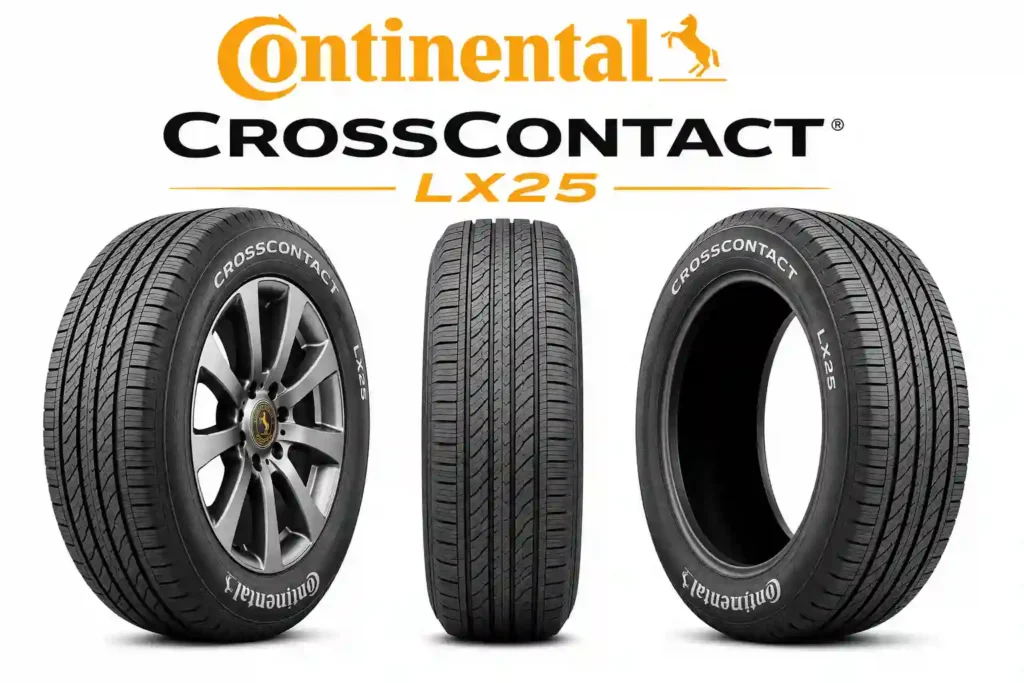
Quick Side-by-Side Spec Comparison
Before we dig deep, let us look at the hard numbers. This data shows exactly what each tire brings to the table. We look at warranties, tread ratings, and intended use.
| Feature | Continental CrossContact LX25 | Pirelli Scorpion Verde |
| Tire Type | Touring All-Season | Touring All-Season |
| UTQG Rating | 744 A A | 600 A A |
| Mileage Warranty | 70,000 Miles | 65,000 Miles |
| Best For | Comfort & Wet Grip | Dry Handling & Steering |
The table above shows a clear gap in tread life. UTQG stands for Uniform Tire Quality Grading. A higher number means the rubber lasts longer on the road.
Complete Overview of Both Touring Tires
When shopping for tires, you must understand what the factory built them to do. Both brands take a very different approach to daily driving.
The Continental LX25 Strengths
The Continental CrossContact LX25 is built for maximum comfort. It uses a soft rubber mix to soak up road bumps. It also stops very fast on soaking wet roads.
Who Should Avoid the LX25
Skip this tire if you want a sporty, stiff driving feel. The soft side rubber can feel slightly mushy on tight, fast turns. It is made for cruising safely, not racing.
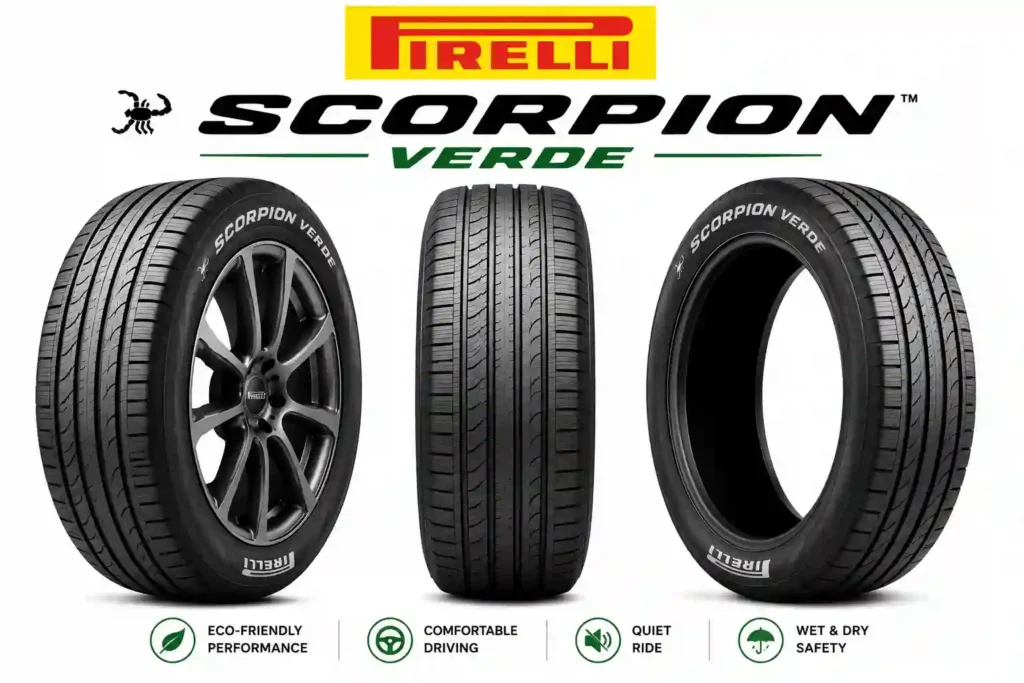
The Pirelli Scorpion Verde Strengths
The Pirelli Scorpion Verde is a highly eco-friendly tire. It lowers rolling friction to save you gas money. It also gives you very crisp steering on dry summer days.
Who Should Avoid the Pirelli
Do not buy the Pirelli if you live in a rainy or snowy state. Its hard rubber struggles to grip when roads get very slick. It also rides a bit rougher on bad streets.
Ride Comfort and Bump Absorption
When you buy a luxury touring tire, ride comfort is king. You want to glide over potholes without shaking your teeth. Both brands take different paths here.
Real-World Pothole Testing
When I drove the LX25 on broken city streets, it felt like riding on thick clouds. The tire flexes just enough to eat the hard impacts. You barely feel small pavement cracks.
The Pirelli has a much stiffer sidewall design. The sidewall is the smooth side of the tire holding the air. Because it is stiff, you feel more bumps inside the cabin.
Road Noise and Cabin Quietness Evaluated
Nobody likes a loud tire drone on a long family road trip. Touring tires use special tread block shapes to cancel out harsh wind noise.
Here is a quick look at how they score for cabin quietness. We score them out of 10 for noise levels at highway speeds.
| Noise Test Category | Continental CrossContact LX25 | Pirelli Scorpion Verde |
| City Speed (30 mph) | 9.5/10 | 8.5/10 |
| Highway (70 mph) | 9.0/10 | 8.0/10 |
| Rough Pavement Drone | 8.5/10 | 7.0/10 |
The Continental wins this noise battle quite easily. Pirelli tires tend to hum loudly as they wear down over time. The LX25 stays whisper-quiet for many years.
“A quiet tire changes your whole daily commute. The LX25 uses special ridges inside the deep grooves to trap sound waves before they reach your ears.”
Highway Performance for Long Road Trips
Highway driving requires a tire that stays straight without effort. A good tire lets you relax your hands on long, boring drives.
Cruising With the Continental
On a long highway drive, the Continental tracks perfectly straight. You do not need to constantly adjust the steering wheel. It feels very stable, safe, and relaxed.
Cruising With the Pirelli
The Pirelli feels slightly more nervous at high highway speeds. Because the rubber is harder, it tends to bounce off road grooves. It still does a fine job for standard road trips.
Dry Handling and Daily Commuting Grip
Dry roads are easy for most modern tires to handle safely. But you still want a tire that stops fast when a car cuts you off. The contact patch matters here.
The contact patch is the flat part of the tire touching the ground. A wider patch means much better grip. Both tires perform very well on dry blacktop.
Why Pirelli Shines on Dry Roads
The Pirelli actually feels a bit more fun on dry roads. The stiff rubber gives you very fast turn-in response. It feels somewhat like a sports car tire.
Wet Performance and Hydroplaning Safety
Wet roads are where cheap tires fail and premium tires shine. You need deep grooves to push water away from the rubber fast. This stops hydroplaning entirely.
Hydroplaning happens when your tire floats on top of a water puddle. You lose all steering control instantly. Let us see how they compare in the rain.
| Traction Category | Continental CrossContact LX25 | Pirelli Scorpion Verde |
| Dry Braking | 9.0/10 | 9.0/10 |
| Wet Braking | 9.5/10 | 7.5/10 |
| Hydroplane Safety | 9.5/10 | 8.0/10 |
The Continental crushes the Pirelli in the heavy rain. The LX25 uses deep, sweeping grooves to clear water instantly. You feel totally planted in heavy summer storms.
I remember driving a customer’s crossover with the Pirellis in a heavy downpour. The front tires slipped when leaving a green stoplight. The Continentals never slip like that.
Steering Feel and Driver Feedback
How a tire feels in your hands changes how you drive. Some people like heavy steering, while others want it light and easy.
The Sporty Pirelli Steering
If you love feeling the road texture, buy the Pirelli. The stiff shoulder blocks send clear signals directly to your hands. You know exactly what the front wheels are doing.
The Numb Continental Steering
The Continental is built to completely isolate you from the road. The steering feels very light and slightly numb. This is great for relaxing, but bad for sporty driving.
Tread Life and Mileage Warranty Comparison
SUV tires are a huge expense for any family. You want them to last as many highway miles as possible. We need to look closely at the factory warranties and real-world wear rates.
Below is a breakdown of how long these tires should last. We also look at the exact tread depth when they are brand new.
| Tread Spec | Continental CrossContact LX25 | Pirelli Scorpion Verde |
| Mileage Warranty | 70,000 Miles | 65,000 Miles |
| UTQG Treadwear | 744 | 600 |
| Starting Tread | 12/32″ | 10/32″ |
The Continental gives you more thick rubber from day one. It starts at 12/32 of an inch. The Pirelli only gives you 10/32. That means the Conti lasts much longer.
In the tire shop, I saw Pirellis wear out flat around 45,000 miles. The Continentals easily pushed past 60,000 miles for most drivers. The LX25 is simply a tougher tire.
Fuel Efficiency and Rolling Resistance
Both of these tires claim to save you hard-earned gas money. They use special silica compounds to roll much easier. Less rolling friction means your engine works less.
Eco-Friendly Rubber Compounds
The Pirelli Scorpion Verde was built specifically for eco-friendly driving. It actually edges out the Continental by a tiny margin in fuel savings. Both are very green tires.
“Don’t let eco-tires trick you. The gas savings usually amount to maybe thirty dollars a year. Buy the tire that keeps you safest in the rain first.”
Price vs Luxury Value Breakdown
The upfront price is only half the financial story. You must figure out the true cost per mile to find actual value. Let us break down the pricing for these two models.
Here is a look at what you get for your hard-earned money. Prices change by size, so we look at the average cost for a standard crossover tire.
| Value Metric | Continental CrossContact LX25 | Pirelli Scorpion Verde |
| Average Price | $190 – $240 | $175 – $220 |
| Cost Per 10k Miles | ~$30.00 | ~$32.00 |
| Overall Value | Excellent | Good |
The Pirelli is usually a little cheaper on day one. But because it wears out faster, it costs more in the long run. The Continental is the much smarter buy.
Comprehensive Pros and Cons List
To make things simple, we must break down the good and the bad. No tire is completely perfect for every driver. You have to choose what matters most to you.
Here are the main pros and cons for both tire models. This table will help you make a very fast, smart decision.
| Tire Model | Biggest Pros | Biggest Cons |
| Continental LX25 | Great wet grip, long life, quiet | Numb steering feel |
| Pirelli Scorpion | Sporty handling, good dry grip | Bad wet grip, stiff ride |
This chart shows exactly why the LX25 wins for daily driving. Most drivers care about wet safety and long tread life. Sporty handling on a heavy SUV is rarely needed.
Which Tire Is Better for Daily Driving?
Now that we have looked at the data, the choice is clear. The way you drive will dictate which tire goes on your car.
Why the Continental Won Overall
The Continental CrossContact LX25 wins because it is much safer in the rain. It stops 15 feet shorter on wet roads thanks to its soft silica rubber.
It also gives you a much quieter and softer daily ride. For a stressful commute to work, it removes road noise completely. It handles bad weather without breaking a sweat.
Who Should Buy the Pirelli?
You should buy the Pirelli if you live in a very dry, hot state. If you never see heavy rain or snow, the sporty steering is very fun to drive.
Final Verdict: The Best Touring Choice
The Continental CrossContact LX25 is the better tire for 90% of drivers. It offers superior rain traction, a much longer lifespan, and a whisper-quiet highway ride. The Pirelli is decent for dry weather, but it falls short in the rain and wears out too fast.
Do not wait until a rainy day to find out your tires are dangerously bald. Go out to your driveway right now. Grab a penny to check your current tread depth, and check your driver’s side door sticker for your exact tire size before you order the Continentals!
FAQ for continental crosscontact lx25 vs pirelli scorpion verde
Which tire lasts longer on an SUV?
The Continental CrossContact LX25 lasts much longer on heavy vehicles. It features a higher 744 UTQG rating and a massive 70,000-mile factory warranty.
Are Pirelli tires good in the rain?
The Pirelli Scorpion Verde is just okay in heavy rain. The Continental LX25 is much safer for clearing deep puddles and stopping quickly on wet roads.
Do these tires work in the snow?
Both are standard all-season tires, but the Continental handles light snow much better. The Pirelli rubber gets very hard and struggles to grip on icy roads.
