
Continental ExtremeContact Sport 02 vs Firestone Firehawk Indy 500

As a former tire shop manager, I have pushed many summer tires to their absolute limits. I have driven both of these specific tires hard on hot days and wet roads. In the continental extremecontact sport 02 vs firestone firehawk indy 500 fight, the Continental clearly wins. It has much better wet grip and a smoother ride. However, the Firestone remains a great choice for tight budgets.
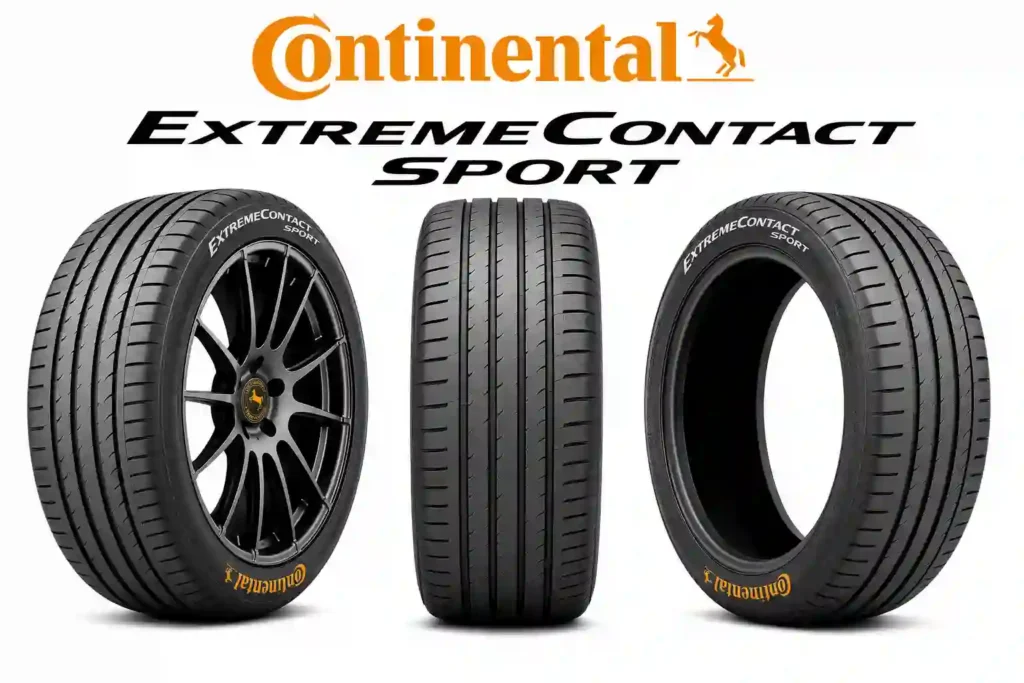
Quick Side-by-Side Spec Comparison
Let us look closely at the raw numbers for both summer tires. These exact specs show what each tire is built to do on the street.
| Tire Feature | Continental Sport 02 | Firestone Indy 500 |
| Tire Category | Max Performance Summer | Ultra-High Performance Summer |
| UTQG Treadwear | 340 | 340 |
| Traction Grade | AA | A |
| Temp Grade | A | A |
| Mileage Warranty | 30,000 Miles | None |
The table above shows a massive gap in tire mileage warranties. The Continental gives you a very nice 30,000-mile safety net. The Firestone offers no mileage warranty at all. This matters a lot for a daily driver.
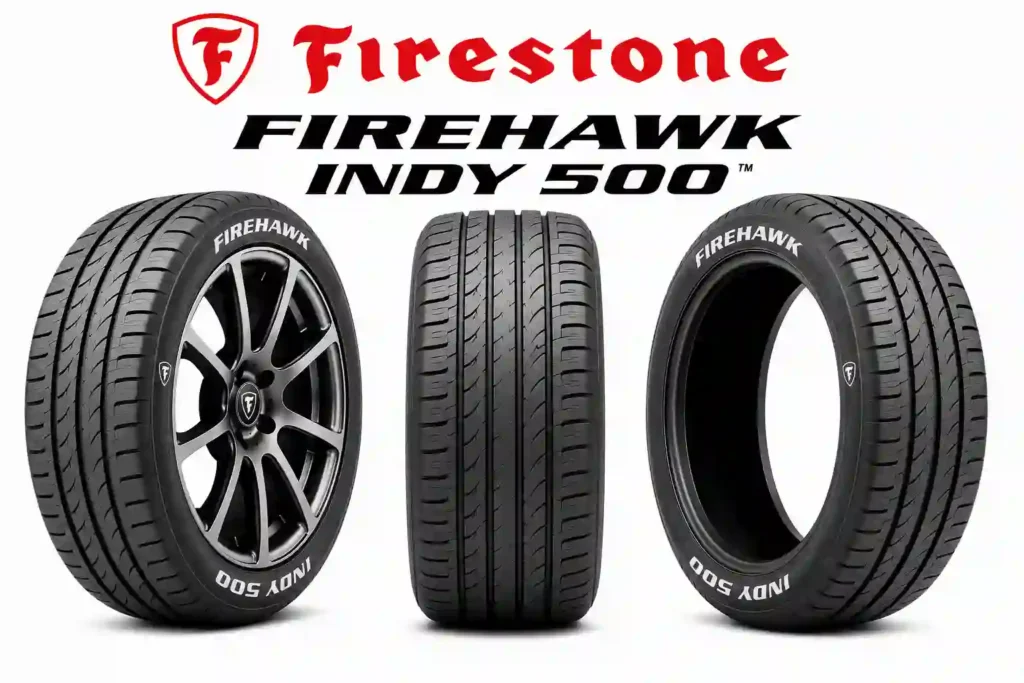
Performance Overview and Rubber Compounds
Both of these tires use a special summer rubber mix. Summer tires stay very sticky when the road surface gets hot. They do not work in the freezing cold.
Continental’s Sticky SportPlus Tech
Continental uses a very soft rubber mix for this sport tire. They call this their special SportPlus technology. It grips the hot road just like strong glue. It stays soft and safe even in wet weather.
Firestone’s Harder Silica Mix
Firestone uses a slightly firmer rubber compound for the Indy 500. It takes a bit more time to heat up on the road. Once it gets hot, it sticks very well. But it feels much stiffer on bad roads.
Dry Grip and Off-the-Line Acceleration
Dry grip is exactly why you buy a fast summer tire. Both tires grab dry roads very well during the summer. But they feel different when you press the gas pedal hard.
| Performance Metric | Continental Sport 02 | Firestone Indy 500 |
| Dry Road Traction | 9.5 / 10 | 9.0 / 10 |
| Launch Grip | 9.0 / 10 | 8.8 / 10 |
| Fast Cornering | 9.5 / 10 | 8.9 / 10 |
| Steering Feel | 9.4 / 10 | 8.5 / 10 |
As you can see, the Continental scores higher in pure dry grip. It hooks up much faster when you launch from a dead stop. The Firestone might spin just a little bit more.
Launching with the Continental
The Continental grabs the hot asphalt right away. The soft tread blocks bend and grip the flat road hard. You get very little wheel spin when you launch your car.
Hooking Up with Firestone
The Firestone needs some heat in the rubber first. If the tires are totally cold, they will spin and squeal slightly. Once warm, they hook up and push the car fast.
Cornering, Steering Response, and Apex Grip
A good sport tire must turn sharply on winding back roads. You want to feel the road through your steering wheel. Good steering feedback keeps you safe in very tight turns.
Hitting the Tight Apex
The Continental gives you instant, sharp steering response. You turn the wheel, and the car darts left or right fast. It feels very smooth, stable, and highly controlled at all times.
Sidewall Stiffness Wars
I remember mounting the Indy 500s on rims in my old shop. The rubber sidewalls are incredibly thick and extremely stiff. This stiff sidewall makes the Firestone feel very sharp in corners. But the stiff ride can also feel a bit jumpy.
“A stiff sidewall gives you a great weekend track day but a terrible daily commute. Always buy your tires for the roads you drive on most.”
Braking Distance on Dry and Wet Pavement
Stopping fast saves lives and stops bad car crashes. Fast braking is just as important as going very fast. Both tires stop well on dry roads. But wet roads tell a very different story.
| Road Condition | Continental Sport 02 | Firestone Indy 500 |
| Dry Braking | Excellent | Very Good |
| Wet Braking | Class-Leading | Average |
| Damp Road Braking | Very Good | Fair |
| Cold Ice Braking | Poor (Do Not Use) | Poor (Do Not Use) |
The braking data shows the Continental has a huge safety lead. The soft silica rubber helps the Continental stop much shorter. This happens mostly in heavy rain and fully wet conditions.
Hard Stops on Dry Roads
On a dry, hot day, both of these tires stop fast. The Firestone bites hard into the rough road surface. The Continental stops just a few feet shorter on average.
Emergency Wet Braking
If a car pulls out in front of you in rain, you want the Continental. The Firestone tends to slide a bit more during hard stops. You must brake earlier with the Firestones in the rain.
Wet Performance and Hydroplaning Resistance
Rain is the biggest danger for a summer sport tire. Hydroplaning is when your tire floats on top of deep water. You lose all steering control when this float happens.
| Wet Weather Feature | Continental Sport 02 | Firestone Indy 500 |
| Deep Water Grip | 9.5 / 10 | 7.5 / 10 |
| Hydroplane Resist | 9.0 / 10 | 7.8 / 10 |
| Wet Turn Grip | 9.2 / 10 | 7.4 / 10 |
| Wet Braking Feel | 9.3 / 10 | 7.2 / 10 |
The Continental completely destroys the Firestone in all wet tests. The deep tire grooves push heavy water out of the way fast. You stay glued to the road in bad rain storms.
Slicing Through Deep Puddles
I drove the Continental through a massive rainstorm on the highway once. I hit deep water puddles at heavy highway speeds. The car never twitched, pulled, or lost bad traction.
Avoiding the Scary Float
The Firestone looks very cool with its slick tread pattern. But those big flat blocks do not move water very well. Siping means tiny cuts in the rubber that grab wet roads. The Firestone lacks good siping, so you must slow down in rain.
High-Speed Stability and Track Capabilities
Driving fast on an open track requires a very stable tire. You want the car to feel firmly planted at high speeds. Both tires handle high speeds well, but they feel very different.
| Track Driving Metric | Continental Sport 02 | Firestone Indy 500 |
| High-Speed Feel | Very Stable | Slightly Twitchy |
| Extreme Heat Grip | High | Moderate |
| Steering Weight | Smooth | Heavy |
| Track Wear Rate | Normal | Fast |
This track data shows how each tire handles extreme heat. The Continental stays smooth and calm at very high speeds. The Firestone can feel a bit heavy and harsh on the track.
Fast Highway Cruising
The Continental shines during fast highway driving on straight roads. It tracks perfectly straight without you fighting the steering wheel. The car feels glued down and very safe for long trips.
Light Track Day Duty
I took a car with Firestones to a local open track day. The stiff sidewalls hold up very well in tight track corners. But the hard rubber gets greasy when it gets too hot.
Ride Comfort on Rough City Streets
Fast sports cars already have very stiff suspension parts. You do not want a tire that breaks your back. Comfort matters heavily if you drive the car every single day.
| Ride Comfort Metric | Continental Sport 02 | Firestone Indy 500 |
| Bump Absorption | 8.8 / 10 | 6.5 / 10 |
| Highway Noise | Very Quiet | Loud Hum |
| Tread Growl | Low | Moderate |
| Pothole Shock | Soft | Harsh |
The table proves that the Continental is a luxury sport tire. It absorbs small bumps very well on bad city roads. The Firestone lets you feel every tiny crack in the road.
Absorbing Bad Potholes
The Firestone is very harsh over deep city potholes. The stiff sidewall sends the hard shock right into your seat. The Continental soaks up the hard hit much better.
Cabin Noise Levels
The Firestone hums loudly when you hit high highway speeds. The large tread blocks slap the road and make noise. The Continental stays quiet, making long road trips very relaxing.
Tread Life for High-Performance Rubber
Fast summer tires wear out very quickly on the street. The soft sticky rubber simply burns away on the rough asphalt. You will buy summer tires much more often than standard tires.
UTQG Ratings Explained
UTQG is a treadwear grade stamped flat on the tire wall. Both tires have a 340 UTQG rating from the factory. This means they should last about the exact same amount of time.
Real-World Wear Rates
In the real world, fast driving ruins both tires quickly. I have seen guys burn through Firestones in just one summer. If you drive smoothly, you might get a few good years.
Price vs Performance Value Breakdown
Cost is the main reason people look at both tires. There is a huge price gap between the two distinct models. You must weigh the cost against the actual tire features.
| Total Value Metric | Continental Sport 02 | Firestone Indy 500 |
| Average Store Price | Premium / High | Budget / Low |
| Mileage Warranty | 30,000 Miles | None |
| Safety Value | Very High | Average |
| Overall Value | High | High |
You really get exactly what you pay for here. The Continental costs more but offers top grip and a warranty. The Firestone is cheap but lacks true wet grip safety.
The Upfront Cost Difference
A full set of Firestones will save you lots of cash. It is the best budget summer tire you can buy today. It looks very mean and drives great on totally dry days.
Long-Term Tire Value
The Continental is a much better long-term tire buy. If the tire wears out too fast, the warranty completely helps you. You have absolutely zero warranty protection with the cheap Firestone rubber.
“Cheap tires are great until it rains. Always factor in the hidden cost of wet weather safety when buying a summer performance tire.”
Comprehensive Pros and Cons List
Let us sum up the good and bad parts of both tires. This simple list helps you see the big picture quickly. It highlights the exact reasons why one specific tire wins.
| Tire Model | Major Pros | Major Cons |
| Continental | Best wet grip, quiet ride, full warranty | Costs much more cash |
| Firestone | Great dry grip, very cheap price, cool look | Bad wet grip, loud noise |
This table shows exactly who should buy each tire model. Avoid the Firestone completely if you live in a rainy place. Skip the Mud-Terrain style completely if you drive on the highway daily.
Which Performance Tire Is Actually Better?
The Continental ExtremeContact Sport 02 is clearly the better tire. It easily beats the Firestone in wet grip, fast braking, and comfort. It is a much safer and smarter daily driving choice.
Final Verdict: The Best Choice for Enthusiasts
If you have the extra cash, always buy the Continental tire. The wet road safety and smooth ride are well worth the money. But, if you live in a dry state and need a cheap track tire, the Firestone is fun. Go check your car door placard right now for your exact tire size, then measure your current tread depth to see if you need new rubber today!
