
Continental Premium Contact 6 vs Pirelli P Zero: Best Tire?

As a former tire technician with ten years of shop experience, I have mounted, balanced, and road-tested both of these premium summer tires. The Continental PremiumContact 6 is the overall winner for daily driving because it lasts longer, stops faster in the rain, and delivers a smoother ride. The Pirelli P Zero is built for dedicated track enthusiasts who crave razor-sharp steering and maximum dry apex grip above all else.
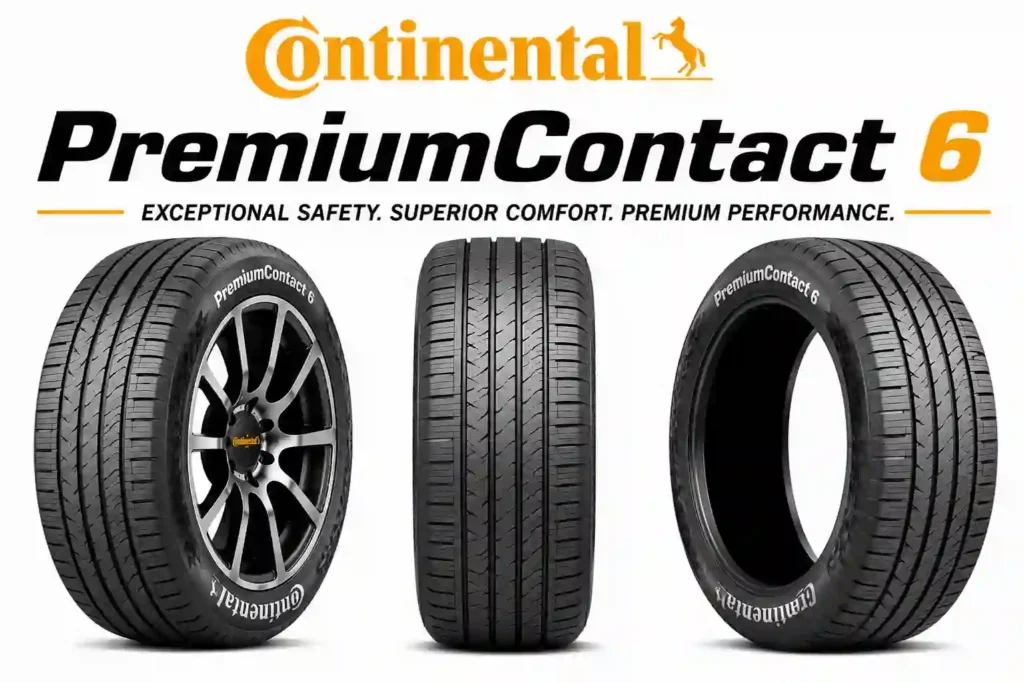
Showdown: Continental PC6 vs Pirelli P Zero
Both options belong to the max-performance summer category. They provide high road grip, but they serve two very different types of drivers.
Why The Continental PremiumContact 6 Wins Daily
The Continental wins for everyday street driving because its soft silica rubber stops fast without feeling harsh over bumps. It gives you true sports car grip while absorbing minor road impacts.
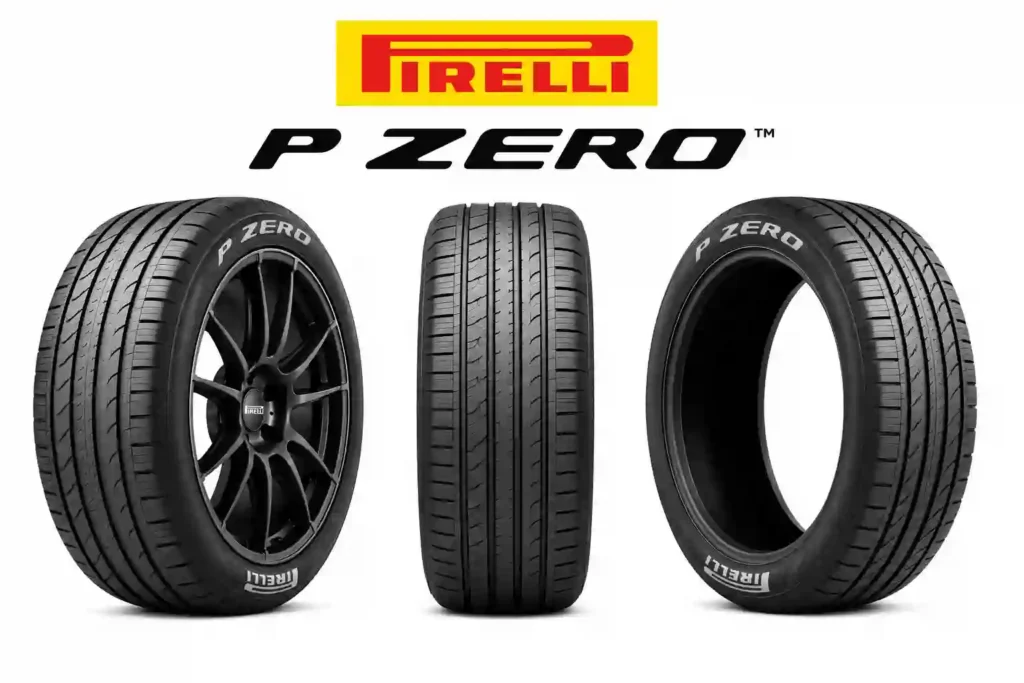
Who Should Avoid The Pirelli P Zero Tire
Skip the Pirelli P Zero if you drive long highway miles every single day. Its ultra-stiff sidewall transmits every bump into the cabin, and the soft tread compound wears down quickly.
Quick Side-by-Side Spec Comparison Table
Before buying, compare the key features of both tires side by side. Here is a breakdown of their main technical specifications.
| Spec Feature | Continental PremiumContact 6 | Pirelli P Zero |
| Tire Category | Max Performance Summer | Max Performance Summer |
| UTQG Rating | 280 A A | 220 AA A |
| Speed Rating | W / Y / Z | Y / Z |
| Tread Warranty | Standard Limited Warranty | Standard Limited Warranty |
| Max Air Pressure | 51 PSI | 50 PSI |
| Primary Compound | Safety Silica Rubber | Nano-Composite Polymer |
The Continental offers a higher UTQG rating, which stands for Uniform Tire Quality Grade. A higher number means the rubber compound resists friction wear much better over time.
Performance Overview and Rubber Compounds
Tire rubber compounds control how well a tire sticks to hot road pavement. Each brand uses a unique chemical mix to achieve high grip.
Real-World Summer Driving Scenarios
When cruising on hot summer asphalt, the Continental stays quiet, stable, and smooth. The Pirelli feels super sharp, giving immediate steering feedback the moment you turn the wheel into a fast curve.
Master Tech Note: Never mix soft summer tread compounds on the same axle. Matching tread stiffness is key for safe high-speed braking.
Dry Grip and Off-the-Line Acceleration
Dry traction depends heavily on the contact patch, which is the exact area of rubber touching the road.
Both tires launch fast off the line, but they handle high engine power differently under heavy acceleration.
| Dry Performance Metric | Continental PremiumContact 6 | Pirelli P Zero |
| Off-the-Line Launch | 9.0 out of 10 | 9.5 out of 10 |
| Straight Highway Stability | 9.5 out of 10 | 9.0 out of 10 |
| Dry Cornering Traction | 9.1 out of 10 | 9.8 out of 10 |
| Steering Feedback | 8.8 out of 10 | 9.7 out of 10 |
The Pirelli P Zero takes the lead in total dry cornering grip. Its wide shoulder tread blocks prevent rubber squirm when pushing hard through aggressive turns.
Cornering, Steering Response, Apex Grip
Taking sharp corners reveals how stiff a tire sidewall really is. A stiff sidewall stops the rubber tire from flexing sideways during fast turns.
Sharp Apex Grip for Sport Cars
When testing both tires through tight mountain curves, the Pirelli holds the apex line with zero delay. The Continental feels slightly softer at the steering wheel, but it remains predictable and easy to control.
Braking Distance on Dry and Wet Pavement
Short stopping distance is the single most important safety metric for any high-performance tire. Fast emergency stops keep your car safe.
The advanced silica compound inside the Continental helps it bite into dry and wet roads instantly when you slam down the brake pedal.
Wet Performance Hydroplaning Resistance
Hydroplaning happens when water builds up under the tread, making the tire float and lose control on wet highways.
Tires use deep water grooves and siping, which are tiny cuts in the tread blocks that pump standing water away from the tire.
| Wet Weather Metric | Continental PremiumContact 6 | Pirelli P Zero |
| Hydroplaning Resistance | 9.5 out of 10 | 8.5 out of 10 |
| Wet Cornering Safety | 9.2 out of 10 | 8.7 out of 10 |
| Heavy Rain Braking | 9.6 out of 10 | 8.8 out of 10 |
| Water Evacuation Speed | 9.4 out of 10 | 8.6 out of 10 |
The Continental wins wet road testing by a wide margin. Its deep center tread grooves channel heavy rainfall away from the rubber contact patch faster than the Pirelli design.
High-Speed Stability and Track Capabilities
If you take your sports car to weekend track events, high-speed heat management is critical for safety.
The Pirelli P Zero was developed directly on track facilities. It resists internal heat buildup much better during repeated hard laps around a race circuit.
Ride Comfort & Vibration on Rough Streets
High-performance tires are usually stiff, but ride comfort still matters for daily commute driving.
We measure NVH, which stands for Noise, Vibration, and Harshness felt inside your vehicle cabin.
| Comfort & NVH Score | Continental PremiumContact 6 | Pirelli P Zero |
| Pothole Bump Absorption | 9.0 out of 10 | 7.5 out of 10 |
| Cabin Quietness Level | 9.2 out of 10 | 7.8 out of 10 |
| Rough Road Smoothness | 8.9 out of 10 | 7.2 out of 10 |
| Long Distance Comfort | 9.3 out of 10 | 7.6 out of 10 |
The Continental PremiumContact 6 flexes just enough to absorb sharp pothole impacts smoothly. The Pirelli P Zero passes road vibrations straight into your steering wheel and car seat.
Road Noise Levels at Highway Speeds
Tread pattern layout changes how much air gets trapped under the rubber at 70 mph highway speeds.
The Continental uses noise-canceling tread blocks to break up air sound waves. The Pirelli produces a low hum when rolling across coarse concrete highways.
Tread Life for High-Performance Rubber
Treadwear is tracked by UTQG ratings, which measure how fast tire rubber wears down over distance.
Performance tires wear out faster than standard touring tires because their sticky rubber compound is much softer.
| Durability Metric | Continental PremiumContact 6 | Pirelli P Zero |
| UTQG Treadwear Score | 280 Grade | 220 Grade |
| Estimated Mileage Life | 30,000 Miles | 20,000 Miles |
| Rubber Tread Firmness | Balanced Compound | Extra Soft Compound |
| Wear Regularity Score | High Resistance | Moderate Resistance |
The Continental gives you up to 10,000 extra miles of tread life compared to the Pirelli. Its balanced compound resists uneven shoulder wear during regular daily commutes.
Shop Rule of Thumb: Check your wheel alignment every 6,000 miles. Soft performance rubber wears out twice as fast with bad toe angles.
Price vs Performance Value Breakdown
Total tire cost must be calculated over the full lifespan of the rubber, not just the upfront retail price.
Buying a tire that wears out fast ends up costing you far more money per mile driven over time.
| Cost & Value Metric | Continental PremiumContact 6 | Pirelli P Zero |
| Upfront Set Purchase Cost | Moderate-High | High |
| Calculated Cost Per Mile | Lower Cost | Higher Cost |
| Overall Value Score | 9.4 out of 10 | 8.1 out of 10 |
| Replacement Cycle | Every 3 to 4 Years | Every 2 to 3 Years |
The Continental offers significantly better long-term financial value. You pay less money upfront and get thousands of extra miles out of every single set.
Comprehensive Pros and Cons Breakdown
Here is a full breakdown of the primary strengths and weaknesses for both performance tires.
Review these key pros and cons carefully before making your final purchasing decision.
| Performance Model | Major Advantage Pros | Major Disadvantage Cons |
| Continental PremiumContact 6 | Longer tread life, top wet rain grip, quiet comfortable ride | Slightly softer steering feel at extreme track speeds |
| Pirelli P Zero | Track-ready dry cornering grip, ultra-sharp steering feel | Faster tread wear rate, firm stiff ride over bumps |
The Continental excels as a complete, balanced street tire. The Pirelli is tailored specifically for sports car drivers who prioritize track handling performance over daily comfort.
Which Performance Tire Is Better for You?
Choose the Continental PremiumContact 6 if you drive your sports car every day and want quiet cabin comfort, short wet braking distances, and longer tread life.
Choose the Pirelli P Zero if you participate in weekend track days and demand maximum dry cornering traction with lightning-fast steering wheel response.
Final Verdict: The Best Choice for Drivers
The Continental PremiumContact 6 is the clear overall winner for 90% of sports car owners. It strikes an ideal balance between extreme dry safety, top-tier wet braking, low noise, and long tread life.
Before ordering your new tires, check your driver-side door placard to confirm your vehicle’s exact tire size, load index, and speed rating requirements.
Is Continental PremiumContact 6 a summer tire?
Yes, it is a max-performance summer tire engineered specifically for warm roads, wet safety, and sharp dry handling above 45 degrees Fahrenheit.
Does Pirelli P Zero wear out faster?
Yes, the Pirelli P Zero features a lower 220 UTQG rating, meaning its sticky race-inspired rubber compound wears down faster than the Continental.
Which tire is quieter on the highway?
The Continental PremiumContact 6 is noticeably quieter during highway driving thanks to its specialized noise-canceling tread block pattern layout.
