
Tire Size for 8 Inch Rim

Choosing the right tire size for 8 inch rim ensures safety, performance, and longevity. This guide covers compatible sizes, load ratings, and expert tips to help you make the best decision for your vehicle.
Key Takeaways
- Standard tire sizes for 8 inch rims: Common options include 225/60R16, 245/75R16, and 265/70R17, depending on vehicle type and use.
- Aspect ratio matters: A lower aspect ratio means a shorter sidewall, improving handling but reducing ride comfort.
- Load index and speed rating are critical: Always match or exceed your vehicle’s original specifications for safety and performance.
- Off-road vs. on-road use: Larger, wider tires suit off-roading, while narrower profiles are better for city driving and fuel efficiency.
- Tire width compatibility: Most 8 inch rims support tire widths from 225mm to 275mm, but check manufacturer guidelines.
- Professional installation is recommended: Incorrect mounting can lead to imbalance, vibration, or even tire failure.
- Regular maintenance extends tire life: Check pressure, alignment, and tread depth monthly to ensure optimal performance.
📑 Table of Contents
- Understanding Tire Size for 8 Inch Rim: A Complete Guide
- What Does “8 Inch Rim” Actually Mean?
- How to Read Tire Size: Decoding the Numbers
- Recommended Tire Sizes for 8 Inch Rim
- Factors to Consider When Choosing a Tire Size
- Common Mistakes to Avoid
- Tips for Buying and Installing Tires
- Conclusion: Making the Right Choice
Understanding Tire Size for 8 Inch Rim: A Complete Guide
So, you’ve got an 8 inch rim and you’re wondering what tire size fits best? You’re not alone. Whether you’re upgrading your ride, replacing worn-out tires, or prepping your truck for off-road adventures, choosing the right tire size for 8 inch rim is more important than you might think. It’s not just about looks—though a well-fitted tire does make your vehicle look sharp. It’s about safety, performance, fuel efficiency, and how your car handles on the road.
Let’s be real: tire sizing can feel like decoding a secret language. Numbers, letters, ratios—it’s easy to get overwhelmed. But don’t worry. This guide breaks it all down in plain English. We’ll walk you through what those numbers mean, which sizes work with an 8 inch rim, and how to pick the best option for your driving needs. Whether you drive a rugged pickup, a lifted SUV, or a sporty crossover, we’ve got you covered.
What Does “8 Inch Rim” Actually Mean?
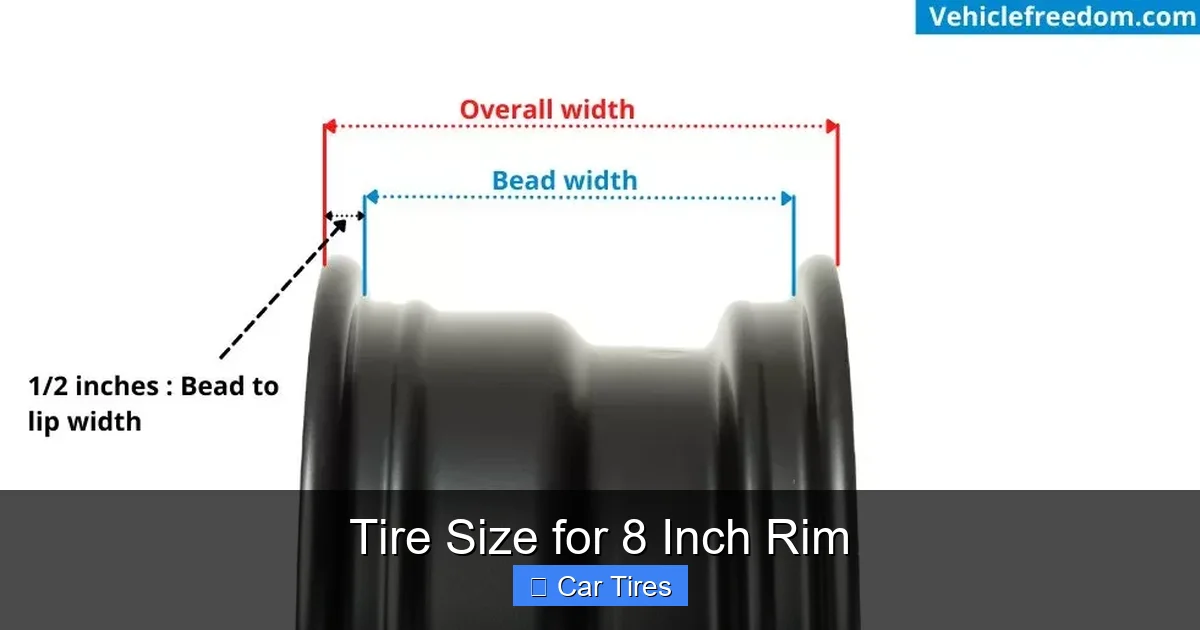
Before we dive into tire sizes, let’s clarify what an “8 inch rim” really means. The “8 inch” refers to the width of the wheel (or rim) measured from the inside edge of one bead seat to the other. This measurement is crucial because it determines which tire widths can safely and properly mount onto the wheel.
Visual guide about Tire Size for 8 Inch Rim
Image source: lh6.googleusercontent.com
Why Rim Width Matters
Rim width affects how the tire sits, how it contacts the road, and how it performs. A tire that’s too narrow for an 8 inch rim can bulge outward, increasing the risk of blowouts. On the flip side, a tire that’s too wide may not seat properly, leading to air leaks or uneven wear. The ideal tire width for an 8 inch rim typically falls between 225mm and 275mm, but we’ll get into specifics shortly.
Measuring Your Rim Correctly
If you’re unsure about your rim width, don’t guess. Use a tape measure to check the distance between the inner flanges of the wheel. Avoid measuring the outer edge—that includes the lip, which isn’t part of the functional width. For accuracy, measure in millimeters and convert to inches if needed (1 inch = 25.4mm). Most modern vehicles with 8 inch rims will have this info in the owner’s manual or on a sticker inside the driver’s door jamb.
How to Read Tire Size: Decoding the Numbers
Tire sizes look like a random string of numbers and letters—something like “245/75R16” or “265/70R17.” But each part has a specific meaning. Understanding this code is the first step to choosing the right tire size for 8 inch rim.
Visual guide about Tire Size for 8 Inch Rim
Image source: tirescamp.com
Breaking Down the Tire Size Code
Let’s use “245/75R16” as an example:
- 245: This is the tire width in millimeters. It’s the distance from one sidewall to the other when mounted and inflated.
- 75: This is the aspect ratio. It’s the height of the sidewall expressed as a percentage of the width. So, 75 means the sidewall is 75% of 245mm (about 184mm tall).
- R: This stands for Radial construction, which is the standard for modern tires.
- 16: This is the rim diameter in inches. It must match your wheel size—so for an 8 inch rim, this number will vary depending on the overall setup.
Why the Numbers Matter for 8 Inch Rims
While the last number (rim diameter) must match your wheel, the first two numbers—width and aspect ratio—determine if the tire fits your 8 inch rim. For example, a 245mm wide tire is a good match for an 8 inch rim, but a 315mm tire would be too wide and could cause handling issues or damage the wheel.
Recommended Tire Sizes for 8 Inch Rim
Now for the good stuff: which tire sizes actually work with an 8 inch rim? The answer depends on your vehicle type, driving conditions, and performance goals. Below are some of the most common and reliable tire sizes for 8 inch rims, broken down by use case.
Visual guide about Tire Size for 8 Inch Rim
Image source: wikihow.com
For Light Trucks and SUVs (On-Road Use)
If you drive a mid-size SUV or light-duty truck and mostly stick to paved roads, these sizes are ideal:
- 225/60R16: A balanced option for smaller SUVs. Offers good fuel economy and a smooth ride.
- 245/70R16: Slightly taller and wider, great for towing and highway stability.
- 265/70R17: A popular choice for lifted trucks. Provides extra ground clearance without sacrificing too much comfort.
These sizes fit well on 8 inch rims and maintain proper sidewall support. They’re also widely available and often come with good tread warranties.
For Off-Road and All-Terrain Driving
If you’re hitting trails, mud, or rocky terrain, you’ll want a tire that can handle the abuse. Here are some top picks:
- 265/75R16: Taller sidewall for better shock absorption. Great for rock crawling and uneven surfaces.
- 285/70R17: Wider footprint for improved traction. Ideal for mud-terrain or all-terrain tires.
- 255/75R17: A middle ground—good for mixed use, offering both off-road capability and on-road manners.
Keep in mind that wider tires (like 285mm) may require fender trimming or suspension lifts to avoid rubbing.
For Performance and Sporty Vehicles
While 8 inch rims aren’t typical on high-performance cars, some sport trucks and crossovers use them. In these cases, consider:
- 245/50R17: Lower profile for sharper handling and responsive steering.
- 255/55R18: Slightly taller, but still sporty. Good for performance SUVs like the Ford Explorer ST.
These sizes prioritize grip and cornering over comfort, so they’re best for drivers who value agility.
Factors to Consider When Choosing a Tire Size
Picking the right tire size for 8 inch rim isn’t just about matching numbers. Several factors come into play, and ignoring them can lead to poor performance or even safety risks.
Load Index and Speed Rating
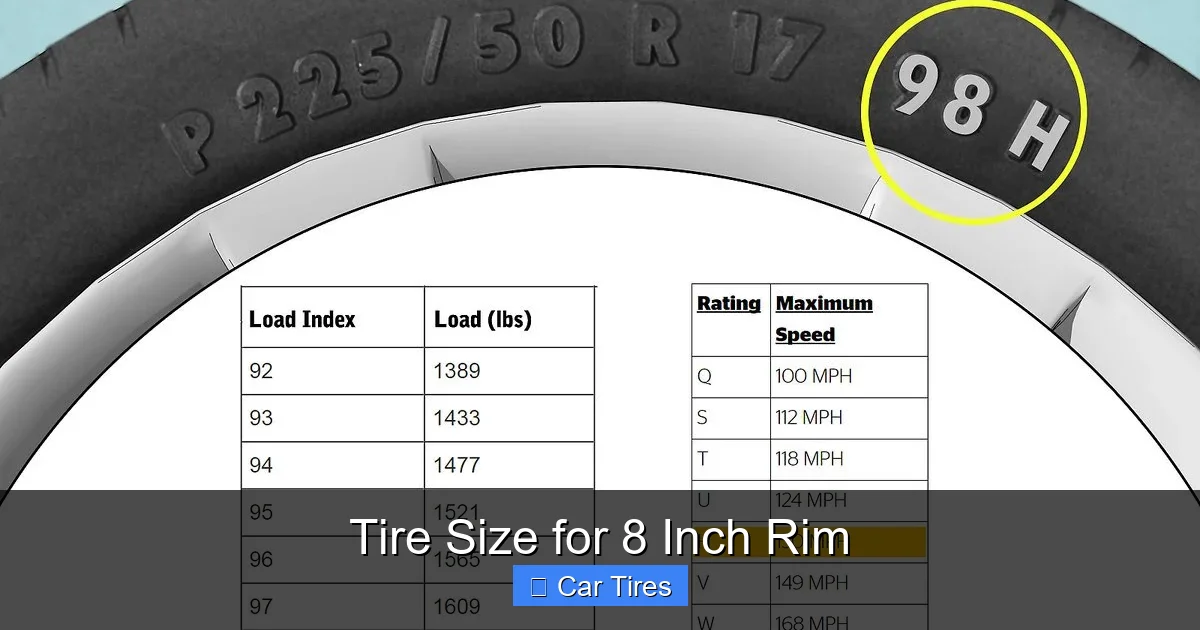
Every tire has a load index (how much weight it can carry) and a speed rating (maximum safe speed). These are usually listed as numbers and letters, like “112S” or “121R.”
- Load Index: For example, 112 means the tire can carry 1,120 kg (2,469 lbs) per tire. Always choose a tire with a load index equal to or higher than your vehicle’s original spec.
- Speed Rating: “S” = 112 mph, “R” = 106 mph, “T” = 118 mph, etc. Higher ratings are safer for highway driving.
Never downgrade these ratings. It’s not worth the risk.
Tire Width and Rim Compatibility
As a general rule, tire width should be about 1.5 to 2 times the rim width. For an 8 inch (203mm) rim, that means:
- Minimum tire width: ~225mm
- Maximum tire width: ~275mm
Tires outside this range may not seat properly or could wear unevenly. Always check the tire manufacturer’s fitment guide before buying.
Overall Diameter and Speedometer Accuracy
Changing tire size affects your vehicle’s overall diameter, which can throw off your speedometer and odometer. A larger tire will make your speedometer read slower than you’re actually going—dangerous on highways.
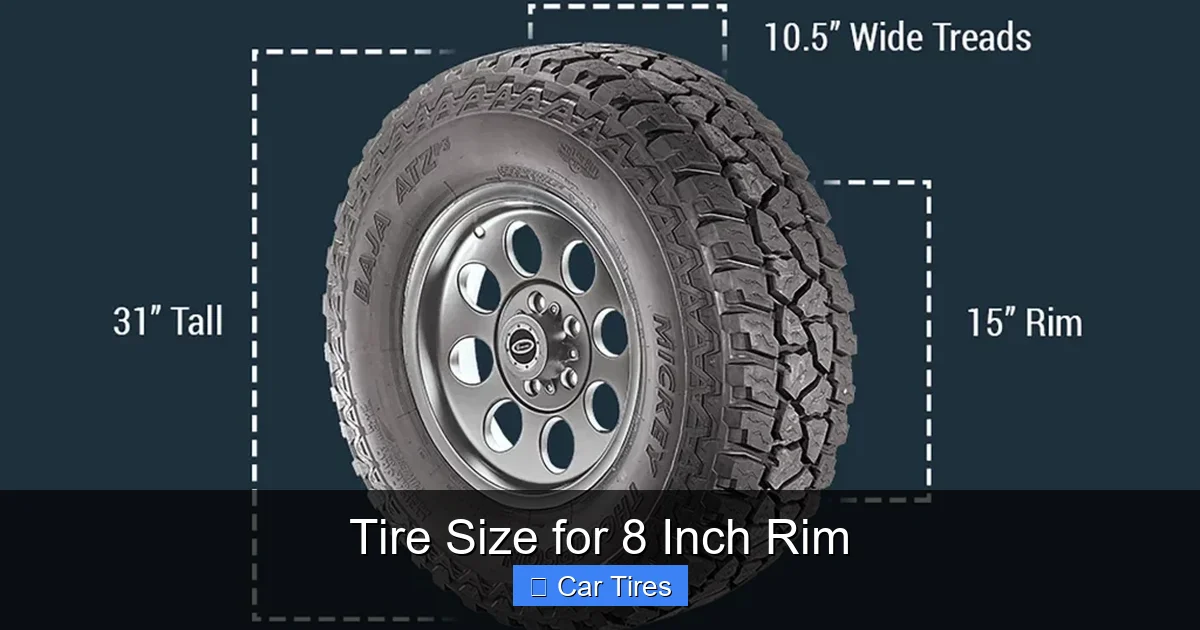
To avoid this, try to keep the overall diameter within 3% of the original tire. Use an online tire size calculator to compare options. For example, a 265/70R17 has a diameter of about 31.6 inches, while a 245/75R16 is 30.5 inches—both are close enough for most vehicles.
Fender Clearance and Suspension
Wider or taller tires may rub against fenders, suspension components, or wheel wells—especially when turning or going over bumps. If you’re upgrading to a larger size, inspect your wheel wells and consider:
- Adding a suspension lift
- Installing wheel spacers
- Trimming fender liners
Rubbing not only damages tires but can also cause steering issues or loss of control.
Common Mistakes to Avoid
Even experienced drivers make mistakes when choosing tires. Here are some common pitfalls and how to avoid them.
Ignoring Manufacturer Recommendations
Your vehicle’s owner’s manual lists the recommended tire size for a reason. It’s based on engineering tests for safety, handling, and emissions. Straying too far from these specs—even for aesthetic reasons—can void warranties or lead to accidents.
Choosing Tires Based on Looks Alone
Sure, a set of massive 35-inch tires looks intimidating, but if they don’t fit your 8 inch rim properly, you’re asking for trouble. Focus on function first, form second. A well-chosen tire will look great and perform well.
Skipping Professional Installation
Mounting tires isn’t a DIY job unless you have the right tools and experience. Improper mounting can cause imbalance, vibration, or even tire separation at high speeds. Always have your tires installed by a certified technician.
Neglecting Regular Maintenance
Even the best tire size for 8 inch rim won’t last if you ignore basic care. Check tire pressure monthly, rotate tires every 5,000–7,000 miles, and inspect for uneven wear. Proper maintenance can extend tire life by thousands of miles.
Tips for Buying and Installing Tires
Now that you know what to look for, here’s how to make the process smooth and stress-free.
Shop from Reputable Retailers
Buy from trusted tire shops or online retailers with good reviews. Look for brands like Michelin, Goodyear, BFGoodrich, or Cooper—they offer reliable performance and solid warranties. Avoid cheap, no-name tires; they often lack quality control.
Check for Rebates and Promotions
Many tire manufacturers offer seasonal rebates or buy-three-get-one-free deals. Sign up for email alerts or check retailer websites regularly. You could save hundreds.
Ask About Mounting and Balancing
Most shops include mounting, balancing, and valve stems in the price. Make sure this is included before you pay. Also, ask if they use nitrogen inflation—it helps maintain pressure longer and reduces oxidation.
Consider Road Hazard Protection
If you drive on rough roads or in areas with potholes, road hazard protection can save you money. It covers repairs or replacements if your tire is damaged by debris, nails, or curbs.
Conclusion: Making the Right Choice
Choosing the right tire size for 8 inch rim doesn’t have to be complicated. Start by understanding your rim width, decoding tire sizes, and considering your driving needs. Stick to recommended widths, respect load and speed ratings, and always prioritize safety over style.
Whether you’re cruising city streets, towing a trailer, or conquering mountain trails, the right tire will make all the difference. Take your time, do your research, and don’t hesitate to consult a professional. Your vehicle—and your peace of mind—will thank you.
Frequently Asked Questions
What is the best tire size for an 8 inch rim?
The best tire size for 8 inch rim depends on your vehicle and use. Common options include 245/75R16 for trucks and 265/70R17 for off-road vehicles. Always match the width and aspect ratio to your driving needs.
Can I use a 285 tire on an 8 inch rim?
A 285mm tire is on the wider side for an 8 inch rim but can work if the aspect ratio is low and your vehicle has enough clearance. Check manufacturer guidelines and consider fender modifications to avoid rubbing.
Will a wider tire improve traction?
Yes, a wider tire generally provides better traction due to a larger contact patch. However, it may reduce fuel efficiency and increase road noise. Balance width with your driving conditions.
How do I know if a tire fits my 8 inch rim?
Check the tire width—most 8 inch rims support 225mm to 275mm tires. Use a tire size calculator to compare overall diameter and ensure it’s within 3% of your original tire.
Can I mix different tire sizes on the same vehicle?
No, you should never mix different tire sizes on the same axle. It can cause handling issues, damage the differential, and lead to unsafe driving conditions.
Do I need to recalibrate my speedometer after changing tire size?
If the new tire’s overall diameter differs by more than 3%, yes. Use a GPS-based speedometer app or visit a shop to recalibrate for accurate readings.