
How to Turn Off the Back Seat Seatbelt Alarm in a Subaru

Wondering how to turn off the back seat seatbelt alarm in a Subaru? This guide walks you through safe, legal methods—including using the seatbelt buckle, disabling the sensor, or consulting your dealer. Always prioritize passenger safety and follow local laws.
Key Takeaways
- Understand why the alarm exists: The back seat seatbelt alarm is a safety feature designed to encourage seatbelt use and reduce injury risk in a crash.
- Check your owner’s manual first: Subaru provides model-specific guidance on seatbelt reminders and how to manage them.
- Use the seatbelt buckle method: Buckling and unbuckling the seatbelt multiple times can reset or disable the alarm on some models.
- Consider a seatbelt extender or sensor cover: These tools can trick the system into thinking the belt is fastened, but use them only when appropriate and legally allowed.
- Avoid permanent modifications: Cutting wires or disabling sensors permanently may void your warranty and compromise safety.
- Consult a Subaru dealer or technician: For persistent issues, professional help ensures compliance with safety standards.
- Know your local laws: In many regions, disabling seatbelt alarms for passengers is illegal—always check regulations before making changes.
📑 Table of Contents
Why Does My Subaru Have a Back Seat Seatbelt Alarm?
If you’ve ever driven a Subaru with passengers in the back seat, you’ve probably heard that persistent beeping when someone isn’t wearing their seatbelt. It’s not just annoying—it’s intentional. Subaru, like many modern automakers, includes seatbelt reminder systems to promote safer driving habits and reduce the risk of injury in accidents.
The back seat seatbelt alarm is part of a broader safety initiative. Studies show that seatbelts reduce the risk of fatal injury by up to 45% for front-seat passengers and 60% for rear-seat occupants. Subaru takes this seriously, equipping most of its newer models—such as the Outback, Forester, Crosstrek, and Ascent—with advanced restraint systems that monitor seatbelt usage in all seating positions.
These systems typically include weight sensors in the seats, buckle switches, and audible alerts. When the vehicle detects a passenger in the back seat (via weight) and the seatbelt isn’t fastened, the alarm kicks in. It usually starts with a chime and may escalate to a continuous beep until the belt is secured or the vehicle is turned off.
While the intention is safety, the alarm can become frustrating—especially if you’re carrying heavy items, pets, or mannequins in the back seat. That’s why many Subaru owners search for ways to silence it. But before you do anything, it’s important to understand the risks and responsibilities involved.
How the Seatbelt Alarm System Works
Subaru’s seatbelt reminder system is more sophisticated than a simple buckle switch. It uses a combination of sensors to determine whether a seat is occupied and whether the seatbelt is fastened.
First, the Occupant Detection System (ODS) uses pressure sensors embedded in the seat cushion. When a certain weight threshold is reached—usually around 50–60 pounds—the system registers that someone is sitting there. This is why placing a heavy backpack or suitcase in the back seat can trigger the alarm.
Second, the seatbelt buckle contains a microswitch. When the tongue is inserted into the buckle, the switch closes, signaling to the vehicle’s computer that the belt is fastened. If the seat is occupied but the buckle isn’t engaged, the Body Control Module (BCM) activates the warning chime.
The alarm typically begins when the vehicle reaches a certain speed—often 15–20 mph—and continues until the belt is fastened or the car is turned off. Some models also display a warning light on the dashboard.
Understanding this system helps explain why simply ignoring the beep doesn’t make it stop. The car is actively monitoring the situation, and it won’t let you off the hook easily.
Legal and Safety Implications
Before attempting to disable the back seat seatbelt alarm, it’s crucial to consider the legal and safety implications. In many U.S. states and countries, it’s illegal to disable seatbelt warning systems for passengers. For example, California, New York, and Texas all have laws requiring seatbelt use for all occupants, and tampering with safety systems can result in fines or failed inspections.
Even if it’s not explicitly illegal in your area, disabling the alarm undermines the purpose of the safety feature. Seatbelts save lives—especially in the back seat, where passengers are more vulnerable in side-impact or rollover crashes. The National Highway Traffic Safety Administration (NHTSA) reports that nearly 60% of rear-seat passengers killed in crashes were unrestrained.
Additionally, modifying your vehicle’s safety systems can void your warranty or affect insurance claims in the event of an accident. If an insurer discovers that safety features were disabled, they may deny coverage or reduce payouts.
So while the alarm might seem like a minor annoyance, it’s rooted in real safety concerns. Any attempt to disable it should be done thoughtfully and only when absolutely necessary—and always with passenger safety in mind.
Safe and Legal Ways to Silence the Back Seat Alarm
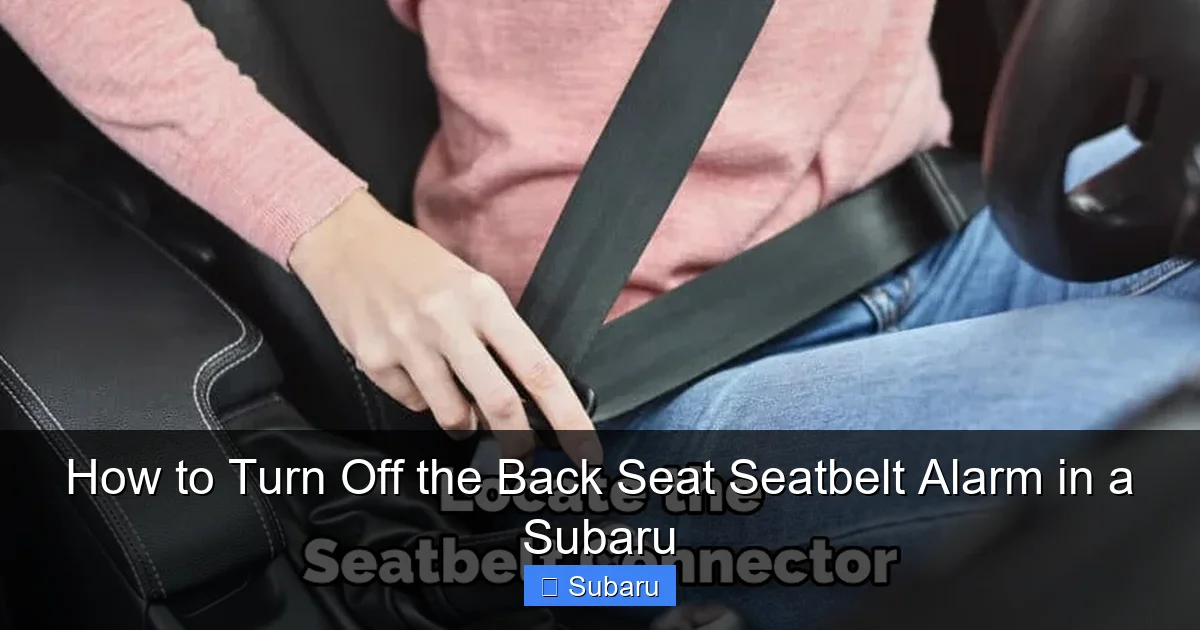
Visual guide about How to Turn Off the Back Seat Seatbelt Alarm in a Subaru
Image source: safetyfic.com
If you’ve weighed the risks and still need to silence the back seat seatbelt alarm—perhaps because you’re transporting cargo, a pet, or a child seat—there are several safe and legal methods to try. The key is to work within the system, not against it.
The first and most recommended approach is to consult your owner’s manual. Subaru often provides instructions for managing seatbelt reminders, and some models allow temporary deactivation through the vehicle settings menu.
For example, in newer Subarus with the STARLINK infotainment system, you may be able to access the “Vehicle Settings” menu and adjust the seatbelt chime volume or disable it for specific seats. This is the safest and most manufacturer-approved method.
If your model doesn’t offer this option, try the seatbelt buckle method. This involves buckling and unbuckling the seatbelt several times in a specific sequence to reset the system. While not officially documented by Subaru, many owners report success with this technique.
Another option is to use a seatbelt extender or a dummy buckle. These devices simulate a fastened seatbelt by completing the circuit in the buckle. However, they should only be used when the seat is not occupied by a person—using them to bypass the alarm for a passenger is unsafe and potentially illegal.
Always remember: the goal isn’t to eliminate the alarm entirely, but to manage it responsibly. If you frequently carry items in the back seat, consider using cargo nets or barriers to prevent them from triggering the weight sensor.
Using the Seatbelt Buckle Method
One of the most common DIY fixes for the back seat seatbelt alarm is the “buckle method.” This technique works by tricking the vehicle’s computer into thinking the seatbelt has been properly used, thereby resetting the alarm.
Here’s how to do it:
1. Turn the ignition to the “ON” position (but don’t start the engine).
2. Sit in the back seat or place a heavy object (like a bag of books) on the seat to trigger the weight sensor.
3. Buckle the seatbelt.
4. Wait 5–10 seconds.
5. Unbuckle the seatbelt.
6. Repeat this cycle 3–5 times.
7. After the final unbuckling, wait 30 seconds before turning off the ignition.
Many Subaru owners report that this sequence resets the seatbelt reminder system, especially on models from 2015–2020. It’s not guaranteed to work on all vehicles, but it’s worth a try before moving to more invasive solutions.
If the alarm persists, try driving the vehicle for a short distance (under 10 mph) with the seatbelt buckled, then unbuckle it once you’ve stopped. This sometimes helps the system recognize that the seat is no longer occupied.
Keep in mind that this method may only provide a temporary fix. The alarm could return the next time the vehicle detects weight on the seat. For a more permanent solution, you may need to explore other options.
Using a Seatbelt Extender or Dummy Buckle
If you frequently carry heavy items in the back seat—like luggage, tools, or sports equipment—you might consider using a seatbelt extender or a dummy buckle. These devices are designed to mimic a fastened seatbelt, preventing the alarm from activating.
A seatbelt extender is a short strap that connects to the existing buckle and provides a longer tongue. You can buckle the extender when the seat is occupied by cargo, which satisfies the system’s requirement for a fastened belt.
A dummy buckle, on the other hand, is a small device that plugs into the seatbelt receptacle and completes the electrical circuit. It’s essentially a “fake” buckle that tricks the car into thinking the belt is fastened.
These tools are widely available online and at auto parts stores. However, they should only be used when the seat is not occupied by a person. Using a dummy buckle to bypass the alarm for a passenger is dangerous and could be considered negligent in the event of an accident.
When using these devices, make sure they are securely installed and don’t interfere with the seatbelt’s normal operation. Also, remove them when passengers are present to ensure they can fasten their belts properly.
Adjusting Settings via the Infotainment System
On newer Subaru models equipped with the STARLINK system, you may be able to adjust or disable the seatbelt chime through the vehicle’s settings menu. This is the most user-friendly and manufacturer-supported method.
To access these settings:
1. Turn on the ignition.
2. Press the “Menu” button on the steering wheel or touchscreen.
3. Navigate to “Settings” > “Vehicle” > “Seatbelt Chime” or “Safety Reminders.”
4. Look for options to disable the chime for the rear seats or reduce its volume.
Not all models offer this feature, and the exact menu path may vary. For example, the 2022 Subaru Outback allows you to turn off the seatbelt chime for the rear seats, but the 2020 Forester may not. Always refer to your owner’s manual for model-specific instructions.
If you can’t find the option, check for software updates. Subaru occasionally releases updates that add new features or improve existing ones. A visit to your local dealer can help ensure your system is up to date.
When to Consult a Subaru Dealer or Technician
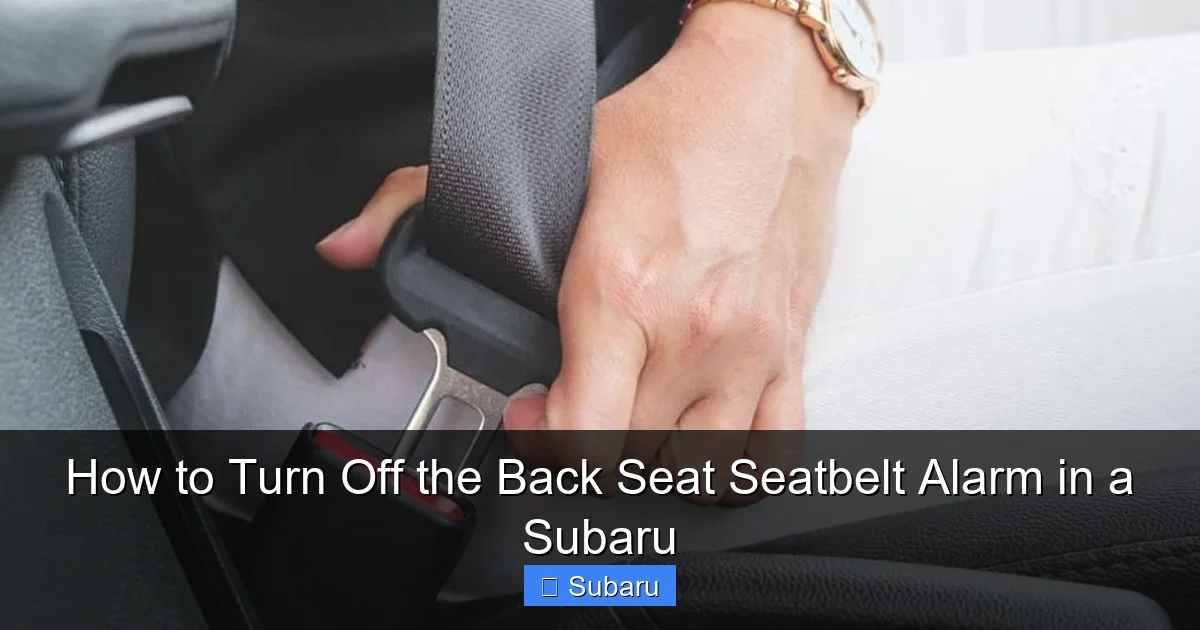
Visual guide about How to Turn Off the Back Seat Seatbelt Alarm in a Subaru
Image source: safetyfic.com
If DIY methods don’t work—or if you’re uncomfortable making modifications yourself—it’s time to consult a professional. Subaru dealers and certified technicians have access to diagnostic tools and factory training that can help resolve persistent seatbelt alarm issues.
A technician can use a Subaru Select Monitor (SSM) tool to read fault codes and determine why the alarm is triggering. Sometimes, the issue isn’t the alarm itself, but a faulty sensor or wiring problem. For example, a damaged weight sensor in the seat cushion might falsely detect an occupant, causing the alarm to sound even when the seat is empty.
In such cases, the technician can repair or recalibrate the sensor, eliminating the need to disable the alarm altogether. This is a safer and more reliable solution than trying to bypass the system.
Additionally, if you’ve recently installed aftermarket seats, child restraints, or cargo barriers, these modifications might interfere with the seatbelt detection system. A technician can assess whether the installation is compatible and make adjustments if needed.
Visiting a dealer also ensures that any changes are documented and won’t affect your warranty. Subaru takes safety seriously, and unauthorized modifications could lead to complications down the road.
What to Expect During a Service Visit
When you bring your Subaru to a dealer for seatbelt alarm issues, the technician will likely start with a visual inspection. They’ll check the seatbelt buckles, wiring, and seat sensors for damage or wear.
Next, they’ll connect the SSM tool to the vehicle’s OBD-II port and scan for diagnostic trouble codes (DTCs). Common codes related to seatbelt systems include B1650 (seatbelt switch circuit) and B1676 (occupant detection sensor).
If a fault is found, the technician will recommend repairs. This might involve replacing a faulty buckle switch, recalibrating the weight sensor, or updating the vehicle’s software.
In some cases, the technician may be able to disable the alarm through the vehicle’s programming—especially if you frequently carry cargo and don’t have passengers in the back. However, this is at the dealer’s discretion and may not be available in all regions due to legal restrictions.
Always ask for a detailed explanation of any work performed and keep a copy of the service record. This documentation can be helpful if you sell the vehicle or need to prove compliance with safety standards.
Alternative Solutions and Workarounds
Visual guide about How to Turn Off the Back Seat Seatbelt Alarm in a Subaru
Image source: safetywish.com
If you’re not ready to visit a dealer or prefer a hands-on approach, there are a few alternative solutions to consider. These workarounds are not officially endorsed by Subaru, so use them with caution and only when appropriate.
One option is to place a thin piece of foam or rubber under the seat cushion to reduce pressure on the weight sensor. This can prevent the system from detecting light objects, though it may also affect the accuracy of the occupant detection system.
Another idea is to use a seatbelt clip—a small plastic device that holds the seatbelt tongue in place without inserting it into the buckle. While this stops the alarm, it doesn’t actually fasten the belt, so it’s only safe when the seat is unoccupied.
You can also try covering the seat with a heavy blanket or towel. Some owners report that this dampens the sensor’s response, though results vary by model and material.
For pet owners, consider using a crash-tested pet harness that connects to the seatbelt. This keeps your pet secure and may prevent the alarm from triggering if the harness mimics a fastened belt.
Remember, these are temporary fixes. They don’t address the root cause of the problem and may not work reliably. For long-term peace of mind, professional diagnosis and repair are the best options.
Preventing False Alarms in the Future
To minimize the chances of the back seat seatbelt alarm going off unexpectedly, take a few preventive steps:
– Avoid placing heavy items directly on the seat. Use the cargo area or secure items with straps.
– Use cargo barriers or nets to keep items from shifting onto the seats.
– Clean the seat sensors periodically. Dirt, moisture, or debris can interfere with their function.
– Check for recalls or service bulletins related to seatbelt systems. Subaru occasionally issues updates for known issues.
By maintaining your vehicle and being mindful of how you use the back seat, you can reduce the likelihood of false alarms and keep your Subaru running smoothly.
Final Thoughts: Balancing Convenience and Safety
The back seat seatbelt alarm in your Subaru is more than just a noise—it’s a vital safety feature designed to protect everyone in the vehicle. While it can be annoying, especially when carrying cargo, it’s there for a reason.
Before attempting to disable it, ask yourself: Is this truly necessary? Could there be a safer alternative? Always prioritize passenger safety and comply with local laws.
If you must silence the alarm, use manufacturer-approved methods first. Try the settings menu, the buckle method, or consult your dealer. Avoid permanent modifications or unsafe workarounds.
Ultimately, the goal isn’t to eliminate the alarm, but to use your Subaru responsibly. Whether you’re driving with family, friends, or freight, safety should always come first.
With the right approach, you can enjoy a quieter ride without compromising on protection. And that’s something every Subaru owner can appreciate.
Frequently Asked Questions
Can I permanently disable the back seat seatbelt alarm in my Subaru?
Permanently disabling the alarm is not recommended and may be illegal in your area. Subaru does not provide an official method for permanent deactivation, and doing so could void your warranty or affect insurance coverage.
Will using a dummy buckle damage my Subaru’s electrical system?
A properly designed dummy buckle should not damage the electrical system, as it simply completes the circuit like a real buckle. However, low-quality or improperly installed devices could cause issues, so choose reputable products and use them only when the seat is unoccupied.
Why does the alarm go off when there’s no one in the back seat?
The alarm may trigger if a heavy object is placed on the seat, activating the weight sensor. Items like luggage, pet carriers, or boxes can be heavy enough to be detected as an occupant.
Can I turn off the seatbelt alarm for just one rear seat?
Some newer Subaru models allow you to disable the chime for specific seats via the infotainment system. Check your owner’s manual or vehicle settings menu to see if this option is available.
Is it safe to drive with the seatbelt alarm disabled?
Driving with the alarm disabled is safe only if no passengers are in the back seat. If passengers are present, they must wear seatbelts—disabling the alarm does not eliminate the need for proper restraint.
Will a Subaru dealer disable the seatbelt alarm for me?
Dealers may disable the alarm in certain circumstances, such as frequent cargo transport, but this depends on local laws and dealership policies. They will not disable it for passenger use due to safety and legal concerns.
