How to Turn Off Avh on Subaru Ascent

Contents
- 1 Key Takeaways
- 2 📑 Table of Contents
- 3 What Is AVH on the Subaru Ascent?
- 4 Why You Might Want to Turn Off AVH
- 5 Step-by-Step Guide: How to Turn Off AVH on Subaru Ascent
- 6 Troubleshooting Common AVH Issues
- 7 Safety Tips When Disabling AVH
- 8 Final Thoughts: AVH Is a Tool—Use It Wisely
- 9 Frequently Asked Questions

Car Seat Cover (Universal Fit)

Engine Flush Cleaner

Carburetor Cleaner

Tire Pressure Monitoring System (TPMS)
Turning off AVH (Auto Vehicle Hold) on your Subaru Ascent is simple and can be done in seconds using the dashboard button. This feature helps keep your vehicle stationary at stops, but some drivers prefer to disable it for smoother driving. Whether you’re parking on a hill or just want more control, this guide walks you through everything you need to know.
If you’ve ever driven a Subaru Ascent, you’ve probably noticed a little green light on your dashboard that says “AVH.” It might have blinked when you stopped at a red light or paused on a hill. That’s your Auto Vehicle Hold system in action—and while it’s designed to make driving easier and safer, it’s not always what every driver wants. Some find it helpful; others find it intrusive. If you’re in the latter group, you’re not alone. Many Subaru Ascent owners ask: “How do I turn off AVH?” The good news? It’s easier than you think.
The AVH system is one of Subaru’s smart safety features, engineered to reduce driver fatigue and prevent rollback on inclines. When engaged, it automatically holds your vehicle in place after you come to a complete stop—no need to keep your foot on the brake or shift into park. It’s especially handy in stop-and-go traffic or when waiting at a stop sign on a hill. But let’s be honest: sometimes you just want full control. Maybe you’re parking on a steep driveway, towing a trailer, or simply prefer the traditional feel of manually managing your brakes. Whatever your reason, knowing how to turn off AVH on your Subaru Ascent gives you more flexibility behind the wheel.
In this guide, we’ll walk you through everything you need to know about AVH—what it is, how it works, when to use it, and most importantly, how to turn it off. We’ll also cover common concerns, safety tips, and answers to frequently asked questions. Whether you’re a new Ascent owner or just exploring your vehicle’s features, this article will help you drive with confidence and control.
Key Takeaways
- AVH stands for Auto Vehicle Hold: It automatically holds your Subaru Ascent in place when you come to a stop, preventing rollback on inclines.
- It can be turned off easily: Press and hold the AVH button on the center console to disable the feature temporarily or until manually reactivated.
- Disabling AVH is useful in certain situations: Such as when parking on steep hills, towing, or when you prefer manual brake control.
- AVH reactivates after ignition cycles: The system resets to “on” each time you restart the vehicle, so you may need to turn it off again.
- Safety first: Always ensure your foot is on the brake when disabling AVH, especially on slopes, to avoid unintended movement.
- Check your owner’s manual: For model-specific instructions and troubleshooting tips related to your Subaru Ascent trim and year.
- AVH works with other safety systems: It integrates with Hill Start Assist and Electronic Parking Brake for enhanced control.
📑 Table of Contents
What Is AVH on the Subaru Ascent?
Before we dive into how to turn off AVH, let’s first understand what it actually does. AVH stands for Auto Vehicle Hold, and it’s a driver-assist feature found on most modern Subaru Ascent models. Think of it as a temporary parking brake that kicks in automatically when you stop. Once your foot leaves the brake pedal, AVH holds the vehicle in place—no need to shift into park or keep your foot pressed down. This is especially useful in heavy traffic or on hills, where you might otherwise worry about rolling backward.
The system works by using the vehicle’s electronic brake system to apply gentle pressure to the rear wheels. It activates when the vehicle comes to a complete stop, the driver’s door is closed, and the seatbelt is fastened. A green AVH indicator light will appear on the dashboard to confirm it’s active. When you press the accelerator, the system releases automatically, allowing you to move forward smoothly.
One of the biggest benefits of AVH is that it reduces driver fatigue. Imagine sitting in traffic for 20 minutes—constantly pressing the brake pedal can get tiring. With AVH, you can relax your foot and let the car do the work. It also helps prevent rollback on steep inclines, which is a huge plus for new drivers or those navigating hilly terrain.
However, AVH isn’t perfect for every situation. Some drivers find it annoying when parking on very steep driveways, as the system may hold the car too firmly, making it harder to creep forward. Others dislike the slight delay when releasing the brake, especially in tight parking spots. And if you’re towing a trailer or driving in low-traction conditions, you might prefer manual control over your brakes.
How AVH Works with Other Subaru Safety Systems
It’s important to note that AVH doesn’t work in isolation. It’s part of a broader suite of safety and convenience features on the Subaru Ascent. For example, it integrates with the Hill Start Assist system, which prevents rollback when starting on an incline. It also works alongside the Electronic Parking Brake (EPB), which you can activate manually when parked.
When AVH is active, it temporarily takes over from the regular brake system. But if you press the brake pedal again, AVH disengages, and normal braking resumes. This seamless transition ensures you always have control. The system also monitors vehicle speed, brake pressure, and gear position to determine when to activate or deactivate.
One thing to keep in mind: AVH only works when the vehicle is in Drive (D) or Reverse (R). It won’t activate in Park (P) or Neutral (N). Also, if the driver’s door is open or the seatbelt is unbuckled, AVH won’t engage—this is a safety measure to prevent accidental activation.
Why You Might Want to Turn Off AVH
So, why would anyone want to turn off such a helpful feature? The truth is, while AVH is great in many situations, it’s not ideal for all driving scenarios. Here are some common reasons why Subaru Ascent owners choose to disable AVH:
First, parking on steep hills can be tricky with AVH engaged. If you’re trying to park on a driveway that’s nearly vertical, the system might hold the car too firmly, making it difficult to inch forward slowly. This can be frustrating, especially if you’re trying to align your wheels or avoid scraping the bumper.
Second, towing a trailer or carrying heavy loads can affect how AVH behaves. The added weight changes the vehicle’s dynamics, and the system might not respond as expected. In these cases, drivers often prefer to manage braking manually for better control.
Third, some drivers simply prefer the traditional driving experience. They like feeling the brake pedal under their foot and having full, immediate control over when the car moves. AVH introduces a slight delay between releasing the brake and moving forward, which can feel unnatural to some.
Fourth, in low-traction conditions—like snow, ice, or mud—AVH might not be the best choice. The system applies brake pressure to hold the vehicle, but this can sometimes cause wheels to lock or skid if the surface is slippery. Manual braking allows for more nuanced control in these situations.
Finally, if you’re driving in tight spaces—like a crowded parking garage or a narrow alley—you might find AVH gets in the way. The system holds the car firmly, which can make slow, precise movements more difficult.
When It’s Best to Keep AVH On
That said, there are plenty of times when AVH is incredibly useful. In stop-and-go traffic, it’s a lifesaver. You can stop at a light, take your foot off the brake, and relax while the car stays put. It’s also great for new drivers who are still getting comfortable with hill starts. No more stalling or rolling backward—just smooth, confident driving.
If you frequently drive in hilly areas, AVH can make your life much easier. Whether you’re navigating mountain roads or city streets with steep inclines, the system helps prevent rollback and reduces stress.
Ultimately, whether to use AVH comes down to personal preference and driving conditions. The good news is, you can turn it on or off as needed—no permanent changes required.
Step-by-Step Guide: How to Turn Off AVH on Subaru Ascent
Now for the main event: how to actually turn off AVH on your Subaru Ascent. The process is simple and takes just a few seconds. Here’s how to do it:
Step 1: Start your vehicle and ensure it’s in Park (P). Make sure the engine is running and all systems are active.
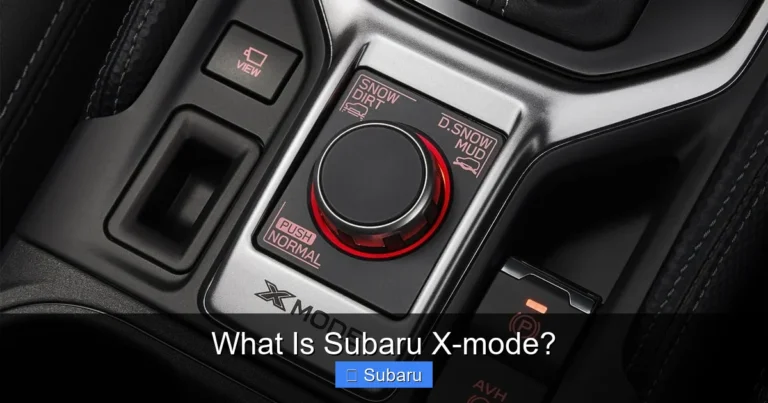
Step 2: Locate the AVH button. It’s usually found on the center console, near the gear shifter. Look for a button labeled “AVH” with a small icon that looks like a car with a brake symbol. On some models, it may be integrated into the Electronic Parking Brake (EPB) switch.
Step 3: Press and hold the AVH button for about 2–3 seconds. You’ll hear a chime or see a message on the dashboard indicating that AVH has been disabled. The green AVH indicator light on the instrument panel will turn off.
Step 4: Confirm the system is off. To test, shift into Drive (D), come to a complete stop, and release the brake pedal. The vehicle should begin to roll slightly (on a flat surface) or require you to press the accelerator to move. If it stays put without your input, AVH is still on—try pressing the button again.
Step 5: To reactivate AVH, simply press the button again. The green light will return, and the system will be ready to use.
Important Notes and Tips
– AVH resets to “on” every time you restart the vehicle. So if you turn it off, you’ll need to disable it again after turning the car back on.
– Always ensure your foot is on the brake when disabling AVH, especially on slopes. This prevents unintended movement.
– If the AVH button doesn’t respond, check your owner’s manual. Some trims or model years may have slightly different controls.
– The system may not work if the battery is low or if there’s a fault in the brake system. If you notice issues, have your vehicle inspected by a Subaru technician.
Troubleshooting Common AVH Issues
Even though turning off AVH is straightforward, you might run into a few hiccups. Here are some common issues and how to fix them:
AVH Won’t Turn Off
If pressing the AVH button doesn’t disable the system, first check that the vehicle is in Park and the engine is running. Sometimes the system won’t respond if the car is in gear or the ignition is off. Also, make sure you’re pressing and holding the button for at least 2 seconds—a quick tap may not register.
If the button still doesn’t work, try turning the car off and back on. This resets the electronic systems and often resolves minor glitches. If the problem persists, consult your owner’s manual or visit a Subaru service center.
AVH Light Stays On But System Isn’t Working
Sometimes the AVH indicator light remains on, but the system doesn’t actually hold the vehicle. This could be due to a sensor issue or low brake fluid. Check your brake fluid level and top it off if needed. If the problem continues, have a technician inspect the brake system.
AVH Activates When You Don’t Want It To
If AVH turns on unexpectedly—like when you’re trying to park slowly—it might be due to a software glitch or a stuck button. Try cleaning around the AVH button with a soft cloth to remove any debris. If the issue continues, a system reset or software update may be needed.
Safety Tips When Disabling AVH
Disabling AVH gives you more control, but it also means you’re responsible for managing the brakes manually. Here are some safety tips to keep in mind:
Always keep your foot on the brake when stopped, especially on hills. Without AVH, the car can roll if you release the pedal too soon.
Use the parking brake when parked on an incline. Even with AVH off, the Electronic Parking Brake (EPB) can help secure the vehicle.
Be extra cautious in wet or icy conditions. Manual braking requires more attention and skill on slippery surfaces.
Practice in a safe, open area if you’re new to driving without AVH. Get a feel for how the car responds when you release the brake.
Final Thoughts: AVH Is a Tool—Use It Wisely
The Auto Vehicle Hold system on the Subaru Ascent is a smart, helpful feature—but it’s not mandatory. Whether you love it or hate it, knowing how to turn off AVH gives you more control over your driving experience. It’s all about using the right tool for the right situation.
For daily commuting and hilly drives, AVH can be a game-changer. But for parking, towing, or low-traction driving, turning it off might be the better choice. The key is understanding how it works and when to use it.
At the end of the day, your Subaru Ascent is designed to adapt to your needs. With features like AVH, Hill Start Assist, and the Electronic Parking Brake, you have a full suite of tools to drive safely and confidently. Use them wisely, and you’ll get the most out of every mile.
Frequently Asked Questions
Can I permanently turn off AVH on my Subaru Ascent?
No, AVH cannot be permanently disabled. It resets to “on” every time you restart the vehicle. You’ll need to turn it off manually after each ignition cycle if you prefer it disabled.
Will turning off AVH affect my warranty?
No, disabling AVH does not void your warranty. It’s a standard feature that can be turned on or off by the driver and is not considered a modification.
Does AVH work in Reverse?
Yes, AVH works in both Drive (D) and Reverse (R). It will hold the vehicle when you come to a stop in reverse, just like in forward gear.
Why won’t AVH turn off when I press the button?
This could be due to the vehicle being in gear, low battery, or a system glitch. Try restarting the car or checking the owner’s manual for model-specific instructions.
Is AVH the same as Hill Start Assist?
No, they’re different systems. Hill Start Assist prevents rollback when starting on a hill, while AVH holds the vehicle after a complete stop. They often work together but serve different purposes.
Can I use AVH while towing?
It’s not recommended. Towing changes the vehicle’s weight and dynamics, which can affect how AVH performs. Most drivers prefer to disable AVH when towing for better control.