
What Is the Towing Capacity of a Subaru Crosstrek

The Subaru Crosstrek offers a towing capacity ranging from 1,500 to 2,000 pounds, depending on the model year and drivetrain. While not built for heavy-duty towing, it’s perfect for small trailers, kayaks, or pop-up campers when properly equipped.
If you’re considering buying a Subaru Crosstrek—or you already own one—you’ve probably wondered: “What can this little SUV actually tow?” It’s a fair question. The Crosstrek has earned a reputation as a versatile, fuel-efficient, and adventure-ready compact crossover. But when it comes to hauling gear, trailers, or recreational equipment, how much muscle does it really have?
The short answer? Not a ton—but enough for most everyday needs. The Subaru Crosstrek isn’t designed to pull heavy trailers or full-sized campers like a pickup truck or full-size SUV might. Instead, it’s built for light-duty towing that complements its outdoor lifestyle appeal. Whether you’re heading to the lake with a kayak trailer, hauling a small utility load to a job site, or towing a lightweight pop-up camper for a weekend getaway, the Crosstrek can handle it—if you do it right.
Understanding the towing capacity of your Subaru Crosstrek isn’t just about numbers on a spec sheet. It’s about knowing your vehicle’s limits, preparing properly, and making smart decisions on the road. In this guide, we’ll break down everything you need to know about the Crosstrek’s towing capabilities, from model-year differences and required equipment to real-world examples and safety tips. By the end, you’ll know exactly what your Crosstrek can—and can’t—do when it comes to towing.
Key Takeaways
- Towing capacity varies by model year and trim: Earlier models (2013–2017) typically tow up to 1,500 lbs, while newer models (2018–present) with the optional towing package can handle up to 2,000 lbs.
- All-wheel drive is standard: The Crosstrek’s Symmetrical All-Wheel Drive enhances traction and stability when towing, especially in wet or snowy conditions.
- Manual vs. automatic transmission matters: Manual transmission models often have lower towing limits due to cooling and gearing differences compared to CVT-equipped versions.
- Proper equipment is essential: To reach the maximum towing capacity, you’ll need the factory-installed or dealer-installed towing package, including a hitch receiver and wiring harness.
- Weight distribution affects safety: Always follow Subaru’s guidelines for tongue weight (typically 10–15% of total trailer weight) and avoid exceeding gross combined weight ratings.
- Regular maintenance improves towing performance: Check brakes, tires, fluids, and suspension before towing to ensure optimal safety and vehicle longevity.
- Not ideal for large RVs or boats: The Crosstrek is best suited for light-duty towing like small utility trailers, motorcycles, or lightweight campers.
📑 Table of Contents
- Understanding Towing Capacity: What It Really Means
- Subaru Crosstrek Towing Capacity by Model Year
- What You Can Actually Tow with a Subaru Crosstrek
- Essential Equipment for Safe Towing
- Driving Tips for Towing with a Subaru Crosstrek
- Maintenance and Long-Term Care
- Is the Subaru Crosstrek Right for Your Towing Needs?
Understanding Towing Capacity: What It Really Means
Before diving into the specifics of the Subaru Crosstrek, let’s clarify what “towing capacity” actually means. In simple terms, towing capacity is the maximum weight your vehicle can safely pull behind it, including the trailer, cargo, passengers, and any additional equipment. This number isn’t arbitrary—it’s determined by Subaru engineers based on the vehicle’s frame strength, engine power, transmission cooling, braking system, and suspension design.
It’s important to note that towing capacity isn’t the same as payload capacity. Payload refers to how much weight your vehicle can carry inside—passengers, luggage, gear, etc.—while towing capacity is strictly about what you’re pulling behind. Exceeding either limit can lead to mechanical failure, reduced control, and serious safety risks.
For the Subaru Crosstrek, the towing capacity is relatively modest compared to larger SUVs or trucks, but that doesn’t mean it’s useless. In fact, for many drivers, 1,500 to 2,000 pounds is more than enough. Think about it: a typical kayak trailer with two kayaks might weigh around 300 pounds. A small utility trailer loaded with firewood or gardening supplies could be 800–1,200 pounds. Even a lightweight teardrop camper or pop-up tent trailer often falls under 1,500 pounds. So while the Crosstrek won’t tow a speedboat or a travel trailer, it’s perfectly capable of supporting an active, outdoorsy lifestyle.
Subaru Crosstrek Towing Capacity by Model Year
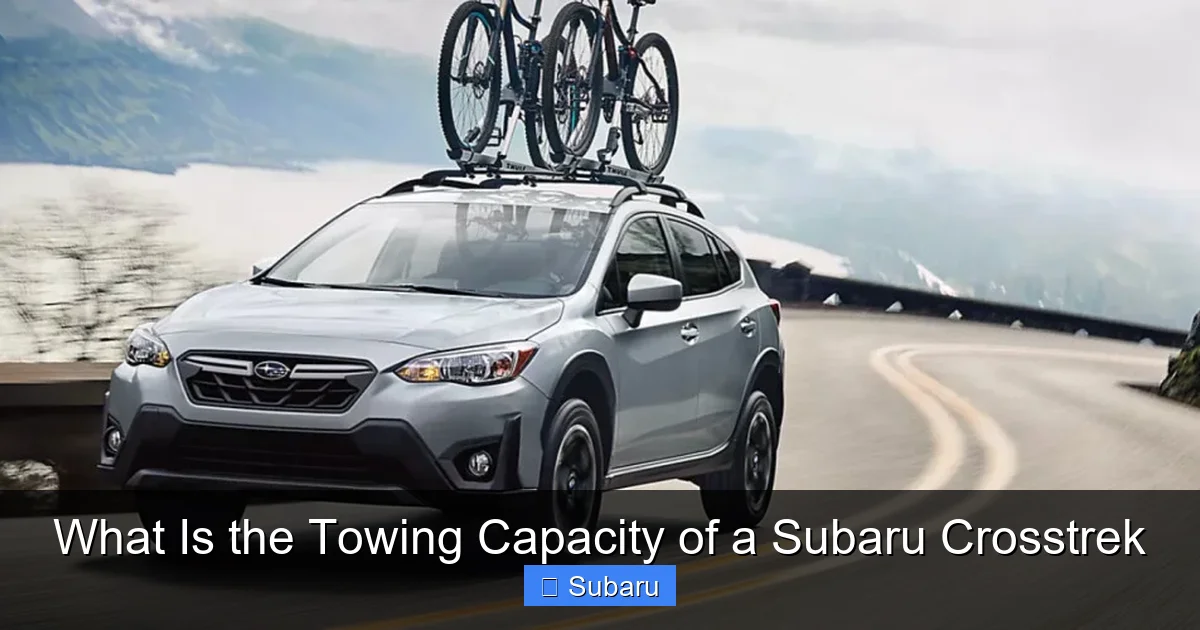
Visual guide about What Is the Towing Capacity of a Subaru Crosstrek
Image source: dealerinspire-image-library-prod.s3.us-east-1.amazonaws.com
One of the most common questions Crosstrek owners ask is: “What’s my exact towing capacity?” The answer depends largely on when your vehicle was made and what options it has. Let’s break it down by generation and key model years.
First Generation (2013–2017): 1,500 Pounds
The original Subaru Crosstrek, introduced in 2013 as a slightly lifted, more rugged version of the Impreza hatchback, came with a towing capacity of 1,500 pounds. This applied to all trims—Base, Premium, and Limited—regardless of whether it had a manual or continuously variable transmission (CVT). At the time, Subaru didn’t offer a factory towing package, so owners had to rely on aftermarket hitches and wiring kits to tow safely.
This 1,500-pound limit was consistent across the board, but it came with a caveat: Subaru recommended that only vehicles equipped with the CVT automatic transmission attempt towing. Manual transmission models were not officially rated for towing due to concerns about transmission cooling and gear stress. So if you have a 2013–2017 Crosstrek with a stick shift, you’re technically not supposed to tow anything—even a small trailer.
Second Generation (2018–2023): Up to 2,000 Pounds
With the launch of the second-generation Crosstrek in 2018, Subaru made significant improvements to the platform, including a stiffer chassis, better suspension, and enhanced cooling systems. Most importantly, they introduced an optional factory towing package that boosted the maximum towing capacity to 2,000 pounds—but only if you have the right setup.
Here’s the key: To achieve the 2,000-pound rating, your 2018–2023 Crosstrek must be equipped with the optional towing package. This package includes a Class I hitch receiver (typically rated for 2,000 lbs), a 4-pin wiring harness, and sometimes upgraded cooling components. Without this package, the towing capacity remains at 1,500 pounds.
Additionally, only CVT-equipped models are rated for towing. Manual transmission versions—still available in some markets—are not recommended for towing, just like in the first generation. So if you’re shopping for a used Crosstrek and plan to tow, make sure it has the CVT and, ideally, the factory towing package.
2024 and Beyond: What’s Changed?
The 2024 Subaru Crosstrek continues the trend set by its predecessors. The towing capacity remains at 1,500 pounds for base models without the towing package and 2,000 pounds for those equipped with the optional package. Subaru has not introduced a higher-capacity towing option, likely due to the vehicle’s size, engine output (still around 152–182 hp depending on trim), and focus on fuel efficiency.
One notable update in recent years is improved integration of towing features. For example, some trims now include trailer stability assist as part of the EyeSight driver assistance suite, which can help detect sway and apply braking to correct it. This doesn’t increase towing capacity, but it does enhance safety when hauling a trailer.
What You Can Actually Tow with a Subaru Crosstrek
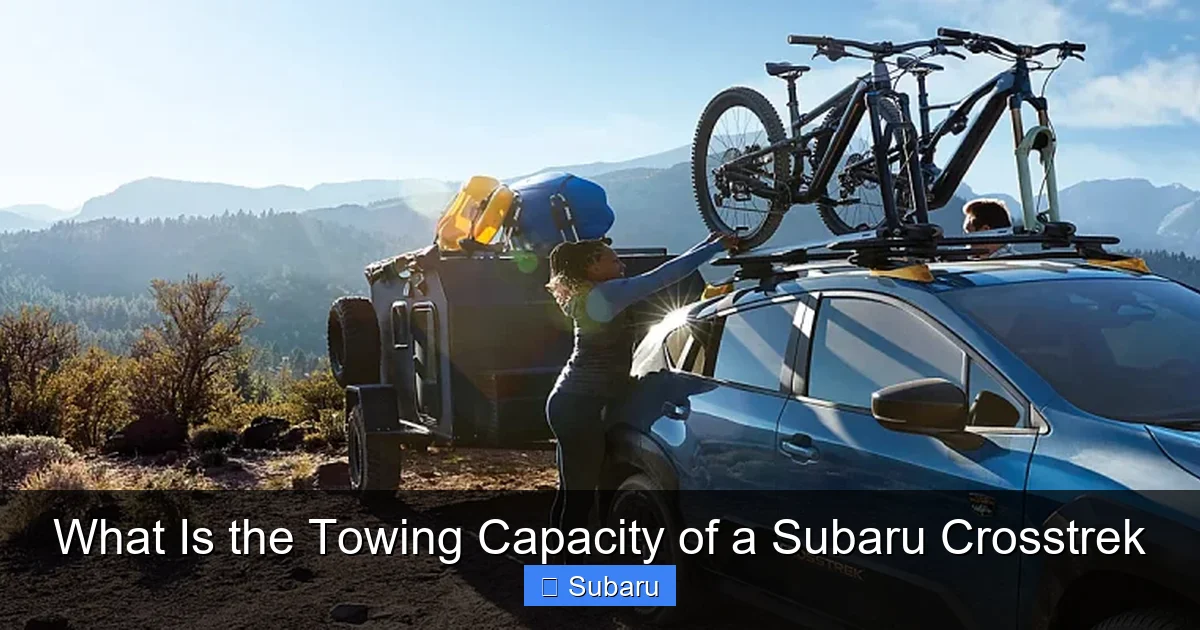
Visual guide about What Is the Towing Capacity of a Subaru Crosstrek
Image source: dealerinspire-image-library-prod.s3.us-east-1.amazonaws.com
Now that we know the numbers, let’s talk about real-world applications. What kinds of trailers and loads can you realistically tow with a Crosstrek?
Small Utility Trailers
A classic use case for the Crosstrek is hauling a small utility trailer. These lightweight, open-bed trailers are perfect for moving yard waste, hauling mulch, or transporting tools to a job site. A typical 4×6 or 5×8 utility trailer weighs around 500–700 pounds empty. When loaded with firewood, soil, or construction materials, you can easily stay under the 1,500-pound limit—and well within the 2,000-pound range if your Crosstrek is properly equipped.
Pro tip: Distribute weight evenly across the trailer bed and keep heavy items low and centered. This helps maintain stability and reduces the risk of fishtailing.
Kayaks, Canoes, and Small Boats
Outdoor enthusiasts love the Crosstrek for its off-road capability and cargo space. Adding a kayak or canoe trailer makes it even more versatile. A two-kayak trailer with racks might weigh 200–300 pounds total. Even if you add a small motorized dinghy (under 500 pounds), you’re still safely within the towing limits.
Many Crosstrek owners use roof racks for kayaks, but towing a trailer frees up roof space for other gear and reduces wind resistance, which can improve fuel economy.
Pop-Up Campers and Teardrop Trailers
One of the most popular uses for the Crosstrek’s towing ability is hauling a lightweight camper. Pop-up campers, which fold down for easy storage and driving, typically weigh between 1,000 and 1,800 pounds when loaded. Teardrop trailers—compact, stylish campers with basic amenities—often fall in the 1,200–1,600-pound range.
These are ideal matches for the Crosstrek, especially if you have the 2,000-pound towing package. Just remember to account for all your camping gear: food, water, bedding, and cooking supplies can add up quickly. Always weigh your loaded trailer before hitting the road.
Motorcycles and ATVs
If you’re into motorcycling or off-roading, the Crosstrek can tow a small motorcycle trailer with one or two bikes. A single motorcycle might weigh 400–600 pounds, and a lightweight trailer adds another 200–300. Even with gear and a second bike, you’re unlikely to exceed 1,500 pounds.
ATVs are heavier—often 600–800 pounds each—so towing one ATV plus a trailer might push you close to the limit. Two ATVs? Probably not advisable unless you have the 2,000-pound package and are very careful with weight distribution.
What You Should NOT Tow
While the Crosstrek is capable, it’s not built for heavy-duty hauling. Avoid towing:
– Travel trailers over 2,000 pounds
– Full-sized RVs or fifth wheels
– Large boats (most run 2,500+ pounds with trailer)
– Multiple ATVs or motorcycles
– Heavy equipment like generators or compressors
Exceeding your towing capacity can overheat the transmission, wear out brakes prematurely, and compromise handling—especially on hills or in windy conditions.
Essential Equipment for Safe Towing
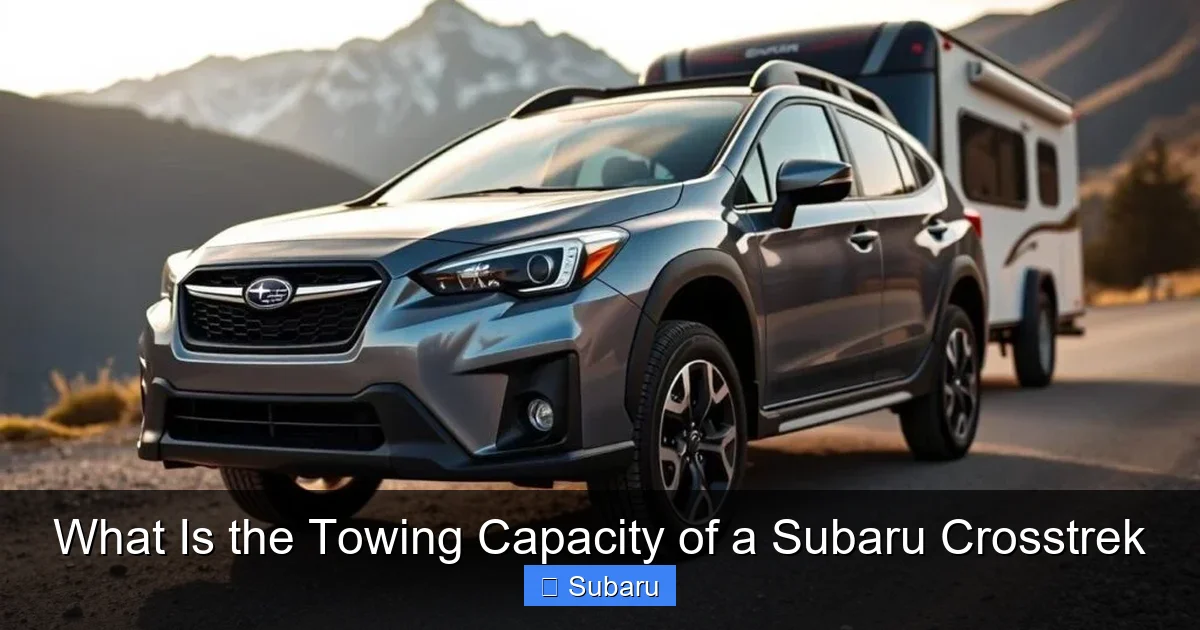
Visual guide about What Is the Towing Capacity of a Subaru Crosstrek
Image source: vehiclerides.com
Towing isn’t just about having the right vehicle—it’s about having the right gear. Even if your Crosstrek is rated for 2,000 pounds, you need proper equipment to tow safely and legally.
Factory or Dealer-Installed Towing Package
The most important piece of equipment is the towing package. Subaru offers this as an optional add-on, typically including:
– Class I hitch receiver (2-inch or 1.25-inch)
– 4-pin electrical connector for trailer lights
– Wiring harness
– Sometimes upgraded transmission cooler (on higher trims)
Buying this package from Subaru ensures compatibility and maintains your warranty. Aftermarket hitches can work, but they may not integrate as seamlessly with the vehicle’s systems.
Weight Distribution and Sway Control
Even lightweight trailers can sway if not loaded correctly. Always follow the 10–15% rule: the tongue weight (the downward force on the hitch) should be 10–15% of the total trailer weight. For a 1,500-pound trailer, that’s 150–225 pounds on the hitch.
If you notice swaying, reduce speed, avoid sudden steering, and consider a sway control device. Some aftermarket hitches include built-in sway control, or you can add a separate friction bar.
Trailer Brakes (When Needed)
In most states, trailers over 1,500 pounds require brakes. Since the Crosstrek can tow up to 2,000 pounds, you may need electric trailer brakes for heavier loads. These require a brake controller installed in the vehicle. Subaru doesn’t include one by default, so you’ll need to add it if your trailer has brakes.
Tire Pressure and Load Ratings
Check your Crosstrek’s tire pressure before towing. Underinflated tires can overheat and fail, especially under load. Also, ensure your tires are rated for the combined weight of the vehicle, passengers, cargo, and trailer.
Mirrors and Visibility
Wide trailers can block your view. Consider extended towing mirrors to improve rear visibility. They’re inexpensive and can prevent accidents when changing lanes or backing up.
Driving Tips for Towing with a Subaru Crosstrek
Towing changes how your vehicle handles. Here are some practical tips to stay safe on the road.
Slow Down and Increase Following Distance
A loaded trailer increases stopping distance and reduces acceleration. Drive slower than usual, especially on highways and hills. Leave extra space between you and the car ahead—at least 4–6 seconds in good conditions.
Use Lower Gears on Hills
The Crosstrek’s CVT is designed to keep the engine in its optimal power range, but towing uphill can strain the transmission. Use manual mode (if available) to lock into a lower gear when climbing. This reduces heat buildup and improves control.
Avoid Sudden Maneuvers
Quick turns, hard braking, or rapid acceleration can cause trailer sway or loss of control. Make smooth, gradual movements. If you feel the trailer swaying, gently apply the brakes and steer straight—don’t overcorrect.
Check Your Load Before Every Trip
Even if you’ve towed the same trailer before, conditions change. Check that:
– The trailer is level when hitched
– All cargo is secured
– Lights and brakes are working
– Hitch is properly locked
A quick 5-minute inspection can prevent a major problem down the road.
Monitor Transmission Temperature
Towing generates heat, especially in stop-and-go traffic or on long climbs. If your Crosstrek has a transmission temperature gauge (some trims do), keep an eye on it. If it starts to climb into the red, pull over and let the engine idle to cool down.
Maintenance and Long-Term Care
Towing puts extra stress on your vehicle. Regular maintenance is crucial to keep your Crosstrek running smoothly.
Transmission Care
The CVT in the Crosstrek is durable but sensitive to heat. If you tow frequently, consider:
– Using a transmission cooler (included in some towing packages)
– Changing the transmission fluid more often (every 30,000–60,000 miles instead of 100,000)
– Avoiding full-throttle acceleration when towing
Brake Inspection
Towing wears out brakes faster. Have them inspected annually, especially the rear brakes, which do more work when slowing a loaded vehicle.
Suspension and Alignment
A heavy trailer can sag the rear end, affecting handling and tire wear. Consider adding rear suspension helpers like air bags or overload springs if you tow often.
Fluid Checks
Check engine oil, coolant, and brake fluid regularly. Towing increases engine load, so fluids degrade faster.
Is the Subaru Crosstrek Right for Your Towing Needs?
The Subaru Crosstrek is a fantastic vehicle for light-duty towing. It’s efficient, reliable, and built for adventure. But it’s not a workhorse. If you regularly need to tow more than 2,000 pounds, consider a larger SUV like the Subaru Ascent (rated for 5,000 lbs) or a pickup truck.
However, for weekend warriors, campers, and outdoor enthusiasts, the Crosstrek strikes a great balance between capability and practicality. With the right equipment and smart driving habits, it can handle most small towing tasks with ease.
Remember: towing capacity is just one piece of the puzzle. Safety, preparation, and respect for your vehicle’s limits matter just as much. When in doubt, stay under the limit, check your gear, and drive carefully.
The Subaru Crosstrek may not be the strongest tower on the block—but for the right kind of adventure, it’s more than enough.
Frequently Asked Questions
Can a Subaru Crosstrek tow a camper?
Yes, but only lightweight campers. Pop-up campers and teardrop trailers under 2,000 pounds can be towed safely if your Crosstrek has the optional towing package. Always check the loaded weight of your camper before towing.
Does towing reduce fuel economy in a Crosstrek?
Absolutely. Towing increases aerodynamic drag and engine load, which can reduce fuel economy by 20–30%. Expect lower MPG, especially on highways or hills.
Can I install a towing hitch myself on a Crosstrek?
Yes, aftermarket hitches are available, but for best results and warranty protection, it’s recommended to have a factory or dealer-installed towing package. This ensures proper integration with the vehicle’s systems.
Is it safe to tow with a manual transmission Crosstrek?
No. Subaru does not recommend towing with manual transmission models due to insufficient transmission cooling and gear stress. Only CVT-equipped Crosstreks should be used for towing.
What happens if I exceed the towing capacity?
Exceeding the towing limit can cause transmission overheating, brake failure, suspension damage, and loss of control. It also voids your warranty and may not be covered by insurance in case of an accident.
Do I need a special license to tow with a Crosstrek?
In most states, no special license is required for trailers under 2,000 pounds. However, some states require a brake endorsement or additional certification for larger trailers. Check your local DMV regulations.
