How to Start a Car with Dead Battery
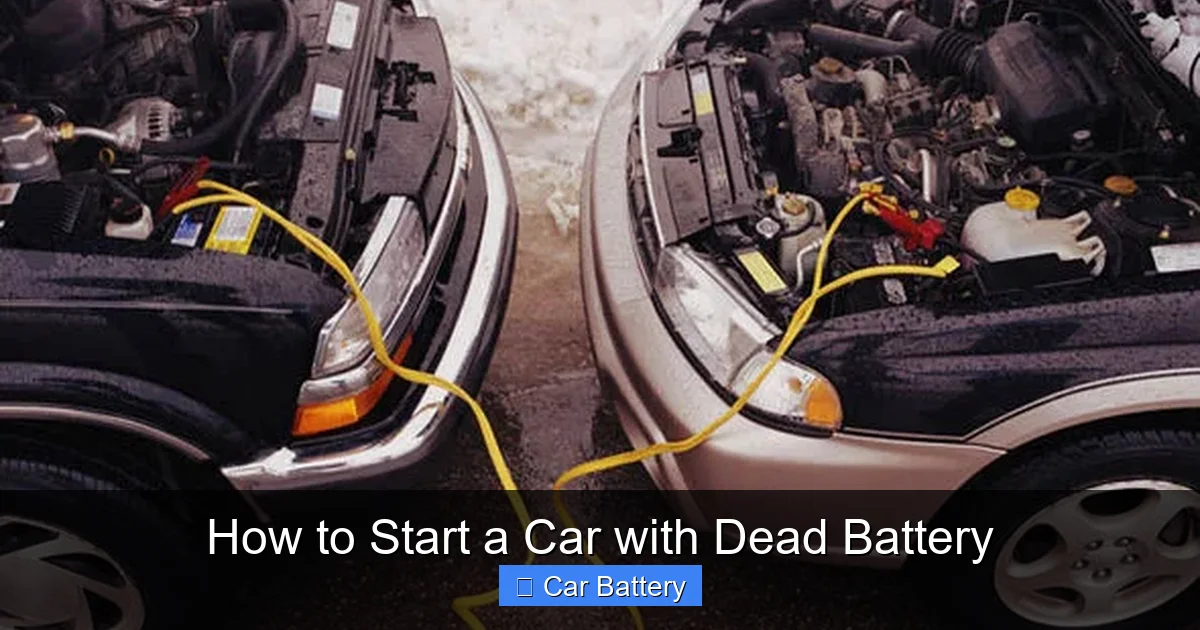
Jump-starting a dead battery is the fastest way to get your car running again, using jumper cables and a working vehicle or portable battery pack. Always connect the cables in the correct order—red to positive, black to negative—and let the donor battery charge your car for a few minutes before starting to avoid damaging electronics or risking sparks.
“`html
In This Article
- 1 Key Takeaways
- 2 📑 Table of Contents
- 3 How to Start a Car with Dead Battery
- 4 Understanding Why Car Batteries Die
- 5 How to Jump-Start a Car with Jumper Cables
- 6 Using a Portable Jump Starter to Start a Dead Battery
- 7 Other Methods to Start a Car with a Dead Battery
- 8 Preventing Future Battery Failures
- 9 Comparison of Methods to Start a Car with a Dead Battery
- 10 Final Thoughts: Be Prepared, Stay Safe
- 11 Frequently Asked Questions
- 11.1 How can I start a car with a dead battery using jumper cables?
- 11.2 What should I do if I don’t have jumper cables to start my car?
- 11.3 Can you push start a car with a dead battery?
- 11.4 How long should I let a car run after jump-starting a dead battery?
- 11.5 Is it safe to jump-start a car in the rain?
- 11.6 Why does my car battery keep dying even after I jump-start it?
Key Takeaways
- Use jumper cables and a donor car to safely transfer power to your dead battery.
- Connect red clamp to positive terminal on both batteries first to avoid sparks.
- Attach black clamp to negative terminal on donor battery, then to unpainted metal on dead car.
- Start the donor car and let it run for a few minutes to charge the dead battery.
- Attempt to start your car; if it fails, wait longer or check connections.
- Remove cables in reverse order after successful start to prevent electrical damage.
- Drive for at least 30 minutes to allow the alternator to fully recharge the battery.
📑 Table of Contents
- How to Start a Car with Dead Battery
- Understanding Why Car Batteries Die
- How to Jump-Start a Car with Jumper Cables
- Using a Portable Jump Starter to Start a Dead Battery
- Other Methods to Start a Car with a Dead Battery
- Preventing Future Battery Failures
- Comparison of Methods to Start a Car with a Dead Battery
- Final Thoughts: Be Prepared, Stay Safe
How to Start a Car with Dead Battery
Picture this: It’s a chilly Monday morning, you’re running late for work, and you rush out to your car—only to turn the key and hear that dreaded click… click… click… Nothing happens. Your heart sinks. The battery is dead.
If you’ve ever been stranded in a parking lot or driveway because your car won’t start, you’re not alone. A dead car battery is one of the most common automotive issues drivers face, especially during extreme temperatures or after leaving lights on overnight. But don’t panic—starting a car with a dead battery is easier than you might think, and with the right tools and knowledge, you can get back on the road quickly and safely.
In this guide, I’ll walk you through everything you need to know about how to start a car with a dead battery. Whether you’re a seasoned driver or a new car owner, these step-by-step methods will help you handle the situation like a pro. From jump-starting with jumper cables to using a portable jump starter, I’ll cover the safest, most effective techniques—plus tips to prevent future battery failures. Let’s get your car running again.
Understanding Why Car Batteries Die
Before we dive into the solutions, it’s helpful to understand why car batteries die in the first place. Most car batteries are lead-acid types, designed to provide a short burst of high power to start the engine. Once the engine is running, the alternator takes over to power the car’s electrical systems and recharge the battery. But when the battery can’t hold a charge, your car won’t start—no matter how many times you turn the key.
Visual guide about How to Start a Car with Dead Battery
Image source: batteryhq.com.au
Common Causes of a Dead Car Battery
Several factors can drain your car battery, some obvious and others sneaky. Here are the most common culprits:
- Leaving lights or accessories on: It’s easy to forget to turn off your headlights, interior lights, or even the radio after parking. Even a small draw over several hours can kill a battery.
- Extreme temperatures: Both extreme cold and heat can reduce battery performance. Cold weather slows chemical reactions inside the battery, while heat accelerates corrosion and evaporation of electrolyte fluid.
- Old age: Most car batteries last 3 to 5 years. After that, their ability to hold a charge diminishes significantly.
- Parasitic drain: Some electrical components, like alarms or infotainment systems, continue to draw small amounts of power even when the car is off. Over time, this can drain the battery.
- Faulty alternator: If the alternator isn’t charging the battery while driving, the battery will eventually die—even if it was fully charged when you started.
Signs Your Battery Might Be Dying
You don’t have to wait for a complete failure to know your battery is struggling. Watch for these warning signs:
- Slow engine crank (the engine turns over slowly when starting)
- Dim headlights or interior lights
- Dashboard warning lights (like the battery or check engine light)
- Electrical issues (power windows, locks, or radio acting up)
- The car starts fine after being driven but won’t start the next morning
Recognizing these signs early can help you avoid being stranded. If you notice any of them, it’s a good idea to test your battery or have it checked at an auto parts store—many offer free battery testing.
How to Jump-Start a Car with Jumper Cables
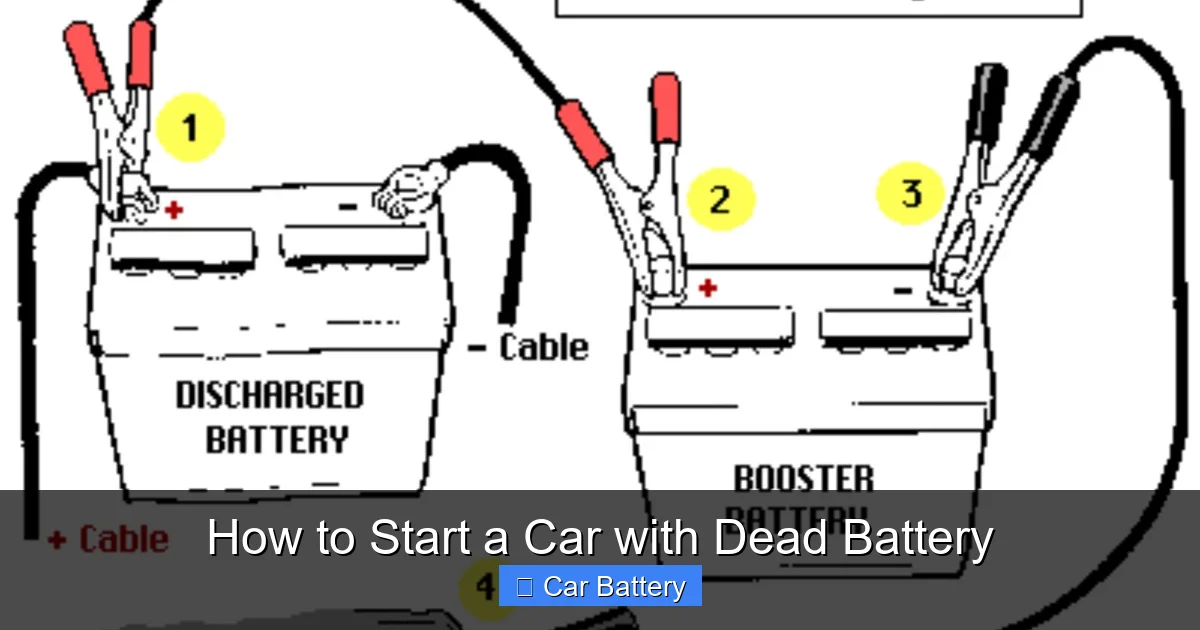
The most traditional and widely used method to start a car with a dead battery is jump-starting with jumper cables and a working vehicle. This method works by transferring power from the healthy battery to the dead one, giving it enough juice to start the engine.
Visual guide about How to Start a Car with Dead Battery
Image source: images.saymedia-content.com
What You’ll Need
Before you begin, make sure you have:
- A set of quality jumper cables (preferably 8–10 feet long with thick gauge wires)
- A second vehicle with a working battery (or a friend willing to help)
- Safety gloves and glasses (optional but recommended)
- A clean, dry workspace
Step-by-Step Jump-Start Instructions
Follow these steps carefully to jump-start your car safely:
- Position the vehicles: Park the working car close to the dead one, but don’t let them touch. Turn off both engines and engage the parking brakes.
- Open both hoods: Locate the batteries in both cars. Most are under the hood, but some newer models may have them in the trunk or under a seat.
- Identify the terminals: Each battery has a positive (+) terminal (usually red) and a negative (-) terminal (usually black). Make sure you can clearly see them.
- Connect the cables in the correct order:
- Attach one red clamp to the positive terminal of the dead battery.
- Attach the other red clamp to the positive terminal of the working battery.
- Attach one black clamp to the negative terminal of the working battery.
- Attach the other black clamp to an unpainted metal surface on the dead car’s engine block—like a bolt or bracket. This is called grounding and reduces the risk of sparks near the battery.
- Start the working car: Let it run for 3–5 minutes to charge the dead battery.
- Try starting the dead car: Turn the key and see if it starts. If it doesn’t, wait another few minutes and try again.
- Once the dead car starts: Let both cars run for another 5–10 minutes to ensure the battery gets a good charge.
- Disconnect the cables in reverse order: Remove the black clamp from the grounded metal, then the black clamp from the working battery, followed by the red clamp from the working battery, and finally the red clamp from the dead battery.
Safety Tips When Jump-Starting
Safety is crucial when working with car batteries. Here are some important reminders:
- Never let the clamps touch each other while connected to a battery.
- Avoid smoking or using open flames near the battery—hydrogen gas can ignite.
- Don’t jump-start a frozen or leaking battery—it could explode.
- If the battery is swollen or damaged, don’t attempt to jump-start it. Call a professional.
Jump-starting is effective, but it requires another vehicle and some physical effort. If you’re often on the road alone or in remote areas, consider investing in a portable jump starter—we’ll cover that next.
Using a Portable Jump Starter to Start a Dead Battery
If you don’t have access to another vehicle, a portable jump starter is your best friend. These compact, battery-powered devices can jump-start your car without needing a second car. They’re especially useful for solo drivers, commuters, or anyone who wants peace of mind.
Visual guide about How to Start a Car with Dead Battery
Image source: team-bhp.com
How Portable Jump Starters Work
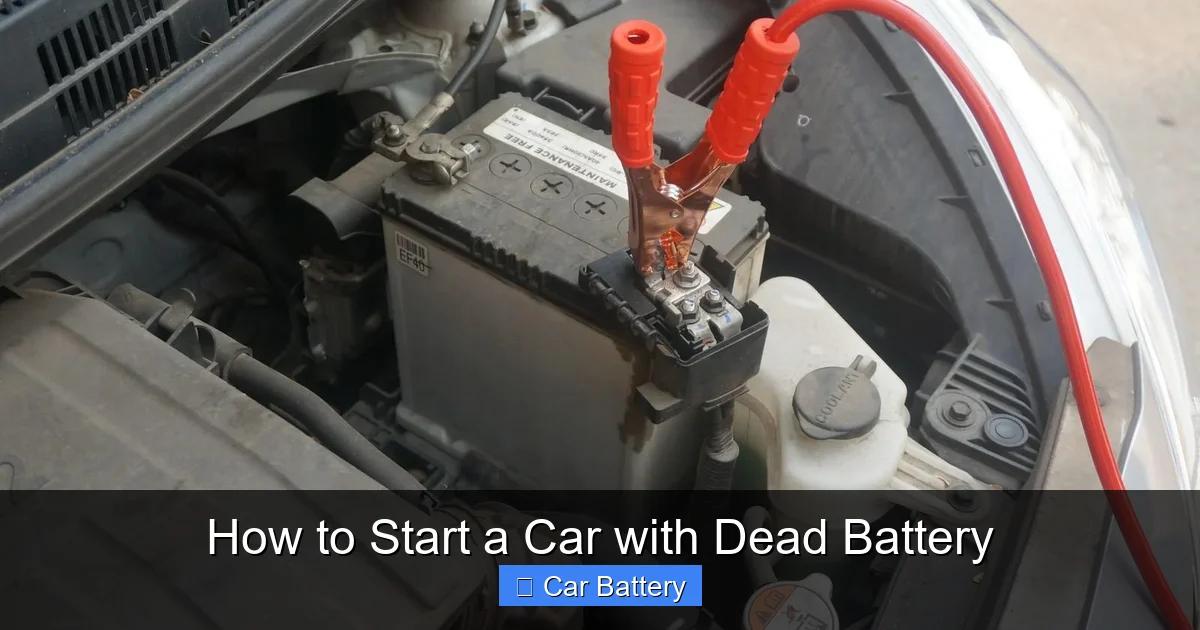
A portable jump starter contains a rechargeable lithium-ion battery that stores enough power to start most gasoline or diesel engines. When your car battery is dead, you connect the jump starter to your battery terminals (just like jumper cables), and it delivers a burst of energy to get the engine running.
Choosing the Right Portable Jump Starter
Not all jump starters are created equal. Here’s what to look for:
- Peak amps: This measures the maximum power output. For most cars, 400–600 peak amps is sufficient. Larger vehicles like trucks or SUVs may need 1000+ amps.
- Battery capacity (mAh): Higher capacity means more charge and longer runtime. Look for at least 10,000 mAh for reliable performance.
- Safety features: Overcharge protection, reverse polarity alerts, and short-circuit protection are essential.
- Additional features: Many jump starters include USB ports for charging phones, built-in flashlights, and even air compressors.
- Portability: Choose a model that’s lightweight and easy to store in your trunk or glove box.
How to Use a Portable Jump Starter
Using a portable jump starter is simple and safe. Follow these steps:
- Charge the jump starter: Make sure it’s fully charged before use. Most come with a USB or wall charger.
- Turn off the car: Ensure the ignition is off and all accessories are turned off.
- Connect the clamps:
- Attach the red clamp to the positive (+) terminal of the dead battery.
- Attach the black clamp to the negative (-) terminal or a grounded metal surface.
- Power on the jump starter: Press the power button. Some models have a “boost” or “start” mode—activate it if available.
- Start the car: Turn the key and try to start the engine. It should fire up within a few seconds.
- Disconnect and recharge: Once the car is running, disconnect the clamps in reverse order and recharge the jump starter for next time.
Real-Life Example: My Jump Starter Saved the Day
Last winter, I was stuck in a grocery store parking lot after forgetting to turn off my interior light. My phone was dead, and no one was around to help. Luckily, I had a portable jump starter in my glove box. Within five minutes, I had my car running and was on my way home. It was a lifesaver—and now I never leave home without it.
Portable jump starters range from $50 to $200, depending on features. While they’re an upfront cost, they’re cheaper than calling a tow truck and can be used dozens of times.
Other Methods to Start a Car with a Dead Battery
Jump-starting and portable jump starters are the most reliable methods, but there are a few other ways to get your car moving—especially if you’re in a pinch or driving a manual transmission vehicle.
Push-Starting (Manual Transmission Only)
If you drive a manual car, you can try push-starting (also called bump-starting or pop-starting). This method uses the car’s momentum to turn the engine over, bypassing the need for a strong battery.
How to push-start a car:
- Turn the ignition to the “on” position (but don’t start the engine).
- Press the clutch pedal fully and shift into second gear.
- Have someone push the car (or roll it down a slight hill).
- Once the car reaches about 5–10 mph, quickly release the clutch while keeping the accelerator slightly pressed.
- The engine should turn over and start. Once it’s running, press the clutch again and shift to neutral.
Important notes:
- This only works with manual transmissions—automatic cars cannot be push-started.
- You need enough space and a safe, flat area to do this.
- It may take a few tries, especially in cold weather.
Using a Battery Charger
If you have time and access to an outlet, you can use a battery charger to slowly recharge the dead battery. This method takes longer—anywhere from 30 minutes to several hours—but it’s gentler on the battery and doesn’t require another vehicle.
Steps to charge a dead battery:
- Connect the charger’s red clamp to the positive terminal and black clamp to the negative terminal.
- Plug in the charger and set it to the appropriate charging rate (usually 2–10 amps).
- Let it charge until the battery reaches a safe voltage (most chargers have indicators).
- Disconnect and try starting the car.
Battery chargers are great for home use but not practical for roadside emergencies.
Calling for Roadside Assistance
When all else fails, don’t hesitate to call for help. Most auto insurance plans and roadside assistance programs (like AAA) offer jump-start services. A professional technician can safely jump your car or tow it to a repair shop if needed.
This is the safest option if you’re unsure about handling the situation yourself or if the battery appears damaged.
Preventing Future Battery Failures
The best way to deal with a dead battery is to avoid it altogether. With a little maintenance and awareness, you can extend your battery’s life and reduce the chances of being stranded.
Regular Battery Maintenance Tips
- Check battery terminals: Corrosion (a white or green powdery substance) can prevent proper charging. Clean terminals with a baking soda and water solution and a wire brush.
- Secure the battery: A loose battery can vibrate and damage internal components. Make sure it’s tightly secured in its tray.
- Test the battery annually: Most auto parts stores offer free battery testing. Get it checked every year, especially before winter.
- Keep it charged: If you don’t drive often, consider using a battery maintainer or trickle charger to keep the battery topped up.
Driving Habits That Protect Your Battery
- Avoid short trips—they don’t give the alternator enough time to recharge the battery.
- Turn off all lights and accessories when parking.
- Use a battery insulation kit in extreme cold.
- Replace your battery every 3–5 years, even if it seems to be working.
When to Replace Your Car Battery
Even with perfect care, batteries don’t last forever. Replace your battery if:
- It’s more than 4 years old.
- It struggles to start the car, especially in cold weather.
- The battery case is swollen or leaking.
- You’ve had to jump-start it multiple times.
Replacing a battery is relatively inexpensive ($100–$250) and can prevent future headaches.
Comparison of Methods to Start a Car with a Dead Battery
| Method | Best For | Time Required | Tools Needed | Pros | Cons |
|---|---|---|---|---|---|
| Jump-start with cables | Two vehicles available | 10–15 minutes | Jumper cables, working car | Fast, widely available | Requires another vehicle, safety risks |
| Portable jump starter | Solo drivers, emergencies | 5–10 minutes | Portable jump starter | No second car needed, safe | Must be charged beforehand |
| Push-starting | Manual transmission cars | 5–10 minutes | Help or hill | No tools required | Only works with manuals, needs space |
| Battery charger | Home use, slow recharge | 30 mins–several hours | Charger, outlet | Gentle on battery | Not for emergencies |
| Roadside assistance | Unsure or unsafe situations | 30–60 minutes | Phone, service plan | Professional help | Can be costly without coverage |
Final Thoughts: Be Prepared, Stay Safe
A dead car battery doesn’t have to ruin your day. With the right knowledge and tools, you can start your car safely and get back on the road. Whether you use jumper cables, a portable jump starter, or call for help, the key is to stay calm and follow the steps carefully.
Remember, prevention is always better than a roadside fix. Regular maintenance, smart driving habits, and keeping a jump starter in your car can save you time, money, and stress. And if your battery is old or showing signs of failure, don’t wait—replace it before it leaves you stranded.
So the next time you hear that frustrating click… click… click…, you’ll know exactly what to do. Stay safe, stay prepared, and keep moving forward.
“`
Frequently Asked Questions
How can I start a car with a dead battery using jumper cables?
To start a car with a dead battery, connect jumper cables to your battery and a working vehicle’s battery, ensuring correct polarity (red to positive, black to negative). Start the working car, let it charge your battery for a few minutes, then attempt to start your car.
What should I do if I don’t have jumper cables to start my car?
If you don’t have jumper cables, consider using a portable jump starter or calling for roadside assistance. Some auto clubs and services offer battery jump-start help if you’re stranded.
Can you push start a car with a dead battery?
Yes, you can push start (or bump start) a manual transmission car by rolling it in gear and releasing the clutch to turn the engine over. This method doesn’t work for automatic transmissions.
How long should I let a car run after jump-starting a dead battery?
After jump-starting, let the car run for at least 20–30 minutes to allow the alternator to recharge the battery. For best results, drive the vehicle rather than idling to ensure proper charging.
Is it safe to jump-start a car in the rain?
Yes, it’s generally safe to jump-start a car in the rain as long as you avoid direct water contact with battery terminals and keep connections dry. Use caution and wear rubber-soled shoes for added safety.
Why does my car battery keep dying even after I jump-start it?
A repeatedly dead battery may indicate a failing battery, faulty alternator, or parasitic drain. Have your battery and charging system tested at an auto shop to identify the root cause.