How to Prevent Nissan Cvt Transmission Failure

Contents
- 1 Key Takeaways
- 2 📑 Table of Contents
- 3 Understanding How Nissan CVTs Work
- 4 Follow the Recommended Maintenance Schedule
- 5 Drive Smart to Reduce CVT Stress
- 6 Watch for Early Warning Signs
- 7 Keep Your Cooling System in Top Shape
- 8 Know Your Warranty and Repair Options
- 9 Conclusion
- 10 Frequently Asked Questions


Preventing Nissan CVT transmission failure starts with proactive maintenance and smart driving habits. Regular fluid changes, avoiding overheating, and heeding early warning signs can save you from costly repairs and extend your transmission’s life.
If you own a Nissan with a continuously variable transmission (CVT), you’re likely familiar with its smooth, seamless acceleration and improved fuel efficiency. But you may also have heard the horror stories—sudden breakdowns, costly repairs, and the dreaded “CVT failure” that leaves drivers stranded and frustrated. The good news? Many of these failures are preventable. With the right knowledge and consistent care, you can keep your Nissan’s CVT running reliably for hundreds of thousands of miles.
Nissan has used CVTs in many of its popular models—like the Altima, Rogue, Sentra, and Pathfinder—since the early 2000s. While these transmissions offer a comfortable driving experience, they’re also more complex and sensitive than traditional automatic transmissions. That’s why understanding how to prevent Nissan CVT transmission failure isn’t just helpful—it’s essential. This guide will walk you through everything you need to know, from routine maintenance to driving habits and early warning signs, so you can protect your investment and enjoy a trouble-free ride.
Key Takeaways
- Follow the manufacturer’s maintenance schedule: Stick to Nissan’s recommended service intervals, especially for CVT fluid changes, to keep your transmission running smoothly.
- Use only Nissan-approved CVT fluid: Using the wrong fluid can damage internal components and void your warranty.
- Avoid excessive towing and aggressive driving: These behaviors put extra strain on the CVT, increasing the risk of overheating and premature wear.
- Watch for early warning signs: Slipping, jerking, whining noises, or delayed acceleration may indicate a developing problem.
- Keep your cooling system in top shape: A well-functioning radiator and transmission cooler help prevent overheating, a major cause of CVT failure.
- Address issues immediately: Ignoring small problems can lead to complete transmission failure and expensive replacements.
- Consider extended warranties or third-party coverage: Given the high cost of CVT repairs, extra protection can offer peace of mind.
📑 Table of Contents
Understanding How Nissan CVTs Work
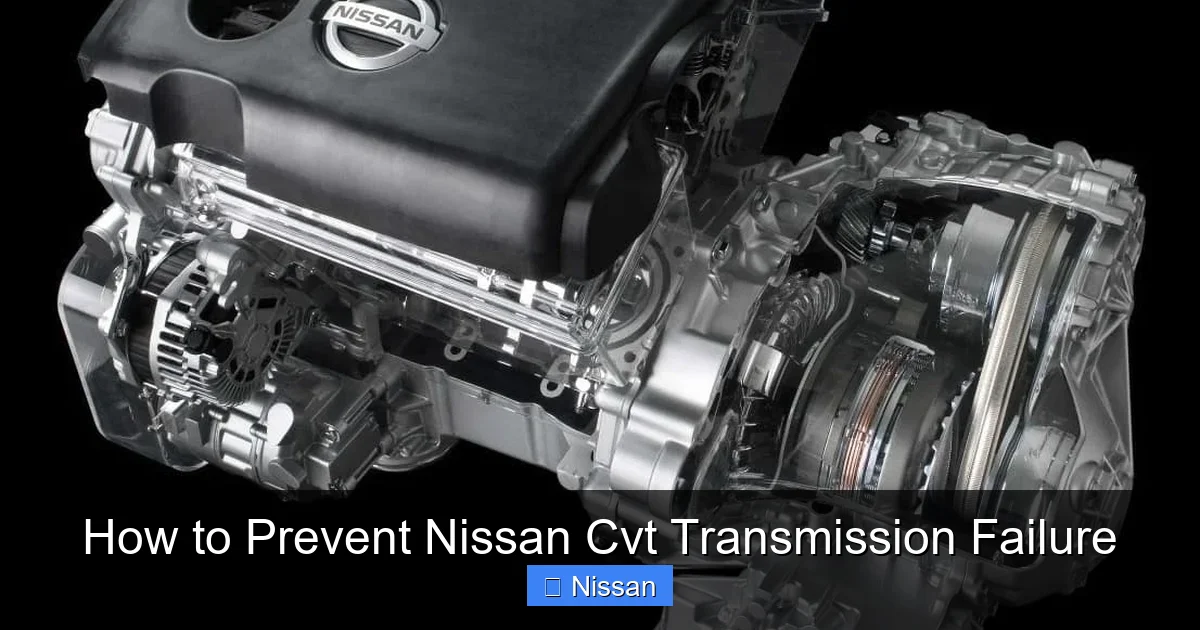
To prevent problems, it helps to know how your CVT actually works. Unlike a conventional automatic transmission with fixed gear ratios, a CVT uses a system of pulleys and a belt (or chain) to provide an infinite number of gear ratios. This allows the engine to operate at its most efficient RPM for any given speed, improving fuel economy and delivering smooth acceleration without the “shift shock” you feel in traditional automatics.
In a Nissan CVT, the primary pulley is connected to the engine, and the secondary pulley connects to the wheels. As the pulleys change their diameters, the transmission effectively “shifts” without using gears. This design reduces mechanical complexity in some ways but increases reliance on precise hydraulic pressure and clean, high-quality fluid to function properly.
Because there are no physical gears, the CVT depends heavily on the condition of its fluid. The fluid not only lubricates internal components but also transmits hydraulic pressure to control pulley movement. Over time, this fluid breaks down, accumulates debris, and loses its protective properties—leading to increased friction, overheating, and eventual component wear. That’s why regular maintenance is so critical.
Another key factor is heat. CVTs generate more internal heat than traditional automatics due to the constant slippage and friction between the belt and pulleys. Without proper cooling, this heat can degrade the fluid and damage sensitive parts like the torque converter and valve body. Nissan equips many of its CVT models with auxiliary coolers, but these can fail or become clogged over time.
Understanding these basics helps explain why certain behaviors—like towing heavy loads or ignoring fluid changes—can quickly lead to trouble. The CVT isn’t inherently flawed, but it does require more attention than older transmission types. With that in mind, let’s dive into the practical steps you can take to prevent Nissan CVT transmission failure.
Follow the Recommended Maintenance Schedule

Visual guide about How to Prevent Nissan Cvt Transmission Failure
Image source: goodfellasautotn.com
One of the most effective ways to prevent Nissan CVT transmission failure is to follow the manufacturer’s maintenance schedule to the letter. Nissan provides specific guidelines for CVT fluid changes, and skipping or delaying them is a common cause of premature transmission damage.
According to Nissan, most CVT models require a fluid change every 60,000 miles under normal driving conditions. However, if you frequently drive in “severe” conditions—such as stop-and-go traffic, extreme temperatures, or mountainous terrain—Nissan recommends changing the fluid every 30,000 miles. This is especially important because severe conditions accelerate fluid degradation and increase heat buildup.
Why CVT Fluid Changes Matter
CVT fluid is specially formulated to handle the unique demands of a continuously variable transmission. It contains additives that prevent foaming, resist oxidation, and maintain proper viscosity under high heat. Over time, these additives break down, and the fluid becomes contaminated with metal particles and sludge. Dirty or degraded fluid can’t lubricate or cool the transmission effectively, leading to increased wear and potential failure.
Using the wrong fluid is another common mistake. Nissan specifies a particular type of CVT fluid—often labeled as “NS-2” or “NS-3”—depending on the model and year. Using generic or incorrect fluid can cause seal damage, poor shifting, and even complete transmission failure. Always check your owner’s manual or consult a Nissan dealer to ensure you’re using the right product.
DIY vs. Professional Service
Some Nissan owners attempt to change the CVT fluid themselves, but this can be risky. Unlike a traditional transmission, many CVTs don’t have a dipstick, and the fluid level must be checked using a scan tool or temperature-based method. Overfilling or underfilling can cause serious problems, including overheating and poor performance.
For most drivers, it’s safer and more reliable to have the fluid changed by a certified technician. They’ll use the correct fluid, follow the proper procedure, and often perform a full inspection of the transmission and cooling system. While it may cost more than a DIY job, the peace of mind and long-term protection are well worth it.
Additional Maintenance Tips
In addition to fluid changes, keep an eye on other components that affect CVT performance. Inspect the transmission cooler and radiator for leaks or blockages. Replace the transmission filter if your model has one (not all Nissan CVTs do). And if you notice any fluid leaks around the transmission pan or seals, have them repaired immediately—even small leaks can lead to low fluid levels and damage over time.
Drive Smart to Reduce CVT Stress

Visual guide about How to Prevent Nissan Cvt Transmission Failure
Image source: goodfellasautotn.com
Your driving habits play a big role in the longevity of your Nissan’s CVT. While these transmissions are designed for everyday use, certain behaviors can put excessive strain on the system and increase the risk of failure.
Avoid Aggressive Driving
Rapid acceleration, hard braking, and frequent speed changes create unnecessary stress on the CVT. The transmission has to work harder to adjust pulley ratios quickly, which generates more heat and accelerates wear. Instead, adopt a smoother driving style—accelerate gradually, maintain steady speeds when possible, and anticipate stops to reduce braking.
This doesn’t mean you have to drive like a snail. It just means being mindful of how your actions affect the transmission. For example, instead of flooring the gas when the light turns green, ease into the throttle. This small change can make a big difference over time.
Limit Towing and Heavy Loads
Many Nissan models with CVTs aren’t designed for heavy towing. Check your owner’s manual for the maximum towing capacity—often it’s much lower than you’d expect. Exceeding this limit puts extreme pressure on the transmission, especially during uphill climbs or sudden accelerations.
Even carrying heavy loads in the trunk or back seat can increase strain. If you frequently transport heavy items, consider upgrading to a vehicle with a traditional automatic transmission or a more robust CVT designed for higher loads.
Use the Right Driving Modes
Some Nissan models offer driving modes like “Eco,” “Sport,” or “Manual” (simulated gears). While these can enhance your driving experience, use them wisely. Sport mode, for instance, keeps the engine at higher RPMs and can increase transmission heat. Use it sparingly, especially in hot weather or heavy traffic.
Eco mode, on the other hand, is gentler on the transmission and can help reduce wear. It limits engine power and optimizes shift points for efficiency. If you’re looking to extend your CVT’s life, Eco mode is a smart choice for daily driving.
Warm Up Your Vehicle in Cold Weather
Cold temperatures thicken transmission fluid, making it harder for the CVT to operate smoothly. In winter, allow your Nissan to idle for a minute or two before driving, especially if it’s been sitting overnight. This gives the fluid time to warm up and flow properly.
Avoid aggressive driving during the first few minutes of operation. Let the transmission warm up gradually to prevent shock to the internal components.
Watch for Early Warning Signs
Visual guide about How to Prevent Nissan Cvt Transmission Failure
Image source: s3.amazonaws.com
One of the best ways to prevent Nissan CVT transmission failure is to catch problems early. Many drivers ignore subtle symptoms until it’s too late, leading to complete breakdowns and expensive repairs. By learning to recognize the warning signs, you can address issues before they escalate.
Slipping or Jerking
If your transmission feels like it’s “slipping”—where the engine revs but the car doesn’t accelerate as expected—it could indicate low fluid, worn belts, or internal damage. Jerking or hesitation during acceleration is another red flag. These symptoms often worsen over time, so don’t wait to get them checked.
Unusual Noises
A healthy CVT should operate quietly. If you hear whining, grinding, or humming noises—especially when accelerating or idling—it could mean the transmission is struggling. These sounds may come from worn bearings, damaged pulleys, or low fluid levels.
Delayed Engagement
When you shift from Park to Drive or Reverse, the car should respond immediately. If there’s a noticeable delay—even a second or two—it could signal a problem with the hydraulic system or valve body. This is often caused by dirty fluid or internal wear.
Check Engine or Transmission Warning Light
Modern Nissans are equipped with onboard diagnostics that monitor transmission performance. If the check engine light or a transmission warning light comes on, don’t ignore it. Use an OBD2 scanner to read the error code, or take your vehicle to a mechanic. Early diagnosis can prevent major damage.
Burning Smell or Fluid Leaks
A burning smell, especially accompanied by smoke or steam, could indicate overheating. This is serious and requires immediate attention. Also, look for red or brown fluid under your car. Transmission fluid is typically red when new and turns darker as it ages. Leaks can lead to low fluid levels and rapid failure.
If you notice any of these signs, schedule a diagnostic inspection right away. Many transmission shops offer free scans, and catching a problem early can save you thousands in repairs.
Keep Your Cooling System in Top Shape
Heat is the enemy of any transmission, but especially CVTs. Because they rely on precise hydraulic control and sensitive components, even a small increase in operating temperature can cause damage over time. That’s why maintaining your cooling system is crucial.
Inspect the Radiator and Transmission Cooler
The radiator doesn’t just cool the engine—it also helps regulate transmission temperature. Many Nissan CVTs use a cooler built into the radiator to circulate fluid and remove heat. Over time, this cooler can become clogged with debris or corroded, reducing its effectiveness.
Regularly inspect the radiator for dirt, bugs, or damage. Clean the fins with compressed air or a soft brush. If you live in an area with lots of road salt or debris, consider installing a radiator guard.
Check Coolant Levels and Condition
Low or degraded coolant can reduce the radiator’s ability to cool the transmission. Check your coolant level monthly and top it off if needed. Use the correct type of coolant specified by Nissan—mixing incompatible types can cause corrosion and reduce efficiency.
Upgrade to an Auxiliary Cooler (If Needed)
If you frequently drive in hot climates, tow light loads, or drive in heavy traffic, consider installing an auxiliary transmission cooler. These aftermarket units attach to the transmission line and provide extra cooling capacity. They’re especially helpful for older Nissan models that may not have robust factory cooling.
Avoid Overheating Scenarios
Certain driving conditions increase the risk of overheating. These include:
– Driving in extreme heat (above 95°F)
– Sitting in traffic for long periods
– Climbing steep hills with a load
– Using cruise control on downhill grades (which can cause the transmission to over-rev)
If you must drive in these conditions, take breaks to let the transmission cool down. Monitor your temperature gauge, and pull over if you notice overheating.
Know Your Warranty and Repair Options
Even with the best care, CVT problems can still occur—especially in older or high-mileage vehicles. That’s why it’s important to understand your warranty coverage and repair options.
Factory Warranty and Class Action Settlements
Nissan has faced numerous lawsuits over CVT reliability, particularly in models from 2012 to 2017. As a result, some vehicles may be covered under extended warranty programs or settlement agreements. Check with your local dealer or visit Nissan’s official website to see if your vehicle qualifies for free repairs or reimbursement.
For example, certain Altima and Sentra models have had their CVT warranties extended to 8 years or 100,000 miles. If your transmission fails within this period, you may be eligible for a free replacement.
Extended Warranties and Third-Party Coverage
If your factory warranty has expired, consider purchasing an extended warranty or third-party coverage. While these plans come at a cost, they can save you from paying $4,000 to $6,000 for a full CVT replacement. Look for plans that specifically cover transmission repairs and read the fine print to understand exclusions.
Repair vs. Replacement
When a CVT fails, you typically have two options: repair or replace. Repairs may involve replacing the valve body, torque converter, or solenoid pack—components that can fail independently. However, if the belt or pulleys are damaged, a full replacement is usually necessary.
Used or remanufactured transmissions are often cheaper than new ones, but quality varies. Always choose a reputable shop with experience in Nissan CVTs. Some shops specialize in CVT repairs and offer warranties on their work.
Conclusion
Preventing Nissan CVT transmission failure isn’t about avoiding the technology altogether—it’s about treating it with the care it deserves. By following the maintenance schedule, driving responsibly, watching for warning signs, and keeping your cooling system in good condition, you can significantly extend the life of your transmission and avoid costly repairs.
Remember, the CVT isn’t inherently unreliable. Many Nissan owners enjoy hundreds of thousands of miles without issues—thanks to proactive care and attention. Don’t let fear of failure keep you from enjoying your vehicle. Instead, arm yourself with knowledge and take control of your transmission’s health.
Start today: check your owner’s manual, schedule that overdue fluid change, and adopt smoother driving habits. Your Nissan—and your wallet—will thank you.
Frequently Asked Questions
How often should I change the CVT fluid in my Nissan?
Nissan recommends changing CVT fluid every 60,000 miles under normal driving conditions. If you drive in severe conditions—like heavy traffic, extreme heat, or frequent short trips—change it every 30,000 miles to prevent premature wear.
Can I use any transmission fluid in my Nissan CVT?
No, you must use Nissan-approved CVT fluid (such as NS-2 or NS-3). Using the wrong fluid can damage internal components, cause shifting problems, and void your warranty.
What are the early signs of CVT transmission failure?
Common signs include slipping, jerking, whining noises, delayed engagement, and a burning smell. If you notice any of these, have your vehicle inspected immediately to prevent further damage.
Can I tow with a Nissan CVT?
Some Nissan models with CVTs can tow light loads, but most are not designed for heavy towing. Check your owner’s manual for the maximum towing capacity and avoid exceeding it to prevent transmission damage.
Is it safe to drive with a slipping CVT?
No, driving with a slipping transmission can cause rapid damage. Pull over safely and have the vehicle towed to a repair shop. Continuing to drive may result in complete failure and costly repairs.
Are Nissan CVTs covered under warranty?
Many Nissan CVTs are covered under the factory powertrain warranty (typically 5 years/60,000 miles). Some models have extended coverage due to class action settlements—check with your dealer to see if your vehicle qualifies.