
How to Jump-start a Subaru Outback

Jump-starting a Subaru Outback is simple when you follow the right steps. With proper tools, safety gear, and a clear process, you can get back on the road quickly—even in cold weather or remote areas.
Key Takeaways
- Safety first: Always wear safety glasses and gloves, and ensure both vehicles are off before connecting cables.
- Locate the correct terminals: The Outback uses a remote positive terminal under the hood and a grounding point on the engine block.
- Use quality jumper cables: Thick, 4- to 6-gauge cables with tight clamps ensure efficient power transfer.
- Follow the correct connection order: Connect red to positive, then red to donor battery, black to donor negative, and black to grounding point—never directly to the dead battery’s negative terminal.
- Let the donor engine run: Allow the working vehicle to idle for 5–10 minutes to help charge the dead battery.
- Remove cables in reverse order: Disconnect black from grounding point first, then black from donor, red from donor, and finally red from the Outback.
- Test and maintain: After jump-starting, drive for at least 30 minutes to recharge the battery and consider a professional inspection if issues persist.
📑 Table of Contents
- How to Jump-Start a Subaru Outback: A Complete Guide
- Why Your Subaru Outback Won’t Start
- What You’ll Need to Jump-Start Your Outback
- Safety Precautions Before Jump-Starting
- Step-by-Step Guide to Jump-Starting Your Subaru Outback
- Troubleshooting Common Jump-Start Issues
- Preventing Future Battery Problems
- When to Call a Professional
- Conclusion
How to Jump-Start a Subaru Outback: A Complete Guide
Picture this: It’s a chilly Monday morning. You’re running late for work, and you hop into your trusty Subaru Outback—only to find it won’t start. The dashboard lights flicker weakly, and the engine just clicks. Sound familiar? A dead battery is one of the most common reasons your Outback might fail to start, especially in cold weather or after leaving lights on overnight.
Don’t panic. Jump-starting your Subaru Outback is a straightforward process that almost anyone can do with the right tools and a little know-how. Whether you’re stranded in a parking lot, on a quiet country road, or just in your own driveway, knowing how to safely and correctly jump-start your vehicle can save you time, money, and stress.
This guide will walk you through every step of the process—from identifying the problem to safely connecting jumper cables and getting your Outback back on the road. We’ll cover safety precautions, the correct jump-starting procedure, troubleshooting tips, and how to prevent future battery issues. By the end, you’ll feel confident handling a dead battery like a pro.
Why Your Subaru Outback Won’t Start
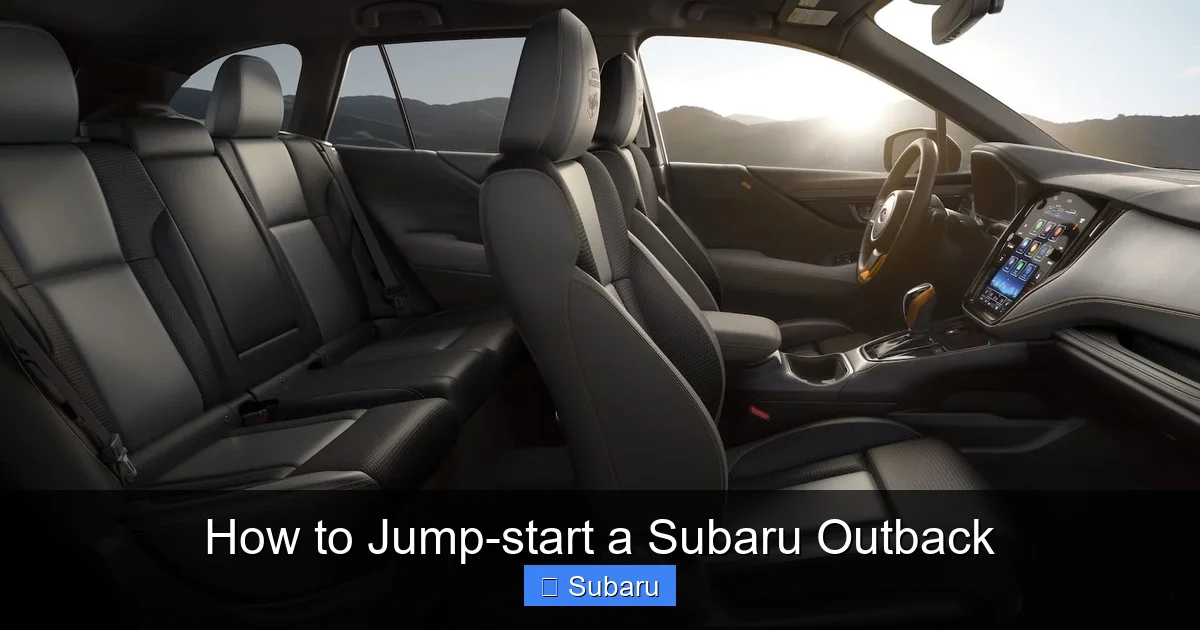
Visual guide about How to Jump-start a Subaru Outback
Image source: di-sitebuilder-assets.s3.amazonaws.com
Before jumping straight into the jump-start process, it’s helpful to understand why your Outback might not be starting in the first place. While a dead battery is the most common culprit, other issues can mimic the same symptoms.
A weak or dead battery often results from leaving interior lights, headlights, or the infotainment system on for too long. Cold weather is another major factor—batteries lose up to 35% of their cranking power at 32°F and even more in sub-zero temperatures. If your Outback has been sitting unused for several days or weeks, the battery may have drained naturally due to parasitic draw from systems like the alarm, clock, or onboard computers.
Other possible causes include a faulty alternator (which fails to recharge the battery while driving), corroded battery terminals, or a bad starter motor. However, if you hear a rapid clicking sound when you turn the key, or if the engine cranks slowly, it’s almost certainly a battery issue—and jump-starting is your best first step.
It’s also worth noting that modern Subaru Outbacks, especially models from 2015 onward, come with advanced electronics and start-stop systems. These features can put extra strain on the battery, making it more prone to failure if not properly maintained.
What You’ll Need to Jump-Start Your Outback

Visual guide about How to Jump-start a Subaru Outback
Image source: 2024subaru.com
Before you begin, gather the necessary tools and equipment. Having everything ready will make the process faster and safer.
Essential Tools and Equipment
- Jumper cables: Look for heavy-duty cables with 4- to 6-gauge wires and strong, well-insulated clamps. Avoid thin or frayed cables, as they may not carry enough current.
- A working vehicle: You’ll need another car with a healthy 12-volt battery. It doesn’t need to be a Subaru—any gasoline or diesel vehicle with a compatible battery will work.
- Safety gear: Wear safety glasses and gloves to protect your eyes and hands from sparks, acid, or accidental shocks.
- Owner’s manual: Keep your Subaru Outback manual handy for reference, especially if you’re unsure about terminal locations or specific model quirks.
Optional but Helpful Items
- Flashlight: Useful if you’re jump-starting at night or in low-light conditions.
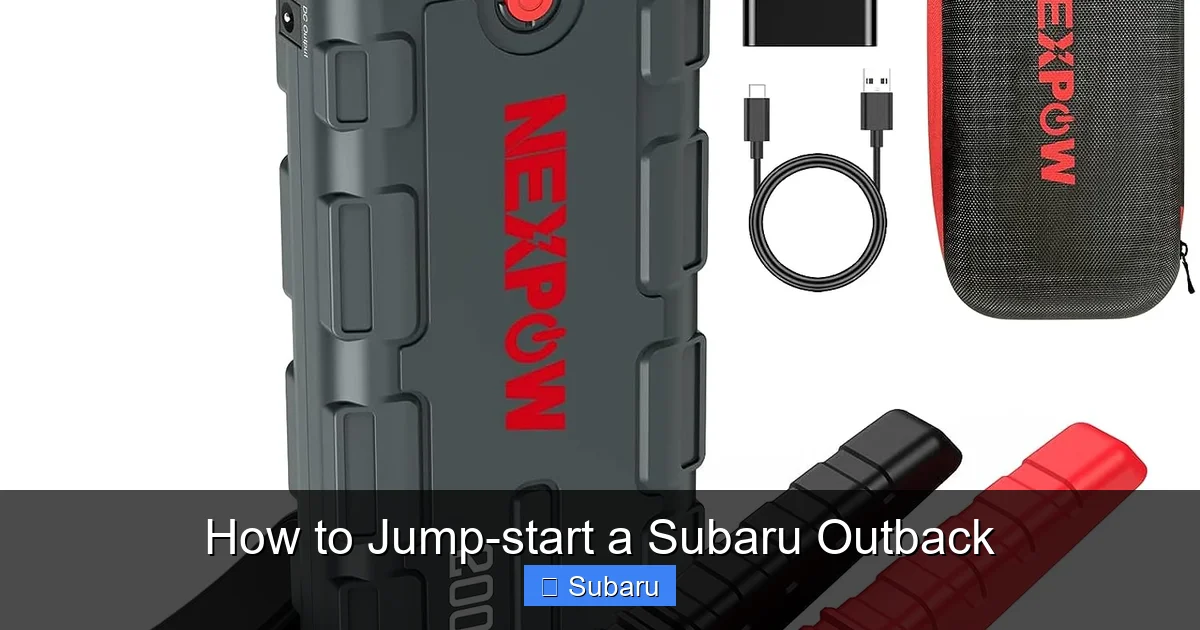
- Portable jump starter: A battery-powered jump box can eliminate the need for a second vehicle. These are especially handy for solo drivers or remote locations.
- Battery terminal cleaner: If you notice corrosion (a white or green powdery substance) on the terminals, clean them with a wire brush and baking soda solution before connecting cables.
Having these items on hand ensures you’re prepared for most jump-starting scenarios. If you frequently drive in cold climates or leave your car parked for long periods, consider investing in a portable jump starter—it’s a small price to pay for peace of mind.
Safety Precautions Before Jump-Starting
Visual guide about How to Jump-start a Subaru Outback
Image source: wonderfulengineering.com
Jump-starting a car involves working with high electrical currents and potentially explosive gases, so safety should always be your top priority. A few simple precautions can prevent injury, vehicle damage, or even fire.
General Safety Tips
- Turn off both vehicles: Make sure both the dead Outback and the donor vehicle are completely off—keys removed or in the “off” position—before connecting any cables.
- No smoking or open flames: Batteries emit hydrogen gas, which is highly flammable. Avoid smoking, using lighters, or creating sparks near the battery.
- Check for damage: Inspect both batteries for cracks, leaks, or swelling. If you see any signs of damage, do not attempt to jump-start—call a professional.
- Park safely: Position the donor vehicle close enough for the cables to reach, but ensure the cars don’t touch. Engage the parking brake on both vehicles and place them in “Park” (automatic) or “Neutral” (manual).
Subaru-Specific Considerations
Subaru Outbacks, especially newer models, have specific jump-starting requirements due to their electrical system design. Unlike older cars, many Outbacks don’t have easily accessible battery terminals under the hood. Instead, they use a remote positive terminal and a grounding point to protect sensitive electronics.
Never connect jumper cables directly to the battery terminals under the hood unless you’re certain of their location and condition. Doing so can damage the vehicle’s ECU (engine control unit) or other components. Always follow the manufacturer’s recommended procedure to avoid costly repairs.
Additionally, if your Outback has an automatic start-stop system, avoid jump-starting while the system is active. Turn off any unnecessary electronics (like the radio or climate control) to reduce the load on the battery during the process.
Step-by-Step Guide to Jump-Starting Your Subaru Outback
Now that you’re prepared and safety-conscious, let’s walk through the actual jump-starting process. Follow these steps carefully to ensure a successful and safe jump-start.
Step 1: Position the Vehicles
Park the donor vehicle (the one with the good battery) close to your Outback, but not touching it. Ideally, the batteries should be within 18–24 inches of each other. Turn off both engines, remove the keys, and engage the parking brakes. If you’re on a slope, use wheel chocks for extra safety.
Step 2: Locate the Jump-Start Points
This is where many people get confused. On most Subaru Outbacks (especially 2010 and newer), the battery is located in the trunk or under the rear floor mat. However, you don’t need to access it directly to jump-start the car.
Instead, Subaru provides remote jump-start terminals under the hood:
- Positive terminal: Look for a small red plastic cap labeled “+” near the fuse box on the driver’s side. This is the remote positive terminal.
- Grounding point: Find a bare metal bolt or bracket on the engine block or chassis near the battery. This serves as the negative grounding point. Avoid using the negative terminal on the battery itself.
Refer to your owner’s manual if you’re unsure—each model year may have slight variations.
Step 3: Connect the Jumper Cables
Follow this exact order to prevent sparks near the battery and reduce the risk of damage:
- Red clamp to Outback’s positive terminal: Attach one red clamp to the remote positive terminal under the hood.
- Red clamp to donor battery’s positive terminal: Attach the other red clamp to the positive (+) terminal of the donor vehicle’s battery.
- Black clamp to donor battery’s negative terminal: Attach one black clamp to the negative (–) terminal of the donor battery.
- Black clamp to Outback’s grounding point: Attach the final black clamp to the bare metal grounding point on your Outback’s engine block. Do not connect it to the negative terminal of the dead battery.
This sequence ensures that any spark occurs away from the battery, minimizing the risk of igniting hydrogen gas.
Step 4: Start the Donor Vehicle
Start the engine of the donor vehicle and let it run for 5–10 minutes. This allows the alternator to begin charging the dead battery. Keep the engine at a moderate idle—around 1,500–2,000 RPM—if possible.
Step 5: Attempt to Start Your Outback
After the waiting period, try starting your Subaru Outback. Turn the key or push the start button. If it starts right up, great! If not, wait another 5 minutes and try again. Sometimes a deeply discharged battery needs a bit more time to accept a charge.
If the Outback still won’t start after two or three attempts, there may be a deeper issue—such as a bad alternator, faulty starter, or corroded connections. In that case, it’s best to call a tow truck or roadside assistance.
Step 6: Disconnect the Cables
Once your Outback is running, disconnect the jumper cables in the reverse order:
- Black clamp from Outback’s grounding point
- Black clamp from donor battery’s negative terminal
- Red clamp from donor battery’s positive terminal
- Red clamp from Outback’s positive terminal
Be careful not to let the clamps touch each other or any metal parts while disconnecting.
Step 7: Let Your Outback Run
Keep your Outback running for at least 30 minutes to allow the alternator to fully recharge the battery. Avoid turning off the engine immediately—doing so could leave you stranded again if the battery hasn’t regained enough charge.
If possible, drive the car rather than letting it idle. Driving helps the alternator work more efficiently and ensures a better charge.
Troubleshooting Common Jump-Start Issues
Even with the correct procedure, things don’t always go smoothly. Here are some common problems and how to fix them.
The Outback Still Won’t Start
If your Outback doesn’t start after jump-starting, consider these possibilities:
- Battery is too dead: A severely discharged battery may need more than 10 minutes to accept a charge. Try letting the donor vehicle run longer or use a portable jump starter with higher cranking amps.
- Corroded terminals: Clean the remote positive terminal and grounding point with a wire brush. Corrosion can block electrical flow.
- Faulty alternator: If the Outback starts but dies shortly after disconnecting the cables, the alternator may not be charging the battery. Have it tested at an auto shop.
- Bad starter motor: If you hear a single loud click but no cranking, the starter may be faulty.
Smoke or Sparks During Connection
If you see smoke or sparks when connecting the cables, disconnect immediately. This usually means:
- The cables were connected in the wrong order.
- The clamps touched each other or a metal surface.
- The battery is damaged or swollen.
Turn off both vehicles, wait a few minutes, and recheck your connections before trying again.
Battery Keeps Dying
If your Outback’s battery dies repeatedly, it’s likely not holding a charge. Possible causes include:
- Old battery: Most car batteries last 3–5 years. If yours is older, it may need replacement.
- Parasitic drain: Something in the car is drawing power even when off—like a faulty glove box light or aftermarket device.
- Extreme temperatures: Cold weather reduces battery efficiency. Consider a battery warmer or trickle charger in winter.
A professional battery test can help determine if replacement is needed.
Preventing Future Battery Problems
The best way to avoid jump-starting altogether is to maintain your battery and electrical system. Here are some proactive tips:
Regular Maintenance
- Check battery terminals: Inspect for corrosion every few months and clean as needed.
- Test the battery: Most auto parts stores offer free battery testing. Have it checked annually, especially before winter.
- Keep it charged: If you don’t drive often, use a trickle charger or battery maintainer to keep the battery topped up.
Driving Habits
- Avoid short trips: Frequent short drives don’t give the alternator enough time to recharge the battery. Combine errands or take longer drives when possible.
- Turn off accessories: Before turning off the engine, switch off lights, radio, and climate control to reduce drain.
- Use a battery disconnect switch: If you store your Outback for long periods, a disconnect switch can prevent parasitic drain.
Upgrade When Needed
Consider upgrading to a high-performance or AGM (absorbent glass mat) battery if you live in a cold climate or use lots of electronics. These batteries are more resistant to deep discharges and last longer.
When to Call a Professional
While jump-starting is usually a DIY task, there are times when you should seek professional help:
- The battery is swollen, leaking, or smells like rotten eggs (sulfuric acid).
- You’ve jump-started the car multiple times in a short period.
- The Outback starts but the “Check Engine” or battery warning light stays on.
- You’re unsure about the correct jump-starting procedure for your specific model.
A certified Subaru technician can diagnose underlying issues and ensure your vehicle’s electrical system is in good condition.
Conclusion
Jump-starting a Subaru Outback doesn’t have to be intimidating. With the right knowledge, tools, and safety precautions, you can handle a dead battery with confidence. Remember to use the remote jump-start terminals under the hood, follow the correct cable connection order, and always prioritize safety.
Regular maintenance and smart driving habits can go a long way in preventing future battery problems. But when trouble strikes, knowing how to jump-start your Outback means you’re never truly stranded.
Keep this guide handy, share it with fellow Subaru owners, and drive with peace of mind—knowing you’re prepared for whatever the road throws your way.
Frequently Asked Questions
Can I jump-start a Subaru Outback with a portable jump starter?
Yes, you can use a portable jump starter instead of another vehicle. Connect the jump starter to the remote positive terminal and grounding point under the hood, following the same safety steps. Portable jump starters are especially useful when no other car is available.
Where is the battery located in a Subaru Outback?
In most Subaru Outbacks, the battery is located in the trunk, under the rear floor mat on the driver’s side. However, you don’t need to access it directly to jump-start the car—use the remote terminals under the hood instead.
Why can’t I connect the negative cable to the battery’s negative terminal?
Connecting the negative cable directly to the dead battery’s negative terminal can cause sparks near the battery, which may ignite hydrogen gas. Subaru recommends using a grounding point on the engine block to reduce this risk.
How long should I let the donor vehicle run before attempting to start my Outback?
Let the donor vehicle run for 5–10 minutes to allow the dead battery to begin accepting a charge. If the Outback still won’t start, wait another 5 minutes and try again.
What if my Outback starts but dies after disconnecting the cables?
This usually indicates a faulty alternator that isn’t charging the battery. Have the alternator and charging system tested by a professional as soon as possible.
Can I jump-start a Subaru Outback in the rain?
Yes, but take extra precautions. Keep the jumper cables and connections dry, and avoid touching metal parts with wet hands. If lightning is present, wait for the storm to pass before attempting a jump-start.