How to Get Rid of Check Engine Light on Toyota Corolla

Contents
- 1 Key Takeaways
- 2 📑 Table of Contents
- 3 Understanding the Check Engine Light: It’s Not Always “Engine”
- 4 The Most Common Culprits in a Toyota Corolla
- 5 Your Action Plan: From DIY to Professional
- 6 When to Absolutely Call a Professional
- 7 Preventing Future Check Engine Lights
- 8 Conclusion: Knowledge is Power (and a Clear Dashboard)
- 9 Frequently Asked Questions

Microfiber Car Cleaning Cloth

Car Cleaning Brush Set

Reflective Stickers
Car Phone Holder
That glowing check engine light on your Toyota Corolla can be stressful, but it doesn’t always mean a costly repair. Often, it’s triggered by simple, fixable issues like a loose gas cap or faulty oxygen sensor. This guide walks you through understanding the light, the most common Corolla-specific causes, and practical steps to diagnose and potentially clear it yourself. We’ll also clearly explain when it’s crucial to seek professional help to avoid engine damage.
That little, glowing orange icon on your Toyota Corolla’s dashboard. It’s the check engine light—or as Toyota sometimes calls it, the “service engine soon” light. One minute it’s not there, the next it’s shining brightly, and your heart sinks a little. What does it mean? Is it safe to drive? How do you make it go away? If you’re asking these questions, you’re in the right place. We’re going to break it down, step-by-step, in plain English. Think of this as your friendly, no-jargon manual for dealing with the check engine light on your Corolla.
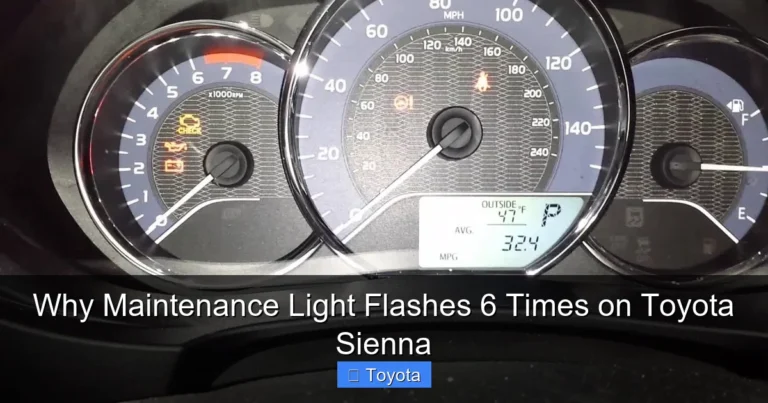
First, take a breath. The check engine light (CEL) is your car’s way of communicating. It’s not an immediate “call 911” signal (unless it’s flashing—more on that later). It’s more like a “hey, we should talk about this” text from your car’s computer. The computer, called the Engine Control Unit (ECU), constantly monitors dozens of sensors and systems. When a reading falls outside the normal range, it stores a diagnostic trouble code (DTC) and turns on the light to get your attention. The goal of this guide is to help you understand that message, identify the most likely messengers, and know exactly what to do next.
Key Takeaways
- The light is a warning, not a death sentence: It indicates the engine computer (ECU) has detected a problem affecting emissions or performance, ranging from trivial to serious.
- Always check the gas cap first: A loose, damaged, or missing gas cap is the #1 most common and easily fixable cause of a check engine light on a Corolla.
- Use an OBD2 scanner for a real diagnosis: The light’s code is your best clue. A simple reader gives you the specific trouble code (like P0171) to pinpoint the issue area.
- Some issues require immediate professional help: If the light is flashing, or if you notice severe running problems (loss of power, strange noises), stop driving and get it towed.
- Clearing the light doesn’t fix the problem: Resetting the light without repairing the underlying cause will cause it to return, often after a few drive cycles.
- Basic maintenance prevents many triggers: Regular oil changes, replacing spark plugs, air filters, and keeping up with scheduled service stops many common check engine triggers.
- Your Corolla’s specific common issues: Be aware of frequent culprits like EVAP system leaks, failing oxygen sensors, and catalytic converter concerns specific to Toyota models.
📑 Table of Contents
Understanding the Check Engine Light: It’s Not Always “Engine”
Before we dive into fixes, we need to understand what we’re dealing with. The light’s official name is the Malfunction Indicator Lamp (MIL). Its job is to warn you that the car’s emissions system is not functioning within government-mandated limits. That’s right—it’s primarily an emissions warning. While many problems that trigger it affect engine performance, some are purely about pollution control. This is why a loose gas cap, which allows fuel vapors to escape, can turn the light on just as readily as a misfiring cylinder.
Solid vs. Flashing Light: A Critical Difference
This is the most important distinction. A solid, steady check engine light means a non-emergency fault has been detected. You can usually drive the car for a short period to get it diagnosed, but you shouldn’t ignore it for weeks. A rapidly flashing or blinking check engine light is a severe warning. It indicates a condition that is likely causing immediate, significant damage to the catalytic converter, such as a severe engine misfire. If your light is flashing, pull over safely as soon as possible, shut off the engine, and have the car towed to a mechanic. Driving with a flashing CEL can destroy a very expensive catalytic converter in minutes.
What the Light Does NOT Mean
It does not mean you need an immediate oil change (that’s a separate maintenance light). It does not mean your battery is dead (that’s a battery/charging light). It does not automatically mean the engine is about to blow up. It means a sensor or system has reported a parameter out of spec. The key is finding out which one.
The Most Common Culprits in a Toyota Corolla
While hundreds of codes can trigger the light, a handful are notorious for showing up on Corollas, especially models from the late 1990s through the 2020s. Knowing these common issues can save you time and money on diagnosis.

Visual guide about How to Get Rid of Check Engine Light on Toyota Corolla
Image source: toyotacheckenginelight.com
1. The Loose or Faulty Gas Cap
This is the undisputed champion of check engine light triggers. The Evaporative Emission Control System (EVAP) captures fuel vapors from your gas tank and burns them in the engine. If the gas cap isn’t tightened properly, is cracked, or has a bad seal, vapors leak out. The ECU detects a large leak in the EVAP system and sets a code like P0455 (EVAP Large Leak) or P0440 (EVAP Malfunction). Always start here. Remove the cap, inspect it for cracks or worn seals, and re-tighten it until you hear several clicks. Then drive for a day or two. If the light goes off, you’ve solved it. If not, the cap might be faulty and need replacement—a $15 part.
2. Oxygen Sensor (O2 Sensor) Failure
The Corolla typically has two or four oxygen sensors located in the exhaust system. They measure oxygen levels in the exhaust to help the ECU optimize the air-fuel mixture for efficiency and low emissions. As they age (usually 80,000-100,000 miles), they can become slow or inaccurate, sending bad data. This triggers codes like P0130-P0134 (Bank 1 Sensor 1) or P0150-P0154 (Bank 2 Sensor 1). A failing O2 sensor will reduce fuel economy, cause rough idle, and may let you smell a sulfur or rotten egg smell from the exhaust. Replacing an upstream O2 sensor is a common and moderately priced repair for a Corolla.
3. Mass Air Flow (MAF) Sensor Issues
The MAF sensor tells the ECU exactly how much air is entering the engine. It’s a critical input for calculating fuel injection. A dirty or failing MAF sensor (codes P0100-P0104) will cause poor acceleration, hesitation, stalling, and increased fuel consumption. On many Corollas, you can carefully clean the MAF sensor with a specialized MAF cleaner spray. Never use carburetor cleaner or touch the sensing element. If cleaning doesn’t help, the sensor itself may need replacement.
4. Catalytic Converter Problems
The catalytic converter is the expensive canister in your exhaust that treats pollutants. If it fails or becomes clogged (codes P0420/P0430 – Catalyst System Efficiency Below Threshold), the light will come on. Symptoms include poor acceleration, a sulfuric smell, and failing an emissions test. A clogged converter can eventually cause the engine to overheat or stall. On high-mileage Corollas, this can be a costly repair, often due to an underlying issue (like a misfire) that burned it out earlier.
5. Spark Plugs and Ignition Coils
Worn-out spark plugs or failing ignition coils cause engine misfires. A misfire is when fuel doesn’t burn properly in a cylinder. The ECU detects this through the oxygen sensor and crankshaft position sensor. Codes like P0300 (Random/Multiple Cylinder Misfire Detected) or P0301-P0304 (Cylinder 1-4 Misfire) will appear. Symptoms are a rough idle, loss of power, and possibly a flashing CEL. On many modern Corollas, spark plugs are due at 60,000 or 100,000 miles. Ignition coils can fail individually. These are important to fix quickly to prevent catalytic converter damage.
6. EVAP System Leaks (Beyond the Gas Cap)
The EVAP system includes a network of hoses, a charcoal canister, and purge/solenoid valves. Small leaks in hoses, a failing purge valve (code P0441), or a cracked canister can trigger codes like P0442 (EVAP Small Leak) or P0456 (EVAP Very Small Leak). Diagnosing these can be tricky without a smoke machine, but they are common on aging vehicles.
Your Action Plan: From DIY to Professional
So you’ve identified the potential culprits. Now what? Follow this logical progression to diagnose and address the issue.

Visual guide about How to Get Rid of Check Engine Light on Toyota Corolla
Image source: autovfix.com
Step 1: The Free and Easy Checks
Before you spend a dime or turn a wrench, do these things:
- Check the Gas Cap: As detailed above, remove it, inspect it, and re-tighten it firmly. Listen for the clicks.
- Listen and Feel: Does the engine run differently? Rough? Any strange noises like popping or backfiring? Any loss of power when accelerating? Note these symptoms.
- Check for Obvious Issues: Look under the hood for disconnected or damaged hoses, loose wiring, or signs of a recent repair that might have left a sensor unplugged.
- Note Other Warning Lights: Is the VSC/TRAC, ABS, or oil pressure light also on? This can provide additional diagnostic clues.
After these checks, drive the car normally for a few drive cycles (on/off cycles). Sometimes, if the issue was transient, the ECU will turn the light off by itself after it sees the parameter return to normal. If the light persists, move to step two.
Step 2: Read the Trouble Codes (The Most Important Step)
You cannot “get rid of” the light effectively without knowing why it’s on. You need the code. There are two main ways to get it:
- Use an OBD2 Scanner: This is the best method. Your 1996+ Corolla has an OBD2 port, usually under the dashboard near the steering column. You can buy a basic Bluetooth/WiFi OBD2 adapter for $20-$30 and use a free app on your phone (like Torque or OBD Fusion). Or, you can borrow a scanner from an auto parts store (many offer free loaner tools). Plug it in, turn the ignition to “ON” (don’t start), and follow the app/tool instructions to “Read Codes.” It will give you a code like “P0420” or “P0171.”
- Use the “Blink Test” (For older Corollas only): On some pre-1996 or very early OBD2 models, you can turn the ignition on/off/on/off/on (without starting) and the CEL will flash a series of blinks to indicate a code (e.g., two blinks, pause, three blinks = code 23). This method is outdated and unreliable for most modern cars. Use a scanner.
Once you have the code, write it down. You can search “[Your Code] Toyota Corolla” to find specific repair guides and forums. For example, searching “P0455 Toyota Corolla” will lead you to dozens of threads about gas caps and EVAP leaks.
Step 3: Diagnose and Repair Based on the Code
This is where your research comes in. A code points to a system, not always a specific part. For example:
- P0171 (System Too Lean): Could mean a vacuum leak (intake manifold gasket, hose), a dirty MAF sensor, or weak fuel pressure.
- P0302 (Cylinder 2 Misfire): Could mean a bad spark plug, ignition coil for cylinder 2, or a fuel injector issue for that specific cylinder.
- P0420 (Catalyst Efficiency Below Threshold): Could mean a failed catalytic converter, or an exhaust leak before the front O2 sensor, or even a misreading rear O2 sensor.
You’ll need to perform tests. For a misfire code, swap the ignition coil with another cylinder’s and see if the code moves. For a lean code, inspect all vacuum hoses for cracks. This is where mechanical skill and research meet. If the diagnosis is beyond your comfort level, this is the point to call a professional.
Step 4: Clear the Code and Test
After you’ve made a repair (e.g., tightened the gas cap, replaced a spark plug, cleaned the MAF), you need to clear the trouble code from the ECU’s memory. You can do this with your OBD2 scanner (look for “Clear Codes” or “Erase DTCs”). Alternatively, you can disconnect the negative battery terminal for about 10 minutes, which will also reset the ECU and clear codes. Important: Disconnecting the battery will also reset radio presets, clock, and any learned transmission shift points.
After clearing the code, drive the car normally. The light should stay off. However, if the problem wasn’t fully fixed, the ECU will detect it again and relight the CEL, usually within 1-3 drive cycles (starting the car, driving it until warmed up, turning it off). If it comes back, your repair was incomplete or misdiagnosed.
When to Absolutely Call a Professional
There is no shame in calling a mechanic. In fact, it’s the smart move for many check engine light scenarios. Seek professional help immediately if:

Visual guide about How to Get Rid of Check Engine Light on Toyota Corolla
Image source: i.ytimg.com
- The light is flashing. (See above). Do not drive it.
- The car is running extremely poorly: Severe misfiring, stalling, or complete loss of power.
- You have codes related to internal engine problems: Codes like P0016 (Crankshaft/Camshaft Position Correlation) or low oil pressure codes can indicate serious mechanical issues.
- You’ve done basic checks and the code points to a complex system: Catalytic converter replacement, internal transmission issues, or major sensor replacements that require specialized tools and knowledge.
- You’ve attempted a repair and the light returns immediately: A professional with advanced diagnostics (like live data streaming, smoke tests for EVAP, and scope testing) can save you from throwing parts at the problem.
A reputable independent mechanic or Toyota dealership will use their professional scan tools to read the code, check live sensor data, and perform targeted tests. They can also perform an emissions test to see if your car will pass inspection, which is often the ultimate reason you need the light off.
Preventing Future Check Engine Lights
An ounce of prevention is worth a pound of cure. Many check engine lights are triggered by neglected maintenance. Follow your Corolla’s scheduled maintenance guide in the owner’s manual religiously. Key items include:
- Regular Oil Changes: Dirty oil can cause sludge, affecting sensors and components.
- Replace Spark Plugs/Ignition Coils on Schedule: Don’t wait until they fail completely. On many modern Corollas, this is at 60k or 100k miles.
- Change Air Filters: A clogged engine air filter starves the engine of air, causing lean conditions. A dirty cabin filter doesn’t trigger a CEL but is good practice.
- Use Quality Fuel: Poor quality fuel can cause deposits and knock, which sensors detect.
- Address Small Problems Early: That minor coolant leak or small exhaust rattle? Get it fixed. Small issues can lead to sensor faults or emissions problems.
- Always tighten the gas cap properly: Make it a habit to listen for the clicks after refueling.
By staying on top of maintenance, you keep your Corolla running smoothly and keep that dashboard warning light at bay.
Conclusion: Knowledge is Power (and a Clear Dashboard)
That check engine light on your Toyota Corolla is not a mystery to be feared. It’s a diagnostic tool. By understanding its purpose, knowing the most common triggers for your vehicle, and following a methodical approach—starting with the gas cap, moving to code retrieval, and then targeted diagnosis—you can take control of the situation. You can fix the simple problems yourself, saving time and money. For the complex ones, you’ll walk into the repair shop armed with knowledge, not just a worry, allowing you to have an informed conversation with your mechanic and avoid unnecessary repairs. Remember, the goal is not just to “turn off the light,” but to correct the underlying problem. A properly running Corolla is a reliable, efficient, and long-lasting companion. Treat that warning light as a helpful reminder from your car to keep it that way.
Frequently Asked Questions
Can I just disconnect the battery to turn off the check engine light?
Yes, disconnecting the negative battery terminal for about 10 minutes will clear the code and turn off the light. However, this does not fix the underlying problem. The light will return once the car’s computer detects the fault again during a future drive cycle. It’s only a temporary reset, not a repair.
Is it safe to drive my Toyota Corolla with the check engine light on?
If the light is solid and the car is running smoothly (no roughness, loss of power, or strange noises), it is generally safe to drive a short distance to get it diagnosed. However, you should not ignore it for long. If the light is flashing, or if the car is running poorly, you should stop driving immediately and have it towed to prevent serious engine damage.
How much does it cost to diagnose a check engine light?
Many auto parts stores (like AutoZone, O’Reilly, Advance Auto Parts) offer free OBD2 code reading. This gives you the trouble code at no cost. A professional mechanic will typically charge a diagnostic fee (anywhere from $50 to $150) which is often waived if you proceed with the recommended repair at their shop. The fee covers their time, expertise, and advanced diagnostic tools.
My gas cap seems fine. What else should I check?
After confirming the gas cap is tight and undamaged, the next best step is to read the actual trouble code with an OBD2 scanner. The code (e.g., P0420, P0171, P0300) will tell you which system the computer is concerned about, guiding your next inspection toward the oxygen sensors, air intake system, ignition system, or catalytic converter.
Will my Toyota Corolla fail an emissions test with the check engine light on?
Almost certainly, yes. In all states and provinces that require emissions testing, a vehicle with an illuminated check engine light will automatically fail the inspection. The test computer connects to your OBD2 port and checks if the MIL is commanded on. You must have the underlying problem repaired and the light cleared to pass.
How many miles can I drive with a solid check engine light?
There’s no set mileage. It depends entirely on the severity of the fault. A minor EVAP leak from a gas cap won’t harm the engine and you could drive thousands of miles (though you’ll likely fail emissions). A misfire code, however, can damage the catalytic converter quickly. The safest approach is to diagnose the code within a few days and avoid long trips or high-speed driving until you know the cause. For specific reset steps, you can refer to our guide on how to reset the check engine light on a Toyota Corolla after making the necessary repairs.