
How to Determine Bicycle Tire Size

Knowing how to determine bicycle tire size is essential for safety, comfort, and performance. Whether you’re replacing a worn tire or upgrading your ride, matching the correct size ensures a smooth, efficient experience on any terrain.
Key Takeaways
- Check the sidewall markings: Most tires display size information like “700x25c” or “26×2.1”, which indicate diameter and width.
- Understand ISO/E.T.R.T.O. standards: The International Organization for Standardization uses a two-number system (e.g., 25-622) for precise sizing.
- Know your rim compatibility: Not all tires fit all rims—measure inner rim width and consult compatibility charts.
- Use a tape measure as a backup: If markings are worn, physically measure tire diameter and width to estimate size.
- Consider riding style and terrain: Road, mountain, and hybrid bikes require different tire sizes for optimal performance.
- Consult your bike’s manual or manufacturer: Original equipment specs help ensure accurate replacements.
- Upgrade wisely: Slightly wider tires can improve comfort and grip, but avoid exceeding rim or frame clearance.
📑 Table of Contents
Why Bicycle Tire Size Matters
Choosing the right bicycle tire size isn’t just about fitting your wheel—it’s about safety, efficiency, and comfort. Whether you’re cruising city streets, tackling mountain trails, or training for a race, the tire size directly affects how your bike handles, accelerates, and absorbs shocks. A mismatched tire can lead to poor traction, increased rolling resistance, or even damage to your rims and frame.
Many riders assume that all tires labeled “26-inch” or “700c” are interchangeable, but that’s far from the truth. Subtle differences in width, bead seat diameter, and rim compatibility can make a big difference. For example, a 700x23c road tire is significantly narrower and lighter than a 700x35c hybrid tire, even though they share the same outer diameter. Understanding these nuances helps you make informed decisions when replacing or upgrading tires.
In this guide, we’ll walk you through the most reliable methods to determine your bicycle tire size—from reading sidewall codes to measuring manually. You’ll also learn how to interpret industry standards, check compatibility, and choose the best tire for your riding style. By the end, you’ll have the confidence to shop for tires like a pro.
Reading the Tire Sidewall: The Easiest Method
Visual guide about How to Determine Bicycle Tire Size
Image source: i.pinimg.com
The quickest and most accurate way to determine bicycle tire size is by checking the markings on the tire’s sidewall. These codes are printed in raised lettering or molded into the rubber and typically appear near the bead (the edge that sits on the rim). While formats vary slightly between manufacturers, they generally follow standardized systems.
Common Tire Size Formats
Most tires display size in one of three formats: the traditional inch-based system, the metric (French) system, or the ISO/E.T.R.T.O. system. Here’s how to read each:
– **Inch-based (e.g., 26×2.1):** The first number is the approximate outer diameter in inches, and the second is the width. This system is common on older bikes, BMX, and some mountain bikes.
– **Metric (e.g., 700x25c):** Popular on road and hybrid bikes, this format uses millimeters for width and a nominal diameter (700c). The “c” refers to a historical French sizing standard, not centimeters.
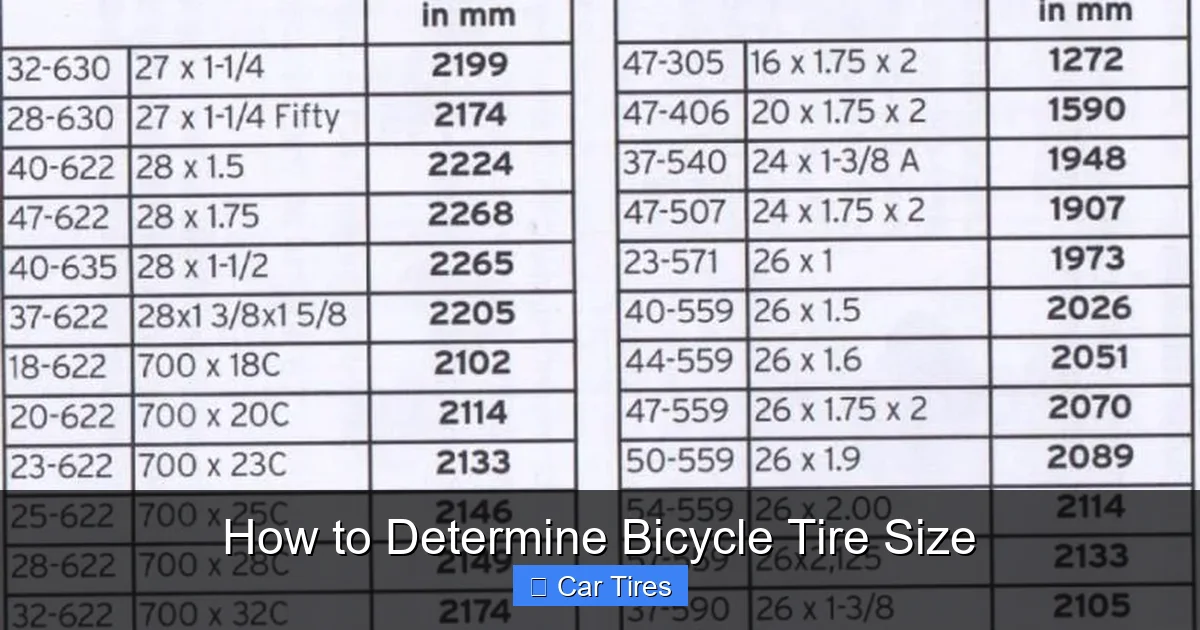
– **ISO/E.T.R.T.O. (e.g., 25-622):** This is the most precise system, showing width in millimeters and bead seat diameter in millimeters. It’s used globally and recommended for compatibility checks.
For example, a tire marked “700x28c” has an approximate 700mm outer diameter and is 28mm wide. Its ISO equivalent would be “28-622,” meaning 28mm wide with a 622mm bead seat diameter. Always look for the ISO number if available—it’s the gold standard for accuracy.
Where to Find the Markings
Sidewall markings are usually located on the side of the tire, between the tread and the rim. You may need to rotate the wheel or clean off dirt to see them clearly. On some tires, especially budget or older models, the text may be faded or partially worn. In such cases, use a flashlight or magnifying glass to read the numbers.
Pro tip: Take a photo of the sidewall with your phone before removing the tire. This gives you a permanent reference, especially if the markings wear off over time.
Understanding ISO and E.T.R.T.O. Standards
Visual guide about How to Determine Bicycle Tire Size
Image source: images.template.net
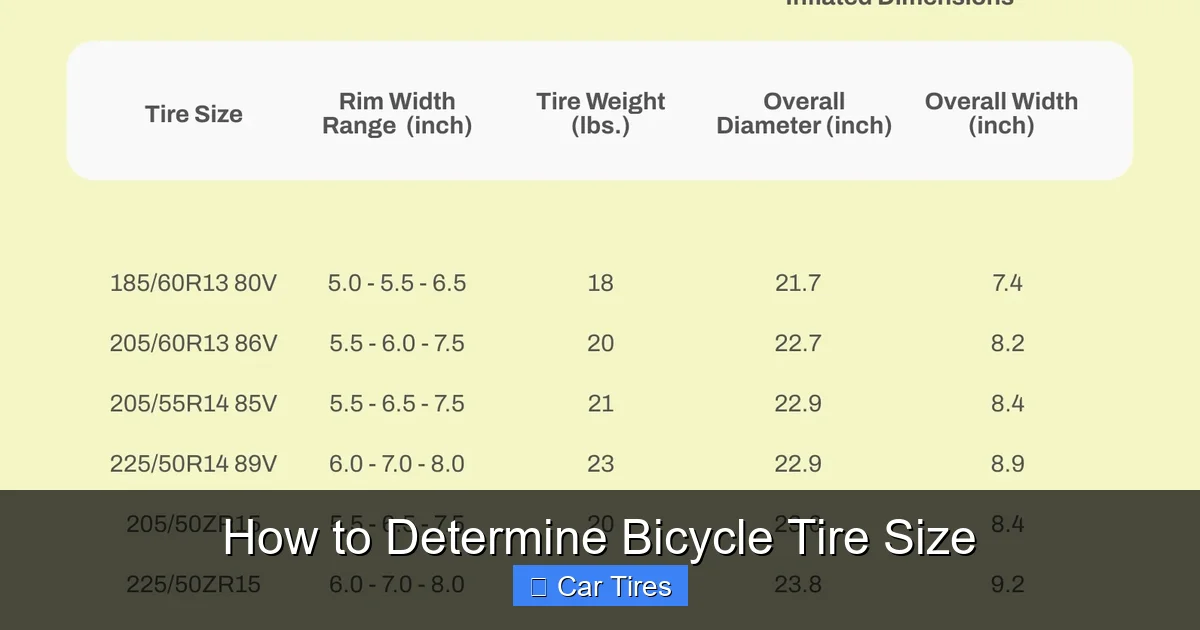
If you want to be certain about your tire size, the ISO (International Organization for Standardization) system—also known as E.T.R.T.O. (European Tire and Rim Technical Organization)—is your best friend. Unlike older systems that rely on approximations, ISO uses exact measurements in millimeters, reducing confusion and improving compatibility.
How the ISO System Works
The ISO format is written as two numbers separated by a hyphen: **width-bead seat diameter**. For example, “32-622” means the tire is 32mm wide and designed to fit a rim with a 622mm bead seat diameter (the inner circumference where the tire bead locks into place).
This system eliminates ambiguity. A “26-inch” tire could have a bead seat diameter ranging from 559mm to 599mm, depending on the type. But with ISO, you know exactly what you’re getting. Most modern tires include the ISO number alongside other formats, so always prioritize this when available.
Why ISO Matters for Compatibility
Using the ISO system helps prevent installation errors. For instance, a 26×1.95 mountain bike tire (ISO 50-559) won’t fit a 26×1.0 road tire rim (ISO 25-590), even though both are labeled “26-inch.” The bead seat diameters differ by 31mm—enough to cause a dangerous mismatch.
When replacing tires, always match the ISO bead seat diameter of your existing tire or rim. You can find this number stamped on the rim’s inner wall or in your bike’s manual. If you’re unsure, consult a bike shop or use an online compatibility chart.
Measuring Tire Size Manually
Visual guide about How to Determine Bicycle Tire Size
Image source: vilanobikes.com
Sometimes, tire markings are too worn to read, or you’re working with a custom or vintage bike. In these cases, measuring the tire manually is a reliable backup method. While not as precise as ISO numbers, physical measurements can help you estimate size and narrow down options.
Measuring Tire Width
To measure tire width:
1. Inflate the tire to its recommended pressure (check the sidewall for PSI range).
2. Use a flexible tape measure or caliper to measure the widest point of the tire from sidewall to sidewall.
3. Record the measurement in millimeters (mm).
For example, if your tire measures 28mm wide, you’ll likely need a tire labeled “28c” or “28-622” for a 700c wheel.
Tip: Measure when the tire is mounted and inflated. Unmounted or deflated tires can give inaccurate readings due to deformation.
Measuring Tire Diameter
Measuring diameter is trickier because it depends on inflation and load. However, you can estimate it using the circumference method:
1. Mark a spot on the tire tread.
2. Roll the bike forward in a straight line until the mark touches the ground again.
3. Measure the distance traveled—this is the circumference.
4. Divide the circumference by π (3.1416) to get the diameter.
For example, if the circumference is 2130mm, the diameter is approximately 678mm. Compare this to standard ISO bead seat diameters (e.g., 622mm for 700c) to identify your size.
Alternatively, use a tape measure to measure from the ground to the center of the axle, then double it. This gives you the outer diameter, which you can cross-reference with tire size charts.
Checking Rim Width and Compatibility
Even with the correct tire size, compatibility depends on your rim width. A tire that’s too wide can pinch the rim, while one that’s too narrow may not seat properly.
To check rim width:
1. Remove the tire and measure the inner width of the rim (between the bead hooks) using calipers.
2. Compare this to the tire’s recommended rim width range, usually listed in the manufacturer’s specs.
As a general rule:
– Narrow rims (13–17mm): Use 23–28mm tires.
– Medium rims (17–21mm): Use 28–35mm tires.
– Wide rims (21mm+): Use 35mm+ tires.
Always leave a small margin for safety. If your rim is 19mm wide, a 32mm tire should work, but a 40mm tire might be too tight.
Matching Tire Size to Your Bike Type
Different bikes are designed for different purposes, and tire size plays a key role in performance. Choosing the right size ensures you get the best ride for your needs.
Road Bikes
Road bikes prioritize speed and efficiency, so they use narrow, high-pressure tires. Common sizes include:
– 700x23c (ISO 23-622): Lightweight and fast, ideal for racing.
– 700x25c (ISO 25-622): A popular balance of speed and comfort.
– 700x28c (ISO 28-622): Increasingly common for endurance riding, offering better shock absorption.
Wider tires (30–32mm) are gaining popularity on road bikes for improved grip and comfort, especially on rough pavement. Just ensure your frame and brakes have enough clearance.
Mountain Bikes
Mountain bikes need wide, knobby tires for traction on dirt, rocks, and roots. Sizes vary by wheel diameter:
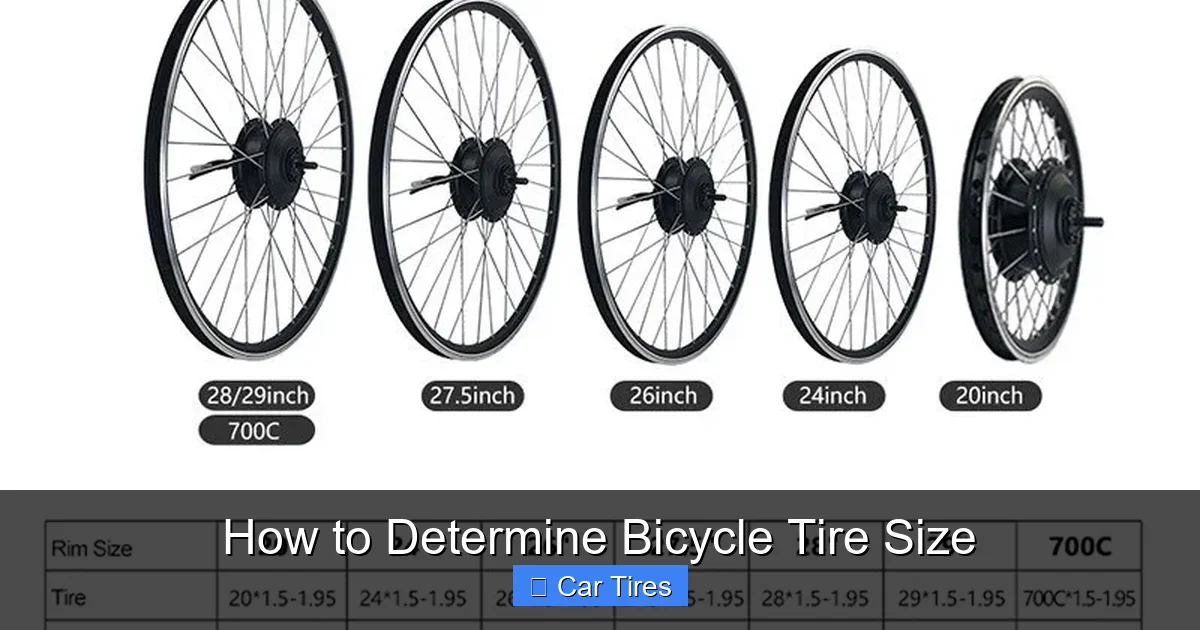
– 26-inch (ISO 559): Older MTB standard, still used on some trail and downhill bikes.
– 27.5-inch (ISO 584): A middle ground between agility and rollover ability.
– 29-inch (ISO 622): Common on cross-country bikes for better momentum and obstacle clearance.
Widths range from 1.9” to 2.6” (48–66mm), depending on terrain. Wider tires offer more grip but add weight and rolling resistance.
Hybrid and City Bikes
Hybrids blend road and mountain bike features, using moderately wide tires for versatility. Common sizes:
– 700x32c to 700x38c: Good for pavement, gravel, and light trails.
– 26×1.75 to 26×2.0: Found on older hybrids and comfort bikes.
These tires balance speed, comfort, and durability—perfect for commuting or recreational riding.
BMX and Kids’ Bikes
BMX bikes typically use 20-inch wheels (ISO 406), with widths from 1.75” to 2.4”. Kids’ bikes vary by age and size:
– 12-inch (ISO 203): Toddler bikes.
– 16-inch (ISO 305): Young children.
– 20-inch (ISO 406): Older kids and BMX.
Always check the manufacturer’s recommendations for kids’ bikes, as sizes can vary.
Upgrading and Replacing Tires: What to Know
Replacing a tire isn’t just about matching size—it’s an opportunity to improve your ride. Whether you’re upgrading for comfort, speed, or durability, a few key considerations will help you make the right choice.
Can You Go Wider?
Many riders upgrade to slightly wider tires for better comfort and grip. For example, switching from 23c to 28c on a road bike can reduce fatigue on long rides. However, you must check:
– **Frame clearance:** Ensure there’s at least 3–5mm of space between the tire and frame/fork.
– **Brake clearance:** Rim brakes may not accommodate very wide tires.
– **Rim compatibility:** Wider tires need wider rims to seat properly.
Most modern road and hybrid bikes can handle up to 32mm tires, but always verify with your manufacturer.
Tubeless vs. Tubed Tires
Tubeless tires are becoming popular for their puncture resistance and lower rolling resistance. However, they require specific rims and sealant. If you’re switching to tubeless, ensure your wheels are compatible and follow proper installation steps.
For most riders, tubed tires are simpler and more affordable. Just carry a spare tube and patch kit for emergencies.
Reading Load and Speed Ratings
Tires also have load and speed ratings, usually marked as a two-digit number and letter (e.g., “54F”). These indicate maximum weight and speed:
– Load index: 54 = 212 lbs (96 kg).
– Speed rating: F = 50 mph (80 km/h).
Choose tires that meet or exceed your bike’s requirements. Overloading or exceeding speed limits can cause blowouts.
Where to Buy and What to Look For
Buy tires from reputable bike shops or online retailers like REI, Chain Reaction Cycles, or Amazon. Look for:
– Clear size markings (preferably ISO).
– Brand reputation (e.g., Continental, Schwalbe, Michelin).
– User reviews and ratings.
– Warranty or return policy.
Avoid cheap, no-name tires—they often lack durability and safety standards.
Common Mistakes to Avoid
Even experienced riders make tire size mistakes. Here are the most common pitfalls and how to avoid them:
Assuming All “26-inch” Tires Are the Same
As mentioned earlier, “26-inch” can refer to multiple ISO sizes (559, 571, 590, 599). Always check the bead seat diameter to ensure compatibility.
Ignoring Rim Width
A 2.5” mountain bike tire won’t fit a narrow road rim. Always match tire width to rim width using compatibility charts.
Overinflating or Underinflating
Tire pressure affects performance and safety. Overinflation increases puncture risk; underinflation causes sluggish handling. Use a quality pump with a gauge and follow the PSI range on the sidewall.
Mixing Tire Types
Avoid mixing slick and knobby tires or different tread patterns. This can cause unpredictable handling, especially in wet conditions.
Skipping the Test Ride
After installing new tires, take a short test ride in a safe area. Check for rubbing, wobbling, or unusual noise. Adjust pressure or alignment if needed.
Conclusion
Determining bicycle tire size doesn’t have to be complicated. By reading sidewall markings, understanding ISO standards, and measuring when necessary, you can confidently choose the right tire for your bike. Whether you’re replacing a worn-out tire or upgrading for better performance, the right size ensures a safer, smoother, and more enjoyable ride.
Remember: tire size affects everything from speed and comfort to handling and safety. Take the time to get it right. Consult your bike’s manual, use compatibility charts, and don’t hesitate to ask a professional if you’re unsure. With the right tire, every ride becomes an adventure.
Investing in quality tires and understanding how to determine bicycle tire size is one of the smartest decisions you can make as a cyclist. It’s not just about fitting your wheel—it’s about enhancing your entire riding experience.
Frequently Asked Questions
How do I find my bike tire size if the markings are worn off?
If the sidewall markings are unreadable, measure the tire width with calipers when inflated, and estimate diameter using the circumference method. Compare your measurements to standard ISO sizes to identify the closest match.
Can I use a 700x28c tire on a 700x25c rim?
Yes, as long as your rim width is compatible (typically 17–21mm) and there’s enough frame and brake clearance. Wider tires can improve comfort and grip without sacrificing performance.
What does “700c” mean on a bicycle tire?
“700c” refers to a nominal outer diameter of approximately 700mm, part of the French sizing system. It’s commonly used on road and hybrid bikes, but the exact bead seat diameter is usually 622mm (ISO standard).
Are 26-inch and 650b tires the same?
No. 26-inch tires typically have a 559mm bead seat diameter, while 650b (or 27.5-inch) tires use 584mm. They are not interchangeable, even though both are used on mountain bikes.
How often should I replace my bicycle tires?
Replace tires when the tread is worn, cracks appear on the sidewall, or you experience frequent flats. Most tires last 1,000–3,000 miles, depending on usage and conditions.
Can I mix different tire sizes on the same bike?
It’s not recommended. Mixing sizes can affect handling, braking, and gear ratios. Always use matching tires on both wheels for optimal performance and safety.
