
How to Clean Jeep Seats

Cleaning your Jeep seats is essential for maintaining your vehicle’s value and comfort, especially after off-road adventures. This guide covers everything from identifying your seat material to using the right tools and techniques for cloth, leather, and vinyl. You’ll learn how to tackle tough stains like mud and grease, eliminate odors, and establish a simple maintenance routine to keep your Jeep’s interior looking fresh for years to come.
Let’s be honest: your Jeep’s seats take a beating. Whether you’re navigating rocky trails in a Wrangler, carpooling in a Grand Cherokee, or enjoying a weekend getaway in a Gladiator, your seats endure mud, sand, coffee spills, and the occasional forgotten snack. Keeping them clean isn’t just about pride; it’s about preserving your vehicle’s interior, maintaining its resale value, and ensuring every drive is comfortable. But where do you start? The world of car seat cleaning is full of myths and missteps. Fear not. This comprehensive, friendly guide will walk you through everything you need to know to clean your Jeep seats effectively and safely, no matter the material. We’ll break it down step-by-step, so you can tackle any mess with confidence.
Key Takeaways
- Identify your seat material first: Jeep seats come in cloth, leather, vinyl, or Startex, and each requires specific cleaners and methods. Using the wrong product can cause damage.
- Gather the right tools: Essential items include a vacuum with crevice tool, soft-bristle brushes, microfiber towels, and pH-balanced cleaners designed for your specific material.
- Always vacuum before you wet clean: Removing loose dirt and grit prevents scratching surfaces and grinding debris deeper into fibers during the cleaning process.
- Test cleaners in an inconspicuous spot: Always apply any cleaning solution to a hidden area first to check for colorfastness and material reaction.
- Condition leather and protect vinyl: After cleaning, leather needs conditioner to prevent cracking, while vinyl and Startex benefit from UV-protectant sprays to avoid fading.
- Address spills and stains immediately: The sooner you treat a mess, the easier it is to remove. Letting stains set makes them much harder to eliminate.
- Establish a regular cleaning routine: Quick monthly cleanings prevent deep-ground dirt buildup, making major detailing sessions less frequent and easier.
📑 Table of Contents
Understanding Your Jeep Seat Materials
Before you buy a single bottle of cleaner, you need to know what your seats are made of. Using a leather conditioner on cloth seats is a recipe for disaster, and a harsh vinyl cleaner on delicate leather will leave it cracked and faded. Jeep uses several materials across its models and trim levels. Here’s a breakdown of the most common ones you’ll encounter.
Cloth Seats
Cloth is the most common and practical choice, especially in base and mid-trim models. It’s breathable and comfortable but also a magnet for stains, odors, and ground-in dirt. Jeep cloth seats are typically a polyester blend, often with a moisture-resistant coating. This coating helps repel light spills but can break down over time with harsh cleaners. Look for labels like “STOFF” (Seat Fabric of the Future) or similar brand names on your seats. The weave can be tight or loose; a loose weave is more prone to holding grit and stains.
Leather Seats
Leather is a premium option found on higher-trim Grand Cherokees, Grand Wagoneers, and some Wrangler models. Jeep often uses treated cowhide, which is more durable than untreated leather but still requires specific care. The finish can vary from a soft, natural feel to a more robust, protected surface. Key signs of leather include a distinct smell, a smooth or grainy texture, and it will feel cool to the touch initially. Be aware of “leather-trimmed” seats, which have leather on the seating and back surfaces but cloth on the sides and bolsters—you’ll need to clean both materials appropriately.
Vinyl and Startex Seats
Vinyl is a durable, waterproof synthetic material common in many Jeeps, especially those aimed at outdoor enthusiasts. It’s easy to wipe clean and resists stains incredibly well. Startex is Jeep’s branded, high-grade vinyl material, often found on Rubicon models and with the “Trail Rated” badge. It’s designed to be ultra-durable and easy to maintain, with a texture that mimics leather but without the maintenance. Both vinyl and Startex don’t “breathe” like cloth, so they can get hot in the sun and feel sticky. They are, however, the most forgiving material for cleanup.
How to Identify: Perform the “water test.” Place a few drops of water on an inconspicuous spot. If it beads up and rolls off, it’s likely vinyl or a heavily coated cloth. If it soaks in slowly, it’s probably cloth or untreated leather. If it soaks in quickly and the area darkens, it’s almost certainly untreated leather. Always check your owner’s manual for the definitive material specification for your specific VIN.
Essential Tools and Products for the Job
Having the right arsenal makes all the difference. You don’t need a professional detailer’s toolkit, but skimping on quality can ruin your seats. Here’s your shopping list, separated by must-haves and nice-to-haves.

Visual guide about How to Clean Jeep Seats
Image source: trailandsummit.com
The Core Cleaning Kit
- Vacuum Cleaner: A powerful vacuum with a crevice tool and a soft brush attachment is non-negotiable. A shop vac is ideal for its strong suction, but a good household vacuum works. The brush attachment is crucial for agitating dirt without damaging surfaces.
- Microfiber Towels: Get plenty of high-quality, clean, lint-free microfiber towels. They are super absorbent and won’t scratch. You’ll use them for wiping, drying, and applying products. Have separate towels for different stages to avoid transferring dirt.
- Soft-Bristle Brushes: A set of soft-bristle brushes (like a detailing brush or a new, soft paintbrush) is perfect for agitating cleaner into cloth fibers and scrubbing seams without causing damage. Avoid stiff or wire brushes.
- Bucket: A simple bucket for your cleaning solution. Two buckets—one for clean rinse water and one for soapy water—is a pro tip that prevents you from wiping dirty water back onto the seats.
Choosing the Right Cleaners and Conditioners
This is where material knowledge pays off. Always use products labeled for your specific seat material.
- For Cloth Seats: Use a dedicated automotive fabric cleaner or a mild pH-balanced upholstery shampoo. Avoid household carpet cleaners, which can leave a sticky residue that attracts more dirt. Look for products with enzymatic formulas if you have organic stains or odors. For a DIY option, a diluted solution of distilled water and a few drops of clear, dye-free dish soap (like Dawn) can work in a pinch, but test thoroughly.
- For Leather Seats: You need a two-part system: a gentle leather cleaner (pH-balanced, non-abrasive) and a leather conditioner/restorer. The cleaner removes dirt and oils without stripping the protective finish. The conditioner replenishes natural oils, preventing the leather from drying, cracking, and fading. Never use saddle soap, household leather polish, or wipes not designed for automotive leather.
- For Vinyl/Startex Seats: A simple all-purpose vinyl cleaner or even a diluted all-purpose cleaner (APC) works well. For Startex, Jeep recommends specific products, but any high-quality vinyl cleaner will suffice. Follow up with a vinyl protectant or dressing that contains UV inhibitors to prevent sun damage and cracking, especially important for Jeeps with removable tops.
Pro Tip: When in doubt, start with the mildest cleaner possible and increase strength only as needed. For all materials, avoid products with harsh solvents, ammonia, bleach, or silicone-based shines that can leave greasy films.
Step-by-Step Cleaning Process for Each Material
Now, let’s get our hands dirty. The fundamental process is similar for all materials: vacuum, pre-treat, clean, extract/rinse, and dry. The specifics change with the material. Always work in sections (e.g., the driver’s seat bottom, then back, then the passenger seat).

Visual guide about How to Clean Jeep Seats
Image source: offroadgearlab.com
Cleaning Cloth Seats
Cloth is the most labor-intensive but also the most rewarding when you see a stain vanish.
Step 1: Thorough Vacuuming. Use the crevice tool to get into all seams, stitching, and where the seat meets the backrest. Use the soft brush attachment on the surface to lift loose dirt and hair. Don’t rush this; 80% of the cleaning is removing dry debris.
Step 2: Pre-Treat Stains. Identify any visible stains. Apply a small amount of your fabric cleaner or a dedicated stain remover directly to the stain. Gently agitate with a soft brush or your fingers. Let it dwell for 5-10 minutes, but don’t let it dry completely.
Step 3: Shampoo the Entire Surface. Mix your cleaning solution in a bucket according to the product directions. Dip a soft brush into the solution, wring it out until it’s damp, not soaking, and work it into the fabric using a circular motion. You should see suds and dirt lifting into the brush. For large areas, you can use a clean, damp microfiber towel in place of a brush for a gentler approach.
Step 4: Extraction/Rinsing. This is the critical step. You must remove the dirty cleaning solution. The best method is to use a wet/dry vacuum or an extractor (like a Bissell SpotClean Pro) to suck the water and dirt out. If you don’t have an extractor, use a clean, damp microfiber towel. Wipe the area firmly, rinsing the towel frequently in your clean rinse water bucket. You may need to go over the area several times until the towel comes away clean. Leaving soap residue will attract dirt like a magnet.
Step 5: Speed Drying. Use a clean, dry microfiber towel to blot as much moisture as possible. Then, use a portable fan or, if possible, leave the doors open with the Jeep parked in a sunny, dry area. You can also use the vehicle’s HVAC fan on high with the windows down to circulate air. Never use a hair dryer or heat gun, as high heat can set stains and damage fibers. Ensure seats are completely dry before reassembling or using the vehicle to prevent mold and mildew.
Cleaning Leather Seats
Leather is more delicate but often easier to clean than cloth if you use the right products. The goal is to clean and condition without damaging the finish.
Step 1: Gentle Vacuuming. Use the soft brush attachment. Be sure to get into the folds and seams where debris collects. The brush attachment is essential to prevent scratching the leather surface.
Step 2: Apply Cleaner. Spray a small amount of automotive leather cleaner onto a soft, clean microfiber towel (never directly onto the leather, as it can pool and seep into seams). Wipe the surface in gentle, overlapping circles. You’ll see the dirt transfer to the towel. For textured leather, you may need to use a soft brush dipped in cleaner to get into the grain. Work on one section at a time.
Step 3: Wipe and Buff. Immediately after applying the cleaner, use a second clean, dry microfiber towel to wipe away any residue and buff the surface to a soft sheen. This prevents the cleaner from sitting and potentially affecting the finish.
Step 4: Condition (The Most Important Step). Once the entire seat is clean and dry (wait at least 30 minutes), apply a high-quality leather conditioner. Put a small amount on a microfiber towel and rub it into the leather in gentle, circular motions. Let it sit for a few minutes, then buff off any excess with a clean towel. Conditioning replenishes oils lost during cleaning and from sun exposure. Do this every 2-3 months for best results.
Special Note on Perforated Leather: If your seats have tiny holes (perforation), be extremely careful. Use minimal liquid, apply conditioner with a light touch, and never saturate the surface. A spray-on conditioner designed for perforated leather is ideal.
Cleaning Vinyl and Startex Seats
This is the easiest and most straightforward process. Vinyl is tough and non-porous.
Step 1: Wipe Down. For light dust and grime, a damp microfiber towel is often all you need. Wipe down all surfaces.
Step 2: Deep Clean. For stuck-on dirt, mud, or spills, spray your vinyl cleaner or diluted APC onto a microfiber towel or a soft brush. Scrub the surface. The grime will lift easily. For textured surfaces, use a soft brush to agitate the cleaner into the grain.
Step 3: Rinse and Dry. Wipe the area with a clean, damp microfiber towel to remove any cleaner residue. Immediately follow with a dry towel to prevent water spots. Vinyl dries almost instantly.
Step 4: Protect. After cleaning and drying, apply a vinyl protectant or dressing. Spray it onto a microfiber towel and wipe it onto the surfaces. This step is crucial for Jeeps, as it creates a barrier against UV rays, which is the primary cause of vinyl cracking and fading, especially on removable tops or soft tops. Reapply every 1-2 months.
Tackling Tough Stains and Odors
Even with regular cleaning, life happens. Here’s how to handle the most common Jeep seat nightmares.
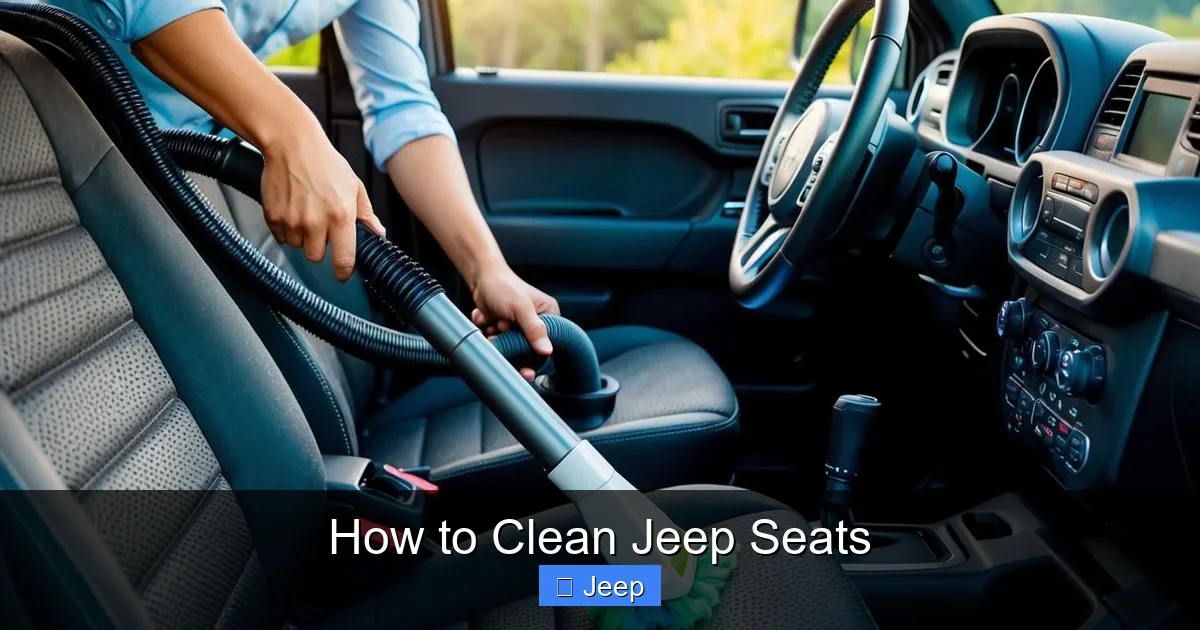
Visual guide about How to Clean Jeep Seats
Image source: koala.sh
Mud and Grass Stains (The Off-Roader’s Bane)
Mud contains tannins and soil that can permanently stain. Let it dry completely first—trying to clean wet mud just grinds it in. Once dry, vacuum thoroughly to remove all loose particles. For cloth, pre-treat with a fabric stain remover or a paste of baking soda and water, let sit, then shampoo. For vinyl/leather, use a dedicated mud/grass remover or an APC with a soft brush. The key is patience and multiple gentle applications.
Grease and Oil Stains
From mechanics or fast food. On cloth, sprinkle a thick layer of cornstarch or baking soda on the stain, let it sit for 15 minutes to absorb the oil, then vacuum it up before shampooing. On leather and vinyl, use a degreaser specifically designed for automotive interiors. Apply sparingly with a towel, do not scrub aggressively, and rinse immediately.
Organic Stains & Odors (Coffee, Vomit, Pet Accidents)
These require enzymatic cleaners. Enzymes break down the proteins and bacteria that cause both the stain and the smell. For cloth, use an enzymatic upholstery cleaner, soak the area, let it dwell for the recommended time (often 10-15 minutes), then extract thoroughly. For leather and vinyl, clean the surface with an APC first, then apply the enzymatic cleaner, but be aware it may need a second wipe with a damp cloth. For persistent odors, after cleaning, sprinkle baking soda on the cloth seat, let it sit overnight, and vacuum the next day. For all materials, ensure the area is completely dry, as moisture breeds bacteria and smells.
Sunscreen and Makeup
These can leave oily, discolored patches. On vinyl and leather, a quick wipe with a dedicated interior cleaner usually works. On cloth, pre-treat with a stain remover gel, then shampoo. For makeup, a small amount of rubbing alcohol on a cotton swab can tackle the spot, but test for colorfastness first.
Maintaining Clean Seats Long-Term: Prevention is Key
Cleaning is a reaction. Maintenance is the proactive strategy that saves you hours of work. Incorporate these habits into your Jeep ownership routine.
- Vacuum Weekly: A quick 5-minute vacuum with the brush attachment removes abrasive dirt and sand before it grinds into fibers and causes wear. Don’t forget under the seats and in the crevices.
- Use Seat Covers: For daily-driven Jeeps, especially those used for work or pets, high-quality, waterproof seat covers are the best investment. They are removable and washable, taking the brunt of the mess. Look for covers that are custom-fit for your Jeep model.
- Address Spills Immediately: Blot, don’t rub. Use a clean, dry microfiber towel to absorb as much liquid as possible. For colored spills, follow with a damp towel. The faster you act, the less likely it is to stain.
- Park in the Shade or Use a Sunshade: UV radiation is the number one enemy of all interior materials. It fades cloth and leather and cracks vinyl. A good sunshade for the windshield is a cheap, effective tool. If you have a soft top, consider a storage bag when parked for long periods.
- Implement a “No Food/Drink” Rule: This is the single most effective rule for preventing stains. It’s hard, but it works.
- Regular Conditioning: For leather, condition every 2-3 months. For vinyl/Startex, apply a protectant with UV inhibitors monthly during sunny seasons. This keeps materials supple and resistant to damage.
For a deeper dive into overall car interior maintenance, our guide on how to clean a Lexus interior provides universal principles that apply beautifully to your Jeep, especially regarding material-specific care and tool selection.
Conclusion: Your Jeep’s Interior, Your Sanctuary
Cleaning your Jeep seats doesn’t have to be a dreaded chore. By understanding your seat material, arming yourself with the correct tools and products, and following a systematic process, you can transform your interior from grimy to glorious. Remember, your Jeep is an extension of your adventurous spirit. A clean, fresh cabin makes every journey—whether to the grocery store or the mountain summit—more enjoyable. Start with a good vacuum, be gentle with your materials, and make maintenance a habit. A little effort goes a long way in keeping your Jeep’s interior as tough and ready for action as the rest of the vehicle. Now, grab your microfiber towels and get cleaning!
While you’re focusing on your Jeep’s upkeep, don’t forget about other essential maintenance tasks. For instance, after any major service, it’s crucial to reset your Jeep’s oil change light to ensure your maintenance reminders stay accurate. Similarly, if you’ve disconnected the battery, you may need to reset certain vehicle systems to restore full functionality. Keeping up with these small tasks ensures your Jeep runs as smoothly as it looks.
Frequently Asked Questions
How often should I deep clean my Jeep seats?
For daily-driven Jeeps, a deep clean every 3-6 months is recommended, depending on use. For off-road or work vehicles, you may need to clean them quarterly. Always follow up with regular weekly vacuuming and immediate spill treatment to minimize the need for harsh deep cleans.
What’s the safest cleaner to use on all Jeep seat materials?
There is no true “one-size-fits-all” cleaner. The safest approach is to use a dedicated, pH-balanced product for each material: fabric cleaner for cloth, automotive leather cleaner/conditioner for leather, and vinyl cleaner for vinyl/Startex. Using the wrong type can cause permanent damage, so always identify your material first.
How do I remove a dried, set-in mud stain from cloth seats?
First, vacuum the area thoroughly to remove all loose particles. Then, pre-treat the stain with a dedicated fabric stain remover or a paste of baking soda and water, letting it sit for 15 minutes. Use a soft brush to agitate gently. Finally, shampoo the area with a fabric cleaner and extract the dirty water thoroughly with a wet/dry vacuum. Repeat if necessary.
What’s the best way to get rid of pet odor from cloth seats?
Pet odors require enzymatic cleaners that break down the organic compounds causing the smell. After a thorough vacuum, apply an enzymatic upholstery cleaner to the affected area, saturating it slightly. Let it dwell for the full time specified on the product (usually 10-20 minutes). Then, extract the area completely with a wet/dry vacuum. Finally, sprinkle baking soda over the area, let it sit overnight, and vacuum it up the next day.
Can I machine wash removable Jeep seat covers?
Yes, if your Jeep has removable, factory-installed seat covers (check your manual). Machine wash them on a gentle cycle with cold water and mild detergent. Never use bleach or fabric softener. Air dry completely—never machine dry—as heat can shrink the fabric and damage any elastic or fasteners. For non-removable covers, you must clean them in place using the methods described above.
Should I consider professional detailing for my Jeep seats?
Professional detailing is a great option if you have severe, set-in stains, mold/mildew from water damage, or if you simply don’t have the time or tools for a proper deep clean. They have industrial extractors and specialized products that can achieve results difficult to match at home. For routine maintenance, however, DIY methods are perfectly effective and more economical.
