How To Choose A Road Bike Helmet: Best Fit And Safety Tips

Contents
- 1 Why choosing the right helmet matters
- 2 Key features to consider when choosing a road bike helmet
- 3 MIPS and other rotational protection technologies
- 4 How to measure your head and get the right fit
- 5 Types of road bike helmets and when to choose them
- 6 Maintenance, lifespan, and when to replace your helmet
- 7 Budget, brands, and buying advice
- 8 Common mistakes to avoid when choosing a road bike helmet
- 9 Quick PAA-style questions
- 10 Frequently Asked Questions of how to choose a road bike helmet
- 11 Final thoughts and next steps


Pick a road bike helmet that fits well, meets safety standards, and matches your riding style.
I’ve spent years testing helmets on group rides, long solo miles, and quick commutes. This guide on how to choose a road bike helmet walks you through fit, safety, comfort, and features with clear steps and real-world tips. You’ll learn which features matter, how to measure your head, and practical buying advice so you can pick a helmet that keeps you safe and feels great on every ride.
Why choosing the right helmet matters
A helmet is the most important safety gear you will wear on a bike. The right road bike helmet reduces head injury risk, improves comfort, and helps you ride longer. Choosing the wrong helmet can mean poor fit, low protection, and a helmet you never wear.
I learned this the hard way after buying a cheap helmet that slid forward on hard climbs. I switched to a model with a better retention system and felt safer immediately. Real-world testing taught me that small details matter for fit and function.

Key features to consider when choosing a road bike helmet
Picking a helmet means balancing safety, fit, ventilation, weight, and price. Focus first on fit and safety. Then match style and ventilation to your riding.
-
Fit
- A helmet should sit level on your head and low on the forehead.
- It should not rock side-to-side or front-to-back.
- Use the retention dial and chin strap to fine-tune fit.
-
Safety standards
- Look for helmets certified to regional standards (for example, CPSC in the U.S., CE or EN in Europe).
- Certification ensures basic impact protection and testing.
-
Construction and protection
- Most road helmets use EPS foam with a hard outer shell.
- Some helmets include multi-density foam or reinforcement for added protection.
- Consider helmets with rotational-impact tech for extra protection against certain impacts.
-
Ventilation and airflow
- More vents mean better cooling but can reduce aero performance.
- Choose based on climate and ride intensity.
-
Weight and comfort
- Lightweight helmets feel better on long rides.
- Comfort pads, strap layout, and liner materials affect fit and sweat management.
-
Visibility and extras
- Bright colors or integrated lights help with visibility.
- Removable visors, eyewear grooves, and pockets for action-cam mounts can be handy.
How to balance features
- Prioritize fit and safety over weight or looks.
- Choose ventilation to match your usual ride temperature.
- Decide if aero features are worth any trade-off in cooling.

MIPS and other rotational protection technologies
Rotational forces can worsen brain injuries in some crashes. Many helmets now include technologies to reduce those forces.
-
What MIPS does
- MIPS provides a low-friction layer that allows slight relative movement between the head and helmet on angled impacts.
- It can lower rotational acceleration in certain crash scenarios.
-
Other systems
- Brands may use their own names or designs for rotational protection.
- Effectiveness varies; technology supplements impact protection but does not replace proper fit.
My experience: a helmet with rotational tech felt the same in comfort but gave me extra peace of mind. If the price difference is small, I recommend choosing a helmet with rotational protection.

How to measure your head and get the right fit
Fit is the single biggest factor in choosing a road bike helmet. Follow these steps to measure and test fit.
-
Measure your head
- Use a soft tape measure. Wrap it around your head 1 inch above the eyebrows.
- Note the circumference in centimeters or inches.
-
Try helmets in your size range
- Sizes vary between brands. Pick the size that matches your measurement.
- Use the retention system to dial the helmet snug.
-
Perform fit checks
- Rock test: With straps fastened, move the helmet side-to-side and front-to-back. It should not move independently of your skull.
- Chin strap test: The strap should form a V under each ear. Chin strap should be snug with one finger space.
-
Wear time test
- Wear the helmet for 15–30 minutes. Check for pressure points and comfort.
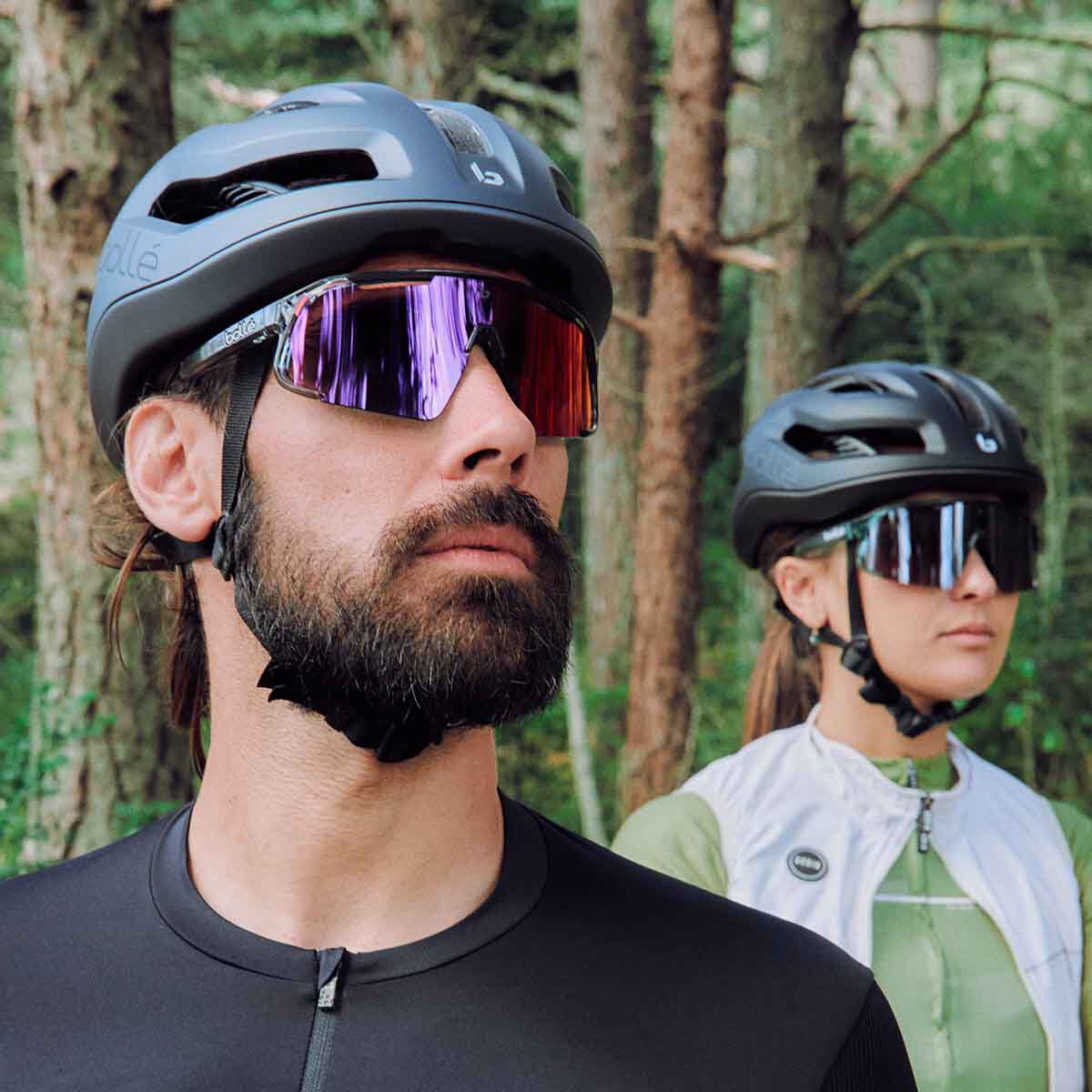
- Test with your usual eyewear and hair style.
I keep a small note on my phone with my head measurement and preferred brands. That saves time when shopping online or in-store.
Types of road bike helmets and when to choose them
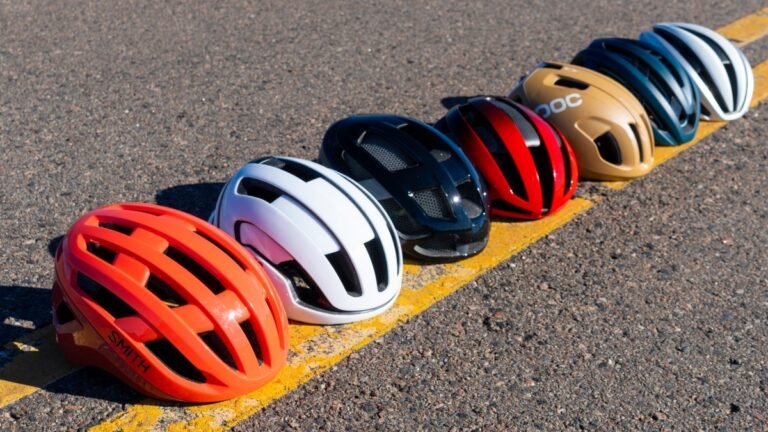
Different helmets suit different riding styles. Match the helmet to how and where you ride.
-
Race helmets
- Designed for low weight and good ventilation.
- Best for fast road rides and racers who want maximum cooling.
-
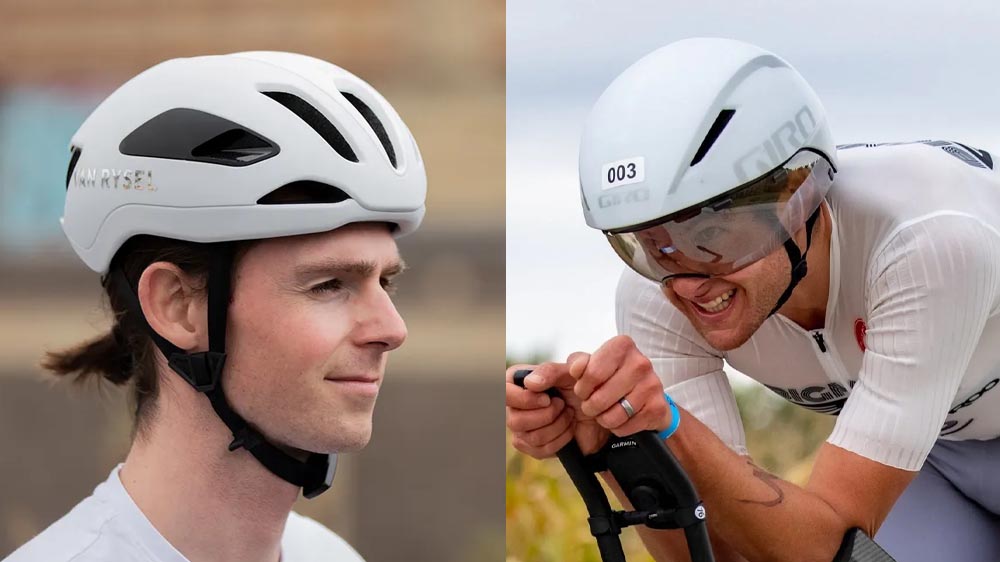
Aero helmets
- Smooth shell and fewer vents to reduce drag.
- Best for time trials or riders prioritizing speed over cooling.
-
Endurance helmets
- Blend comfort and ventilation for long rides.
- Often include extra padding and fit features.
-
Gravel and adventure helmets
- More coverage at the back of the head.
- Often support mounts for lights and goggles.
-
Commuter helmets
- Focus on visibility, integrated lights, and durability.
- Good for city riding and bikepacking.
Pick a style that fits how you ride most often. I use an endurance helmet for most outings and switch to aero when testing speed on flat group rides.

Maintenance, lifespan, and when to replace your helmet
Helmets take damage over time. Replace them when needed to stay protected.
-
Lifespan guidelines
- Replace after a crash. Even if no visible damage appears, internal foam can be compromised.
- Many manufacturers recommend replacing a helmet every 3–5 years.
-
Care tips
- Clean with mild soap and water. Avoid strong solvents.
- Store out of direct sun and extreme heat.
- Replace pads when worn for comfort.
-
Inspect regularly
- Check straps, retention systems, and shell for cracks or damage.
- Replace if any parts fail or show wear.
I once delayed replacing an old helmet and noticed foam compression after a minor fall. Don’t delay—replace early when in doubt.

Budget, brands, and buying advice
You can find a good helmet at many price points. Spend on what matters most: fit and safety.
-
Budget tips
- Entry-level helmets often meet safety standards but may be heavier.
- Mid-range helmets balance weight, ventilation, and comfort.
- High-end helmets offer lighter weight, better ventilation, and tech features.
-
Try before you buy
- Test fit in-store if possible. Bring your sunglasses and any headwear you normally use.
- If buying online, check return policies and size guides.
-
Personal buying checklist
- Fit level: snug and stable
- Safety rating: certified to regional standard
- Ventilation: matches climate and ride style
- Retention system: easy and secure
- Rotational protection: preferred if available
I mid-range buy most often. I find the best value there for comfort and tech. A cheap helmet that fits well is better than an expensive helmet that does not.
Common mistakes to avoid when choosing a road bike helmet
Avoid these pitfalls to pick the right helmet faster.
-
Buying only for looks
- Appearance is fine, but fit and protection matter more.
-
Ignoring fit checks
- Skipping the rock test or wear-time check often leads to a helmet that bothers you.
-
Not replacing after impact
- Impact can damage internal foam even with no visible cracks.
-
Choosing vents over comfort in cold climates
- Too much ventilation can be uncomfortable on chilly rides.

Quick PAA-style questions
How tight should a road bike helmet be?
- The helmet should be snug with minimal movement. Use the retention dial and chin strap for a secure fit.
Is MIPS required on a road bike helmet?
- MIPS is not required but offers extra protection against rotational forces. It’s a useful feature if the price is reasonable.
Can I use my commuter helmet for long road rides?
- Yes, if it fits well and is comfortable. Look for good ventilation and a secure fit for longer rides.
How often should I replace my road bike helmet?
- Replace after any crash and every 3–5 years, depending on wear and manufacturer guidance.
Does helmet weight matter for casual riders?
- Weight matters less for short rides but helps on long rides. Comfort and fit are more important than shaving a few grams.
Frequently Asked Questions of how to choose a road bike helmet
What is the first thing to consider when choosing a road bike helmet?
Fit is the first thing. A helmet must sit level, be snug, and not move independently on your head.
Are expensive helmets always safer?
Not always. Certified safety is key. Price often reflects weight, ventilation, and comfort rather than basic protection.
How do I know my helmet meets safety standards?
Check the label inside or the product specs for certification to your region’s standard, such as CPSC or CE.
Can I wear a helmet that is slightly too large?
No. A slightly large helmet will move in a crash and reduce protection. Use pads or try a smaller size for a secure fit.
Should children use different helmets than adults?
Yes. Children need helmets sized for smaller heads and designed to fit their head shape and activity level.
Final thoughts and next steps
Choosing a road bike helmet comes down to fit, safety, and matching the helmet to your riding. Start with a proper measurement, test fit multiple models, and prioritize certified protection and comfort. Try before you buy when possible and replace a helmet after impacts or after several years of use. Take one small step today: measure your head and try on two helmets that match your size and riding style.
If this guide helped, try a test fit at a local shop, leave a comment with your helmet questions, or subscribe for more gear reviews and practical riding tips.