
How to Charge a Toyota Hybrid Battery Safely and Correctly

Charging a Toyota hybrid battery correctly is essential for performance, safety, and longevity. Unlike plug-in hybrids, most Toyota hybrids recharge automatically—but knowing how to maintain and support the battery ensures optimal efficiency and prevents costly repairs.
Key Takeaways
- Most Toyota hybrids don’t need external charging: The battery recharges automatically using regenerative braking and the gasoline engine.
- Plug-in hybrids (PHEVs) require manual charging: Models like the Prius Prime must be plugged in to access full electric range.
- Avoid deep discharges: Letting the battery drain completely can reduce its lifespan and performance.
- Use the correct charging equipment: Only use manufacturer-approved chargers and certified public stations.
- Maintain optimal temperature: Extreme heat or cold affects battery efficiency—park in shade or garage when possible.
- Regular maintenance extends battery life: Follow Toyota’s service schedule and monitor battery health via the dashboard.
- Safety first: Never attempt to open or repair the high-voltage system yourself—always consult a certified technician.
📑 Table of Contents
Understanding Your Toyota Hybrid Battery
If you own a Toyota hybrid—like the popular Prius, Camry Hybrid, or RAV4 Hybrid—you might be wondering how to charge the battery. The good news? Most Toyota hybrids are designed to charge themselves. That’s right—no plugging in required for the majority of models. But that doesn’t mean you can ignore the battery entirely. Understanding how it works is the first step to keeping it healthy and your car running smoothly.
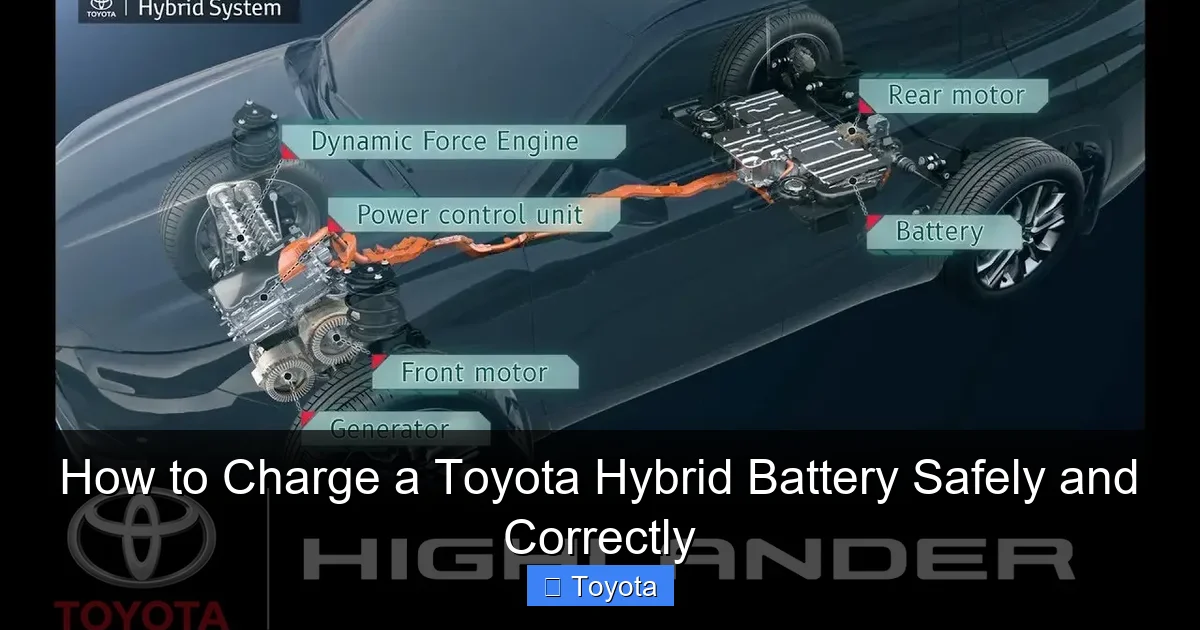
Toyota hybrids use a combination of a gasoline engine and an electric motor powered by a high-voltage nickel-metal hydride (NiMH) or lithium-ion (Li-ion) battery pack. This battery isn’t like the 12-volt battery that starts your car—it’s much more powerful and central to the hybrid system. The electric motor assists the gas engine during acceleration, powers the car at low speeds, and captures energy during braking through regenerative braking.
One of the biggest misconceptions about hybrid vehicles is that they need to be plugged in like electric cars. While some newer models—like the Prius Prime or RAV4 Prime—are plug-in hybrids (PHEVs) and do require charging, most standard Toyota hybrids are self-charging. They rely on the internal combustion engine and regenerative braking to keep the battery topped up. This means you can drive your hybrid just like a regular car, and the system takes care of the rest.
But even though you don’t need to plug in, that doesn’t mean the battery doesn’t need attention. Over time, all batteries degrade. Factors like driving habits, climate, and maintenance play a role in how long your hybrid battery lasts. By understanding how your specific Toyota hybrid charges and what you can do to support it, you’ll get the most out of your vehicle and avoid unexpected breakdowns.
How Self-Charging Hybrids Work
Self-charging hybrids, like the standard Prius or Highlander Hybrid, use a clever system to keep the battery charged without any input from the driver. Here’s how it works: when you brake, the electric motor reverses its function and acts as a generator. This process, called regenerative braking, converts kinetic energy from the wheels into electrical energy, which is then stored in the hybrid battery.
Additionally, when the gasoline engine is running—especially during highway driving or when extra power is needed—it can generate electricity to charge the battery. The car’s computer, known as the Hybrid Control Unit (HCU), constantly monitors driving conditions and decides when to use the electric motor, the gas engine, or both. It also determines when to charge the battery and when to conserve energy.
This seamless integration means you never have to think about charging. You fill up with gas, drive normally, and the system handles the rest. In fact, trying to “trick” the system by driving in a way that constantly drains the battery—like aggressive acceleration followed by hard braking—can actually reduce efficiency and strain the battery.
The Role of Plug-In Hybrids
Not all Toyota hybrids are the same. Plug-in hybrids (PHEVs), such as the Prius Prime and RAV4 Prime, offer a different experience. These models have larger battery packs that allow them to drive significant distances—up to 40 miles or more—on electric power alone. To access this electric range, you must plug the vehicle into an external power source.
Charging a PHEV is similar to charging an electric vehicle (EV). You can use a standard 120-volt household outlet (Level 1 charging), which is slow but convenient for overnight charging. For faster results, a 240-volt Level 2 charger can fully recharge the battery in just a few hours. Some owners install home charging stations for added convenience, while others rely on public charging networks.
The key advantage of a PHEV is flexibility. You get the benefits of electric driving for short commutes and errands, reducing fuel consumption and emissions. Once the battery is depleted, the car seamlessly switches to hybrid mode, using both the gas engine and electric motor. This makes PHEVs ideal for drivers who want to go green without worrying about range anxiety.
Do You Need to Charge a Toyota Hybrid Battery?
Visual guide about How to Charge a Toyota Hybrid Battery Safely and Correctly
Image source: i.ytimg.com
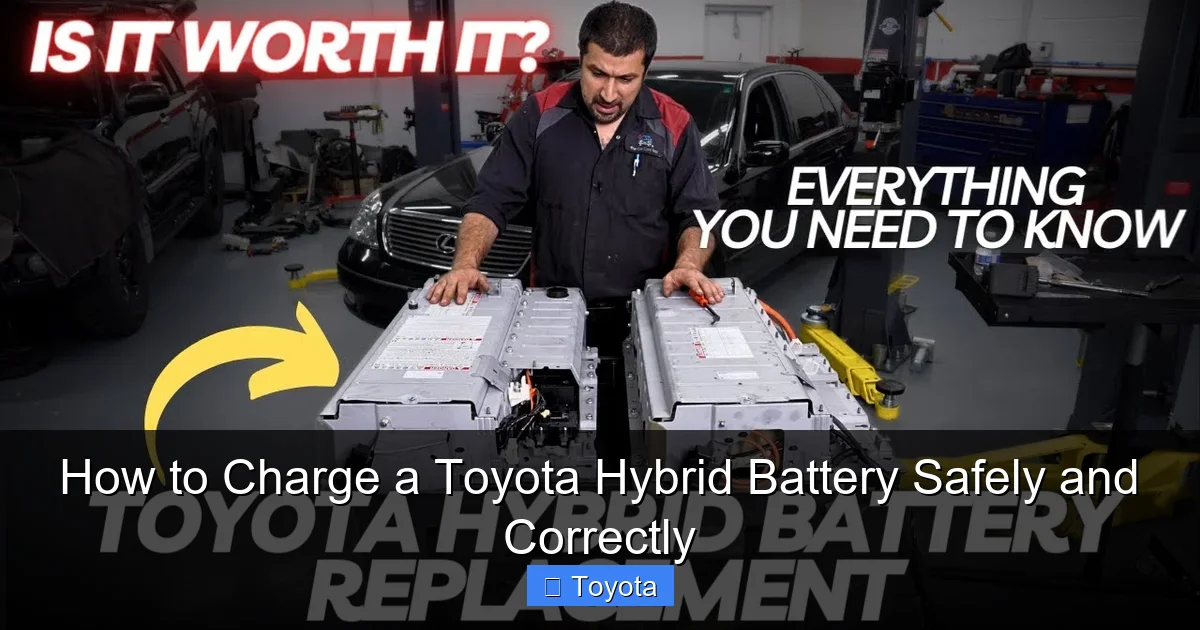
The short answer is: it depends on your model. If you drive a standard hybrid like the Prius, Camry Hybrid, or Corolla Hybrid, you do not need to plug in. These vehicles are designed to maintain their battery charge through regenerative braking and engine-generated electricity. You can treat them just like any other car—fill up with gas and go.
However, if you own a plug-in hybrid like the Prius Prime or RAV4 Prime, charging is necessary to access the full electric range. Without charging, these vehicles still function as regular hybrids, but you’ll miss out on the fuel savings and environmental benefits of electric driving. In fact, many PHEV owners report drastically lower fuel costs when they charge regularly.
So how do you know if your Toyota hybrid needs charging? Check your owner’s manual or look for a charging port. If your car has a charging port—usually located on the driver’s side near the front fender—it’s a plug-in hybrid and requires external charging. If there’s no port, your hybrid is self-charging.
Even if your hybrid doesn’t need plugging in, it’s still important to monitor battery health. A weak or failing battery can reduce fuel efficiency, cause the car to run less smoothly, and trigger warning lights on the dashboard. Regular maintenance and smart driving habits can help prevent these issues.
Signs Your Hybrid Battery May Need Attention
While Toyota hybrid batteries are built to last 10–15 years or more, they can degrade over time. Here are some signs that your battery may need servicing:
– Reduced fuel economy: If your miles per gallon (MPG) drops significantly, the battery may not be assisting the engine as effectively.
– Frequent engine starts: The gas engine may run more often if the battery can’t hold a charge.
– Warning lights: The “Check Hybrid System” or “Maintenance Required” light may illuminate.
– Sluggish acceleration: A weak battery can’t provide the boost needed for quick starts.
– Inconsistent regenerative braking: You may notice less energy recovery when braking.
If you notice any of these symptoms, it’s best to have your vehicle inspected by a certified Toyota technician. They can run diagnostics to determine if the battery needs repair or replacement.
How to Charge a Toyota Plug-In Hybrid Safely
Visual guide about How to Charge a Toyota Hybrid Battery Safely and Correctly
Image source: i.ytimg.com
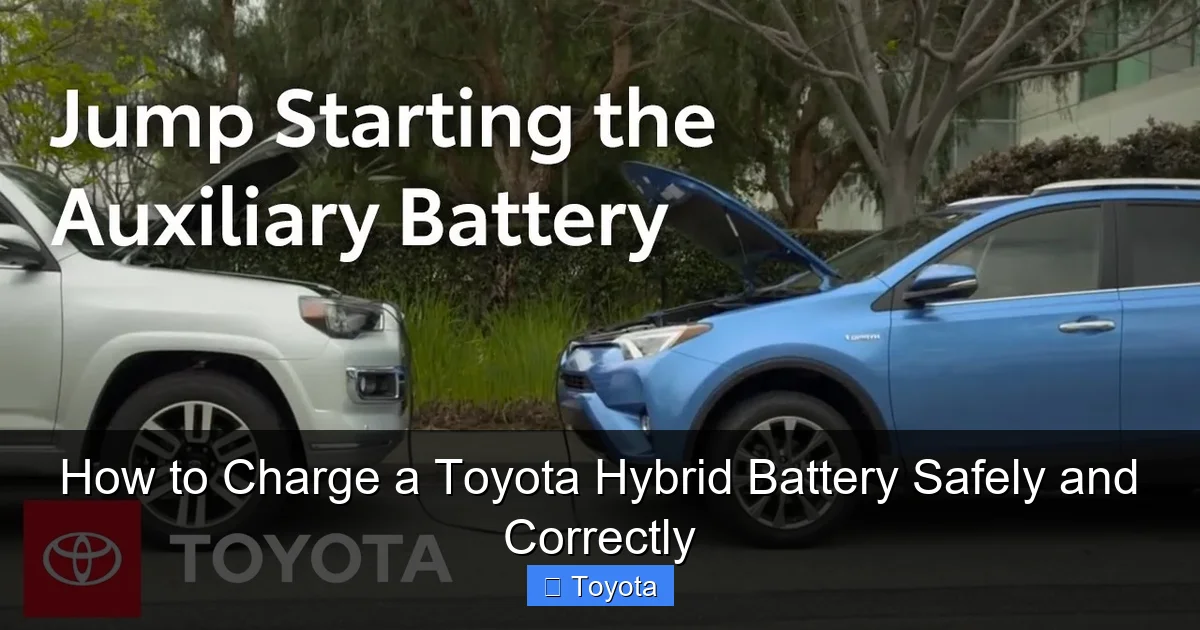
If you drive a Toyota plug-in hybrid, charging correctly is essential for performance and safety. Here’s a step-by-step guide to charging your PHEV safely and efficiently.
Step 1: Use the Right Charging Equipment
Always use the charging cable and equipment provided by Toyota or a certified third-party manufacturer. The included portable charger (often called a “trickle charger”) is designed for 120-volt outlets and is safe for home use. Never use damaged cords or adapters, and avoid cheap, uncertified chargers that could pose a fire or electrical hazard.
For faster charging, consider installing a Level 2 home charging station. These 240-volt units can charge your PHEV in 2–4 hours, depending on the model. Look for chargers with safety certifications like UL (Underwriters Laboratories) or ETL (Intertek). Many utility companies offer rebates for home charger installations, so check for incentives in your area.
Step 2: Choose the Right Location
Charge your vehicle in a dry, well-ventilated area. Avoid charging in rain, snow, or extreme heat. If you’re using a public charging station, make sure it’s in a safe, well-lit location. Never charge your car in a flooded garage or near flammable materials.
When charging at home, plug the charger into a dedicated outlet. Avoid using extension cords, especially long or thin ones, as they can overheat. If you must use an extension cord, choose a heavy-duty, outdoor-rated model with a gauge of 12 or lower.
Step 3: Plug In and Monitor
To charge your Toyota PHEV:
1. Turn off the vehicle.
2. Open the charging port cover.
3. Connect the charging cable to the car, then plug it into the power source.
4. The dashboard will display a charging indicator (usually a green or blue light).
5. Charging begins automatically.
Most Toyota PHEVs allow you to set charging times via the infotainment system or a mobile app. This is useful for taking advantage of off-peak electricity rates. You can also schedule charging to finish just before your morning commute, ensuring a full battery when you need it.
Step 4: Unplug Safely
When charging is complete, the dashboard light will change color or turn off. To unplug:
1. Press the button on the charging handle to release it.
2. Disconnect the cable from the car.
3. Unplug the charger from the outlet.
4. Store the cable properly in the trunk or charging compartment.
Never yank the cable or force it out. Always handle the plug and port with dry hands to avoid electrical shock.
Step 5: Maintain Your Charging Equipment
Inspect your charging cable regularly for wear, fraying, or damage. Clean the charging port with a dry cloth to remove dirt and debris. If you notice any issues, stop using the equipment and contact Toyota or the manufacturer.
Best Practices for Hybrid Battery Maintenance
Visual guide about How to Charge a Toyota Hybrid Battery Safely and Correctly
Image source: diycarexpert.com
Even if you don’t plug in your Toyota hybrid, proper maintenance is key to long battery life. Here are some best practices to follow.
Drive Regularly and Avoid Long Periods of Inactivity
Hybrid batteries perform best when used regularly. If your car sits unused for weeks or months, the battery can slowly discharge, leading to reduced performance. If you know your car will be parked for an extended period, consider using a battery maintainer or trickle charger designed for hybrid vehicles.
Short, infrequent trips can also strain the battery. The engine and battery need time to warm up and operate efficiently. Try to combine errands into longer drives when possible.
Avoid Extreme Temperatures
Heat and cold are the enemies of battery health. In hot climates, park in the shade or use a sunshade to keep the interior cool. In cold weather, park in a garage if possible. Extreme temperatures can reduce battery efficiency and accelerate degradation.
Some Toyota hybrids have thermal management systems that help regulate battery temperature. Still, it’s best to minimize exposure to temperature extremes whenever possible.
Use the Eco or EV Mode Wisely
Many Toyota hybrids come with driving modes like Eco and EV (Electric Vehicle). Eco mode optimizes fuel efficiency by adjusting throttle response and climate control. EV mode allows the car to run on electric power only, but only for short distances and at low speeds.
Use these modes to maximize efficiency, but don’t rely on EV mode for long trips. Overusing EV mode can drain the battery quickly, forcing the gas engine to work harder to recharge it.
Follow the Maintenance Schedule
Toyota recommends regular maintenance for hybrid vehicles, including battery inspections. Check your owner’s manual for the recommended service intervals. Many dealerships offer hybrid-specific maintenance packages that include battery diagnostics and cooling system checks.
During service, technicians can check the state of charge, voltage levels, and overall health of the battery. Early detection of issues can prevent costly repairs down the road.
Monitor Battery Health
Modern Toyota hybrids display battery information on the dashboard or infotainment screen. You can view the state of charge, energy flow, and regenerative braking performance. Pay attention to these readings—if they seem inconsistent or drop suddenly, it could indicate a problem.
Some owners use OBD-II scanners or apps to monitor battery health in more detail. While not necessary for everyone, these tools can provide peace of mind and early warnings.
Safety Tips for Hybrid Battery Care
Hybrid vehicles use high-voltage systems that can be dangerous if mishandled. Always prioritize safety when dealing with your Toyota hybrid battery.
Never Attempt DIY Repairs
The high-voltage battery and wiring in a Toyota hybrid are not meant to be serviced by untrained individuals. Tampering with the system can result in electric shock, fire, or serious injury. If you suspect a problem, take your vehicle to a certified Toyota technician.
Be Cautious During Collisions
In the event of an accident, the hybrid system is designed to shut off automatically. However, always assume the battery is live until confirmed otherwise by a professional. Emergency responders are trained to handle hybrid vehicles, but it’s important to inform them that your car is a hybrid.
Store Your Vehicle Safely
If you need to store your hybrid for an extended period, consult your owner’s manual for specific instructions. Some models recommend disconnecting the 12-volt battery or using a maintainer. Never leave a hybrid in a hot garage or exposed to direct sunlight for long periods.
Use Genuine Toyota Parts
If your battery needs replacement, always use genuine Toyota parts or certified remanufactured units. Aftermarket batteries may not meet Toyota’s safety and performance standards, and could void your warranty.
Conclusion
Charging a Toyota hybrid battery safely and correctly depends on understanding your specific model and following best practices. Most Toyota hybrids are self-charging and require no external power, while plug-in hybrids need regular charging to maximize their electric range. Regardless of the type, proper maintenance, safe charging habits, and awareness of battery health are essential for long-term performance.
By driving regularly, avoiding extreme temperatures, using the correct equipment, and following Toyota’s maintenance schedule, you can keep your hybrid battery in top condition for years. And remember—when in doubt, always consult a certified technician. Your safety and your vehicle’s longevity are worth the extra care.
Frequently Asked Questions
Do I need to plug in my Toyota hybrid to charge the battery?
Most Toyota hybrids, like the standard Prius or Camry Hybrid, do not need to be plugged in. They recharge automatically using regenerative braking and the gasoline engine. Only plug-in hybrids (PHEVs) like the Prius Prime require external charging.
How long does it take to charge a Toyota plug-in hybrid?
Charging time depends on the charger type. A 120-volt Level 1 charger takes 5–6 hours, while a 240-volt Level 2 charger can fully charge the battery in 2–4 hours. Charging speed also varies by model and battery size.
Can I charge my Toyota hybrid at home?
Yes, if you have a plug-in hybrid. You can charge it using a standard household outlet or install a Level 2 home charging station for faster results. Always use certified equipment and follow safety guidelines.
What happens if my hybrid battery dies?
If the high-voltage battery fails, your car may not start or could enter “limp mode” with reduced power. In most cases, the 12-volt battery can still start the car, but the hybrid system won’t function properly until the main battery is repaired or replaced.
How often should I service my Toyota hybrid battery?
Follow the maintenance schedule in your owner’s manual. Most Toyota hybrids should have the battery inspected every 15,000–30,000 miles or during routine service. Early detection of issues can prevent costly repairs.
Is it safe to drive a Toyota hybrid in the rain?
Yes, Toyota hybrids are designed to be safe in all weather conditions, including rain. The high-voltage system is sealed and insulated. However, avoid deep water or flooding, as it can damage electrical components.