
How Often Should You Change Antifreeze in a Toyota

Changing antifreeze in your Toyota on schedule is essential for engine health and performance. Most Toyota models recommend a coolant change every 60,000 to 100,000 miles, but driving conditions and coolant type can affect this interval. Staying on top of this simple maintenance task prevents overheating, corrosion, and costly repairs.
Key Takeaways
- Standard interval: Most Toyotas need antifreeze changed every 60,000 to 100,000 miles, depending on the model and coolant type.
- Check your owner’s manual: Always refer to your specific Toyota’s maintenance schedule for the most accurate guidance.
- Use the right coolant: Toyota recommends specific coolants like Toyota Super Long Life Coolant (SLLC) for optimal protection.
- Watch for warning signs: Overheating, low coolant levels, or discolored fluid mean it’s time for a check or change.
- Extreme climates matter: Hot or cold weather can shorten the life of your antifreeze, requiring more frequent changes.
- DIY vs. professional service: While you can do it yourself, a certified technician ensures proper flushing and disposal.
- Don’t ignore the cooling system: Regular antifreeze maintenance prevents corrosion, leaks, and engine damage.
📑 Table of Contents
Why Antifreeze Matters in Your Toyota
You might think antifreeze is just about keeping your engine from freezing in winter—but that’s only half the story. In reality, antifreeze, also known as coolant, plays a vital role in regulating your Toyota’s engine temperature year-round. It circulates through the engine block and radiator, absorbing heat and transferring it away to prevent overheating. Without proper coolant, your engine could reach dangerous temperatures, leading to warped components, blown gaskets, or even complete engine failure.
But antifreeze does more than just manage heat. Modern coolants contain additives that protect metal parts from rust and corrosion, lubricate the water pump, and prevent scale buildup in the cooling system. Over time, these additives break down, and the coolant loses its effectiveness. That’s why changing antifreeze isn’t just a suggestion—it’s a necessity for long-term reliability. Whether you drive a compact Corolla, a rugged Tacoma, or a hybrid Prius, your Toyota relies on clean, fresh coolant to run smoothly and efficiently.
How Often Should You Change Antifreeze in a Toyota?
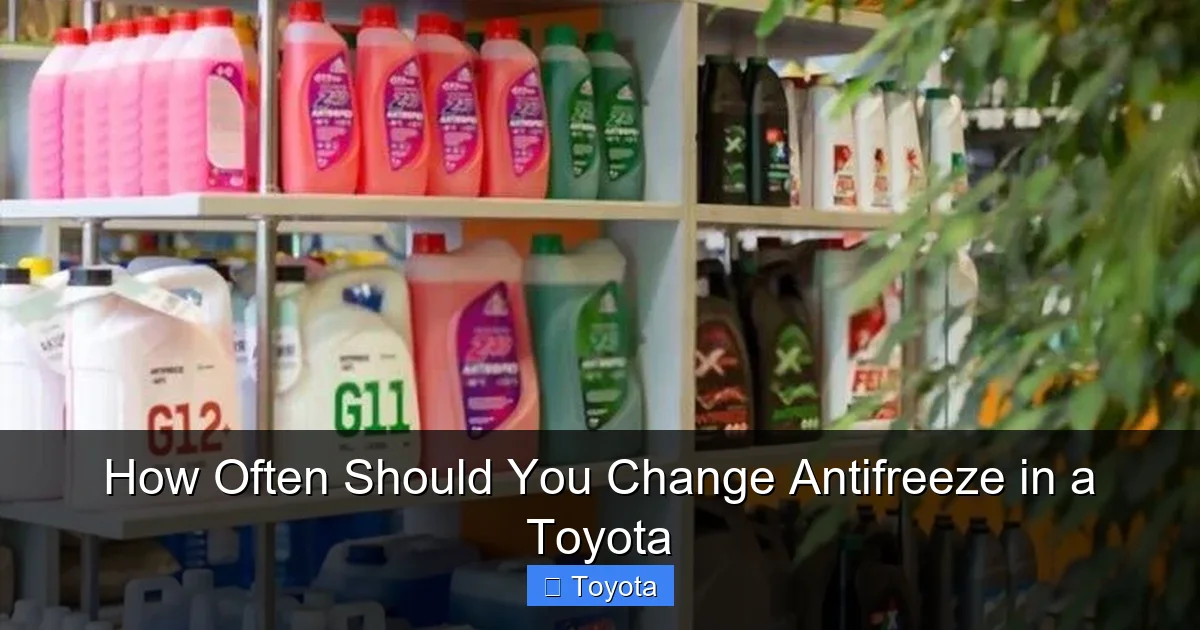
The million-dollar question: how often should you change antifreeze in a Toyota? The answer isn’t one-size-fits-all, but Toyota provides clear guidelines based on extensive testing and engineering. For most modern Toyota vehicles—especially those made after 2000—the recommended interval is every 60,000 to 100,000 miles, or every 5 to 10 years, whichever comes first. This applies to models using Toyota’s Super Long Life Coolant (SLLC), which is designed for extended service life.
Visual guide about How Often Should You Change Antifreeze in a Toyota
Image source: bryansgarage.com
For example, a 2020 Toyota Camry with SLLC may not need a coolant change until 100,000 miles, while an older 2005 Toyota 4Runner might require service closer to 60,000 miles. Always check your owner’s manual for the exact schedule. Some models, like certain hybrid vehicles, may have slightly different recommendations due to unique cooling system designs. If you’re unsure, your local Toyota dealership can pull up your vehicle’s specific maintenance plan using your VIN.
Factors That Affect Coolant Change Intervals
While the 60,000 to 100,000-mile range is a solid baseline, real-world conditions can shorten that timeline. If you frequently drive in extreme heat—like Arizona summers or Texas highways—your engine works harder, and the coolant degrades faster. Similarly, if you live in a cold climate where temperatures regularly drop below freezing, the antifreeze’s freeze protection and corrosion inhibitors may break down sooner.
Other factors include towing heavy loads, stop-and-go city driving, or frequent short trips. These conditions prevent the engine from reaching optimal operating temperature, leading to moisture buildup and acid formation in the coolant. This acidic environment accelerates corrosion and reduces the coolant’s lifespan. If you notice your engine running hotter than usual or your heater isn’t warming up as well, it could be a sign that your antifreeze is no longer doing its job.
Signs It’s Time to Change Your Antifreeze
Even if you’re within the recommended mileage range, it’s smart to watch for warning signs that your antifreeze needs attention. One of the most obvious is a drop in coolant level. If you’re constantly topping off the reservoir, there could be a leak in the system. Leaks often occur at hose connections, the radiator, or the water pump, and they can lead to overheating if not addressed.
Another red flag is the color and consistency of the coolant. Fresh Toyota SLLC is typically bright pink or red and has a smooth, translucent appearance. If your coolant looks rusty, cloudy, or has a gritty texture, it’s likely contaminated with rust or debris. You might also notice a sweet smell inside the car, which could indicate a coolant leak into the cabin—often from a heater core issue.
Overheating is the most serious symptom. If your temperature gauge climbs into the red zone or you see steam coming from under the hood, pull over immediately. Continuing to drive can cause severe engine damage. In some cases, the check engine light may illuminate due to cooling system problems. Always have your vehicle inspected by a professional if you experience any of these issues.
Types of Antifreeze Used in Toyota Vehicles
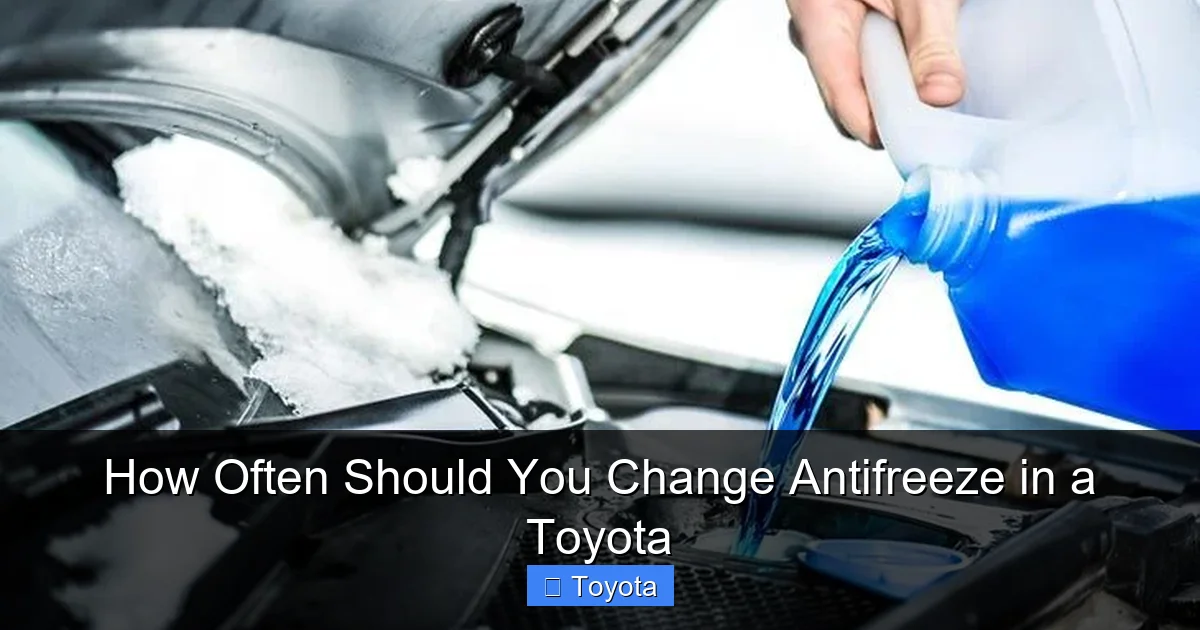
Not all antifreeze is created equal, and using the wrong type in your Toyota can lead to problems. Toyota specifies different coolants depending on the model and year. The most common type used in modern Toyotas is Toyota Super Long Life Coolant (SLLC), which is an ethylene glycol-based formula with organic acid technology (OAT). This coolant is pre-mixed 50/50 with deionized water and is designed to last up to 100,000 miles or 10 years.
Visual guide about How Often Should You Change Antifreeze in a Toyota
Image source: bryansgarage.com
Older Toyota models, particularly those from the 1990s and early 2000s, may have used traditional inorganic additive technology (IAT) coolants, which require more frequent changes—typically every 30,000 miles. These coolants are usually green in color and contain silicates and phosphates for corrosion protection. If your Toyota still has the original coolant, it’s likely time for a change, even if you haven’t hit the mileage threshold.
It’s crucial to use only Toyota-approved coolants or equivalent formulations that meet Toyota’s specifications (such as TMC P/N 00295-1LLC2). Mixing different types of coolant—like adding green IAT coolant to a system designed for pink SLLC—can cause chemical reactions that reduce effectiveness and lead to sludge formation. Always check the label and consult your owner’s manual before topping off or replacing coolant.
Can You Mix Different Coolants?
Short answer: no, you shouldn’t mix different types of antifreeze unless explicitly approved by the manufacturer. While some universal coolants claim compatibility with all systems, mixing incompatible formulas can lead to reduced corrosion protection, gel formation, or even radiator clogging. For example, combining OAT and IAT coolants can neutralize their additives, leaving your engine vulnerable to rust and scale.
If you accidentally add the wrong coolant, don’t panic—but do get it flushed as soon as possible. A professional technician can drain the system, flush it with clean water, and refill it with the correct type. This is especially important in Toyota vehicles, where precision in cooling system maintenance is key to longevity. When in doubt, stick to Toyota Genuine Coolant or a certified equivalent.
DIY vs. Professional Antifreeze Change
Changing antifreeze in your Toyota is a task that many DIY enthusiasts can handle, but it requires care and the right tools. If you’re comfortable working under the hood and have a safe way to dispose of old coolant, a DIY change can save you money. However, there are risks involved, especially if you don’t fully flush the system or use the wrong coolant.
Visual guide about How Often Should You Change Antifreeze in a Toyota
Image source: thecarhow.com
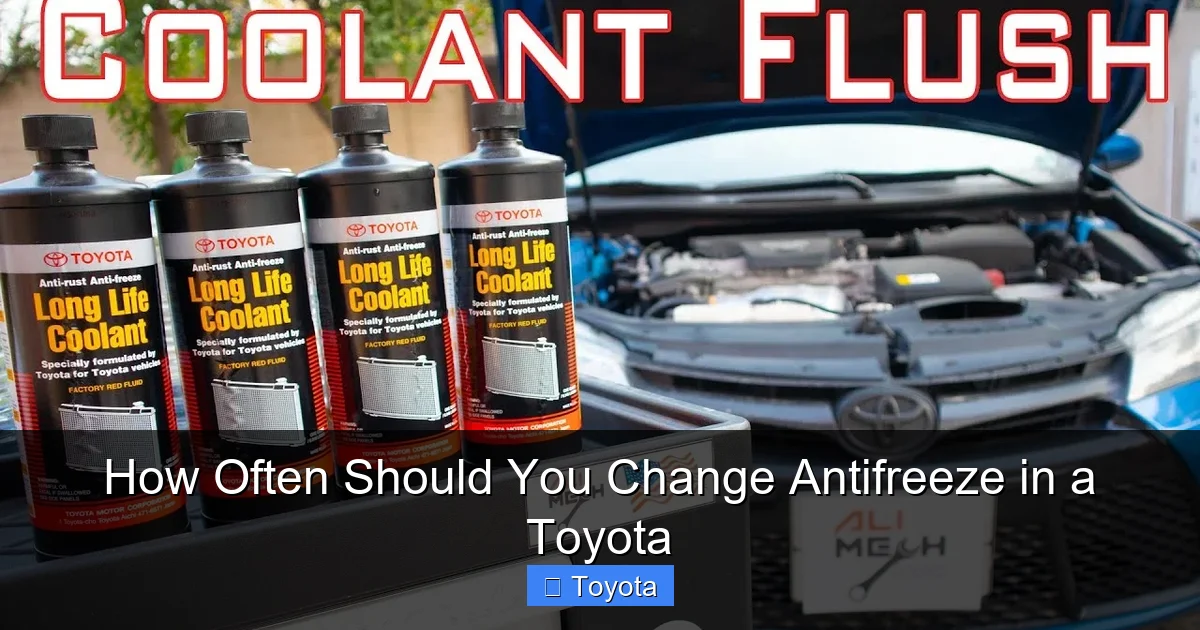
The basic steps for a DIY coolant change include letting the engine cool completely, draining the old coolant from the radiator and engine block, flushing the system with water, and refilling with the correct 50/50 mix. You’ll also need to bleed air from the system to prevent hot spots and ensure proper circulation. Some Toyotas have specific bleed procedures outlined in the service manual, so it’s worth researching your model before starting.
On the other hand, a professional service at a Toyota dealership or certified repair shop offers several advantages. Technicians use specialized equipment to perform a complete system flush, removing all old coolant and contaminants. They can also inspect hoses, the radiator, thermostat, and water pump for signs of wear. Plus, they’ll dispose of the old coolant responsibly, which is important since antifreeze is toxic to humans and animals.
Cost Comparison: DIY vs. Professional Service
The cost of changing antifreeze varies depending on your location and vehicle. A DIY change typically costs $20 to $50 for coolant and basic tools, assuming you already have a drain pan and funnel. You can buy Toyota SLLC in a 1-gallon jug at most auto parts stores or online. Just make sure it’s the pre-mixed version to avoid dilution errors.
A professional coolant flush at a Toyota dealership usually ranges from $120 to $200, depending on labor rates and whether additional services are included. Independent shops may charge less, around $80 to $150. While this is more expensive than doing it yourself, the peace of mind and thoroughness of a professional job are often worth the investment—especially if you’re not confident in your mechanical skills.
Step-by-Step Guide to Changing Antifreeze in a Toyota
If you decide to change your Toyota’s antifreeze yourself, follow these steps carefully to ensure a safe and effective job. Always work on a cool engine to avoid burns from hot coolant or steam. Park your vehicle on a level surface and engage the parking brake.
Start by locating the radiator drain plug, usually found at the bottom of the radiator. Place a drain pan underneath and slowly open the plug to release the old coolant. Some models also have a drain plug on the engine block—check your service manual for details. Allow the coolant to drain completely, which may take 10 to 15 minutes.
Next, flush the system with clean water. Close the drain plugs and fill the radiator with water. Start the engine and let it run for a few minutes with the heater on high to circulate the water through the heater core. Turn off the engine, let it cool, and drain the water. Repeat this process until the drained water runs clear.
Once the system is flushed, refill it with the correct coolant. Use a 50/50 mix of Toyota SLLC and deionized water, or use pre-mixed coolant for convenience. Fill the radiator to the “Full” line and top off the overflow reservoir. Start the engine again and let it run with the radiator cap off to allow air bubbles to escape. You may need to rev the engine slightly to help purge air from the system.
After the engine reaches operating temperature, check the coolant level and add more if needed. Replace the radiator cap and monitor the system over the next few days for leaks or low levels. Keep a record of the service date and mileage for future reference.
Safety Tips for Handling Antifreeze
Antifreeze is toxic and should be handled with care. Always wear gloves and safety glasses when working with coolant, and avoid skin contact. Never pour used coolant down the drain or on the ground—it’s harmful to the environment and illegal in many areas. Store old coolant in a sealed container and take it to a recycling center or auto shop for proper disposal.
If you have pets, be extra cautious. Antifreeze has a sweet taste that attracts animals, but even a small amount can be fatal. Clean up any spills immediately and keep containers out of reach. Consider using pet-safe coolants if you’re concerned, though these may not meet Toyota’s specifications.
Maintaining Your Toyota’s Cooling System
Changing antifreeze is just one part of cooling system maintenance. To keep your Toyota running smoothly, inspect the system regularly for leaks, cracks, or loose hoses. Check the radiator for debris like leaves or dirt that can block airflow. Clean the exterior with compressed air or a soft brush as needed.
The thermostat and water pump are also critical components. A faulty thermostat can cause overheating or poor heater performance, while a failing water pump may leak coolant or make a whining noise. If you notice any issues, have them checked by a professional. Replacing these parts early can prevent more serious problems down the road.
Finally, keep an eye on your coolant level and condition between changes. Top off with the correct coolant if needed, and never use plain water unless it’s an emergency. Water alone lacks the corrosion inhibitors and freeze protection your engine needs.
Conclusion
Knowing how often to change antifreeze in your Toyota is key to protecting your engine and ensuring reliable performance. While the general rule is every 60,000 to 100,000 miles, always consult your owner’s manual and consider your driving habits and climate. Use only Toyota-approved coolant, watch for warning signs, and decide whether to tackle the job yourself or leave it to the professionals.
Regular antifreeze maintenance is a small investment that pays big dividends in engine longevity and peace of mind. By staying proactive, you’ll avoid costly repairs and keep your Toyota running like new for years to come. Don’t wait for a breakdown—schedule your next coolant change today and give your engine the care it deserves.
Frequently Asked Questions
How often should I change antifreeze in a Toyota?
Most modern Toyotas require an antifreeze change every 60,000 to 100,000 miles or every 5 to 10 years, depending on the model and coolant type. Always check your owner’s manual for the exact interval.
Can I use any coolant in my Toyota?
No, you should use only Toyota-approved coolants like Super Long Life Coolant (SLLC) or equivalent formulations that meet Toyota’s specifications. Using the wrong type can damage the cooling system.
What happens if I don’t change my antifreeze?
Old antifreeze loses its corrosion inhibitors and can lead to rust, scale buildup, overheating, and engine damage. It may also freeze in cold weather or boil over in hot conditions.
Is it safe to change antifreeze myself?
Yes, if you follow proper safety procedures and use the correct coolant. However, a professional service ensures a complete flush and proper disposal of old coolant.
How do I know if my coolant needs changing?
Look for signs like low coolant levels, discolored or cloudy fluid, overheating, or a sweet smell inside the car. These indicate it’s time for a check or change.
Can I mix different colors of coolant?
No, mixing different types of coolant—such as green IAT and pink SLLC—can cause chemical reactions that reduce effectiveness and damage the cooling system. Always use the same type or flush before switching.