
How to Open the Gas Tank on a Toyota Corolla Cross

Opening the gas tank on a Toyota Corolla Cross is simple once you know where to look. This guide walks you through the process, common mistakes, and what to do if you run into issues—ensuring you can fuel up quickly and confidently every time.
Key Takeaways
- Locate the fuel door release lever inside the car: It’s typically on the lower left side of the dashboard, near the driver’s door.
- Know your model year: The 2022–2024 Corolla Cross uses an electronic release, while earlier models may have slight variations.
- Check the fuel door direction: The gas tank cap is on the driver’s side of the vehicle for most Corolla Cross models.
- Use the key fob as a backup: Some models allow you to open the fuel door remotely using the key fob.
- Never force the fuel door: If it doesn’t open, check the lever, fuses, or child lock settings before applying pressure.
- Keep the area clean: Dirt and debris can clog the fuel door mechanism—regular cleaning helps prevent issues.
- Consult your owner’s manual: For model-specific details, always refer to the official Toyota documentation.
📑 Table of Contents
Introduction: Why Knowing How to Open the Gas Tank Matters
Let’s be honest—most of us don’t think about how to open the gas tank until we’re standing at the pump, fumbling with the car, and feeling a little embarrassed. Whether you’re a new Toyota Corolla Cross owner or just borrowed one for a road trip, knowing how to access the fuel tank quickly and correctly can save you time, stress, and even a few awkward glances from other drivers.
The Toyota Corolla Cross is a popular compact SUV known for its reliability, fuel efficiency, and user-friendly design. But like any vehicle, it has its quirks—especially when it comes to less frequently used features like the gas tank release. Unlike older cars where you might use a physical key or a manual latch, modern Corolla Cross models rely on electronic systems that are convenient but not always intuitive at first glance.
In this comprehensive guide, we’ll walk you through everything you need to know about opening the gas tank on a Toyota Corolla Cross. From locating the release lever to troubleshooting common problems, we’ve got you covered. Whether you’re driving a 2022 model or the latest 2024 version, this step-by-step breakdown will ensure you never get stuck at the pump again.
Understanding the Toyota Corolla Cross Fuel System
Before diving into the actual process of opening the gas tank, it’s helpful to understand how the fuel system in the Toyota Corolla Cross is designed. This knowledge not only helps you operate the vehicle correctly but also empowers you to troubleshoot issues if they arise.
Visual guide about How to Open the Gas Tank on a Toyota Corolla Cross
Image source: eduautos.com
Fuel Tank Location and Design
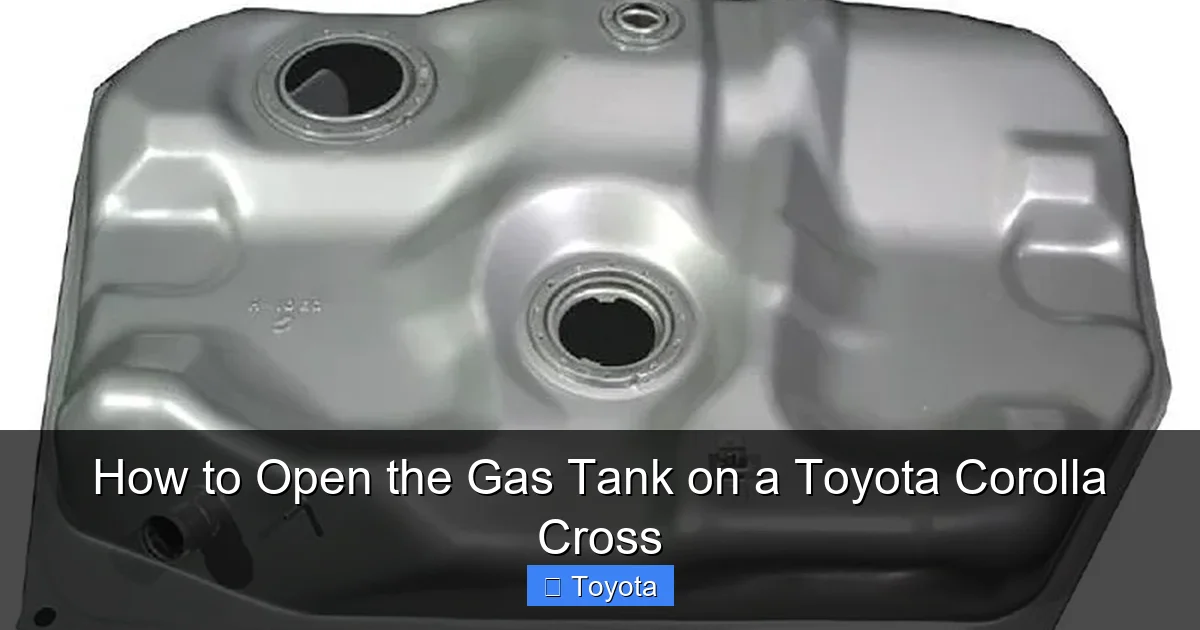
The gas tank on the Toyota Corolla Cross is located under the rear of the vehicle, protected by the chassis and body panels. It typically holds between 13 and 14 gallons of fuel, depending on the model year and trim. The fuel filler neck—the tube that connects the gas cap to the tank—is positioned on the driver’s side of the car, which is standard for most vehicles sold in North America and many other regions.
The fuel door itself is flush with the body of the car and is designed to blend seamlessly with the rear fender. It’s made of lightweight plastic or composite material and is spring-loaded to pop open when released. The gas cap is tethered to the fuel door, so you don’t lose it while refueling—a small but thoughtful detail that many drivers appreciate.
Electronic vs. Manual Release Mechanisms
Modern Toyota Corolla Cross models (2022 and newer) use an electronic fuel door release system. This means there’s no physical keyhole or external latch. Instead, the fuel door is unlocked and released from inside the vehicle using a lever or button. This design enhances security and gives the car a cleaner, more modern appearance.
In contrast, some older or base-trim models might still use a manual release, though this is increasingly rare. Even then, the mechanism is usually internal. The electronic system is powered by the car’s electrical system and controlled via a switch inside the cabin. If the car is off, the system may still work as long as the ignition is in the “accessory” position or the key fob is nearby (for keyless entry models).
Safety and Security Features
Toyota has built several safety and security features into the fuel system of the Corolla Cross. For example, the fuel door cannot be opened while the vehicle is in motion—this is a standard safety protocol to prevent accidents or fuel spills. Additionally, some models include a child safety lock that disables the fuel door release when activated, preventing young passengers from accidentally opening it.
Another important feature is the fuel cap reminder. If you forget to tighten the gas cap after refueling, the car’s onboard computer may trigger a warning light on the dashboard. This is part of Toyota’s evaporative emissions control system, which helps reduce fuel vapor leaks and environmental impact.
Step-by-Step Guide: How to Open the Gas Tank on a Toyota Corolla Cross
Now that you understand the basics, let’s get into the nitty-gritty: how to actually open the gas tank. The process is straightforward, but it helps to know exactly where to look and what to do. Follow these steps, and you’ll be fueling up like a pro in no time.
Visual guide about How to Open the Gas Tank on a Toyota Corolla Cross
Image source: capitol-tires.com
Step 1: Locate the Fuel Door Release Lever
The first step is finding the fuel door release lever inside the car. In the Toyota Corolla Cross, this lever is typically located on the lower left side of the dashboard, just above the driver’s footwell. It’s a small, rectangular or oval-shaped lever, often labeled with a fuel pump icon or the word “FUEL.”
To access it, sit in the driver’s seat and look down near the door panel. You may need to crouch slightly or use a flashlight if the area is dimly lit. The lever is usually within easy reach—no stretching or awkward contortions required. On some trims, it might be integrated into the dashboard trim or slightly recessed, but it should still be clearly visible.
Step 2: Pull the Release Lever
Once you’ve located the lever, pull it toward you. You’ll hear a soft “click” as the fuel door unlocks. On most models, the door will pop open slightly due to the spring-loaded mechanism. If it doesn’t pop open immediately, gently push on the fuel door from the outside—it should give way easily.
Important: Only pull the lever when the vehicle is parked and the ignition is on (or in accessory mode). The electronic system won’t activate if the car is completely off and the key fob is out of range (for keyless models). If you’re having trouble, try turning the ignition to the “ACC” or “ON” position before pulling the lever.
Step 3: Open the Fuel Door
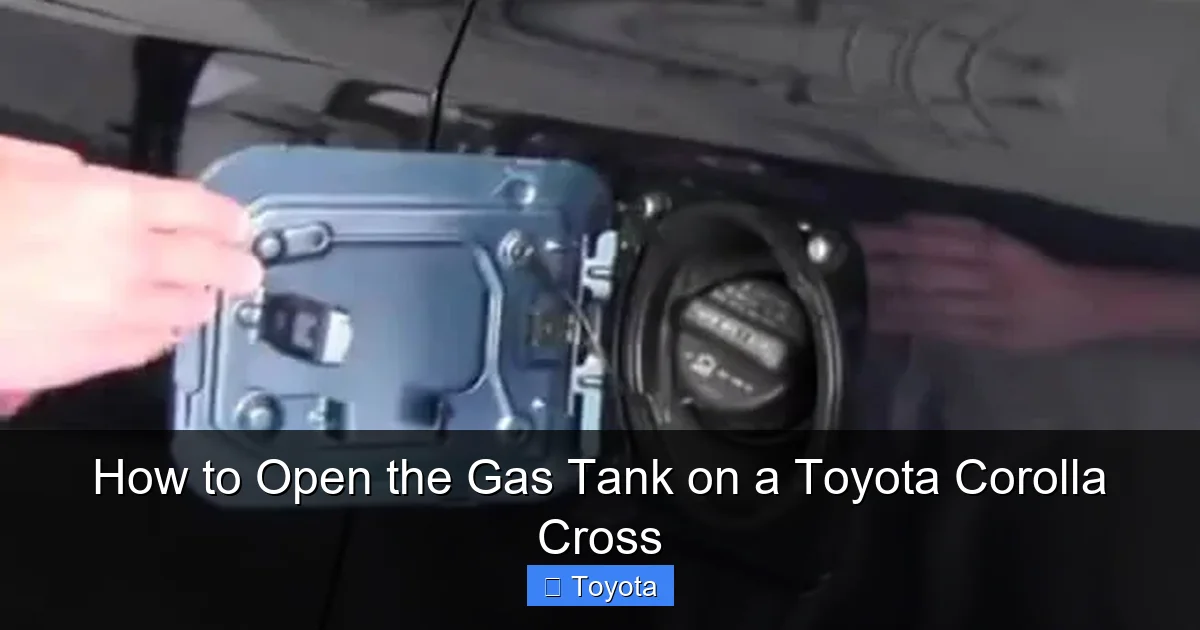
After pulling the lever, walk to the driver’s side rear of the vehicle. You’ll see the fuel door has popped open slightly. Gently pull it outward to fully expose the gas cap. The door should open smoothly—if it feels stiff or stuck, don’t force it. Check for obstructions like ice, dirt, or debris that might be blocking the mechanism.
Once the door is open, you’ll see the gas cap attached by a short tether. Unscrew the cap by turning it counterclockwise. Most Corolla Cross models use a standard twist-off cap, though some higher trims may have a capless fuel filler system (more on that later). Set the cap aside in a safe place—many drivers rest it on the edge of the fuel door or hold it in their hand while refueling.
Step 4: Refuel and Secure the Cap
Insert the fuel nozzle into the filler neck and begin refueling. The Corolla Cross is designed to accept regular unleaded gasoline with an octane rating of 87 or higher. Avoid using premium fuel unless recommended by Toyota for your specific model—it’s unnecessary and can increase costs without performance benefits.
When you’re done, remove the nozzle and replace the gas cap. Screw it back on clockwise until you hear it click—this ensures a proper seal. A loose or missing cap can trigger the check engine light and increase emissions. Finally, close the fuel door by pressing it firmly until it clicks shut. Make sure it’s fully closed to prevent wind noise or water intrusion.
Alternative Method: Using the Key Fob
On some Toyota Corolla Cross models with keyless entry, you can open the fuel door remotely using the key fob. Simply press and hold the “unlock” button on the fob for a few seconds. The fuel door should pop open, just as if you’d pulled the interior lever.
This feature is especially useful if you’re approaching the car with your hands full or if the interior lever is hard to reach. However, not all trims include this functionality, so check your owner’s manual to confirm. Also, keep in mind that the key fob must be within range (usually within 3–5 feet of the vehicle) for the remote release to work.
Troubleshooting Common Issues
Even with a well-designed system, things can go wrong. If you’re having trouble opening the gas tank on your Toyota Corolla Cross, don’t panic. Most issues are easy to fix with a little know-how.
Visual guide about How to Open the Gas Tank on a Toyota Corolla Cross
Image source: s.turbifycdn.com
Fuel Door Won’t Open After Pulling the Lever
If you pull the release lever but the fuel door doesn’t pop open, there are a few possible causes. First, check that the ignition is on. The electronic release won’t work if the car is completely off and the key fob is out of range. Try turning the key to the “ACC” or “ON” position and pulling the lever again.
If that doesn’t work, inspect the fuel door for physical obstructions. In cold weather, ice or snow can freeze the door shut. Use a de-icer spray or gently warm the area with a hairdryer (never use an open flame). Dirt, leaves, or road grime can also clog the mechanism—clean the area with a soft brush and compressed air.
In rare cases, the release cable or actuator may be broken. This requires professional diagnosis and repair. If you suspect a mechanical failure, contact your local Toyota service center.
Fuel Door Opens but Won’t Stay Open
Sometimes the fuel door pops open but won’t stay in the upright position. This is usually due to a weak or broken spring in the hinge mechanism. While it’s not a safety hazard, it can be annoying—especially on windy days.
You can temporarily fix this by using a small prop, like a stick or a folded piece of cardboard, to hold the door open while refueling. For a permanent solution, the spring or hinge assembly may need to be replaced. This is a relatively inexpensive repair and can often be done in under an hour.
Gas Cap Won’t Screw On Properly
If the gas cap feels loose or won’t tighten, check the threads for damage or debris. Dirt, rust, or cross-threading can prevent a proper seal. Clean the cap and filler neck with a dry cloth and try again.
If the cap is damaged or worn, replace it with a genuine Toyota part. Aftermarket caps may not meet the same emissions standards and could trigger warning lights. Most auto parts stores carry compatible caps, but always verify compatibility with your model year.
Check Engine Light After Refueling
If the check engine light comes on after you’ve filled up, it’s likely related to the gas cap. A loose, missing, or faulty cap can cause fuel vapors to escape, triggering the evaporative emissions monitor.
First, stop driving and check that the cap is properly tightened. If the light remains on, visit a service center to have the system scanned. In most cases, tightening the cap and driving for a few days will reset the light. If not, there may be a deeper issue with the fuel system.
Tips for Maintaining the Fuel System
Keeping your Toyota Corolla Cross fuel system in top condition doesn’t require much effort, but a few simple habits can go a long way.
Regular Cleaning
Clean the fuel door and surrounding area every few months, especially if you drive in dusty or snowy conditions. Use a soft brush and mild soap to remove dirt and grime. Avoid high-pressure washers directly on the fuel door, as they can force water into the mechanism.
Inspect the Gas Cap
Check the gas cap periodically for cracks, wear, or damage. The rubber seal should be intact and flexible. Replace the cap if you notice any signs of deterioration.
Use Quality Fuel
Always use clean, high-quality gasoline from reputable stations. Avoid filling up at the very end of a tanker delivery, as this can stir up sediment in the underground storage tanks.
Monitor Dashboard Warnings
Pay attention to any warning lights related to the fuel system. Early detection can prevent more serious issues down the road.
Conclusion: Confidence at the Pump
Opening the gas tank on a Toyota Corolla Cross is a simple task once you know where to look and what to do. With an electronic release lever inside the car and a spring-loaded fuel door on the driver’s side, the process is designed for convenience and safety. Whether you’re using the interior lever or the key fob, you can access the fuel tank quickly and confidently.
By following the steps in this guide and keeping up with basic maintenance, you’ll avoid common pitfalls and ensure your Corolla Cross runs smoothly for years to come. Remember: when in doubt, consult your owner’s manual or reach out to a Toyota service professional. Happy driving—and happy fueling!
Frequently Asked Questions
Where is the fuel door release on a Toyota Corolla Cross?
The fuel door release lever is located on the lower left side of the dashboard, near the driver’s door. It’s usually marked with a fuel pump icon and is within easy reach when seated.
Can I open the gas tank if the car is off?
Yes, but only if the ignition is in the “accessory” or “on” position. For keyless models, the key fob must be nearby. The electronic release won’t work if the car is completely off and the fob is out of range.
Why won’t my fuel door open after pulling the lever?
Common causes include a dead battery, frozen door in cold weather, or a clogged mechanism. Check the ignition status, clear any ice or debris, and try again. If it persists, consult a technician.
Is the gas cap tethered on the Corolla Cross?
Yes, the gas cap is attached to the fuel door with a short tether, so you won’t lose it while refueling. This is a standard feature on most modern Toyota models.
Can I use premium gas in my Corolla Cross?
The Corolla Cross is designed to run on regular unleaded gasoline (87 octane). Using premium fuel offers no performance or efficiency benefits and is not recommended unless specified in your owner’s manual.
What should I do if the check engine light comes on after refueling?
First, check that the gas cap is properly tightened. If the light remains on, have the vehicle scanned for trouble codes. It’s often a minor issue related to the evaporative emissions system.