How Many Miles Can You Get Out of a 2010 Toyota Tacoma

Contents
- 1 Key Takeaways
- 2 📑 Table of Contents
- 3 The Unbreakable Legend: Why the Tacoma’s Reputation is Earned
- 4 Powertrain Possibilities: The 4.0L V6 vs. The 2.7L I4
- 5 The Holy Grail of Longevity: Maintenance That Matters
- 6 The Rust Monster: The Achilles’ Heel of the 2010 Tacoma
- 7 Real-World Mileage Stories: What Owners Are Actually Seeing
- 8 Buying a High-Mileage 2010 Tacoma: A Practical Guide
- 9 The Bottom Line: It’s About Partnership
- 10 Frequently Asked Questions

Jack Stands

Car Paint Touch Up Pen

Side Mirror Rain Guard

Car Seat Organizer
The 2010 Toyota Tacoma is legendary for its durability, often surpassing 300,000 miles with diligent maintenance. Its robust 4.0L V6 or reliable 2.7L I4 engines, simple design, and strong aftermarket support contribute to its longevity. However, rust prevention, timely fluid changes, and addressing known issues like the 4WD system are critical to reaching these high-mileage marks. Real-world examples show well-maintained trucks still running strong at 400,000+ miles.
So, you’re eyeing a used 2010 Toyota Tacoma, or maybe you already own one and are wondering just how far this trusty steed can go. You’ve heard the rumors, the tales of Tacomas with 300,000, 400,000, even 500,000 miles still chugging along. Is it true? The short answer is a resounding yes. The 2010 model year sits at the very end of the second generation (2005-2015), a generation widely regarded as one of the most reliable and durable pickup trucks ever made. But reaching those mythical mileages isn’t just luck; it’s a direct result of design, engineering, and, above all, owner commitment. This article will dive deep into the specifics of the 2010 Tacoma, separating the hype from the hard facts, and giving you a clear roadmap of what it takes to extract maximum miles from this iconic truck.
Key Takeaways
- The 2010 Tacoma’s core strength is its simplicity: The drivetrain and suspension are proven, overbuilt, and easy to work on, which is the primary reason these trucks can last for decades.
- Engine choice matters: The 4.0L V6 (GR engine) is more powerful and very robust, while the 2.7L I4 (2TR-FE) is slightly less powerful but exceptionally fuel-efficient and equally reliable for daily driving.
- Maintenance is non-negotiable: Strict adherence to oil changes (using full synthetic), transmission fluid services, and coolant flushes is the single biggest factor in determining whether you get 200k or 400k miles.
- Rust is the #1 enemy: Frame and body rust, especially in the cab corners and rocker panels, is the most common failure point and can lead to a truck being retired far before the engine wears out.
- 4×4 models have specific needs: The transfer case and front differential require regular fluid changes, and the front axle seals are a known wear item that must be addressed to prevent major damage.
📑 Table of Contents
- The Unbreakable Legend: Why the Tacoma’s Reputation is Earned
- Powertrain Possibilities: The 4.0L V6 vs. The 2.7L I4
- The Holy Grail of Longevity: Maintenance That Matters
- The Rust Monster: The Achilles’ Heel of the 2010 Tacoma
- Real-World Mileage Stories: What Owners Are Actually Seeing
- Buying a High-Mileage 2010 Tacoma: A Practical Guide
- The Bottom Line: It’s About Partnership
The Unbreakable Legend: Why the Tacoma’s Reputation is Earned
Before we talk numbers, we need to understand the “why.” The Tacoma’s reputation wasn’t manufactured in a marketing department; it was forged in deserts, on job sites, and on ranch roads across America. For the 2010 model, Toyota had already been refining this truck for five years in its second generation. The philosophy was clear: build a compact pickup that could handle the abuse of a full-size truck without the complexity. This meant using proven powertrains, solid axles (in 4×4 models), and minimal electronic gimmicks that could fail down the line.
Over-Engineering for the Real World
Engineers designed the 2010 Tacoma’s frame, suspension components, and drivetrain with a significant safety margin. This means the parts are stronger than they need to be for daily driving. The 4.0-liter V6 engine, for instance, is a member of the Toyota GR engine family, known for its cast-iron block and bulletproof construction. It’s the same engine family used in everything from the 4Runner to the FJ Cruiser. This over-engineering creates a forgiving platform. It can withstand neglect better than most, but it also responds incredibly well to proper care, allowing it to outlast the body it’s bolted to.
Powertrain Possibilities: The 4.0L V6 vs. The 2.7L I4
The 2010 Tacoma came with two engine options, and your choice influences longevity, cost of operation, and performance.

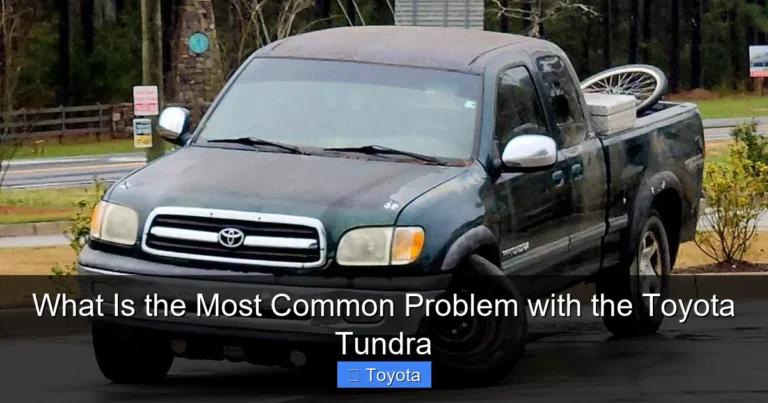
Visual guide about How Many Miles Can You Get Out of a 2010 Toyota Tacoma
Image source: cdn.tacoma4g.com
The 4.0L V6: The Workhorse
This 236-horsepower, 266 lb-ft of torque engine is the most common and beloved choice. Its power is more than adequate for the truck’s size, especially when towing or hauling. Its strength lies in its simplicity: a 24-valve, double overhead cam (DOHC) design with timing chains (no timing belt to replace!). With regular synthetic oil changes every 5,000-7,500 miles, these engines are known to easily surpass 300,000 miles. The main wear points are the timing chain guides and tensioners, which can be noisy but are rarely catastrophic failures if addressed early. The V6’s fuel economy is respectable but not class-leading, typically seeing 17-18 MPG combined.
The 2.7L I4: The Efficient Survivor
The 2.7-liter inline-four is a different beast. It produces 159 hp and 177 lb-ft of torque—adequate but slow, especially when the truck is loaded. Its virtue is legendary fuel economy, often hitting 20-22 MPG combined, and an even simpler, lighter design. It also uses timing chains. Because it has to work harder under load, it can develop a “lifter tick” noise over time, a common annoyance that doesn’t necessarily signal imminent failure. For a driver who primarily uses the Tacoma as a daily driver with occasional light cargo, the 2.7L is a fantastic, ultra-reliable choice that can match the V6 in longevity while saving significantly on fuel costs.
The Holy Grail of Longevity: Maintenance That Matters
Here is the most critical section. You can have the most over-engineered truck on the planet, but without maintenance, it will fail. The difference between a 200,000-mile Tacoma and a 400,000-mile one is almost always the maintenance history. Here is your non-negotiable checklist.

Visual guide about How Many Miles Can You Get Out of a 2010 Toyota Tacoma
Image source: i.ytimg.com
Fluids Are the Lifeblood
Engine Oil: This is #1. Use full synthetic oil (5W-30 or 0W-20 as specified) and change it every 5,000-7,500 miles. Don’t stretch it. The oil not only lubricates but also cleans and cools. Dirty oil leads to sludge, which kills engines. Transmission Fluid: This is arguably as important as engine oil. The 5-speed automatic (in most V6 models) and 6-speed manual have specific service intervals. For the automatic, a fluid and filter change every 60,000-80,000 miles is crucial. Worn transmission fluid loses its ability to cool and lubricate, leading to hard shifts and eventual failure. The manual transmission fluid should be changed every 30,000-50,000 miles. Coolant: Replace the engine coolant (not just top it off) every 30,000-50,000 miles. Old coolant becomes acidic and can corrode radiators, water pumps, and engine passages from the inside out.
Drivetrain Service for 4×4 Models
If you have a 4×4, you have additional systems that need love. The transfer case and both differentials (front and rear) require gear oil changes every 30,000-50,000 miles. This is cheap insurance. A failing transfer case or a shot front differential due to old, contaminated fluid can cost thousands. Furthermore, the front axle seals on the 4×4 models are a known wear item. They can leak, allowing grease to escape and contaminants to enter, eventually destroying the CV joint or axle shaft. Listen for a clicking sound when turning in 4WD, and have the seals inspected regularly.
Filters, Belts, and Hoses
Replace the engine air filter every 15,000-30,000 miles. A clogged filter makes the engine work harder. Inspect and replace serpentine belts and hoses every 60,000-90,000 miles. A broken belt leaves you stranded. A ruptured hose causes overheating, which is catastrophic for an engine. While the 2010 Tacoma uses a timing chain, the chain tensioner and guides can wear. Listen for a rattling noise on cold starts—it may be time for an inspection.
The Rust Monster: The Achilles’ Heel of the 2010 Tacoma
No discussion of Tacoma longevity is complete without addressing rust. The 2010 model is part of a generation with a notorious reputation for frame and body rust, particularly if it lived in a state that uses road salt (the “Salt Belt”). This is, by far, the most common reason high-mileage Tacomas are retired. The rust typically starts in the cab corners, rocker panels, and frame. Once it perforates the frame, the structural integrity is compromised, making the truck unsafe and uneconomical to repair.

Visual guide about How Many Miles Can You Get Out of a 2010 Toyota Tacoma
Image source: rusticaly.com
Inspection and Prevention
If you’re buying a used 2010 Tacoma, you must inspect for rust. Get underneath the truck with a flashlight and a rust probe (a screwdriver works). Poke the frame rails, especially near the cab mounts and rear axle. If metal flakes off or you can poke a hole through it, walk away. For an owner, the key is proactive prevention. Wash the truck thoroughly, including the undercarriage, every few weeks in winter. Apply a rust inhibitor coating (like POR-15, Fluid Film, or a professional undercoating) to clean, bare metal. This creates a barrier against salt and moisture. Regularly check and touch up any chips in the paint or undercoating. A clean, rust-free 2010 Tacoma with 300,000 miles is a far better buy than a pristine 150,000-mile truck with a cancerous frame.
Real-World Mileage Stories: What Owners Are Actually Seeing
The numbers on paper are one thing. The real world is another. Here are common mileage benchmarks and what they mean.
The 200,000-Mile Plateau
Reaching 200,000 miles is a significant achievement that requires consistent, basic maintenance. At this point, wear items will have been replaced several times: brakes (3-4 sets), tires (4-5 sets), shocks/struts, battery (2-3 times), and all the fluids mentioned above. The engine and transmission should still be in excellent health if serviced properly. This is the point where the truck has proven its worth and is often in its prime for a new owner.
The 300,000-Mile Club
The 300,000-mile mark is where the legend solidifies. Owners in this club have not only done the basic maintenance but have also been proactive about addressing smaller issues before they become big ones. This includes replacing the timing chain components (if noisy), rebuilding the transfer case (on 4x4s), and replacing all rubber components (motor mounts, transmission mounts, suspension bushings). The engine may be on its second set of spark plugs and ignition coils. At this stage, the truck is a veteran, but its core systems are solid. You’ll hear stories of these trucks needing a new fuel pump or alternator—these are normal wear items, not signs of a flawed design.
The 400,000-Mile+ Elite
These are the unicorns. They represent a combination of stellar maintenance history, a rust-free life in a warm, dry climate, and a bit of luck. Engines at this stage may have had a rebuild or a “refresh” (new rings, bearings, etc.). Transmissions might have been rebuilt. The body may be original but rust-free. These trucks are not just transportation; they are heirlooms. They demonstrate that with extreme care, the 2010 Tacoma’s core components are virtually immortal.
Buying a High-Mileage 2010 Tacoma: A Practical Guide
If you’re in the market for a used 2010 Tacoma, you’re likely looking at vehicles with 150,000-250,000 miles. How do you ensure you’re buying a gem and not a grenade?
The Service History is King
A complete, consistent service history from a reputable shop or the owner is worth its weight in gold. Look for records of all the fluid changes mentioned above. A truck with 200,000 miles and perfect records is a better bet than a truck with 120,000 miles and no history. If the seller has no records, be extremely cautious and budget for a full inspection and all deferred maintenance.
The Pre-Purchase Inspection (PPI) is Non-Negotiable
Never buy a high-mileage used truck without a PPI by a trusted, independent mechanic (preferably a Toyota specialist). The inspection should cover: compression test/leak-down test on the engine, transmission health scan, transfer case and differential fluid condition, full undercarriage inspection for rust, and a check of all suspension and steering components. The $200-$300 cost of a PPI could save you from a $5,000 mistake. For specific issues like being stuck in 4WD, you might also want to review our guide on how to get a Toyota Tacoma out of 4 wheel drive to understand the system’s common problems.
Budget for the “Deferred Maintenance” Tax
Even a well-maintained high-mileage truck will need work. Budget at least $1,500-$3,000 for immediate post-purchase servicing: all fluids, filters, spark plugs, brake fluid flush, and any minor repairs found on the PPI. If the truck is on its original timing chain components, budgeting for that service (a $1,500-$2,500 job) is wise peace of mind. Think of it as an investment to put the truck on a fresh maintenance cycle.
The Bottom Line: It’s About Partnership
The 2010 Toyota Tacoma is not a magic carpet that defies mechanical wear. It is a supremely well-designed, robust tool. Its potential mileage is a direct reflection of the partnership between the machine and its owner. The truck will faithfully execute its duty for hundreds of thousands of miles if treated with respect: fed clean fluids, protected from corrosion, and given prompt attention to unusual noises or leaks. The stories of 400,000-mile Tacomas are not about luck; they are about meticulous, often obsessive, care. If you buy a 2010 Tacoma, you are buying a platform. Its ultimate lifespan is now in your hands. Treat it well, and it will likely outlive your mortgage. Neglect it, and even this legend will leave you stranded. The choice, and the miles, are yours.
Frequently Asked Questions
What is the biggest mechanical concern for a high-mileage 2010 Tacoma?
The single biggest concern is rust on the frame and cab, which can structurally compromise the vehicle. For the drivetrain, 4×4 models require vigilant service of the transfer case and front differential, and the front axle seals are a common leak point that must be addressed.
How does the gas mileage hold up on a 200k+ mile Tacoma?
If the engine is well-maintained with proper compression and no oil consumption issues, gas mileage will remain relatively consistent. A significant drop in MPG usually points to issues like a clogged catalytic converter, failing oxygen sensors, or dirty fuel injectors, which are all repairable items.
Does the 2010 Tacoma have a timing belt or chain?
Both the 4.0L V6 and the 2.7L I4 engines in the 2010 Tacoma use timing chains. This is a major reliability advantage, as there is no scheduled timing belt replacement service (which can cost $800-$1200). However, the chain tensioners and guides can wear over time and may need replacement around 200,000-300,000 miles if they become noisy.
Is it worth buying a 2010 Tacoma with over 200,000 miles?
Absolutely, if it has a clean title, no significant rust, and a comprehensive service history. The price should reflect the mileage, and you must budget for all deferred maintenance and a thorough PPI. A rust-free, well-serviced 200k-mile Tacoma is a better long-term bet than a neglected 120k-mile one.
What are the most expensive repairs to anticipate?
The most costly repairs are usually related to major component failure, which is rare with maintenance. However, budgeting for a transmission rebuild (if automatic, ~$3,000-$4,500), a transfer case rebuild (~$2,000), or a complete frame repair due to rust (often totaling the truck) is wise. Engine rebuilds are very uncommon but possible at extreme mileages.
When should I consider selling my high-mileage 2010 Tacoma?
Sell when the cost of required repairs (especially major drivetrain or rust-related) begins to exceed the truck’s value to you. Also consider selling if you no longer need its capability, as a well-maintained high-mileage Tacoma holds value exceptionally well. Some owners sell at 250,000-300,000 miles while the truck is still in excellent mechanical shape to maximize return before any major services are due.