How Long to Idle a Car to Charge Battery
Idling your car to charge the battery is often misunderstood. While it can provide a small charge, it’s inefficient and may harm your engine and battery over time. Modern vehicles rarely benefit from idling—driving is almost always better.
In This Article
- 1 Key Takeaways
- 2 📑 Table of Contents
- 3 How Long to Idle a Car to Charge Battery: The Truth Behind the Myth
- 4 How Car Batteries and Alternators Work Together
- 5 How Long Should You Idle to Charge a Car Battery?
- 6 The Risks of Idling to Charge Your Battery
- 7 Better Alternatives to Idling for Charging Your Battery
- 8 When Idling Might Be Necessary (and How to Do It Safely)
- 9 Conclusion: Skip the Idle, Drive or Charge Instead
- 10 Frequently Asked Questions
- 10.1 How long should I idle my car to charge a dead battery?
- 10.2 Can I charge my car battery by idling with the AC on?
- 10.3 Is it bad to idle my car every day to keep the battery charged?
- 10.4 Will idling charge a completely dead battery?
- 10.5 How long does it take to charge a car battery while driving?
- 10.6 Can I use a trickle charger instead of idling?
Key Takeaways
- Idling provides minimal charge: Most cars only gain a small fraction of battery power while idling, often not enough to fully recharge a weak battery.
- Driving charges faster: A 20–30 minute drive at highway speeds recharges the battery more effectively than hours of idling.
- Modern alternators are efficient: Newer vehicles generate power quickly once the engine is running, reducing the need for long idling.
- Excessive idling harms the engine: It leads to fuel buildup, carbon deposits, and incomplete combustion, which can damage engine components.
- Battery type matters: AGM and lithium-ion batteries charge differently than traditional lead-acid batteries and may require specific charging methods.
- Use a battery charger for best results: A dedicated trickle or smart charger is safer and more effective than idling.
- Extreme weather affects charging: Cold temperatures reduce battery efficiency, making idling even less effective in winter.
📑 Table of Contents
- How Long to Idle a Car to Charge Battery: The Truth Behind the Myth
- How Car Batteries and Alternators Work Together
- How Long Should You Idle to Charge a Car Battery?
- The Risks of Idling to Charge Your Battery
- Better Alternatives to Idling for Charging Your Battery
- When Idling Might Be Necessary (and How to Do It Safely)
- Conclusion: Skip the Idle, Drive or Charge Instead
How Long to Idle a Car to Charge Battery: The Truth Behind the Myth
You’ve probably heard it before: “Just let your car idle for a while, and it’ll charge the battery.” It sounds simple enough—fire up the engine, let it run, and wait for the battery to recharge. But is that really how it works? The truth is, idling your car to charge the battery is one of the most misunderstood practices in car maintenance.
While it’s true that your car’s alternator generates electricity when the engine is running, simply idling isn’t an efficient way to recharge a depleted battery. In fact, depending on your vehicle and battery condition, idling might not add much charge at all—and could even do more harm than good over time. Modern cars are designed to charge the battery while driving, not while sitting still. So if you’re wondering, “How long should I idle my car to charge the battery?” the short answer is: not long enough to make a real difference.
This guide will break down exactly how car batteries charge, why idling isn’t the best solution, and what you should do instead to keep your battery healthy and your car ready to go.
How Car Batteries and Alternators Work Together
Visual guide about How Long to Idle a Car to Charge Battery
Image source: gomotoriders.com
To understand why idling isn’t a great way to charge your battery, it helps to know how your car’s electrical system works. Your car battery stores electrical energy and provides the power needed to start the engine. Once the engine is running, the alternator takes over. It generates electricity to power the car’s systems and recharge the battery.
Think of the battery as a reservoir and the alternator as a pump. When you start the car, the battery releases stored energy. Once the engine is on, the alternator pumps energy back into the battery. But here’s the catch: the alternator only works when the engine is running, and it produces more power at higher engine speeds.
At idle, the engine runs at a low RPM (revolutions per minute), usually between 600 and 1,000. At this speed, the alternator spins slowly and generates less electricity. That means it can only produce enough power to run the car’s basic systems—like lights, radio, and climate control—with very little left over to recharge the battery.
For example, if your battery is at 50% charge and you let the car idle for 30 minutes, you might only gain 5–10% charge, depending on the vehicle and battery condition. That’s not enough to fully restore a weak battery, especially if it was deeply discharged.
Why Modern Alternators Are More Efficient
Newer cars come equipped with advanced alternators that are designed to charge the battery quickly once the engine is running. These systems often include voltage regulators and smart charging technology that adjusts output based on demand. Some vehicles even have regenerative braking systems that help recharge the battery during deceleration.
Because of these improvements, modern alternators can replenish a battery much faster than older models—but only when the engine is under load, like when driving. Idling doesn’t provide the same load, so the alternator doesn’t work as hard. This is why driving for 20–30 minutes is far more effective than idling for the same amount of time.
How Long Should You Idle to Charge a Car Battery?

Visual guide about How Long to Idle a Car to Charge Battery
Image source: carput.my
So, how long do you actually need to idle your car to charge the battery? The short answer: not very long—and probably not long enough to make a meaningful difference.
Most experts agree that idling for 15–30 minutes will only provide a small trickle of charge, especially if the battery is already weak or deeply discharged. In many cases, that’s not enough to restart the car if it’s already dead. And if you’re idling to “top off” a healthy battery, you’re likely wasting fuel and putting unnecessary strain on your engine.
Let’s look at a real-world example. Suppose your battery is at 60% charge and you let the car idle for 30 minutes with the radio and headlights on. The alternator is working, but it’s also powering those accessories. The net gain in battery charge might be only 5–10%. Now imagine doing the same thing while driving at 50 mph on the highway. The engine is running at a higher RPM, the alternator is spinning faster, and the battery could gain 20–30% charge in the same amount of time.
Factors That Affect Charging While Idling
Several factors influence how much charge your battery gains while idling:
- Battery age and condition: An old or damaged battery won’t hold a charge well, no matter how long you idle.
- Engine size and alternator output: Larger engines and high-output alternators generate more power, even at idle.
- Electrical load: Using lights, AC, or the radio drains power, reducing the net charge going to the battery.
- Temperature: Cold weather reduces battery efficiency and alternator output, making idling even less effective.
- Vehicle type: Hybrids and electric vehicles use different charging systems and may not benefit from idling at all.
For instance, a compact car with a small alternator might only produce 50 amps at idle, while a truck with a heavy-duty alternator could produce 100+ amps. But even then, the charging rate is still much lower than when driving.
The Risks of Idling to Charge Your Battery

Visual guide about How Long to Idle a Car to Charge Battery
Image source: vehicleanswers.com
While it might seem harmless to let your car idle for a while, doing so regularly can cause several problems—both for your battery and your engine.
Engine Damage from Incomplete Combustion
When a car idles for long periods, especially in cold weather, the engine doesn’t reach its optimal operating temperature. This leads to incomplete combustion, where fuel doesn’t burn completely. The unburned fuel can mix with oil and form sludge, which clogs oil passages and reduces lubrication. Over time, this can damage engine components like pistons, rings, and valves.
Additionally, idling causes fuel to condense on cylinder walls, washing away the protective oil film. This increases wear and can lead to premature engine failure.
Increased Emissions and Environmental Impact
Idling your car produces unnecessary emissions, including carbon dioxide, nitrogen oxides, and particulate matter. These contribute to air pollution and climate change. In many cities, idling for more than a few minutes is even illegal due to environmental regulations.
Even if you’re just trying to charge your battery, you’re still burning fuel without moving the vehicle—making it an inefficient and environmentally harmful practice.
Battery Sulfation and Reduced Lifespan
Lead-acid batteries, which are used in most gasoline-powered cars, can suffer from sulfation if they’re not fully charged regularly. Sulfation occurs when sulfur crystals build up on the battery plates, reducing its ability to hold a charge. Idling doesn’t provide enough charge to prevent sulfation, especially if the battery is already weak.
Over time, this can shorten the battery’s lifespan and lead to early failure. A battery that’s constantly undercharged will degrade faster than one that’s properly maintained.
Wasted Fuel and Money
Idling burns fuel without getting you anywhere. On average, a car uses about 0.5 to 1 gallon of fuel per hour while idling. If you idle for 30 minutes every day to “charge” your battery, you’re wasting up to 180 gallons of fuel per year—costing you hundreds of dollars and doing nothing to improve battery health.
Better Alternatives to Idling for Charging Your Battery
If idling isn’t the answer, what should you do instead? Fortunately, there are several more effective and safer ways to charge your car battery.
Drive Your Car Regularly
The best way to charge your battery is to drive your car. A 20–30 minute drive at highway speeds allows the alternator to generate maximum power and recharge the battery efficiently. Even short trips can help, as long as the engine runs long enough to warm up and the alternator has time to work.
For example, if your battery is low, take a 25-minute drive on the freeway. Avoid stop-and-go traffic if possible, as frequent braking and accelerating can drain the battery. Instead, maintain a steady speed to give the alternator time to recharge.
Use a Battery Charger
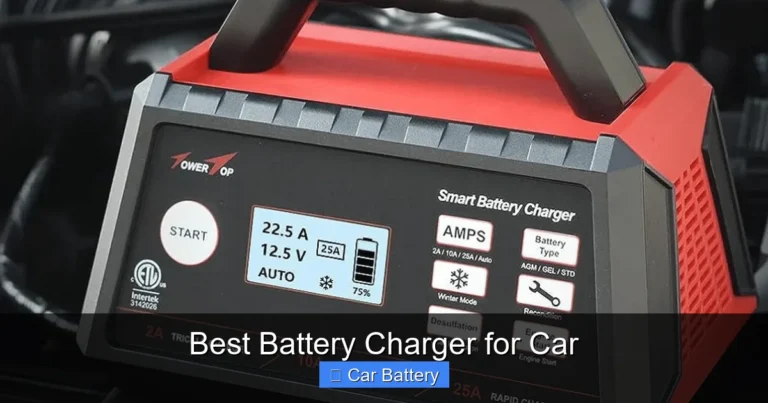
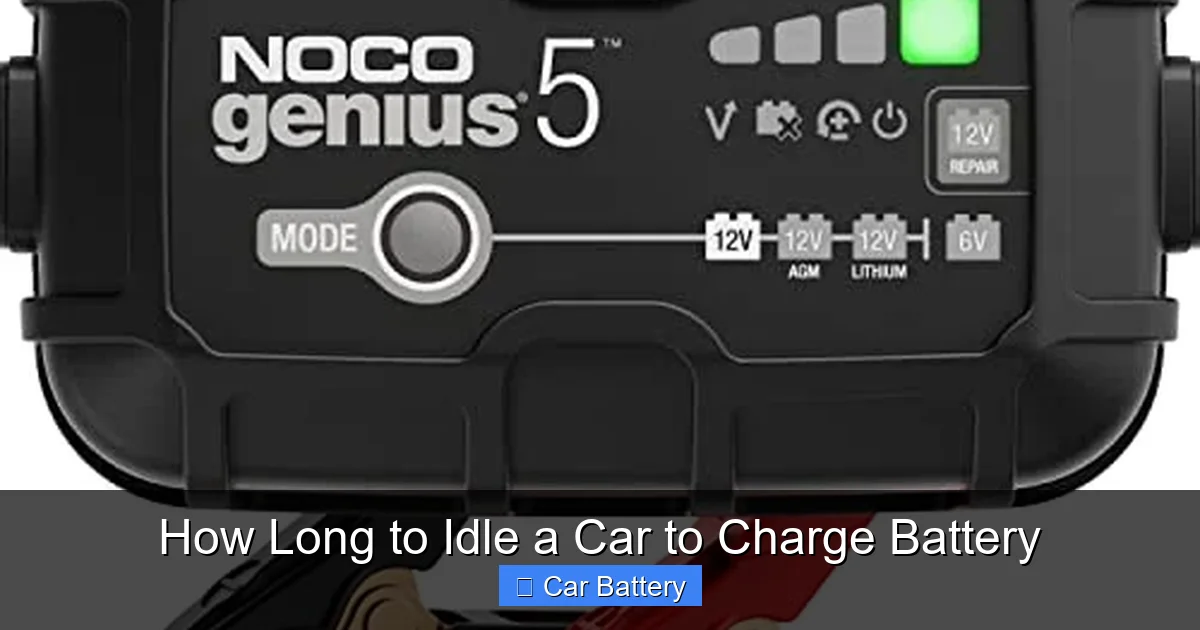
A dedicated battery charger is the most reliable way to recharge a weak or dead battery. Smart chargers are especially useful because they monitor the battery’s condition and adjust the charge rate accordingly. They can also prevent overcharging, which can damage the battery.
Trickle chargers are another option for long-term maintenance. They provide a slow, steady charge and are ideal for vehicles that aren’t driven often, like classic cars or seasonal vehicles. Just make sure to use a charger compatible with your battery type—AGM, lithium-ion, or standard lead-acid.
Jump-Start and Drive
If your battery is completely dead, a jump-start can get your car running again. Once the engine is on, drive for at least 30 minutes to allow the alternator to recharge the battery. Avoid turning off the engine during this time, as the battery may not have enough charge to restart.
Keep in mind that a jump-start only works if the battery isn’t damaged. If your battery is old or has been deeply discharged multiple times, it may need to be replaced.
Maintain Your Battery and Electrical System
Prevention is key. Regular maintenance can help keep your battery in good condition and reduce the need for recharging.
- Check battery terminals for corrosion and clean them with a wire brush.
- Ensure the battery is securely mounted to prevent vibration damage.
- Test the battery and alternator annually, especially before winter.
- Avoid leaving lights or accessories on when the engine is off.
- Use a battery maintainer if the car will be parked for more than a week.
Consider a Battery Upgrade
If you frequently experience battery issues, it might be time for an upgrade. AGM (absorbent glass mat) batteries are more durable and charge faster than traditional lead-acid batteries. They’re also better suited for vehicles with high electrical demands, like those with aftermarket electronics or start-stop systems.
Lithium-ion batteries are another option, though they’re more expensive and may require a compatible charging system. Always consult your vehicle’s manual or a professional before switching battery types.
When Idling Might Be Necessary (and How to Do It Safely)
While idling isn’t ideal, there are rare situations where it might be necessary—such as when you’re stuck in traffic, waiting for a tow, or using a remote starter in extreme cold.
If you must idle, follow these tips to minimize risks:
- Limit idling to 10–15 minutes at a time.
- Turn off unnecessary accessories like the radio and AC.
- Ensure the car is in a well-ventilated area to avoid carbon monoxide buildup.
- Never idle in an enclosed space like a garage, even with the door open.
- Use a battery maintainer or trickle charger if the car will be parked for days.
In cold weather, some drivers idle to warm up the engine. However, modern engines warm up faster when driven gently. Idling for more than a minute or two is usually unnecessary and can actually delay proper engine warm-up.
Conclusion: Skip the Idle, Drive or Charge Instead
So, how long to idle a car to charge battery? The honest answer is: not long enough to make a real difference—and often not worth the risk. Idling provides minimal charge, wastes fuel, harms the engine, and can shorten your battery’s life.
Instead, focus on driving regularly, using a proper battery charger, and maintaining your electrical system. These habits will keep your battery healthy and your car reliable, without the downsides of unnecessary idling.
Remember, your car was designed to move. Let it do what it does best—and let the alternator do its job while you’re on the road.
Frequently Asked Questions
How long should I idle my car to charge a dead battery?
Idling for 30 minutes may only add 5–10% charge, which is usually not enough to restart a dead battery. A jump-start followed by a 20–30 minute drive is far more effective.
Can I charge my car battery by idling with the AC on?
No, using the AC while idling increases electrical load and reduces the net charge going to the battery. It’s better to turn off accessories or drive instead.
Is it bad to idle my car every day to keep the battery charged?
Yes, daily idling can lead to engine sludge, increased emissions, and wasted fuel. It’s better to drive regularly or use a battery maintainer.
Will idling charge a completely dead battery?
No, a completely dead battery often can’t be recharged by idling alone. You’ll likely need a jump-start and a drive, or a dedicated charger.
How long does it take to charge a car battery while driving?
A 20–30 minute drive at highway speeds is usually enough to recharge a weak battery, depending on the alternator and battery condition.
Can I use a trickle charger instead of idling?
Yes, a trickle charger is a much better option. It provides a slow, steady charge and is ideal for maintaining batteries in parked vehicles.