
How Long Can a Car Overheat Before Damage Occurs?

Your car can suffer serious engine damage in as little as 30 seconds to a few minutes of overheating. Ignoring warning signs like steam, dashboard lights, or strange noises drastically increases the risk of warped components, blown head gaskets, or complete engine failure.
Key Takeaways
- Immediate damage can occur within 30 seconds: At extreme temperatures (above 240°F), engine parts begin to warp or seize almost instantly.
- Head gasket failure is common after 2–5 minutes: Prolonged overheating often leads to a blown head gasket, which is expensive to repair.
- Coolant leaks and low levels are top causes: Regular checks can prevent most overheating issues before they start.
- Pull over immediately if the temperature gauge spikes: Continuing to drive accelerates damage and may leave you stranded.
- Modern cars have safety shutoffs: Many vehicles will reduce power or shut down to protect the engine, but this isn’t foolproof.
- Prevention beats repair: Routine maintenance like coolant flushes and radiator inspections save time, money, and stress.
- Don’t ignore minor symptoms: A slightly high temperature reading or sweet smell could signal an early problem.
📑 Table of Contents
- How Long Can a Car Overheat Before Damage Occurs?
- Understanding Engine Overheating: What Happens Inside
- How Long Until Damage Starts? The Timeline of Overheating
- Common Causes of Overheating (And How to Spot Them)
- What to Do If Your Car Starts Overheating
- Preventing Overheating: Maintenance Tips That Work
- When to Call a Mechanic: Don’t DIY Everything
- Conclusion: Act Fast, Drive Smart
How Long Can a Car Overheat Before Damage Occurs?
Picture this: You’re cruising down the highway on a hot summer day, windows down, music playing. Suddenly, you notice the temperature gauge creeping into the red zone. Steam starts puffing from under the hood. Your heart skips a beat. How long do I have before my engine is ruined?
The truth is, not long at all. While modern engines are built to handle some stress, overheating is one of the fastest ways to cause catastrophic damage. In many cases, serious harm can begin in under a minute. The exact timeline depends on factors like engine design, coolant condition, and how hot the engine gets—but one thing is certain: every second counts. Ignoring an overheating engine isn’t just risky—it’s a gamble with your car’s heart.
In this guide, we’ll break down exactly how long a car can overheat before damage occurs, what signs to watch for, the most common causes, and how to respond when things go wrong. Whether you’re a daily commuter or weekend road-tripper, understanding this critical issue could save you thousands in repairs—or even prevent total engine failure.
Understanding Engine Overheating: What Happens Inside
To grasp why overheating is so dangerous, it helps to know what’s going on under the hood. Your car’s engine burns fuel to create power, and that process generates intense heat—often exceeding 4,500°F in the combustion chamber. But the engine block and cylinder heads must stay within a safe operating range, typically between 195°F and 220°F. That’s where the cooling system comes in.
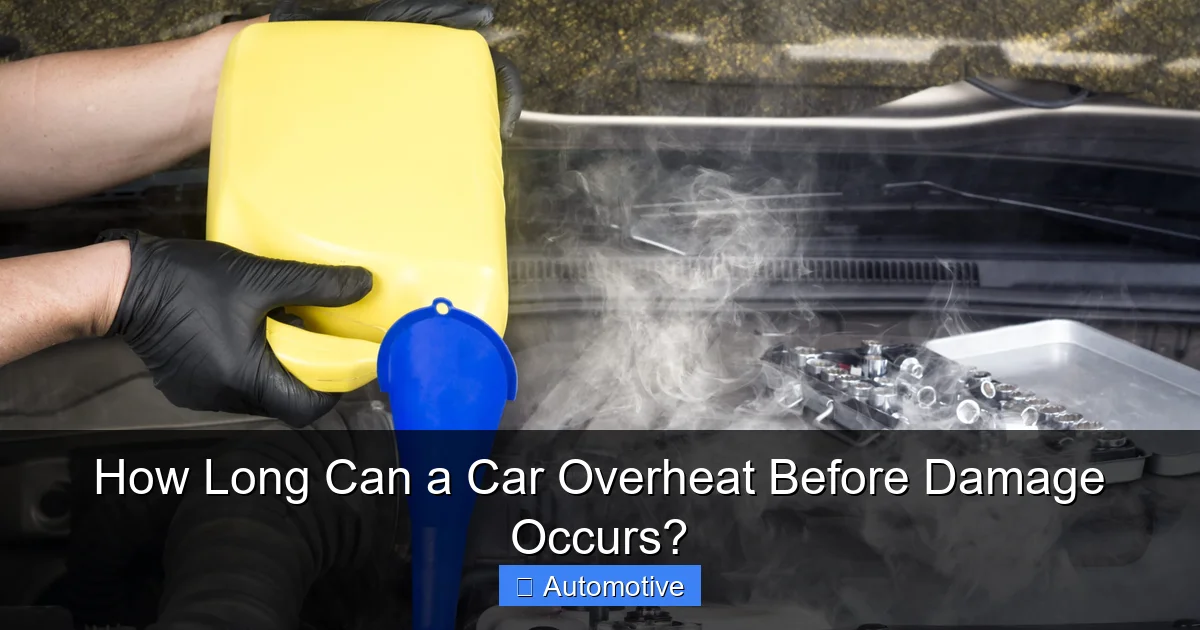
Visual guide about How Long Can a Car Overheat Before Damage Occurs?
Image source: vehicleanswers.com
How the Cooling System Works
The cooling system is like your car’s air conditioner. It uses a mix of antifreeze and water (coolant) that circulates through channels in the engine, absorbing heat. A water pump pushes this coolant through the engine and into the radiator, where fans and airflow cool it down before it loops back. Thermostats regulate flow, and pressure caps keep the system sealed to raise the coolant’s boiling point.
What Happens When It Fails?
When the cooling system fails—whether due to a leak, broken pump, or clogged radiator—the coolant can’t remove heat efficiently. Temperatures rise rapidly. At around 240°F, aluminum engine components (like cylinder heads) begin to soften and warp. Pistons can seize in their cylinders. Gaskets lose their seal. And if the coolant boils away completely, metal parts grind against each other with no lubrication, causing friction and melting.
Think of it like overheating a pot of water on the stove. A little steam is fine, but if the water boils dry, the pot can warp or even crack. Your engine is far more complex—and far more expensive to replace.
How Long Until Damage Starts? The Timeline of Overheating
So, how long can a car overheat before damage occurs? The answer isn’t one-size-fits-all, but experts agree: serious damage can begin in as little as 30 seconds to 2 minutes under extreme conditions. Here’s a breakdown of what typically happens over time.
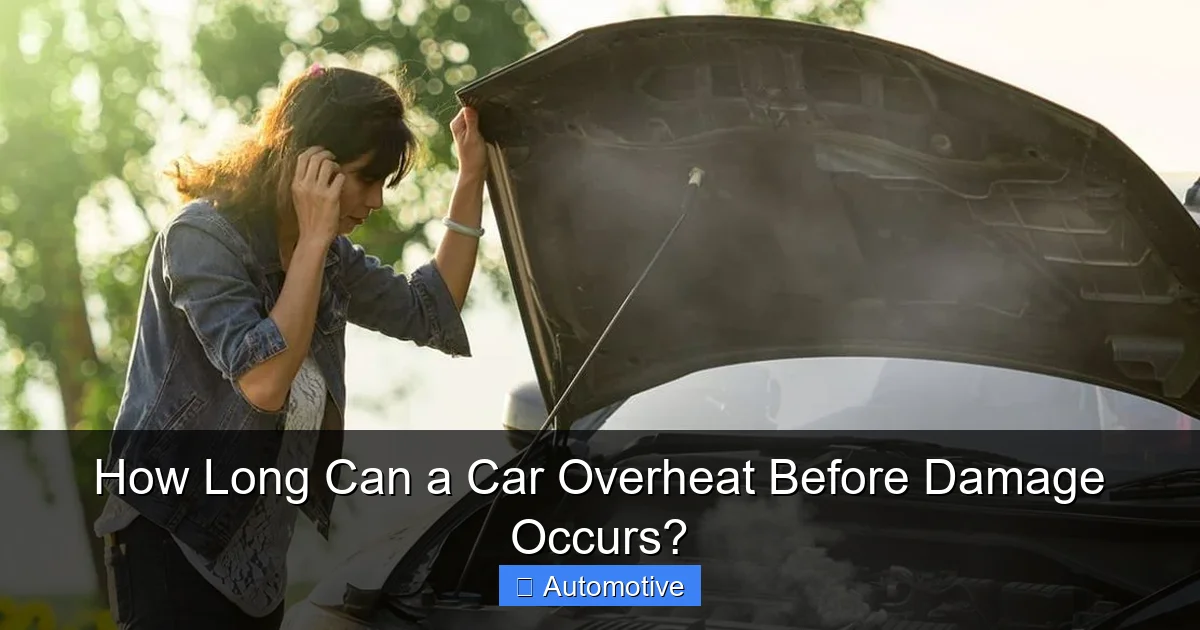
Visual guide about How Long Can a Car Overheat Before Damage Occurs?
Image source: carwrenching.com
0–30 Seconds: Early Warning Signs
At the first sign of overheating—like the temperature gauge rising above normal—your engine is already under stress. If the coolant is low or circulation has stopped, metal components begin expanding faster than they should. While no permanent damage may occur yet, this is your last chance to act. Continuing to drive even for a minute can escalate the situation quickly.
30 Seconds to 2 Minutes: Warping and Seizing Risk
Once the engine hits 240°F or higher, aluminum parts like cylinder heads and engine blocks start to lose structural integrity. Even brief exposure can cause warping. In high-performance or turbocharged engines, the risk is even greater due to tighter tolerances and higher operating temperatures. A warped head may not seem like a big deal, but it can lead to leaks, poor compression, and engine misfires.
2–5 Minutes: Head Gasket Failure
This is where things get expensive. The head gasket—a critical seal between the engine block and cylinder head—is designed to contain combustion gases, coolant, and oil. When overheated, it can blow or crack. Symptoms include white smoke from the exhaust, coolant loss, oil contamination (milky appearance), and loss of power. Replacing a head gasket can cost $1,500 to $3,000, depending on the vehicle.
5+ Minutes: Catastrophic Engine Failure
If the engine continues to run while severely overheated, pistons can seize in the cylinders. Connecting rods may bend. Bearings can melt. In extreme cases, the engine block itself can crack. At this point, the engine may need a full rebuild or replacement—costing $5,000 or more. In some cases, the damage is so severe that the car is totaled.
Real-World Example: A 2018 Honda Civic owner ignored a coolant leak and drove 10 miles with the temperature light on. Within 3 minutes of the light appearing, the head gasket blew. The repair cost $2,200. Had they pulled over immediately, the issue might have been fixed for under $200.
Common Causes of Overheating (And How to Spot Them)
Overheating doesn’t happen out of nowhere. Most cases are caused by preventable issues. Knowing what to look for can help you catch problems early—before damage occurs.
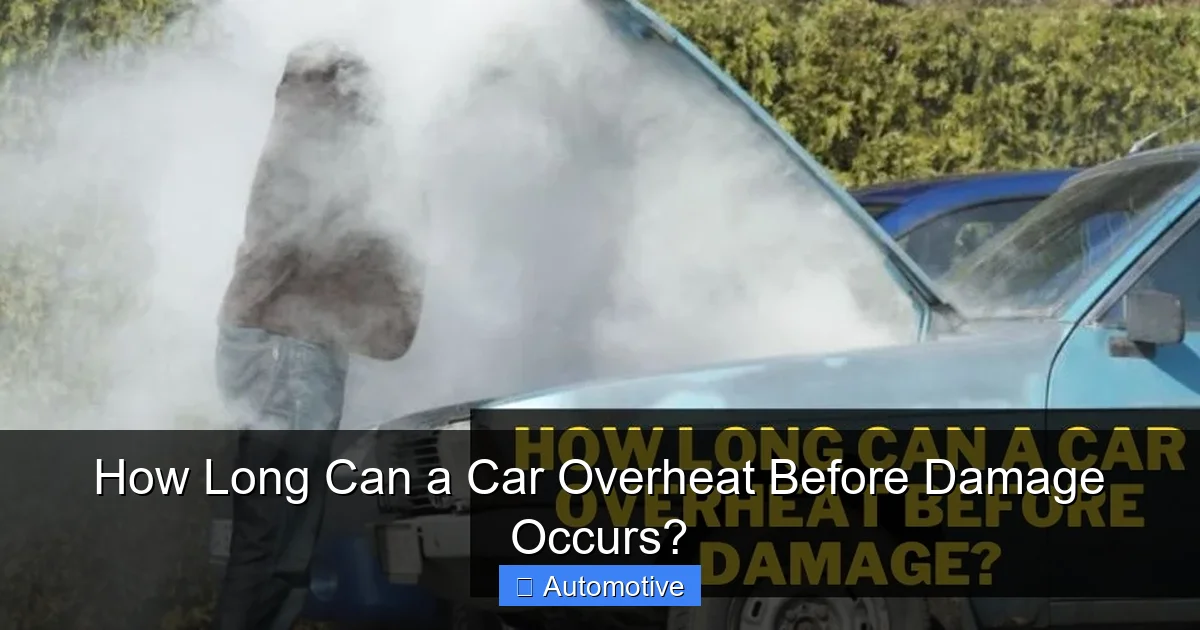
Visual guide about How Long Can a Car Overheat Before Damage Occurs?
Image source: carwrenching.com
Low or Leaking Coolant
The most common cause of overheating is simply not enough coolant. Coolant can leak from hoses, the radiator, water pump, or heater core. It can also evaporate over time if the system isn’t sealed properly. Check your coolant reservoir regularly—most cars have a “min” and “max” line. If it’s below “min,” top it off (when the engine is cool!) and inspect for leaks.
Faulty Thermostat
The thermostat controls when coolant flows through the engine. If it gets stuck closed, coolant can’t circulate, and the engine overheats quickly. Symptoms include rapid temperature spikes and no heat from the vents. A new thermostat costs $50–$150 and is a quick fix.
Water Pump Failure
The water pump is the heart of the cooling system. If it fails, coolant stops moving. Look for coolant leaks near the front of the engine, a whining noise, or overheating at idle. Water pump replacement typically costs $300–$700.
Radiator Problems
Radiators can clog from debris, corrosion, or internal buildup. A clogged radiator can’t cool the coolant effectively. External signs include bent fins or dirt buildup. Internal clogs are harder to spot but often cause overheating at highway speeds. Flushing the radiator or replacing it may be necessary.
Cooling Fan Issues
Electric fans kick on when the engine gets hot. If a fan motor fails or a relay is faulty, the radiator won’t get enough airflow—especially in traffic. Listen for the fan running when the AC is on or the engine is hot. If it’s silent, have it checked.
Blown Head Gasket (Secondary Cause)
Ironically, a blown head gasket can cause overheating by allowing combustion gases into the coolant system, raising pressure and temperature. This creates a dangerous cycle. Look for bubbling in the coolant reservoir, white exhaust smoke, or sweet-smelling fumes.
Pro Tip: Keep a coolant level checker in your glove box. It’s a small tool that reads the coolant’s condition and freeze point. A $15 investment can help you spot degradation before it causes problems.
What to Do If Your Car Starts Overheating
Reacting quickly can mean the difference between a minor fix and a major repair. Here’s a step-by-step guide if you notice your car overheating.
Step 1: Pull Over Safely
As soon as you see the temperature gauge rise or the warning light come on, find a safe place to pull over. Don’t wait. Turn off the engine immediately. Continuing to drive, even for a short distance, can cause irreversible damage.
Step 2: Let the Engine Cool
Never open the radiator cap or coolant reservoir while the engine is hot. The system is under pressure, and opening it can cause scalding steam to erupt. Wait at least 30 minutes before attempting to check coolant levels.
Step 3: Check Coolant Level
Once the engine is cool, check the coolant reservoir. If it’s low, top it off with a 50/50 mix of antifreeze and distilled water. Avoid using plain tap water, which can cause corrosion. If the coolant is dirty or rusty, it may need a flush.
Step 4: Inspect for Leaks
Look under the car for puddles of green, orange, or pink fluid. Check hoses for cracks or bulges. Feel around the water pump and radiator for wet spots. If you find a leak, don’t drive the car—have it towed.
Step 5: Test the Cooling Fan
Turn on the AC or let the engine idle (if safe). The cooling fan should kick on within a few minutes. If it doesn’t, there may be an electrical issue. Don’t continue driving until it’s fixed.
Step 6: Call for Help if Needed
If you’re unsure what’s wrong or can’t safely fix it, call a tow truck. It’s better to spend $100 on a tow than $3,000 on engine repairs. Many roadside assistance programs include towing and basic diagnostics.
Important: Never pour cold water on a hot engine. The sudden temperature change can cause cracks in the engine block or cylinder head. Let it cool naturally.
Preventing Overheating: Maintenance Tips That Work
The best way to avoid overheating is to stay ahead of problems. A little maintenance goes a long way in protecting your engine.
Check Coolant Regularly
Make it a habit to check your coolant level every month. Look at the reservoir when the engine is cold. Top it off if needed, and note any changes in color or consistency. Coolant should be bright and clear—not rusty or sludgy.
Follow the Manufacturer’s Maintenance Schedule
Most cars need a coolant flush every 30,000 to 100,000 miles, depending on the type of antifreeze. Check your owner’s manual. Flushing removes old coolant and contaminants that can clog the system.
Inspect Hoses and Belts
Coolant hoses should be firm but flexible. Replace any that are cracked, swollen, or leaking. Serpentine belts that drive the water pump should also be checked for wear. A broken belt means no coolant flow—and instant overheating.
Keep the Radiator Clean
Debris like leaves, bugs, and dirt can block airflow through the radiator. Use a soft brush or compressed air to clean the fins gently. Don’t use high-pressure washers, which can bend the delicate fins.
Test the Thermostat
If your engine takes too long to warm up or overheats quickly, the thermostat may be faulty. A mechanic can test it with a scan tool or by monitoring coolant flow.
Use the Right Coolant
Not all coolants are the same. Use the type recommended by your manufacturer (e.g., Dexcool, OAT, HOAT). Mixing types can cause chemical reactions that clog the system.
Bonus Tip: If you live in a hot climate or frequently tow heavy loads, consider upgrading to a high-performance radiator or auxiliary cooling fan. These upgrades can help manage extra heat.
When to Call a Mechanic: Don’t DIY Everything
While some overheating issues are simple to fix, others require professional help. Here’s when you should stop and call a mechanic.
You See White Smoke or Smell Sweet Fumes
This could indicate a blown head gasket or coolant entering the combustion chamber. These are serious issues that need expert diagnosis.
The Engine Overheats After a Recent Repair
If your car overheated shortly after a coolant change or radiator replacement, there may be air in the system (airlock) or an installation error. A mechanic can bleed the system properly.
You’re Not Comfortable Diagnosing the Problem
Electrical issues, internal leaks, or engine damage require specialized tools and knowledge. Don’t risk making it worse. A professional inspection is worth the cost.
The Temperature Light Comes On Frequently
Even if the car cools down after stopping, recurring overheating suggests an underlying issue. Ignoring it could lead to bigger problems down the road.
Remember: A $100 diagnostic fee can save you $3,000 in engine repairs. It’s a smart investment.
Conclusion: Act Fast, Drive Smart
So, how long can a car overheat before damage occurs? The short answer: not long at all. In the worst cases, irreversible damage can begin in under a minute. But with awareness, regular maintenance, and quick action, you can avoid disaster.
Overheating isn’t just an inconvenience—it’s a serious threat to your engine’s health. By understanding the causes, recognizing the signs, and knowing how to respond, you’ll be better prepared to protect your vehicle. Whether it’s checking coolant levels monthly or pulling over at the first sign of trouble, small habits make a big difference.
Your car is more than just transportation. It’s a trusted companion on your daily journeys. Treat it well, and it will take you far—without leaving you stranded on the side of the road.
Frequently Asked Questions
Can a car engine survive a few minutes of overheating?
It depends on how hot it got and for how long. Brief overheating (under 2 minutes) may not cause permanent damage if caught early, but there’s always risk of warping or gasket failure. Have the car inspected after any overheating event.
Is it safe to drive with the temperature light on?
No. Driving with the temperature light on can cause severe engine damage in minutes. Pull over immediately, turn off the engine, and call for assistance.
Can low coolant cause overheating even if the engine isn’t hot yet?
Yes. Low coolant reduces the system’s ability to absorb and transfer heat. Even if the engine feels normal, it can overheat quickly under load or in traffic.
How much does it cost to fix an overheating car?
Costs vary widely. Simple fixes like a thermostat or coolant top-off may cost $50–$200. A blown head gasket can cost $1,500–$3,000. Engine replacement can exceed $5,000.
Can I use water instead of coolant in an emergency?
Only as a temporary fix. Use distilled water if possible, and replace it with proper coolant as soon as you can. Tap water contains minerals that can clog the system.
Why does my car overheat when idling but not on the highway?
This often points to a cooling fan issue. At highway speeds, airflow cools the radiator naturally. At idle, the electric fan must do the work. If it’s not running, the engine overheats.