
How to Report Car Insurance Fraud

Car insurance fraud costs billions annually and drives up premiums for honest drivers. Knowing how to spot and report suspicious activity can help stop fraudsters and protect your wallet. This guide walks you through the signs, steps, and resources to report car insurance fraud confidently.
Key Takeaways
- Recognize common fraud types: Staged accidents, exaggerated claims, and fake injuries are frequent tactics used by fraudsters.
- Document everything: Photos, witness info, and police reports strengthen your case when reporting fraud.
- Report to your insurer first: Most companies have dedicated fraud investigation units and online reporting tools.
- Contact state insurance departments: Each state has an agency that handles fraud complaints and can launch formal investigations.
- Use the National Insurance Crime Bureau (NICB): This nonprofit organization accepts anonymous tips and works with law enforcement nationwide.
- Stay anonymous if needed: You can report fraud without revealing your identity in most cases.
- Protect yourself from retaliation: Know your rights and avoid direct confrontation with suspected fraudsters.
📑 Table of Contents
What Is Car Insurance Fraud?
Car insurance fraud happens when someone lies or misleads an insurance company to get money they don’t deserve. It’s not just about big scams—fraud can be as simple as padding a repair bill or as complex as orchestrating a fake crash. Unfortunately, it’s more common than most people think. According to the National Insurance Crime Bureau (NICB), fraudulent claims cost the industry over $30 billion every year. That means higher premiums for everyone else.
Fraud isn’t always obvious. Sometimes it’s a friend who “forgot” to mention they were texting before a minor fender bender. Other times, it’s organized rings staging accidents in busy intersections. Either way, the result is the same: honest drivers pay the price. The good news? You can help stop it. By learning how to spot red flags and knowing how to report car insurance fraud, you become part of the solution.
Common Types of Car Insurance Fraud
Visual guide about How to Report Car Insurance Fraud
Image source: motorbiscuit.com
Not all fraud looks the same. Some schemes are quick and small, while others involve multiple people and take months to unfold. Understanding the most common types can help you recognize suspicious behavior—whether it’s happening to you or around you.
Staged Accidents
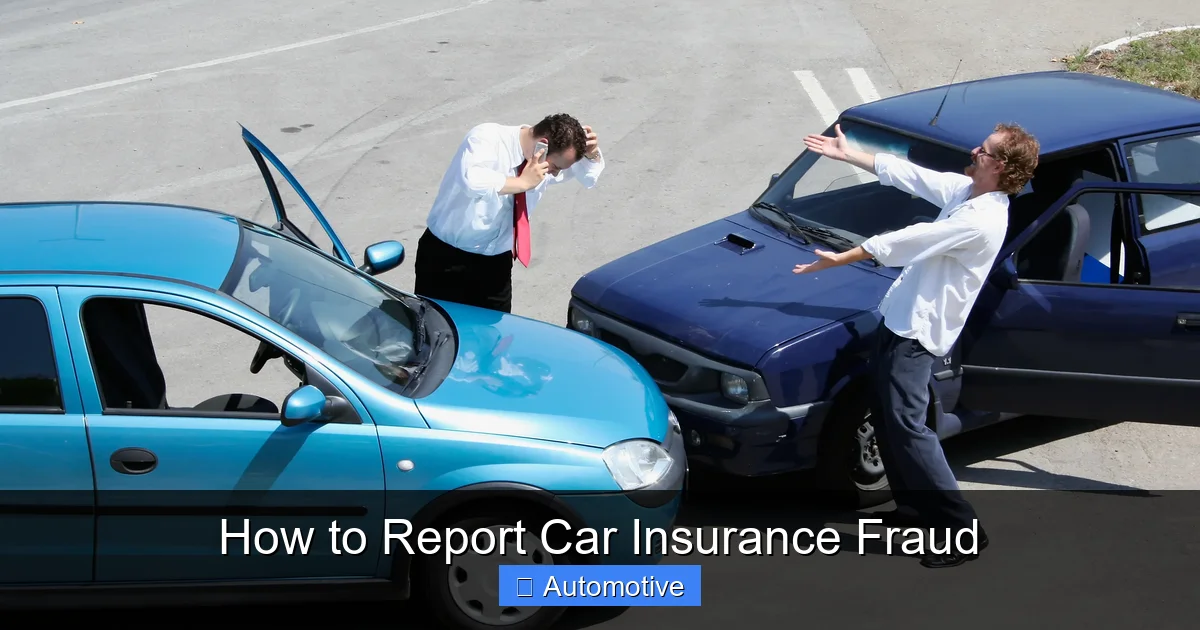
One of the most dangerous forms of fraud is the staged accident. This is when someone deliberately causes a crash to file a false claim. A classic example is the “swoop and squat,” where one car cuts off another, forcing a rear-end collision. The driver who caused the crash then claims they were hit unexpectedly and seeks compensation for injuries and vehicle damage.
These accidents often happen in high-traffic areas like intersections or highway on-ramps. The fraudsters may use old or damaged cars to minimize their own risk. They might also have fake passengers who claim whiplash or other soft-tissue injuries. Because these injuries are hard to prove or disprove, insurers often pay out to avoid lengthy disputes.
Exaggerated Claims
Not all fraud involves faking an accident. Sometimes, a real crash happens—but the claim is blown way out of proportion. For example, someone might have a minor bumper scratch but claim their back was injured and they missed weeks of work. They might submit fake medical bills or receipts for car rentals that never happened.
This type of fraud is harder to detect because there’s a real incident behind it. But insurers look for inconsistencies—like a claim for a luxury rental car after a tiny scratch—or medical treatments that don’t match the injury. If you notice someone suddenly claiming major injuries after a low-speed bump, it’s worth paying attention.
Fake or Phantom Vehicles
In this scheme, a person reports that their car was stolen or damaged in an accident—but the vehicle never existed. They might use a fake VIN (vehicle identification number) or borrow a car, damage it, and then claim it was theirs. Some fraudsters even register a car under a fake name and then “lose” it.
This type of fraud often targets comprehensive coverage, which pays for theft, vandalism, or natural disasters. Because there’s no real car to inspect, it can be tough for insurers to catch—unless they dig deep into registration records or GPS data.
Premium Diversion
This one’s a bit different. Instead of filing a false claim, the fraud happens before the policy even starts. An agent or broker might sell you a policy, take your premium, and then pocket the money without sending it to the insurance company. You think you’re covered, but when you get in an accident, you find out your policy was never active.
This is why it’s so important to verify your policy directly with the insurer—not just the agent. Always check your policy number online or call the company to confirm coverage.
Inflated Repair Costs
Some repair shops collude with drivers to overcharge insurers. They might replace parts that don’t need replacing, charge for labor that wasn’t done, or use aftermarket parts but bill for OEM (original equipment manufacturer) parts. The driver gets a cut of the extra money, and the shop keeps the rest.
You might not notice this unless you’re closely involved in the repair process. But if your car is fixed quickly and cheaply, yet the insurer paid a high amount, something might be off.
How to Spot the Warning Signs
Visual guide about How to Report Car Insurance Fraud
Image source: i1.wp.com
You don’t need to be a detective to recognize potential fraud. Often, the signs are subtle but noticeable if you know what to look for. Whether you’re involved in an accident or just observing one, here are some red flags to watch for.
Unusual Behavior After an Accident
After a crash, most people are shaken, call the police, and exchange insurance info. But fraudsters often act differently. They might refuse to call the police, insist on settling things “off the books,” or become overly aggressive about getting money quickly. They might also pressure you to use a specific repair shop or doctor.
Another red flag is if the other driver seems oddly calm or rehearsed. They might have their story ready before you even get out of the car. Or they might claim injuries immediately, even if there was no visible damage.
Inconsistent Damage
Take a close look at the damage. Does it match the story? For example, if someone claims they were hit from behind but the front of their car is damaged, that’s a problem. Or if the damage is old and rusted but they’re claiming it just happened, that’s suspicious.
Also, check for mismatched parts. If the bumper is a different color or model than the rest of the car, it might have been swapped to stage the accident.
Too Many “Witnesses”
Fraudsters sometimes bring along friends or accomplices who pretend to be independent witnesses. They’ll give matching stories and back up the false claim. If you notice multiple people suddenly appearing at the scene who weren’t there before, be cautious.
Real witnesses usually stick around to give statements to police. Fake ones often disappear once the claim is filed.
High-Pressure Tactics
If someone pushes you to sign papers quickly, avoid the police, or settle immediately, it’s a major red flag. Honest drivers want to follow the proper process. Fraudsters want to avoid scrutiny.
They might say things like, “The police will just slow things down,” or “Let’s just split the money and forget about it.” Don’t fall for it. Always report accidents to the police and your insurer.
Steps to Report Car Insurance Fraud
Visual guide about How to Report Car Insurance Fraud
Image source: grandviewresearch.com
If you suspect fraud, don’t stay silent. Reporting it helps protect you, your community, and the integrity of the insurance system. Here’s how to do it the right way.
Step 1: Gather Evidence
Before you report anything, collect as much information as possible. This includes:
– Photos of the accident scene, vehicle damage, and license plates
– Names, contact info, and statements from witnesses
– Police report number (if applicable)
– Details about the other driver (name, insurance company, vehicle make/model)
– Any text messages, emails, or recordings related to the incident
The more evidence you have, the stronger your report will be. Even small details—like the weather or traffic conditions—can help investigators piece together what really happened.
Step 2: Report to Your Insurance Company
Your first stop should be your own insurer. Most companies have fraud hotlines or online forms where you can submit a tip. They’ll ask for the evidence you’ve gathered and may launch an internal investigation.
Be honest and thorough. Even if you’re not sure it’s fraud, it’s better to report your concerns. Insurers are trained to spot patterns and can determine if further action is needed.
Some companies even reward policyholders for reporting fraud that leads to a conviction. Check your policy or ask your agent if such a program exists.
Step 3: Contact Your State Insurance Department
Every state has an insurance department or division that handles consumer complaints and fraud reports. You can find your state’s agency through the National Association of Insurance Commissioners (NAIC) website.
These departments can investigate complaints, revoke licenses, and work with law enforcement. They also keep records of repeat offenders, which helps prevent future fraud.
When you file a report, include all your evidence and a clear explanation of why you suspect fraud. You can usually submit it online, by mail, or by phone.
Step 4: File a Report with the NICB
The National Insurance Crime Bureau (NICB) is a nonprofit organization that fights insurance fraud and vehicle theft. They accept anonymous tips through their website or hotline (1-800-TEL-NICB).
The NICB works with over 1,000 law enforcement agencies and insurance companies across the U.S. They analyze data, track fraud trends, and help build cases against organized crime rings.
You don’t need to be a victim to report fraud. If you witnessed a staged accident or suspect someone is scamming the system, the NICB wants to know.
Step 5: Consider Law Enforcement
In serious cases—especially those involving injury, threats, or organized crime—you may want to contact local police or the FBI. Insurance fraud is a felony in many states and can result in fines, jail time, or both.
If you feel unsafe or believe you’re being targeted, don’t hesitate to involve law enforcement. They can provide protection and escalate the investigation if needed.
Protecting Yourself from Fraud
While it’s important to report fraud, it’s equally important to protect yourself from becoming a victim. Here are some practical tips to stay safe.
Always Call the Police
Even for minor accidents, call the police. A police report creates an official record and can help disprove false claims later. It also deters fraudsters who don’t want to deal with law enforcement.
Take Photos and Videos
Use your phone to document everything. Take wide shots of the scene, close-ups of damage, and pictures of license plates and driver’s licenses. If possible, record a short video explaining what happened.
This evidence can be crucial if the other party changes their story later.
Don’t Sign Anything Right Away
Avoid signing release forms or settlement agreements on the spot. These documents can waive your rights to future claims. Let your insurer handle negotiations.
Use Reputable Repair Shops
Choose a repair shop you trust—not one recommended by the other driver. Get multiple estimates and ask for detailed invoices. This helps prevent inflated repair scams.
Review Your Policy Regularly
Make sure your coverage is active and up to date. Check your policy documents online or call your insurer to confirm. This protects you from premium diversion fraud.
What Happens After You Report?
After you submit a report, the investigation process begins. Here’s what you can expect.
Your insurer or the NICB will review your evidence and may contact you for more information. They might interview witnesses, examine vehicle records, or use data analytics to detect patterns.
If fraud is confirmed, the person involved could face criminal charges, fines, or policy cancellation. In some cases, they may be added to a fraud database, making it harder for them to get insurance in the future.
You may not always hear the outcome—especially if you report anonymously—but your tip could be the key to stopping a larger scheme.
Conclusion
Car insurance fraud isn’t just a victimless crime. It affects every driver by driving up costs and undermining trust in the system. But you have the power to make a difference. By learning how to recognize fraud and knowing how to report car insurance fraud, you help protect yourself and your community.
Don’t wait for someone else to act. If something feels off, speak up. Whether it’s a staged accident, an exaggerated claim, or a suspicious repair shop, your report could prevent future scams. Use the tools and resources available—your insurer, state agencies, and the NICB—to take action.
Together, we can make the roads safer and the insurance system fairer for everyone.
Frequently Asked Questions
Can I report car insurance fraud anonymously?
Yes, you can report car insurance fraud anonymously through the NICB or your state insurance department. Most agencies allow you to submit tips without revealing your identity.
What if I’m not sure it’s fraud?
You don’t need proof to report suspicious activity. If something feels off—like inconsistent damage or high-pressure tactics—report it. Investigators can determine if further action is needed.
Will reporting fraud affect my insurance rates?
No, reporting fraud will not increase your premiums. In fact, it helps reduce overall fraud, which can help keep rates lower for everyone.
How long does a fraud investigation take?
Investigations can take weeks to months, depending on complexity. Simple cases may be resolved quickly, while organized fraud rings require more time and resources.
What should I do if I’m accused of fraud?
If you’re accused of fraud, contact your insurer immediately and provide all documentation. You have the right to dispute the claim and seek legal advice if needed.
Can I get in trouble for reporting fraud?
No, you cannot be punished for reporting suspected fraud in good faith. Laws protect whistleblowers from retaliation, especially when reporting to official agencies.